Tag

Dietary Sources

All articles tagged with #dietary sources

Study Links Nutrient Deficiency to Increased Heart Disease Risk

Originally Published 28 days ago — by AOL.com

Featured image for Study Links Nutrient Deficiency to Increased Heart Disease Risk
Source: AOL.com

A new study warns that over 75% of the global population is not meeting recommended omega-3 intake levels, particularly EPA and DHA, which are crucial for heart health, cognitive function, and inflammation control. Low omega-3 levels are linked to increased risks of heart attacks, strokes, cognitive decline, and autoimmune issues. To improve levels, consuming oily fish like salmon and sardines or taking supplements, with personalized dosing based on blood tests, is recommended.

Vitamin K: The Essential Nutrient for Bone and Heart Health

Originally Published 2 months ago — by Times of India

Featured image for Vitamin K: The Essential Nutrient for Bone and Heart Health
Source: Times of India

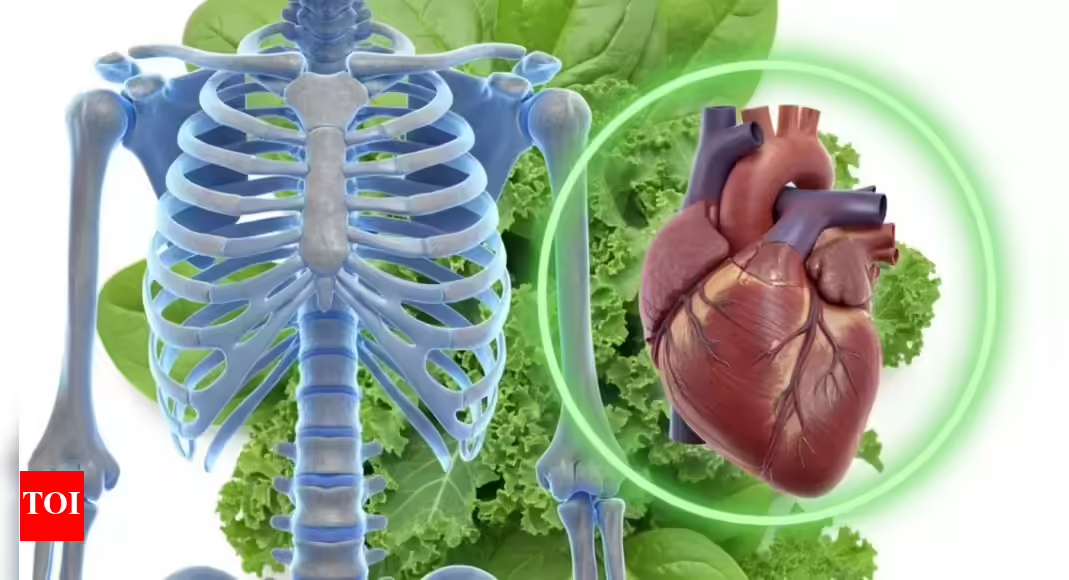
Vitamin K is a vital but often overlooked nutrient that supports blood clotting, directs calcium into bones, and prevents arterial calcification, thereby promoting strong bones and a healthy heart. It exists in two main forms, K₁ from leafy greens and K₂ from fermented foods and animal products, and is essential for overall health, especially for those on blood-thinning medications. Regular intake through diet is crucial for maintaining optimal levels and preventing deficiencies that can lead to weakened bones and cardiovascular issues.

India's Protein Intake: Trends, Challenges, and Health Impacts

Originally Published 4 months ago — by GQ

Featured image for India's Protein Intake: Trends, Challenges, and Health Impacts
Source: GQ

A protein deficiency can lead to muscle weakness, immune system impairment, fatigue, increased fracture risk, and cravings. To prevent these issues, it's important to consume adequate protein from sources like animal products, legumes, nuts, seeds, and fortified plant milks, with personalized intake based on individual goals.

Is Magnesium Supplementation Right for You? Expert Dietitian Insights

Originally Published 4 months ago — by Fit&Well

Featured image for Is Magnesium Supplementation Right for You? Expert Dietitian Insights
Source: Fit&Well

Many Americans may not get enough magnesium, which is vital for over 300 bodily functions. While dietary sources like seeds, spinach, and nuts are preferred for maintaining adequate levels, supplements can help if needed, but should be taken cautiously under medical advice to avoid side effects. Consulting a dietitian is recommended to assess deficiency and determine the best approach.

Excess Vitamin Intake Linked to Increased Cancer Risk, Study Finds

Originally Published 4 months ago — by yahoo.com

Featured image for Excess Vitamin Intake Linked to Increased Cancer Risk, Study Finds
Source: yahoo.com

A new study indicates that both excessive and insufficient vitamin A intake may increase the risk of certain cancers, emphasizing the importance of maintaining a balanced diet that meets but does not exceed recommended levels, and highlighting the role of overall healthy lifestyle choices in cancer prevention.

Neurologist Recommends Vitamin B Complex for Brain Health

Originally Published 4 months ago — by Times of India

Featured image for Neurologist Recommends Vitamin B Complex for Brain Health
Source: Times of India

Emerging research highlights the importance of the full vitamin B complex, including B1, B2, B3, B5, B7, and B9, in supporting brain energy, neurotransmitter synthesis, and potentially slowing cognitive decline. Incorporating B-rich foods like whole grains, leafy greens, nuts, and eggs into your diet can help maintain brain health without supplements, but always consult a healthcare professional before making dietary changes.

Top Indicator of Vitamin B2 Deficiency

Originally Published 6 months ago — by AOL.com

Featured image for Top Indicator of Vitamin B2 Deficiency
Source: AOL.com

Vitamin B2 deficiency, though uncommon in the U.S., can cause symptoms like fatigue, cracked lips, sore throat, and hair loss, especially in at-risk groups. It is important to recognize these signs and consult a healthcare provider for proper diagnosis and treatment, which may include dietary changes or supplements. Rich sources of B2 include beef liver, fortified cereals, oats, yogurt, and milk.

Harvard warns of hidden health risks in protein powders and bars

Originally Published 7 months ago — by LADbible

Featured image for Harvard warns of hidden health risks in protein powders and bars
Source: LADbible

Harvard scientists have issued a warning about the potential hidden dangers of protein powders, citing concerns over toxins like heavy metals and BPA found in many products, and suggesting alternative natural protein sources such as lentils, chickpeas, and nuts. They advise caution and recommend consulting a healthcare professional before using protein supplements.

"New Study Finds Vitamin D and Calcium Supplements Ineffective"

Originally Published 1 year ago — by Yahoo Life

Featured image for "New Study Finds Vitamin D and Calcium Supplements Ineffective"
Source: Yahoo Life

A 22-year study on 36,282 older women found that combined vitamin D and calcium supplements did not reduce the risk of hip fractures, but did show a reduction in deaths from cancer and an increase in deaths from heart disease. However, the overall death comparisons were not statistically significant. The study had limitations, including being funded by the National Institutes of Health and having a limited participant history. Other sources suggest that vitamin D and calcium supplements may have limited benefits and potential health risks, and it may be best to meet daily needs through diet. Good dietary sources of calcium include almonds, leafy green vegetables, and low-fat dairy, while vitamin D can be obtained from foods like salmon, egg yolk, and fortified products.

"The Crucial Role of Magnesium in Slowing Aging and How to Incorporate It"

Originally Published 1 year ago — by The Globe and Mail

Featured image for "The Crucial Role of Magnesium in Slowing Aging and How to Incorporate It"
Source: The Globe and Mail

Magnesium is an essential mineral that plays a crucial role in various bodily processes, yet many Canadians and Americans don't meet daily requirements. It is linked to numerous health benefits, including lower risk of type 2 diabetes, high blood pressure, and stroke. Good food sources include leafy greens, beans, nuts, and whole grains. Certain health conditions and medications can lead to magnesium deficiency, and supplements may be considered if dietary intake is insufficient.

The Truth About Fish Oil Supplements: Are They Worth the Hype?

Originally Published 2 years ago — by New York Post

Featured image for The Truth About Fish Oil Supplements: Are They Worth the Hype?
Source: New York Post

A study from the University of Texas Southwestern Medical Center reveals that fish oil supplements, which are projected to reach $2.4 billion in sales by 2030, may not provide any health benefits despite the outrageous claims made on their packaging. Out of the 2,819 fish oil supplements studied, 74% made health claims, but only 19% used FDA-approved qualified health claims. Many supplements made broad or unproven claims about supporting heart, brain, joint, or eye health without any clinical trial data to back them up. Experts recommend obtaining omega-3 fatty acids from dietary sources like cold-water fish, flaxseed, and walnuts instead of relying on supplements. The study highlights the need for increased regulation of dietary supplement labeling to prevent consumer misinformation.

"Expert-backed tips for boosting vitamin D levels and staying healthy during winter"

Originally Published 2 years ago — by CBS News

Featured image for "Expert-backed tips for boosting vitamin D levels and staying healthy during winter"
Source: CBS News

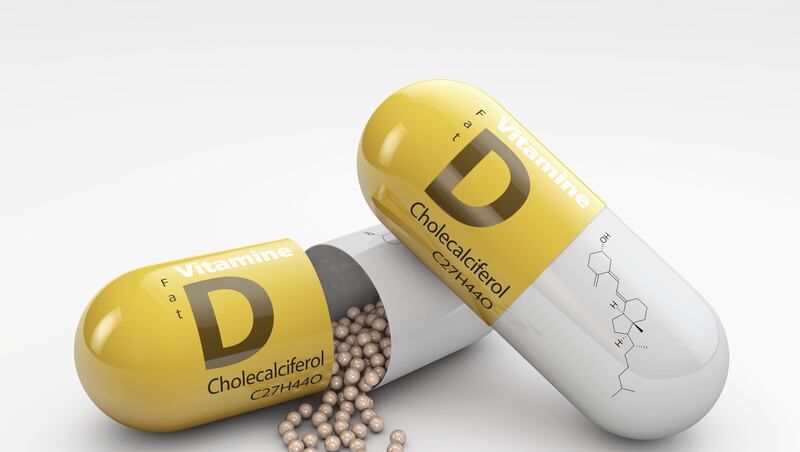
Vitamin D deficiency is a common issue, with about 35% of adults in the US being deficient. Factors such as working indoors, limited sun exposure, and certain medical conditions can contribute to deficiency. Vitamin D plays a crucial role in calcium and bone maintenance, and recent studies suggest it may also impact energy levels and mood, particularly in relation to seasonal affective disorder. Symptoms of deficiency can include bone pain, fatigue, and low energy. To increase vitamin D levels, it is important to incorporate foods high in vitamin D or fortified with it, such as milk, yogurt, and fatty fishes. Sun exposure is also beneficial, but sunscreen should be used. Supplements and cod liver oil can be taken under medical guidance.

"Essential Facts about Calcium Supplements and Calcium-Rich Foods"

Originally Published 2 years ago — by WJXT News4JAX

Featured image for "Essential Facts about Calcium Supplements and Calcium-Rich Foods"
Source: WJXT News4JAX

While calcium is important for maintaining strong bones, research suggests that taking calcium supplements may negatively affect heart health and increase the risk of developing conditions like atherosclerosis and dementia. Calcium supplements also come with side effects such as bloating, constipation, and kidney stones. The largest research to date shows inconclusive results about the benefits of taking calcium supplements for bone health. It is recommended to obtain calcium through dietary sources like milk, yogurt, and almonds, as the body processes calcium differently from food sources compared to supplements. Individuals with a calcium deficiency should consult with their doctor to determine if calcium supplements are necessary.

"Balancing Hormones: The Potential Risks of Calcium Supplements vs. Calcium-Rich Foods"

Originally Published 2 years ago — by KABC-TV

Featured image for "Balancing Hormones: The Potential Risks of Calcium Supplements vs. Calcium-Rich Foods"
Source: KABC-TV

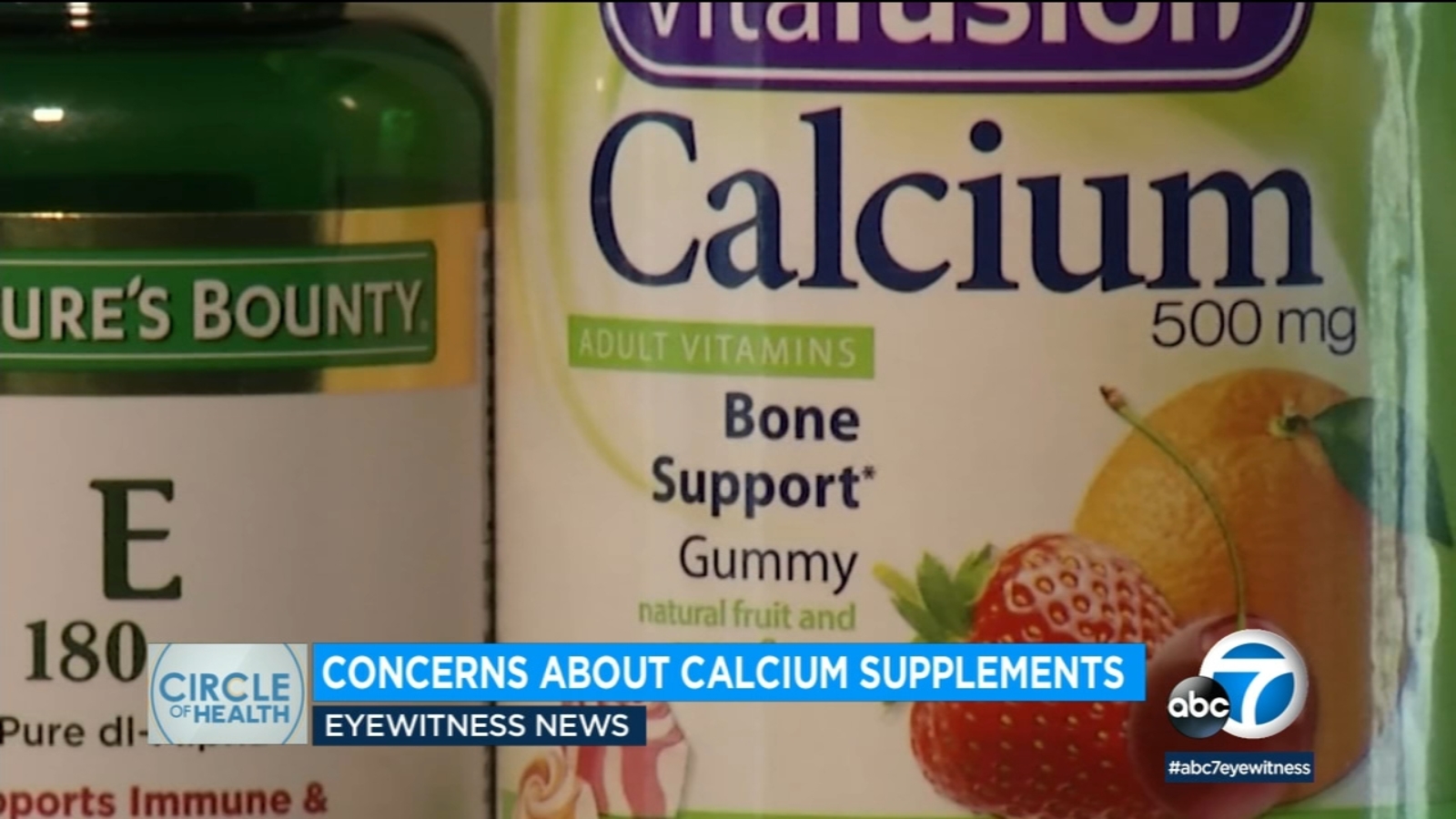
New research warns against the potential risks of taking calcium supplements. A study from Johns Hopkins University found that calcium supplements can negatively affect heart health and increase the risk of developing atherosclerosis. Other side effects include bloating, constipation, and kidney stones. Additionally, a study published in the journal neurology suggests that women who take calcium supplements are at a higher risk of developing dementia. The benefits of taking calcium supplements for building strong bones are inconclusive, with no evidence that more is better, even for fracture reduction. It is recommended to obtain calcium through dietary sources like milk, yogurt, and almonds, as the body processes calcium differently from food sources compared to supplements.

"New research highlights potential risks of calcium supplements, scientists urge caution"

Originally Published 2 years ago — by KABC-TV

Featured image for "New research highlights potential risks of calcium supplements, scientists urge caution"
Source: KABC-TV

New research from Johns Hopkins University warns against the potential risks of taking calcium supplements. The study found that calcium supplements can negatively affect heart health and increase the risk of developing atherosclerosis. Additionally, these supplements can cause side effects such as bloating, constipation, and kidney stones. Another study published in the journal Neurology suggests that women who take calcium supplements may be at a higher risk of developing dementia. The research also indicates that there is no evidence to support the idea that more calcium is better for bone health or fracture reduction. Instead, experts recommend obtaining calcium through dietary sources like milk, yogurt, and almonds. It is important to consult with a doctor to determine if calcium supplements are necessary for individuals with a calcium deficiency.