This article emphasizes the importance of carefully choosing and correctly dosing supplements, highlighting that excessive intake of certain nutrients like vitamin D, calcium, and omega-3s can cause health problems. It advises consulting healthcare providers before starting supplements, checking for third-party certification, and being cautious of label inaccuracies and individual needs to avoid potential risks.
Cannabinoid hyperemesis syndrome (CHS), also known as 'scromiting,' is a rare but increasingly recognized condition among long-term high-potency cannabis users, characterized by severe vomiting and abdominal pain. Its prevalence has risen significantly with increased legalization and potency of cannabis, especially among young adults. Experts suggest moderation and further research into the condition's causes and mechanisms, as abstinence remains the only confirmed treatment.
A recent study highlights the health risks of drinking bottled water, revealing that individuals who consume it daily ingest nearly 90,000 microplastic particles annually, which may contribute to inflammation, cell damage, and increased cancer risk, emphasizing the importance of switching to reusable water bottles for health and environmental reasons.
Tattoo inks contain complex chemicals, including potentially toxic metals and organic compounds, which can interact with the immune system, cause allergic reactions, and migrate to lymph nodes, raising concerns about long-term health effects. While generally considered safe, tattoos may influence immune responses and pose risks such as inflammation, allergic reactions, and possibly carcinogenic byproducts, especially with larger or more colorful tattoos. Better regulation and further research are needed to fully understand their health implications.
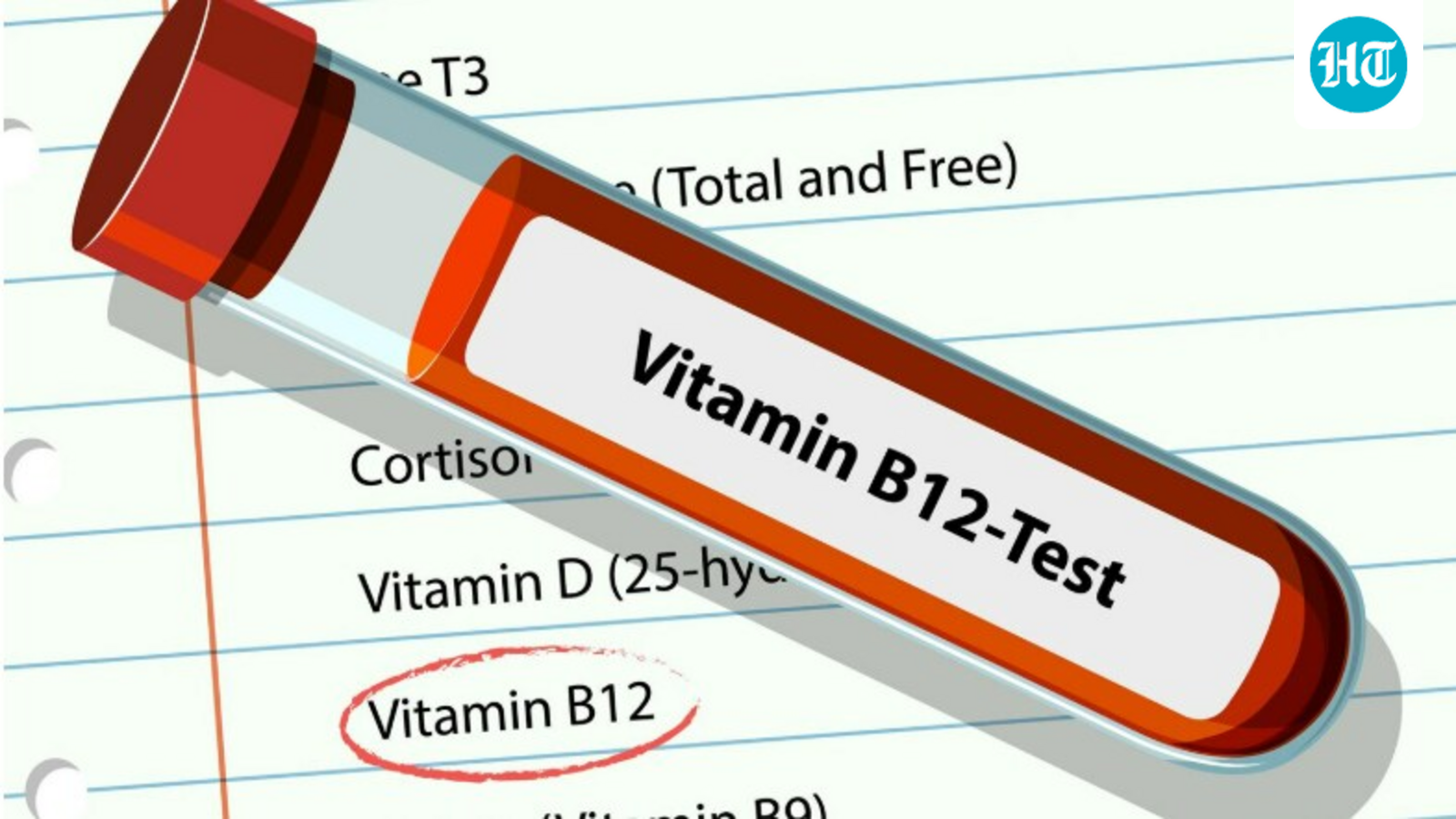
Indore physician Dr. Chetan Kothari emphasizes the importance of not ignoring vitamin B12 deficiency, which can cause symptoms like numbness, dizziness, and brain fog, and highlights that timely testing and treatment are crucial to prevent serious long-term health issues.
Recent research and updated guidelines indicate that even moderate alcohol consumption, more than two drinks per week, poses significant health risks, including increased cancer risk and no safe level of alcohol intake, challenging previous beliefs about its health benefits.
A Japanese study found that seniors discharged on six or more medications, especially those over 80 or recovering from stroke, are less likely to regain independence during rehabilitation, highlighting the risks of polypharmacy and the importance of reviewing and reducing unnecessary medications to improve recovery outcomes.
A study reveals that indoor activities like wood burning and cooking significantly contribute to indoor air pollution, which can pose health risks, especially during holiday seasons when people spend more time at home. Simple measures such as improving ventilation, careful stove management, and using exhaust fans can help reduce exposure to harmful pollutants.
Eight Palestine Action activists are on hunger strike in UK prisons, demanding bail, lifting bans, and stopping restrictions, with serious health risks as some have been hospitalized and experts warn of potential organ failure due to prolonged fasting.
A comprehensive review suggests that tramadol, a widely prescribed opioid for chronic pain, offers minimal pain relief while significantly increasing the risk of serious health issues such as heart disease, leading researchers to recommend reducing its use due to the potential harms outweighing the benefits.
A study by Pusan National University found that common household appliances like toasters and hair dryers emit trillions of ultrafine particles, which can penetrate deep into the lungs and contain heavy metals, potentially increasing health risks such as asthma and cardiovascular diseases. The research highlights the need for improved appliance design and stricter regulations to reduce indoor air pollution.
A cardiologist warns that common medications like Omeprazole and Ibuprofen can pose serious health risks, especially with long-term use or before exercise, including nutrient deficiencies, kidney damage, and heart issues, urging caution and proper medical supervision.
Indian consumers' casual and long-term use of antacids is leading to serious health risks, including damage to the heart, kidneys, and gut, and potentially masking serious illnesses, according to doctors across Indian cities.
A woman undergoes at-home microplastics testing revealing high levels in her blood, prompting lifestyle changes to reduce plastic exposure, while experts emphasize the need for more research on health impacts and advocate for better regulation and awareness.
Dense toxic smog has severely impacted New Delhi, causing travel disruptions, health issues, and prompting strict containment measures, while environmentalists call for long-term solutions to the persistent pollution crisis.