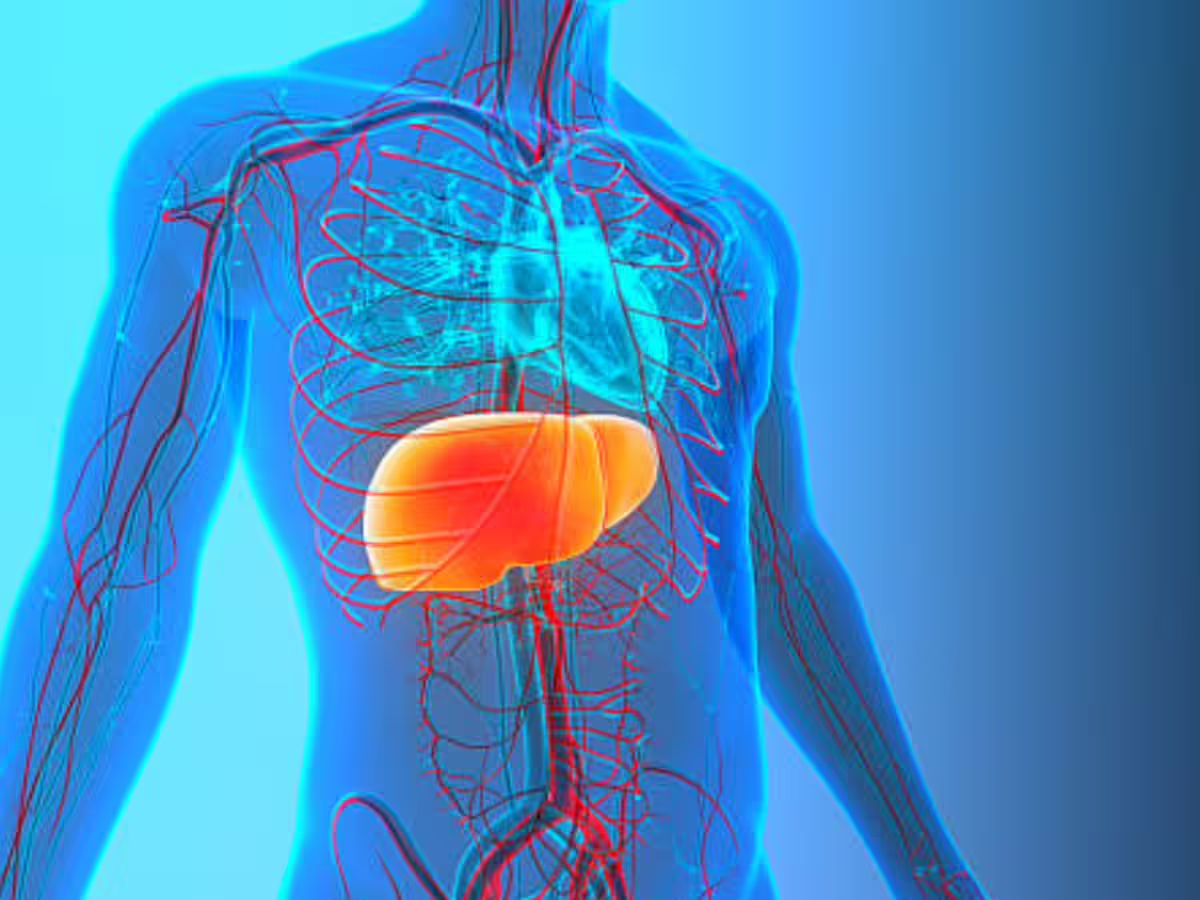
Samantha Ruth Prabhu discussed perimenopause and brain fog with nutritionist Rashi Chowdhary, who suggested starting the day with healthy fats, adding lion's mane mushroom, and using smart supplements like creatine and CoQ10 to improve cognitive function. Expert fact-checking by Dr. Ravina Patel highlighted the importance of a balanced diet and clarified that some claims, like the efficacy of lion's mane mushroom, lack sufficient scientific evidence, emphasizing sustainable and affordable health practices.

Rob Hobson, a UK nutritionist, improved his high cholesterol through increased fiber intake by incorporating fiber-rich foods into every meal, using strategies like a dedicated 'fiber cupboard', eating high-fiber breakfasts, adding pulses to dishes, and keeping healthy foods visible to promote better eating habits.
A quiz based on the Mayo Clinic's Mini Eating Assessment Tool helps individuals evaluate their diet's healthiness, offering science-backed advice to improve eating habits and potentially increase lifespan by focusing on fruits, vegetables, whole grains, seafood, nuts, and legumes.
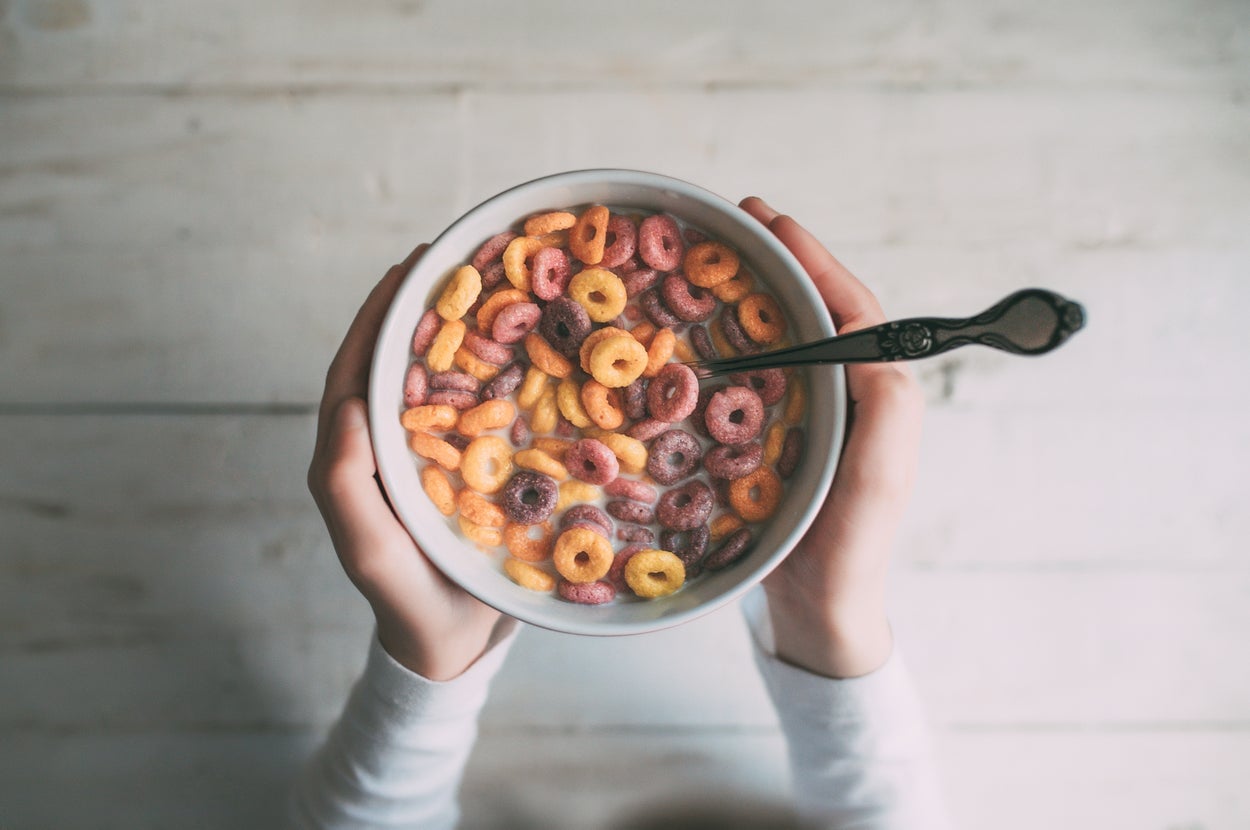
Nutrition experts advise choosing cereals with high fiber, protein, minimal ingredients, and low added sugar, while cautioning against misinterpreting the NOVA classification that labels all cereals as ultraprocessed, emphasizing that not all ultraprocessed foods are unhealthy.
Eating a snack with carbs and protein within an hour after exercise supports muscle recovery, with top foods including chicken, fish, sweet potatoes, quinoa, salmon, chocolate milk, cottage cheese, eggs, bananas, spinach, and berries. Avoid alcohol, salty, sugary, ultra-processed, and spicy foods post-workout. Additional recovery tips include stretching, hydration, sleep, active recovery, massage, and ice baths.
A Harvard-trained gastroenterologist shares simple steps to turn black coffee into an anti-inflammatory drink by adding ingredients like cinnamon, cocoa, and MCT oil, highlighting coffee's health benefits supported by research showing moderate consumption reduces risks of various diseases.
A dietitian reviews Starbucks menu, recommending the Spinach Feta and Egg White Wrap, Egg Bites, Tomato and Mozzarella on Focaccia, and Nitro Cold Brew as healthier options, while advising to skip items like the Bacon Sausage and Egg Wrap, Frappuccinos, high-calorie chicken sandwiches, and baked goods due to high sodium, sugar, and saturated fat content.
The article explains that the recommended daily protein intake varies based on individual factors, generally around 0.8-1.2 grams per kilogram of body weight, emphasizing the importance of balanced consumption spread throughout the day, and warns against excessive intake while highlighting the role of protein in overall health.
This article suggests seven high-protein, anti-inflammatory snacks for each day of the week, including roasted chana, boiled eggs, paneer and walnut salad, chicken tikka bites, moong sprouts chaat, Greek yoghurt with flax and berries, and besan chilla with spices, emphasizing simple, real foods that help reduce inflammation and boost overall health.
Fitness expert Michael Smoak warns against certain packaged foods like protein shakes, trail mix, flavored yogurt, cereal, and juice, which are marketed as healthy but contain hidden sugars and processed ingredients that can hinder weight loss. He recommends focusing on whole foods, shopping the perimeter of the grocery store for fresh produce and meats, and making simple swaps like choosing Greek yogurt over flavored varieties to support weight loss goals.
Fibermaxxing is a TikTok trend encouraging high fiber consumption for better digestion and health, but experts advise increasing fiber gradually, staying hydrated, and balancing different fiber types to avoid digestive issues and maximize benefits.
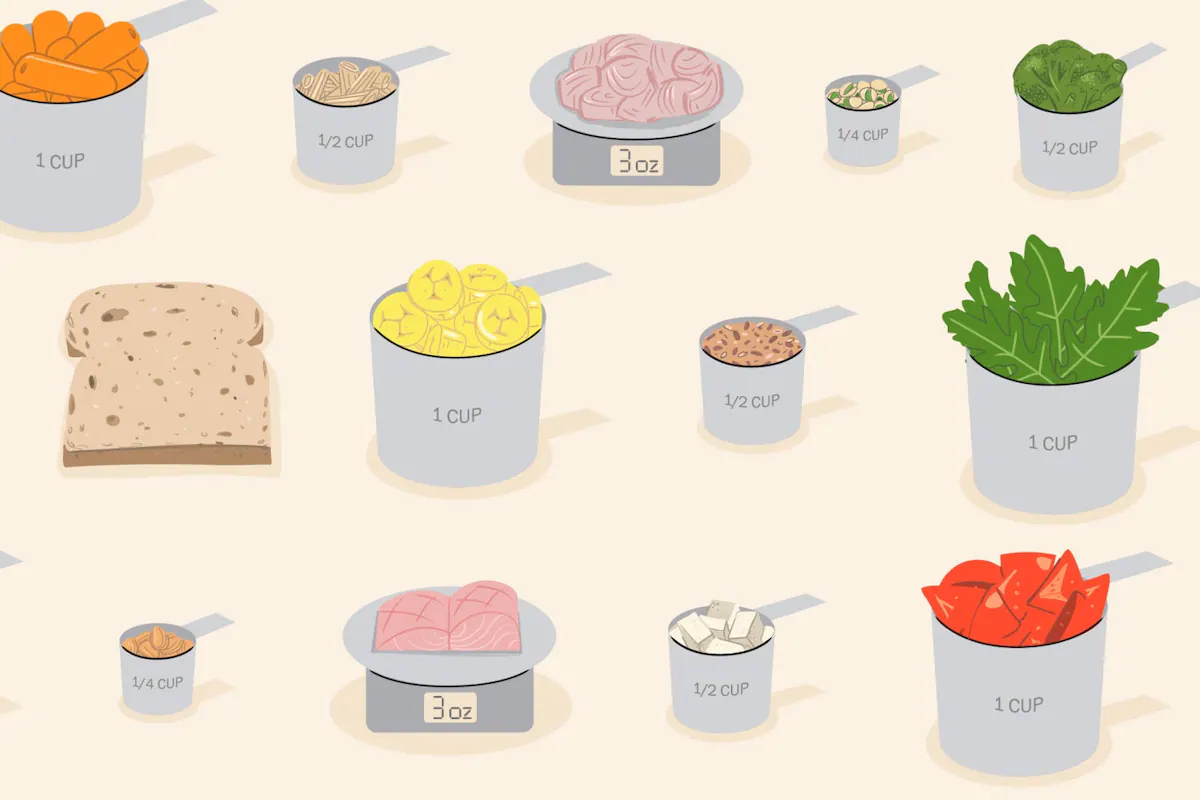
A lifelong vegetarian shares her top eight high-protein foods—such as Greek yogurt, tofu, beans, nuts, eggs, cheese, whole grains, and legume-based pastas—that help her build satisfying, balanced meals with 20-30 grams of protein, supporting blood sugar stability and overall health.
A dietitian shares her top five favorite high-protein drinks, including Greek yogurt drinks, kefir smoothies with collagen, bone broth, smoothies, and skim milk, emphasizing their nutritional benefits and tips for choosing healthy options.
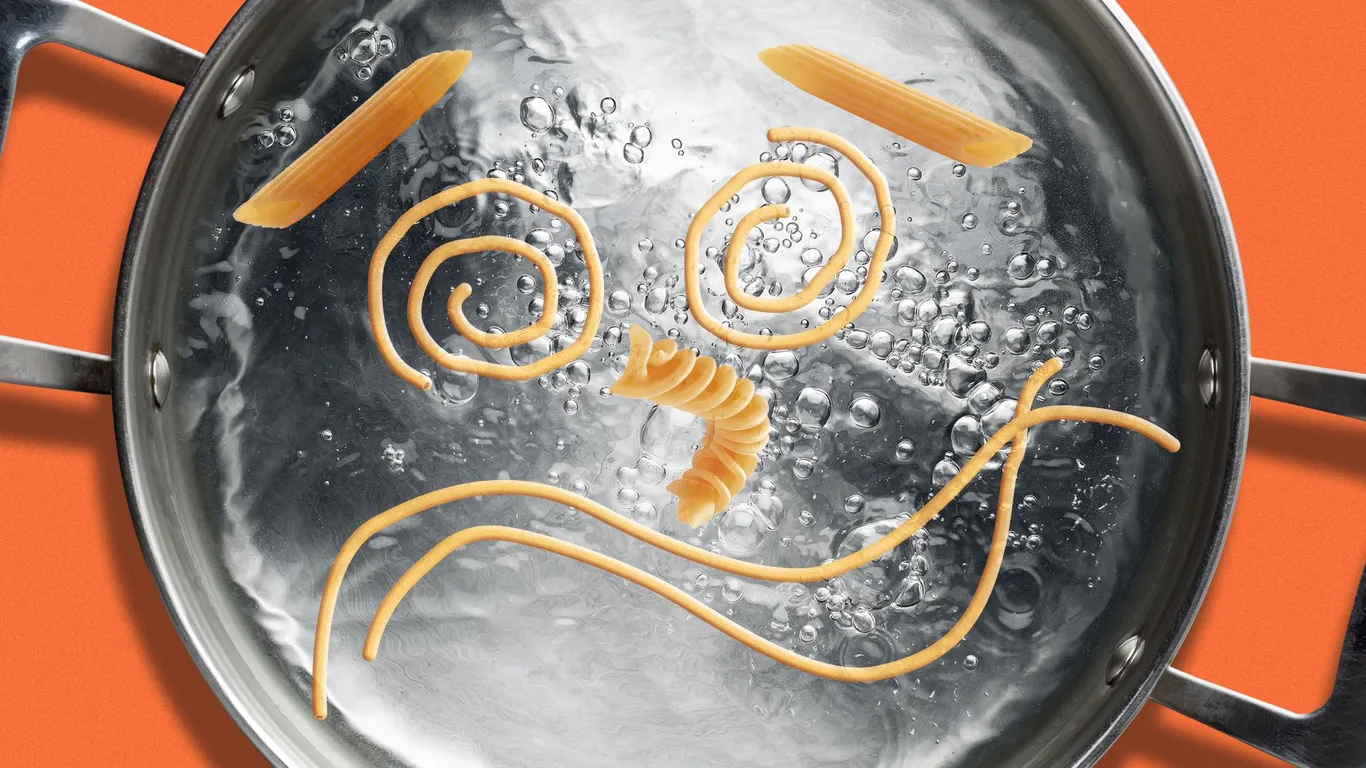
Cooking pasta al dente, or 'to the tooth,' is healthier because it has a lower glycemic index, requires more chewing for better digestion, and helps maintain nutritional value, making it a better choice for blood sugar control and overall health.
Dietitians recommend seven types of canned foods to help manage blood sugar levels: canned fish, chicken, vegetables, tomatoes, beans, pumpkin, and fruit. These foods are rich in protein, fiber, and essential nutrients, which aid in stabilizing blood sugar. Opt for low-sodium and no-sugar-added options, and incorporate these canned foods into balanced meals and snacks for convenience and affordability.