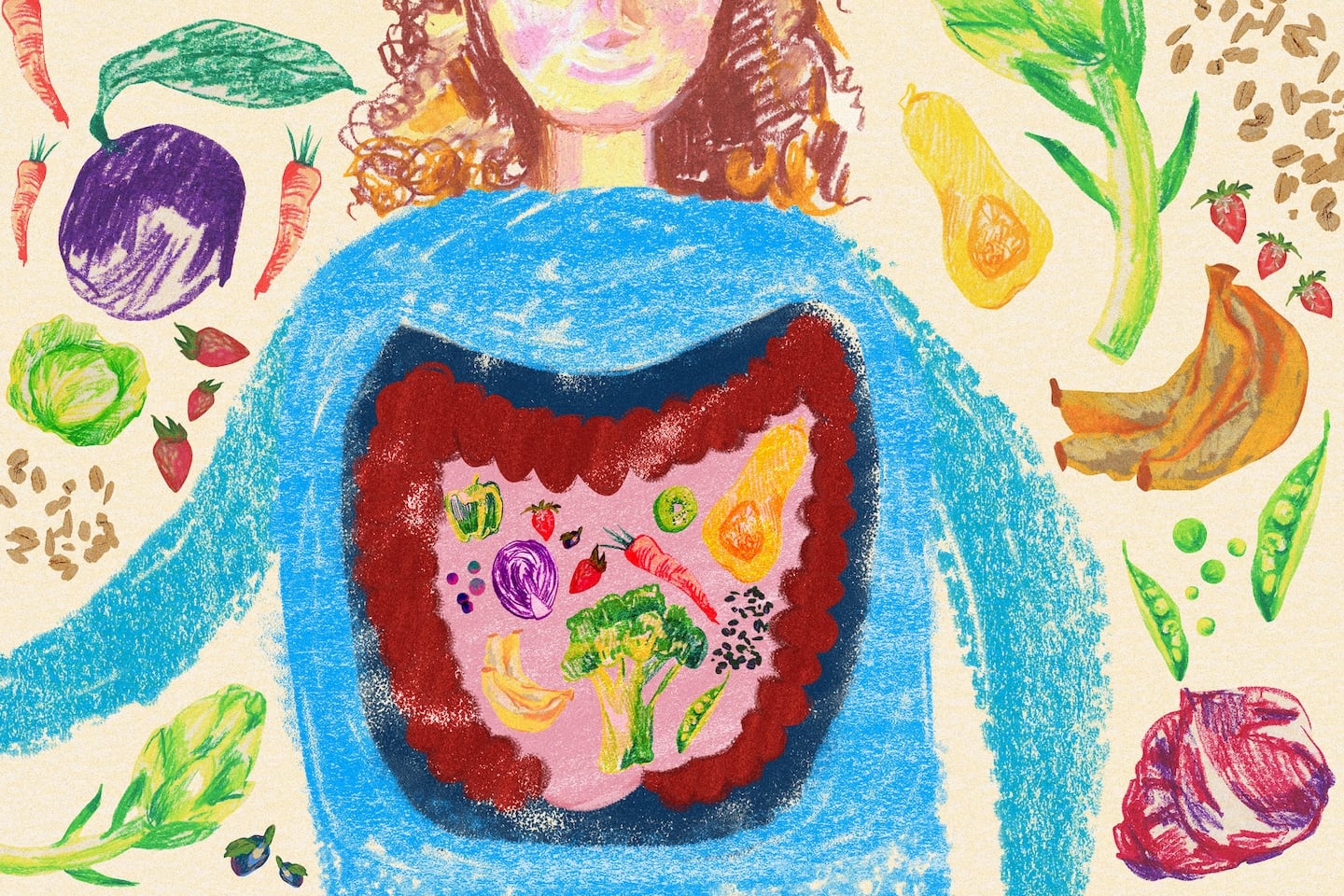
Protecting and improving your gut microbiome, a diverse community of bacteria, fungi, and viruses in the gut, is crucial for digestive health, vitamin synthesis, and maintaining the intestinal barrier, with benefits extending beyond digestion.
Most people don't consume enough fiber, which is vital for digestive health and disease prevention. The article emphasizes increasing intake through a variety of plant-based foods like fruits, vegetables, beans, nuts, and whole grains, while cautioning against excessive consumption, especially from supplements, to avoid negative side effects. Gradually increasing fiber and drinking plenty of water are recommended to safely boost intake.
Some foods that appear healthy, such as fruit juices, raw salads, instant oats, protein bars, soy, raw sprouts, and coconut water, can actually cause inflammation and digestive issues if consumed improperly or excessively, potentially leading to symptoms like bloating, gas, acne, and hormonal imbalances.
New dietary guidelines from King's College London suggest that rye bread, due to its high fiber content, can help relieve constipation, challenging the traditional view that bread worsens digestive issues. Experts recommend pairing rye with water and other fiber-rich foods for better gut health, emphasizing the importance of a varied diet and addressing underlying causes of constipation.
The article provides six practical habits to promote regular bowel movements, including increasing fiber intake, staying hydrated, exercising regularly, using probiotics, timing bathroom visits after meals, and practicing proper breathing and positioning during defecation, all aimed at improving digestive health and preventing constipation.
Gut transit time, the duration for food to pass through the gastrointestinal tract, averages around 28 hours in healthy adults with significant individual variability influenced by diet, lifestyle, and hormonal factors. Understanding and optimizing transit time through diet, hydration, and activity can promote gut health, microbial balance, and overall well-being.
A 2023 study highlights that the duration poop stays in the gut significantly influences microbiome composition and overall health, with slow transit linked to various disorders and potential for personalized treatments based on individual gut rhythms.
Eating soaked raisins daily during winter can boost immunity, improve digestion, support bone health, and provide sustained energy due to their rich fiber, minerals, antioxidants, and natural sugars, making them a beneficial addition to seasonal diets.
A 2024 study found that bowel movement frequency, with once or twice daily being optimal, is linked to overall health, with deviations associated with underlying health issues and microbiome changes, highlighting the importance of maintaining a healthy bowel routine for wellness.
The article discusses symptoms and treatment options for hiatal hernia, particularly focusing on women over 50, highlighting the importance of recognizing symptoms and seeking appropriate medical care.
Dr. Joseph Salhab explains that coffee stimulates bowel movements primarily due to its caffeine content, which promotes colon activity and gallbladder contraction, and the warmth of the beverage. Alternatives like green tea, cold brew, or decaffeinated coffee can reduce this effect. About 30-40% of coffee drinkers experience this urge, and the article offers tips to manage it.
The article shares five doctor-approved natural food combinations, such as prunes with cumin-coriander-fennel water and papaya with lemon water, that can help alleviate constipation by promoting digestion and gut motility, emphasizing lifestyle habits like hydration, fiber intake, and regular movement.
The article explains the low-FODMAP diet, which involves avoiding certain fermentable carbohydrates that can cause bloating, gas, and other digestive issues, especially for those with IBS. It highlights which foods are low in FODMAPs, such as certain vegetables, fruits, meats, nuts, and seeds, and discusses the importance of working with a healthcare professional to avoid nutritional deficiencies while managing symptoms.
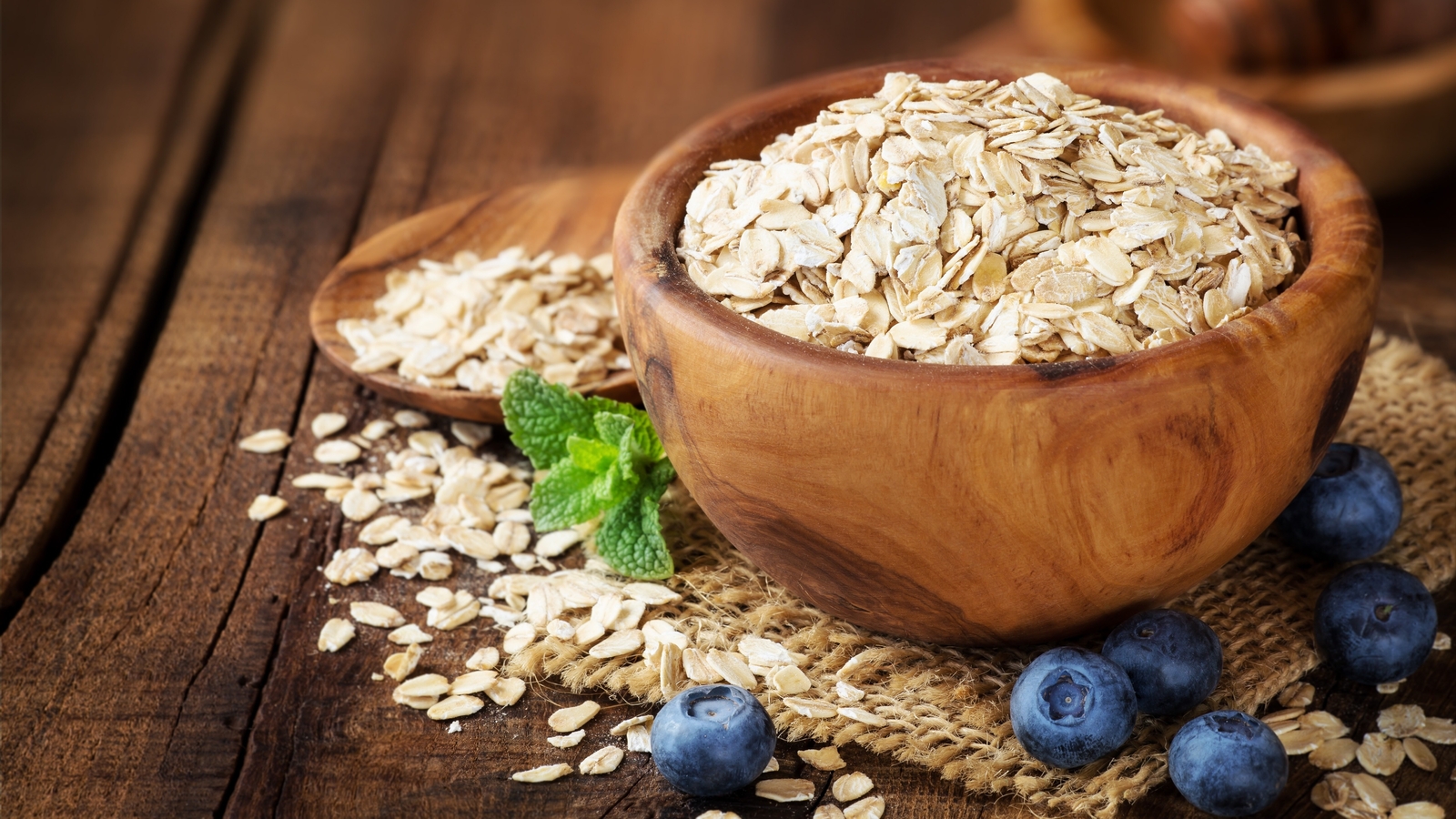
Eating oats daily can be healthy due to their high fiber and nutrient content, but excessive consumption may cause gas, bloating, and nutrient absorption issues, especially for those with gluten sensitivities or when eaten in large portions. Moderation and variety in breakfast choices are recommended to maximize benefits and minimize side effects.
The ideal time for a bowel movement is between a couple of minutes and 10 minutes, with shorter or longer durations potentially indicating digestive issues. Regular, comfortable, and timely bowel habits are signs of good gut health, while deviations may signal underlying problems. Maintaining hydration, fiber intake, and a consistent routine can promote healthy digestion. If bowel movements consistently take longer than 10 minutes or are accompanied by pain or blood, medical advice should be sought.