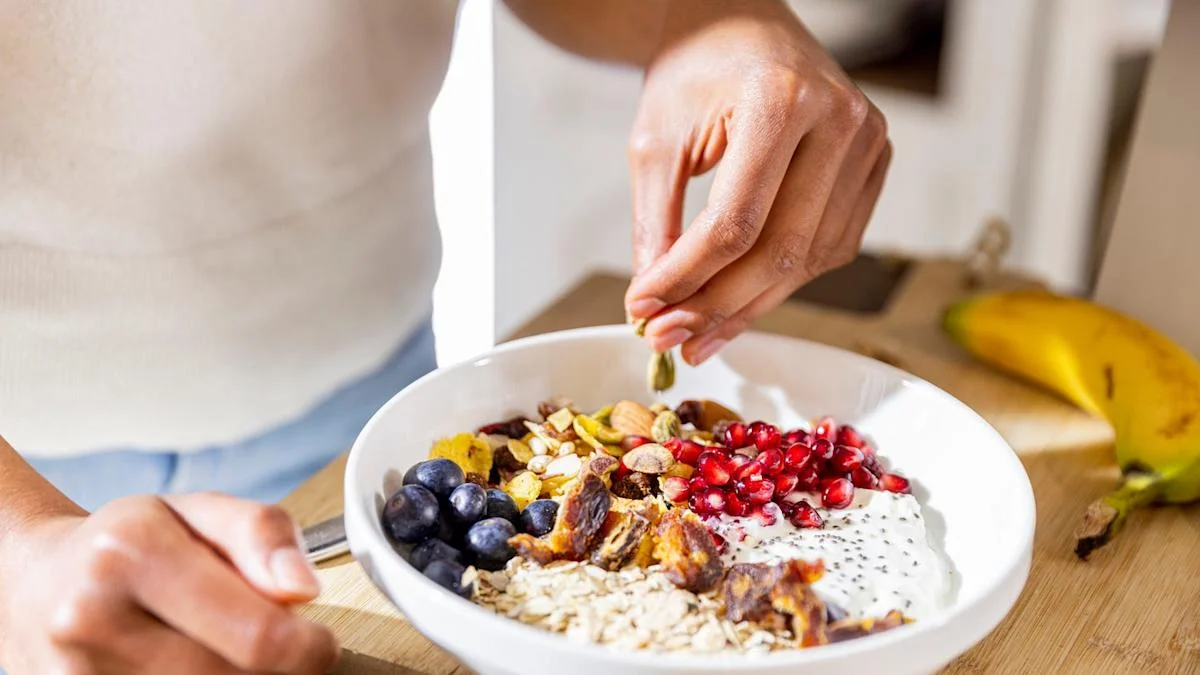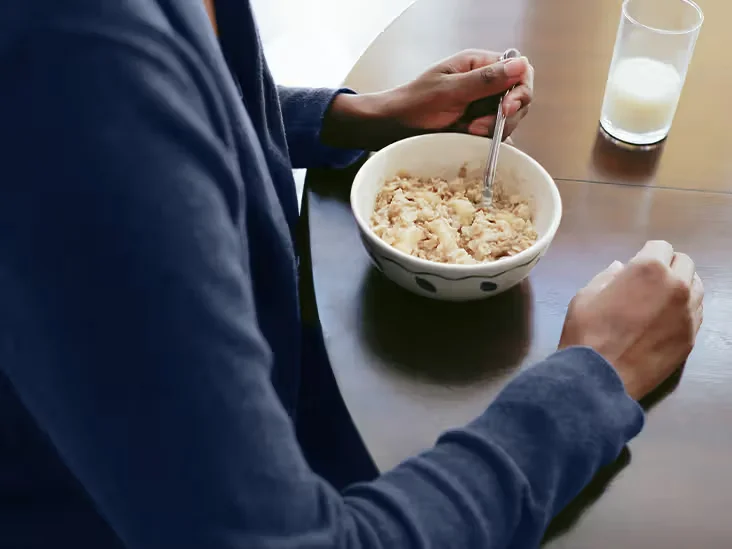
Experts unanimously recommend oats as a top food for lowering LDL cholesterol due to their high soluble fiber content, beta-glucan, which helps reduce bad cholesterol levels and support heart health, alongside other dietary and lifestyle changes.
C-reactive protein, a marker of inflammation, may be a more accurate predictor of heart disease risk than cholesterol, with lifestyle factors like diet and exercise influencing its levels. While cholesterol remains relevant, measuring inflammation and particle number provides a comprehensive risk assessment for heart disease prevention.
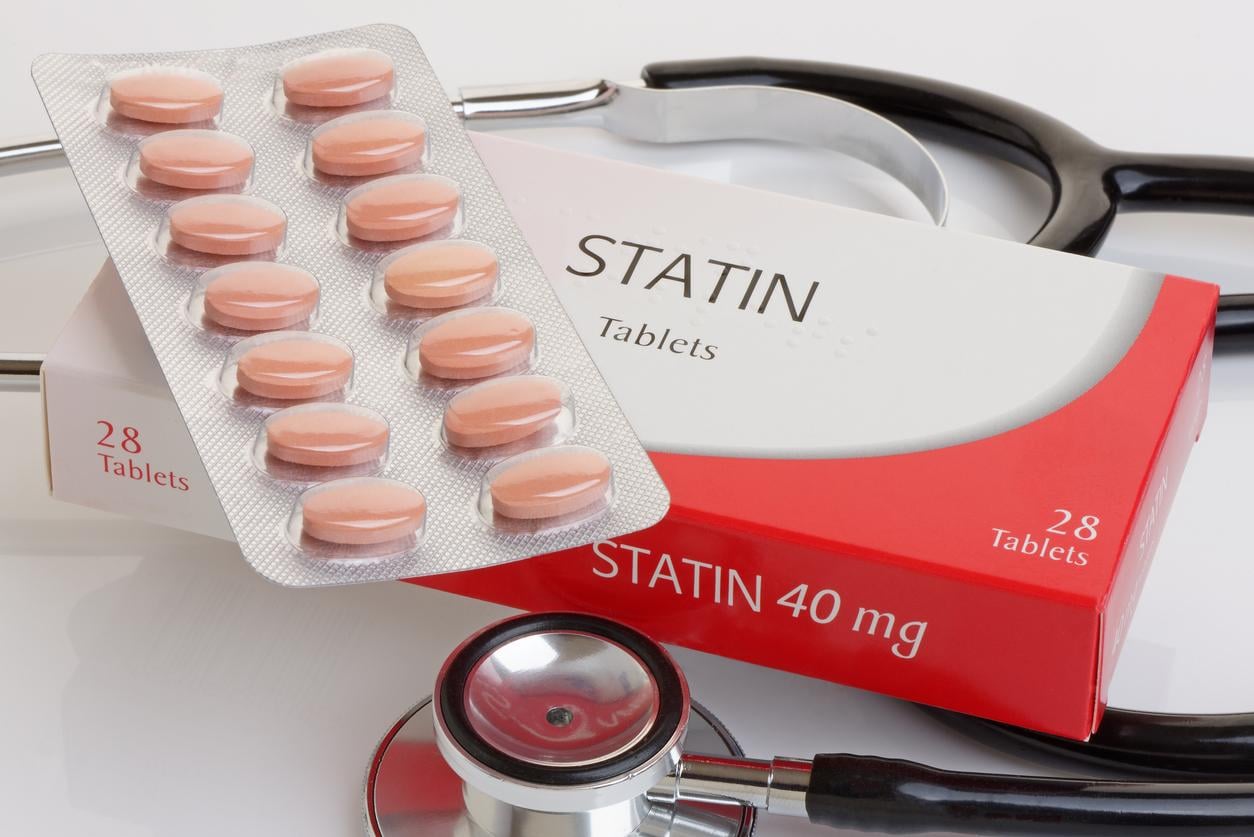
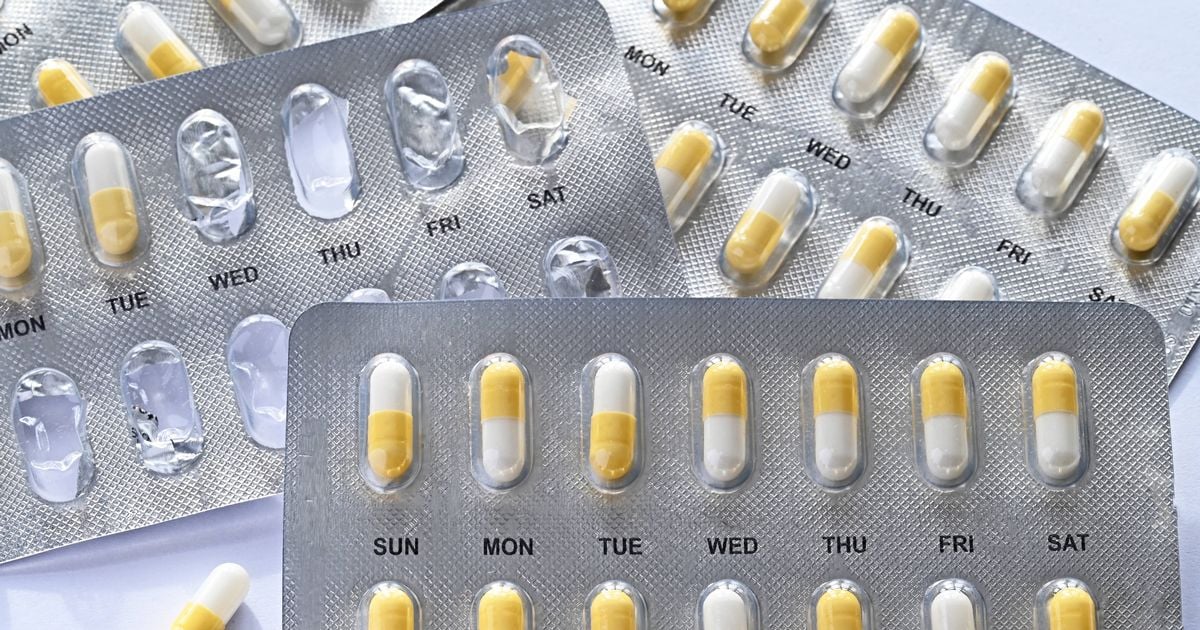
Statins are effective in reducing heart attack and stroke risk by lowering LDL cholesterol, with large clinical trials supporting their use, especially for high-risk individuals. While they have potential side effects like muscle issues and interactions with other drugs, most people tolerate them well. Lifestyle modifications such as diet and exercise are also crucial for managing cholesterol and cardiovascular risk, and treatment should be personalized based on individual risk factors and lifestyle.
Millions of UK adults taking statins should avoid grapefruit and its juice, as the chemical interaction can increase drug absorption and cause potentially toxic effects. Not all statins are equally affected, so consulting a healthcare professional is essential before making dietary changes. Other citrus fruits like oranges and lemons are generally safe.
Rob Hobson, a UK nutritionist, improved his high cholesterol through increased fiber intake by incorporating fiber-rich foods into every meal, using strategies like a dedicated 'fiber cupboard', eating high-fiber breakfasts, adding pulses to dishes, and keeping healthy foods visible to promote better eating habits.
The article discusses natural and lifestyle-based alternatives to statins for lowering cholesterol, including dietary changes like increasing soluble fiber and healthy fats, regular physical activity, weight loss, and supplements such as red yeast rice and omega-3 fatty acids, while also mentioning prescription options for those who cannot tolerate statins.
Lifestyle and dietary changes such as increasing soluble fiber, plant sterols, healthy fats, regular exercise, weight management, and stress reduction can lower LDL cholesterol by about 30% without the need for statins, supported by clinical research and health guidelines.
A new study has identified an enzyme called SCoR2 that acts as a 'fat switch' in the body, controlling fat and cholesterol production. Blocking this enzyme in animal studies reduced weight gain, lowered bad cholesterol, and protected the liver, suggesting potential for new treatments for obesity, high cholesterol, and liver disease. However, human trials are still needed before these findings can lead to new therapies.
Statins are effective in reducing heart attack and stroke risk by lowering LDL cholesterol, with large clinical trials supporting their use, especially for high-risk individuals. While they have some side effects and drug interactions, most people tolerate them well. Lifestyle modifications like diet and exercise are also crucial and can sometimes delay or reduce the need for medication. Treatment should be personalized, balancing benefits and risks, with a focus on addressing broader lifestyle factors to combat heart disease.
C-reactive protein, a marker of inflammation produced by the liver, is a better predictor of heart disease risk than cholesterol, and lifestyle factors can influence its levels. While cholesterol remains relevant, measuring additional biomarkers like apolipoprotein B and lipoprotein(a) provides a more comprehensive risk assessment. Prevention involves a holistic approach including diet, exercise, sleep, stress management, and avoiding smoking.
Neurologist Dr. Priyanka Sehrawat emphasizes that normal cholesterol levels do not necessarily indicate low heart attack risk, highlighting two key markers—ApoB and Lipoprotein(a)—as stronger predictors of cardiovascular events, especially in individuals with a family history or metabolic dysfunction.
C-reactive protein has become a more important marker than LDL cholesterol for predicting heart disease risk, as it signals inflammation involved in artery plaque buildup. Lifestyle factors like diet, exercise, and weight management can influence CRP levels, and a comprehensive risk assessment now includes multiple biomarkers for better prevention strategies.
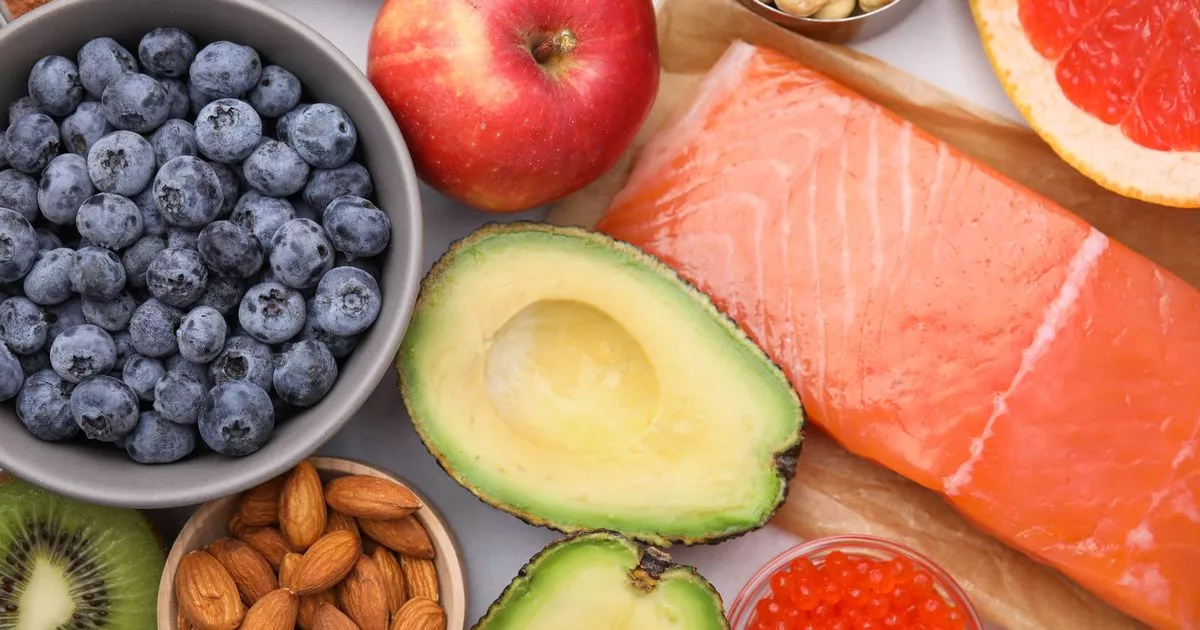
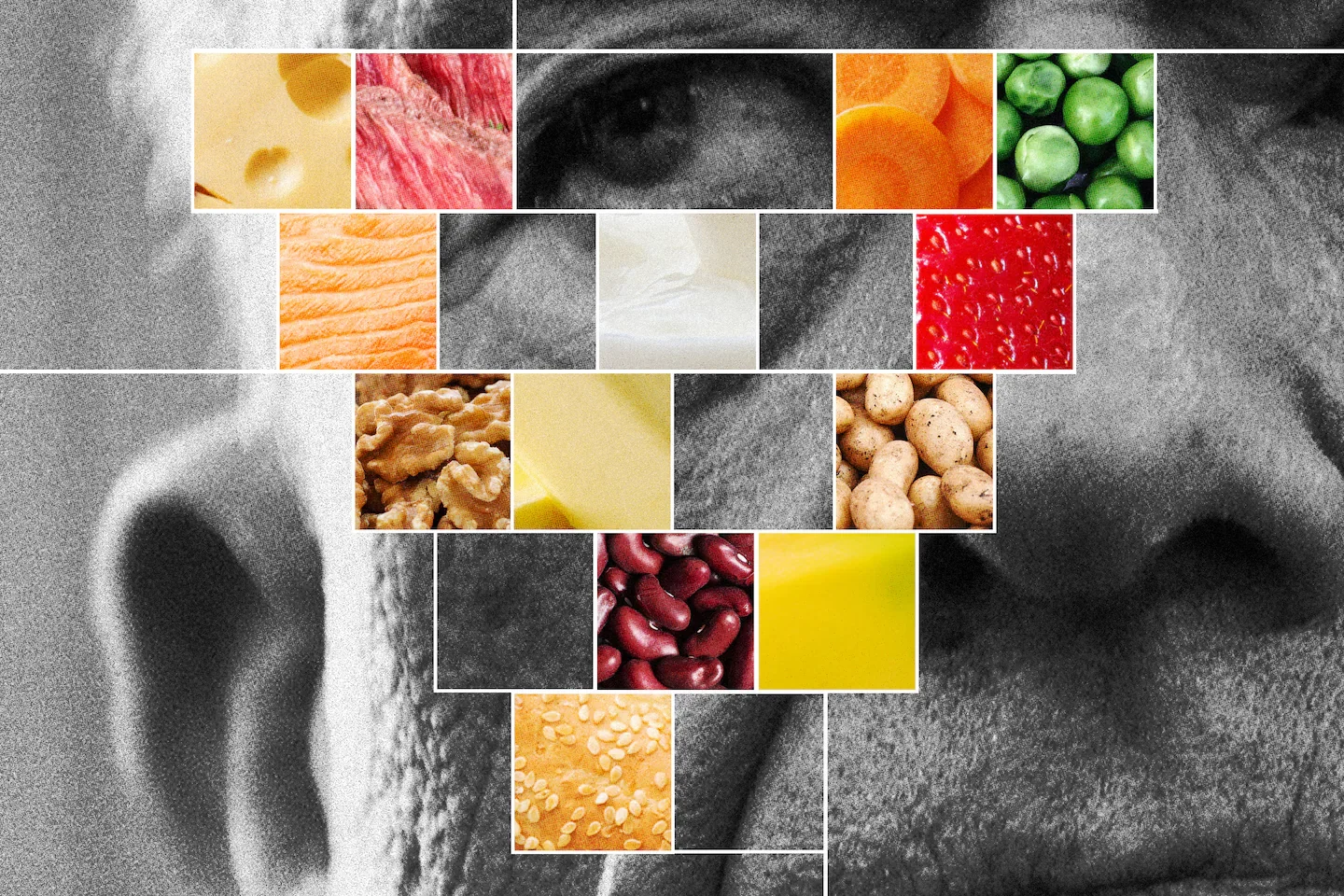
The article discusses how high LDL cholesterol is a major health risk in the U.S. and can be managed through diet and lifestyle changes, emphasizing foods like fiber-rich foods, plant-based proteins, fatty fish, nuts, seeds, and olive oil to lower cholesterol levels. Regular check-ups and healthy habits are crucial for long-term heart health.
Recent research identifies high LDL cholesterol in mid-life and untreated vision loss as two new, modifiable risk factors for dementia, accounting for about 9% of cases globally. Early detection and management of these factors through lifestyle changes, medical intervention, and regular health check-ups can significantly reduce the risk of developing dementia.
Scientific research suggests that daily consumption of black cumin seed can significantly lower bad cholesterol, increase good cholesterol, support weight loss, and promote overall heart health, making it a natural dietary addition for preventing lifestyle-related diseases.