Tag

Muscle Recovery

All articles tagged with #muscle recovery

Quick Morning Exercises to Boost Muscle Strength After 50

Originally Published 9 days ago — by Eat This Not That

Featured image for Quick Morning Exercises to Boost Muscle Strength After 50
Source: Eat This Not That

A new 8-minute morning routine designed for people over 50 can enhance muscle recovery and strength by activating circulation and neuromuscular pathways, leveraging the body's natural circadian rhythms, and improving overall resilience without replacing traditional weight training.


Top Food for Muscle Recovery, Say Dietitians

Originally Published 2 months ago — by AOL.com

Featured image for Top Food for Muscle Recovery, Say Dietitians
Source: AOL.com

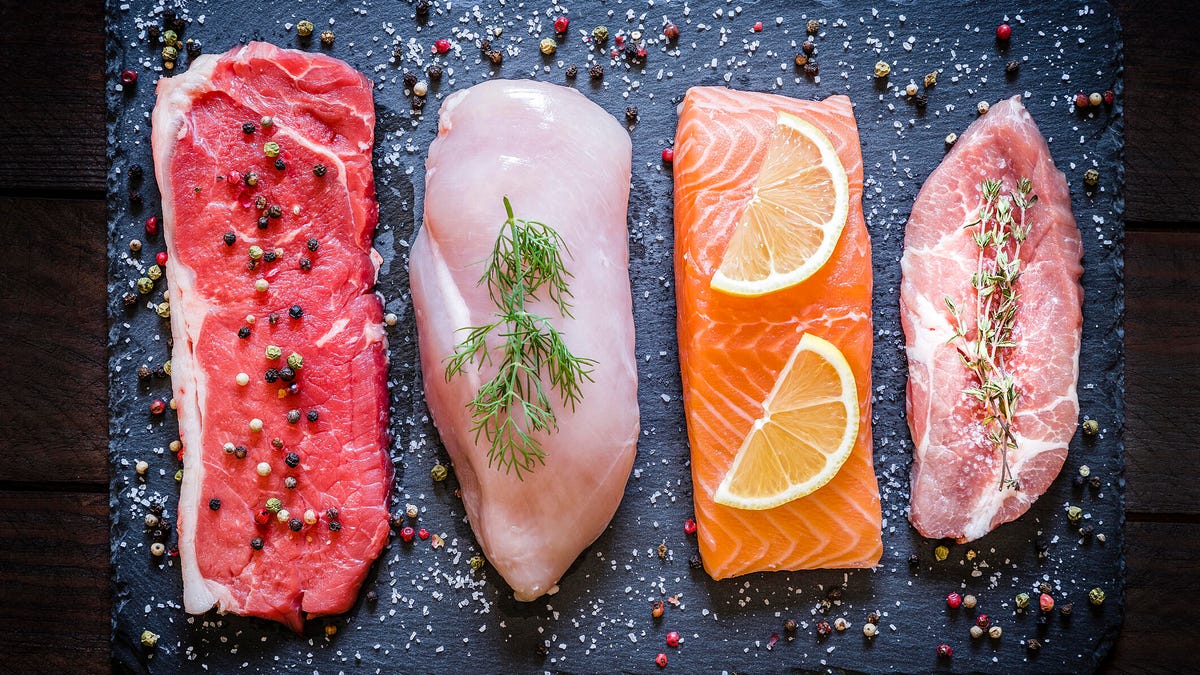
Eating a snack with carbs and protein within an hour after exercise supports muscle recovery, with top foods including chicken, fish, sweet potatoes, quinoa, salmon, chocolate milk, cottage cheese, eggs, bananas, spinach, and berries. Avoid alcohol, salty, sugary, ultra-processed, and spicy foods post-workout. Additional recovery tips include stretching, hydration, sleep, active recovery, massage, and ice baths.

Debunking Protein Myths and Risks in Your Diet

Originally Published 2 months ago — by The Washington Post

Featured image for Debunking Protein Myths and Risks in Your Diet
Source: The Washington Post

Experts debunk the myth that consuming protein immediately after a workout is crucial for muscle gain, emphasizing that total daily protein intake is more important than timing, and that the so-called 'anabolic window' is much broader than commonly believed.

Magnesium: The Essential Mineral for Sleep, Energy, and Well-Being

Originally Published 5 months ago — by Vogue

Featured image for Magnesium: The Essential Mineral for Sleep, Energy, and Well-Being
Source: Vogue

Magnesium is essential for over 300 bodily functions, supporting muscle, nerve, and heart health, sleep, and digestion. The best form of magnesium depends on your specific health goals, with glycinate being ideal for general use and sleep, citrate for constipation, malate for energy, and L-threonate for cognitive health. Supplementation is often necessary due to dietary gaps, especially for active individuals, but should be taken with consideration of potential interactions and under healthcare guidance.

Surprising Benefits of Mixing Protein Shakes with Milk

Originally Published 6 months ago — by Health Digest

Featured image for Surprising Benefits of Mixing Protein Shakes with Milk
Source: Health Digest

Adding milk to protein shakes not only improves taste but also provides a slow-digesting protein called casein, which supports muscle recovery, reduces muscle breakdown, and offers additional health benefits like improved bone health and potential protection against certain diseases. Consuming milk with protein can be especially beneficial before bed or post-workout for optimal muscle repair and overall health.

Top 7 Nighttime Snacks to Boost Your Metabolism

Originally Published 6 months ago — by AOL.com

Featured image for Top 7 Nighttime Snacks to Boost Your Metabolism
Source: AOL.com

Eating nutrient-rich, protein and slow-burning carbohydrate snacks before bed, such as Greek yogurt with blueberries or cottage cheese with tart cherries, can support muscle repair, improve sleep quality, and potentially boost metabolism, especially when paired with evening exercise. However, high-calorie or unhealthy snacks may contribute to weight gain, so choosing wholesome options is recommended.

Top Habit to Preserve Muscle Mass, Experts Say

Originally Published 6 months ago — by EatingWell

Featured image for Top Habit to Preserve Muscle Mass, Experts Say
Source: EatingWell

Staying properly hydrated is the top overlooked habit essential for maintaining and building muscle mass, as water supports protein synthesis, nutrient delivery, muscle contractions, and recovery. Experts recommend drinking enough water throughout the day, especially around workouts, and incorporating water-rich foods to optimize muscle health. Proper hydration, along with adequate nutrition, sleep, and exercise, is crucial for muscle maintenance.

The Science Behind Cold Therapy: Benefits and Risks Explored

Originally Published 7 months ago — by futurism.com

Featured image for The Science Behind Cold Therapy: Benefits and Risks Explored
Source: futurism.com

A recent study suggests that taking ice baths immediately after strength training may hinder muscle growth by reducing blood flow and protein delivery to muscles, challenging the popular belief that cold plunges aid recovery and muscle gains. The research indicates that while ice baths might help with soreness for endurance athletes, they could be counterproductive for those aiming to build muscle, especially if taken right after workouts.

"6 Expert-Recommended Hydrating Drinks for Post-Workout Recovery"

Originally Published 1 year ago — by EatingWell

Featured image for "6 Expert-Recommended Hydrating Drinks for Post-Workout Recovery"
Source: EatingWell

Sports dietitians recommend several hydrating drinks other than water for post-workout recovery, including milk, smoothies, sports drinks, tart cherry juice, broth, and orange juice. These beverages not only help replenish lost fluids and electrolytes but also provide additional nutrients that aid in muscle recovery and overall hydration. Incorporating these drinks, along with a balanced diet rich in antioxidants and omega-3 fatty acids, can enhance recovery and reduce inflammation after exercise.

"Uncovering the Truth About Protein: Health Risks, Dietary Hacks, and Heart Health"

Originally Published 1 year ago — by CNET

Featured image for "Uncovering the Truth About Protein: Health Risks, Dietary Hacks, and Heart Health"
Source: CNET

Protein is essential for muscle recovery, growth, and strength, with adults advised to consume at least 0.8 to 1 gram per kilogram of body weight. Strategies to increase protein intake include ritualizing protein consumption, eating protein first in meals, adding nuts to dishes, choosing leaner meats, opting for brown rice or quinoa over white rice, incorporating beans into meals, and swapping white bread for whole-grain varieties. These simple dietary hacks can help individuals meet their daily protein requirements and support overall health and fitness goals.

Post-Workout Nutrition: Dos and Don'ts

Originally Published 2 years ago — by USA TODAY

Featured image for Post-Workout Nutrition: Dos and Don'ts
Source: USA TODAY

Eating the right foods after a workout is crucial for replenishing lost nutrients, aiding in muscle recovery, and preventing injuries. Consuming healthy carbohydrates like fruits, vegetables, whole grains, and replenishing fluids is important, along with incorporating sources of protein and good fats. It's advised to avoid sugary, fatty, and processed foods, and to eat within 2 hours after exercise to maximize the benefits of replenishing glycogen stores and rebuilding muscle tissue.

"The Ultimate Guide to Magnesium: Benefits, Foods, and More"

Originally Published 2 years ago — by Verywell Health

Featured image for "The Ultimate Guide to Magnesium: Benefits, Foods, and More"
Source: Verywell Health

Magnesium bisglycinate is a dietary supplement made of magnesium and glycine that is more readily absorbed in the intestines than other forms of magnesium. It has been studied for its potential benefits in treating pregnancy-induced leg cramps and aiding in muscle recovery. However, more research is needed to fully understand its effectiveness. Magnesium bisglycinate may cause fewer gastrointestinal side effects compared to other forms of magnesium, but caution should still be exercised. It is important to consult with a healthcare professional before taking any magnesium supplement.

The surprising results of using a cheap foam roller daily for a week

Originally Published 2 years ago — by TechRadar

Featured image for The surprising results of using a cheap foam roller daily for a week
Source: TechRadar

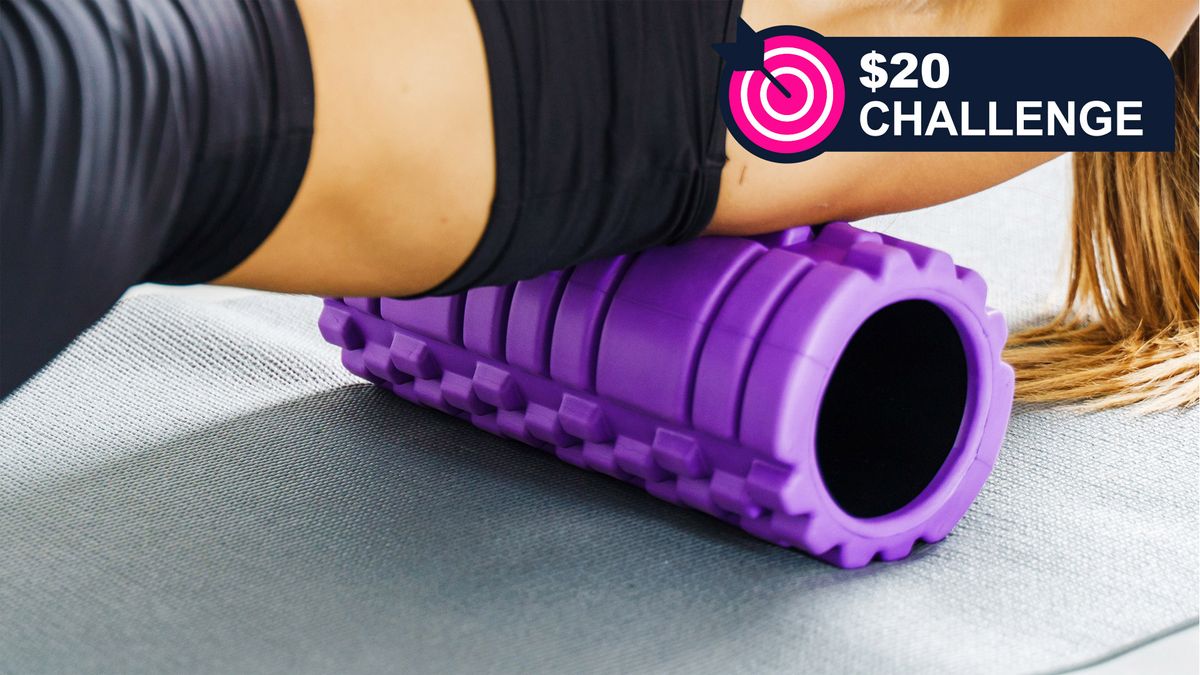
Foam rolling is a cost-effective way to improve mobility and aid in muscle recovery after intense exercise. It can increase joint range of motion and help reduce muscle soreness. While it may be painful at first, regular foam rolling can lead to improved flexibility, faster recovery, reduced muscle tightness, and increased blood flow to the muscles.

"The Pros and Cons of Casein Protein: A Comprehensive Guide"

Originally Published 2 years ago — by Health.com

Featured image for "The Pros and Cons of Casein Protein: A Comprehensive Guide"
Source: Health.com

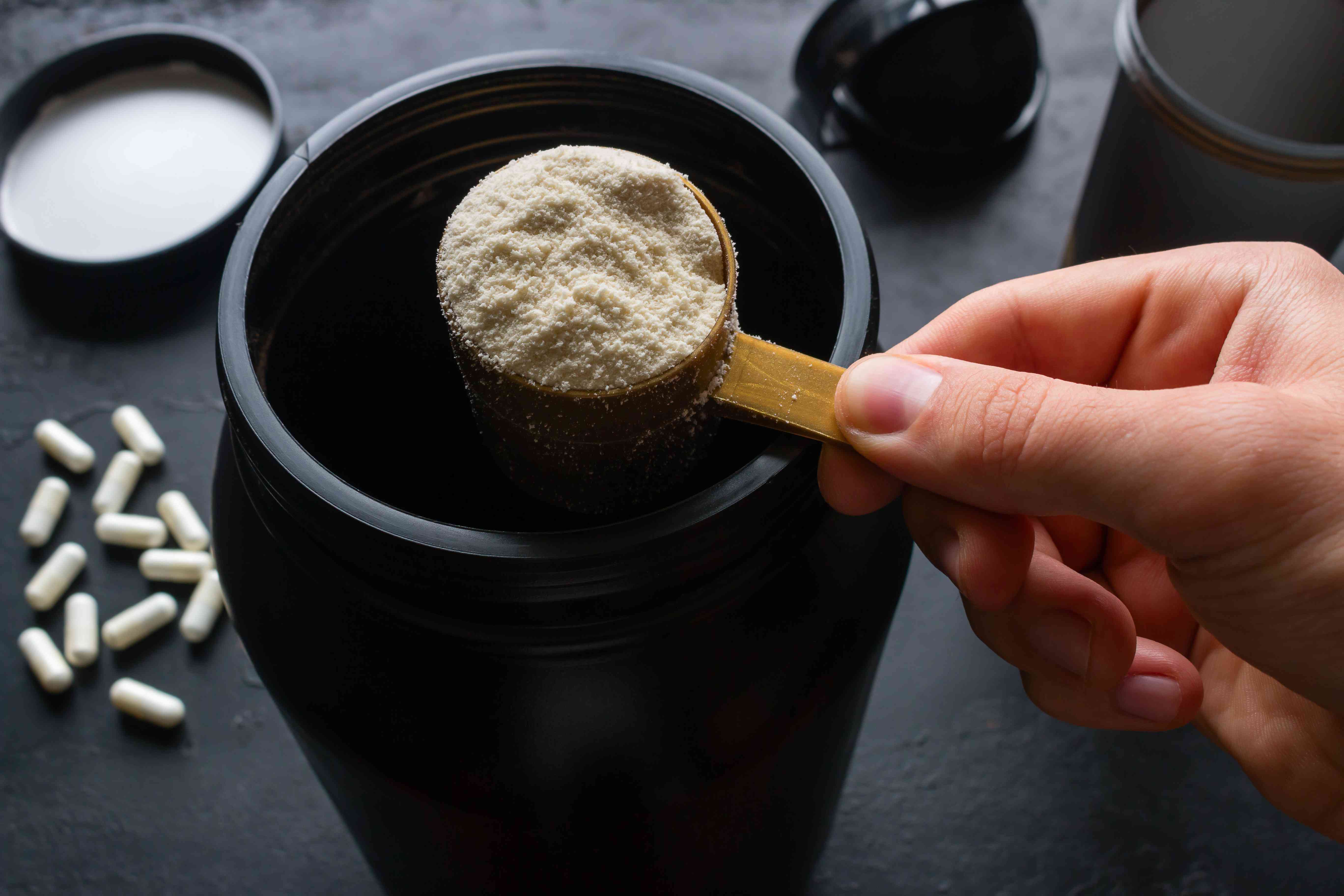
Casein protein, a complete source of protein found in cow's milk, can help improve muscle growth and recovery, especially when combined with resistance training. It is also high in calcium, which supports bone health. Casein protein powder can be added to various foods and beverages, making it a versatile option for those looking to increase their protein intake. However, it is important to be mindful of potential allergies, excessive consumption, and the availability of alternative protein sources.

"Unlocking the Secrets: Science-Based Methods for a Powerful Chest"

Originally Published 2 years ago — by BOXROX

Building a muscular and strong chest requires a scientific approach. The three best science-based methods for chest muscle growth are progressive resistance training (PRT), compound exercises, and proper nutrition and diet. PRT involves gradually increasing resistance to challenge the chest muscles, while compound exercises engage multiple muscle groups simultaneously. Nutrition and diet play a crucial role in providing the necessary fuel and nutrients for muscle growth. Adequate rest and recovery, along with tracking progress and making informed adjustments, are also important. By following these methods, individuals can achieve a strong and muscular chest efficiently and effectively.