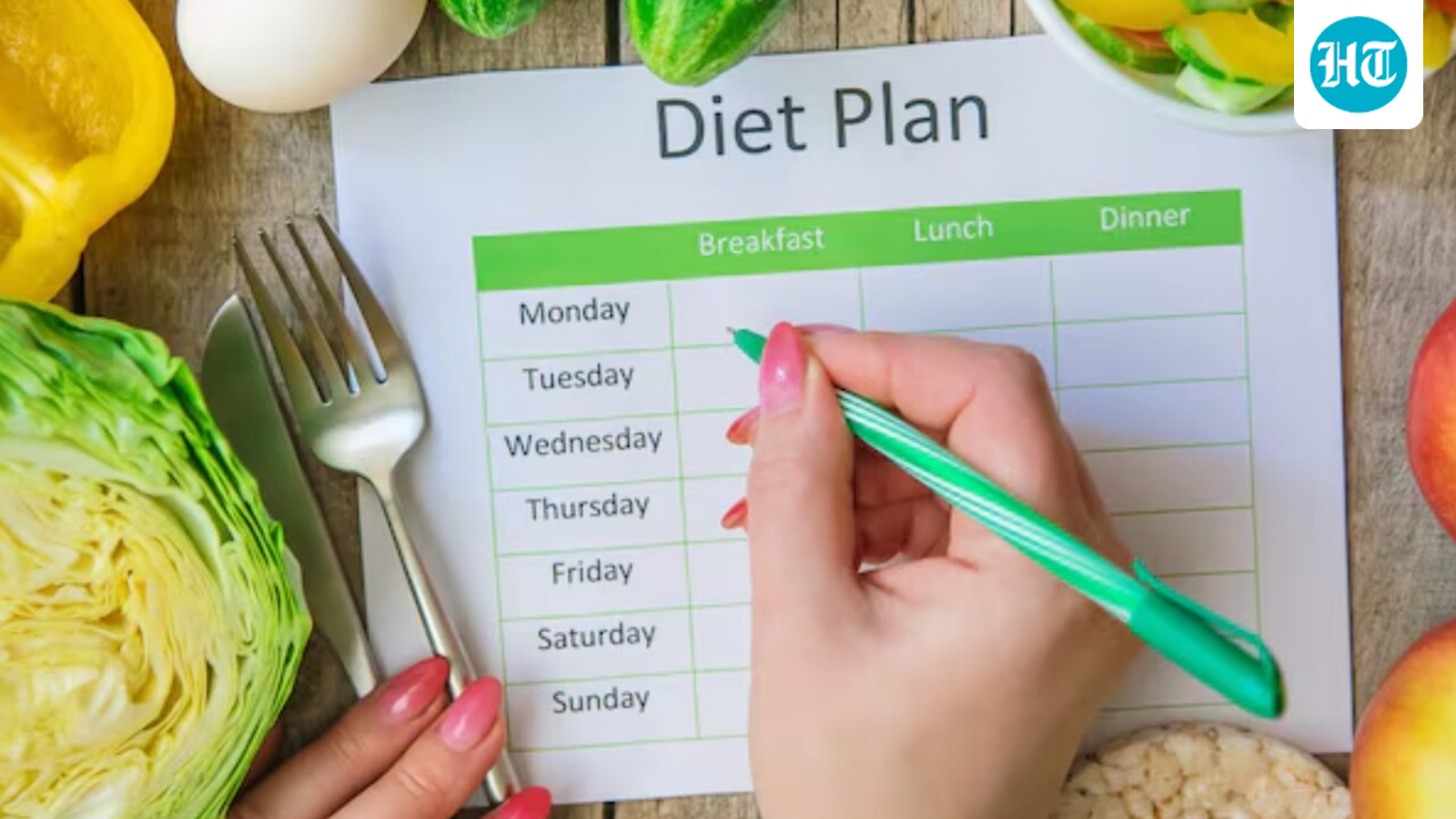
A clinical nutritionist shares a balanced 7-day diet plan designed to promote fat loss, control cravings, and support overall health by emphasizing high protein, fiber, healthy fats, and low glycemic foods, combined with lifestyle factors like exercise and sleep for effective weight management.
Dr. Jeremy London, a heart surgeon with 25 years of experience, shares four unconventional strategies to improve eating habits in 2026: reorganize your environment to make healthy foods more accessible, prepare meals in advance to reduce impulsive choices, reward yourself for small wins to stay motivated, and share progress with others for accountability. These small, intentional changes aim to create sustainable, healthier eating habits without drastic restrictions.
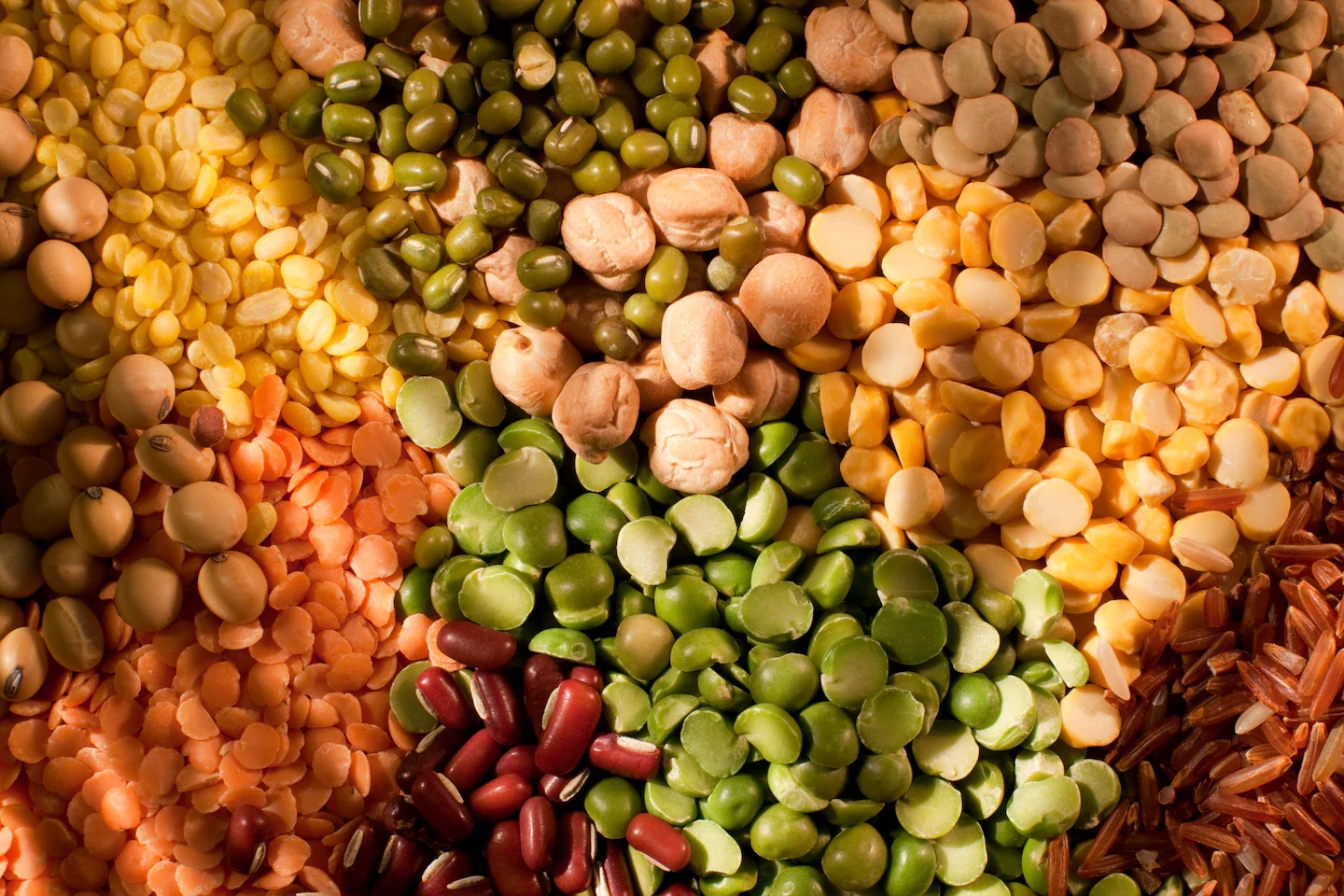
A quiz based on the Mayo Clinic's Mini Eating Assessment Tool helps individuals evaluate their diet's healthiness, offering science-backed advice to improve eating habits and potentially increase lifespan by focusing on fruits, vegetables, whole grains, seafood, nuts, and legumes.
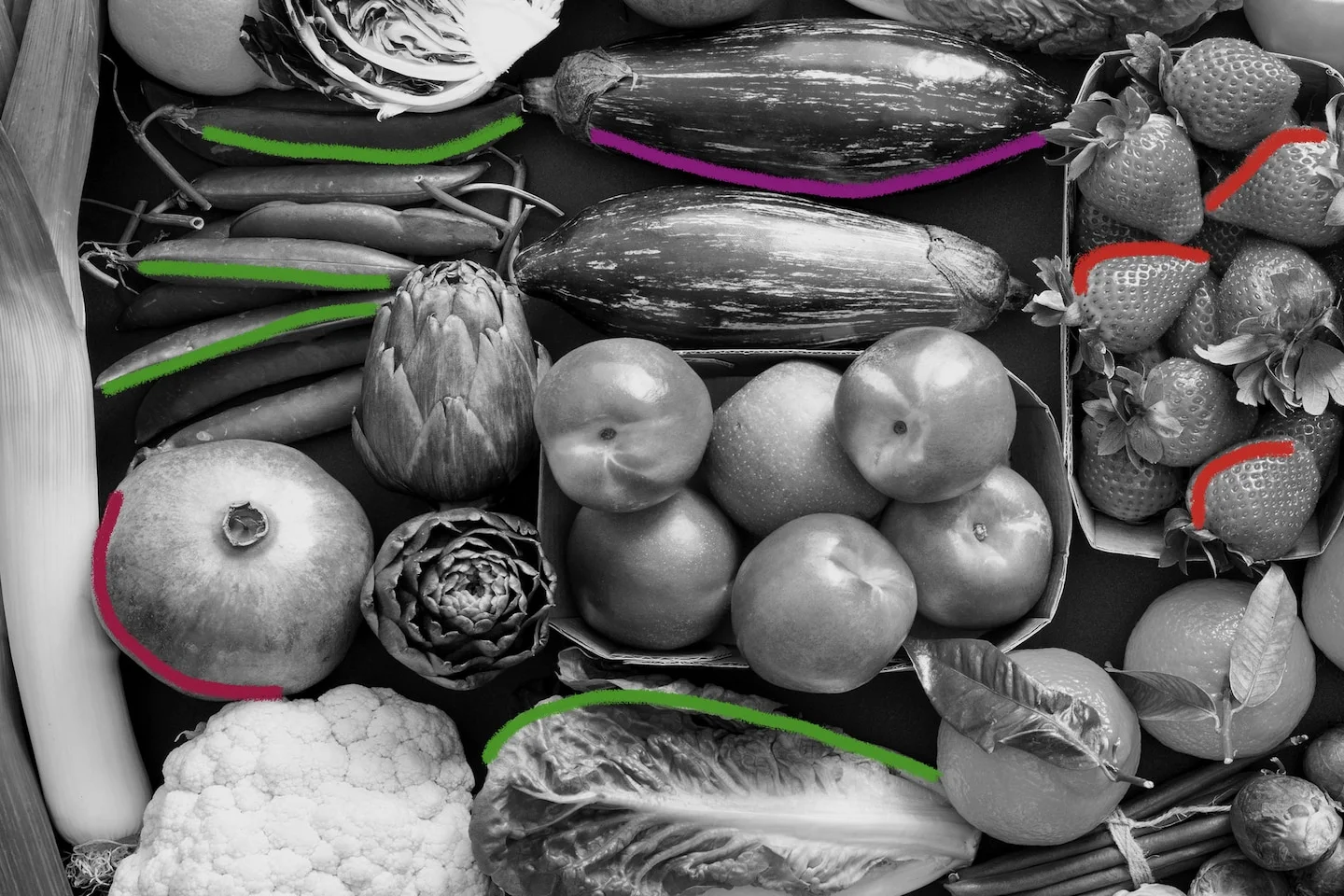
The article offers five practical tips for starting the new year healthily, including eating more colorful vegetables, incorporating plant-based proteins like tofu, reducing sugar and saturated fats, increasing fiber intake, and staying hydrated, with easy recipes to help implement these habits.
The article emphasizes the importance of taking a proper lunch break to recharge, suggesting small, manageable activities like a 10-minute walk, maintaining routine with some variety, and choosing balanced, nourishing meals to sustain energy and focus throughout the day. It also highlights the benefits of stepping away from work to improve mental health and productivity.
Many processed foods and 'healthy' products contain hidden added sugars that can be disguised through clever marketing and alternative sweeteners. Consumers should carefully read nutrition labels, especially the added sugar content, and be cautious of seemingly healthy options like organic or plant-based products, which can still contain significant amounts of sugar. Reducing intake to less than 5-10% of daily calories is advisable, and choosing plain foods to add natural sweeteners is a healthier strategy.
To combat Christmas bloating, incorporate fermented foods for gut health, use ginger to stimulate digestion, eat oats for fiber and stability, enjoy papaya for enzyme support, and snack on apples for regularity, all while maintaining hydration and sleep to enjoy the festive season comfortably.
Chipotle launched its first-ever High Protein Menu in the US and Canada, featuring high-protein options like bowls, tacos, and a new snack cup with grilled Adobo Chicken, catering to the rising demand for protein-rich diets.
Orthorexia, an obsession with eating only 'healthy' foods, is on the rise and can lead to nutritional deficiencies, mental health issues, and social isolation. It is often driven by social media and diet culture, and is characterized by rigid food rules and moral judgments about food. Recognizing signs like food rigidity and social withdrawal is crucial, and treatment typically involves therapy and nutritional guidance. Awareness and professional help are key to managing this emerging disorder.
Orthorexia is an obsession with healthy eating that can lead to nutritional deficiencies, mental health issues, and social isolation. It is characterized by rigid food choices, avoidance of certain foods, and moral judgments about food, often influenced by social media and diet culture. Recognizing the signs and seeking professional help from therapists and dietitians is crucial for treatment and recovery.
Pune-based nutritionist Amita Gadre advises avoiding high-sugar amla candy, chyawanprash, calorie-dense dry fruit laddus, sodium-rich ready-made soups, and excess ghee during winter to maintain health and avoid weight gain, recommending instead fresh, homemade, and moderate intake of nutritious foods.
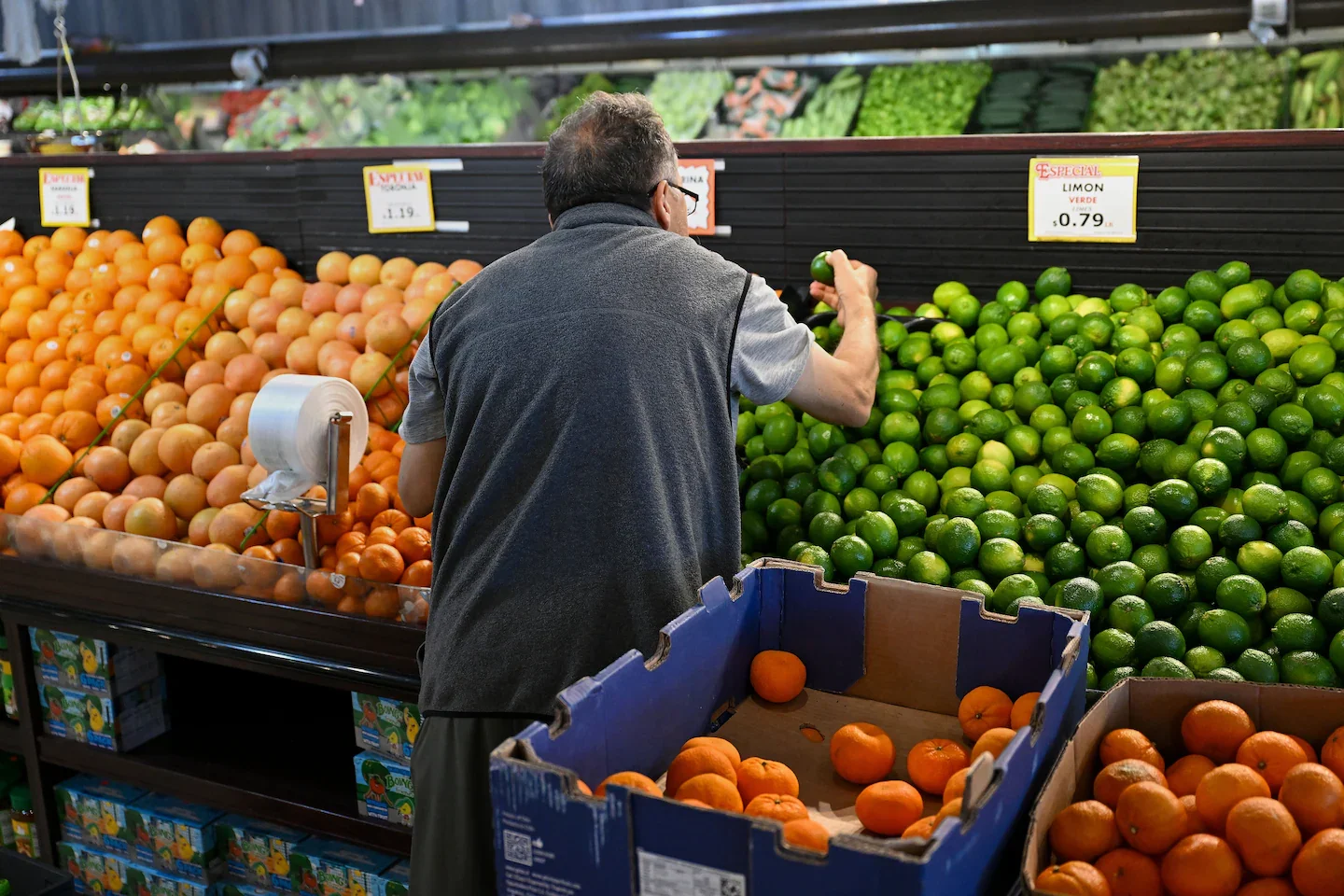
Nutritionists recommend focusing on nutrient-dense foods like citrus fruits, leafy greens, berries, garlic, ginger, beans, and whole grains to support immune health during winter. Staying hydrated with warm liquids, preparing easy-to-make meals, and incorporating snacks rich in immune-boosting nutrients can help manage cold and flu season effectively.
Hunter Stoler, a NYC-based nutrition coach, advocates for a high-fiber, high-protein yogurt bowl as his daily breakfast, emphasizing its benefits for energy, mood, and satiety, and highlighting the importance of balanced, flexible morning meals for overall health.
The article highlights five nutrient-rich foods—mustard greens, gond (edible gum), Indian gooseberries, sesame, and fresh turmeric—that can help boost immunity and protect against winter illnesses, according to top nutritionist Suman Agarwal.
Canned vegetables are often misunderstood; they are nutritionally comparable to fresh vegetables, especially since they are canned at peak ripeness, preserving essential nutrients. While they may lose some heat-sensitive vitamins, they retain fiber, minerals, and antioxidants, and can be a convenient, affordable, and nutritious addition to a balanced diet. Choosing low-sodium and BPA-free options, and rinsing canned veggies can further enhance their health benefits.