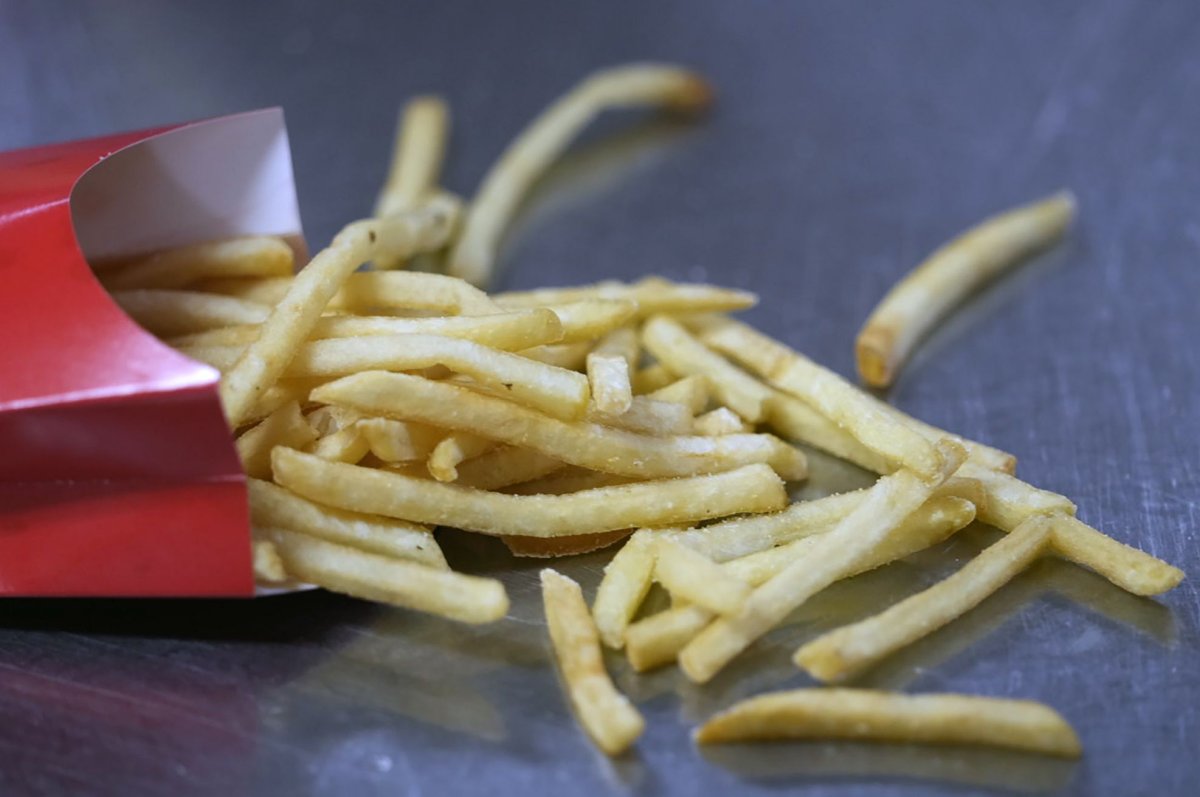
A Harvard study found that eating French fries is linked to a 20% increased risk of developing type 2 diabetes, unlike other potato preparations like baking or boiling. The study emphasizes that how food is prepared is as important as what is eaten, with deep-frying being particularly harmful. Replacing French fries with whole grains can reduce diabetes risk by 19%, highlighting the importance of cooking methods and food choices in health outcomes.
Researchers studying Neanderthal bone tools and cut marks from two caves in Israel found evidence of distinct butchery techniques among different groups, suggesting that Neanderthals had varied food preparation preferences and cultural practices, even within the same region and time period.
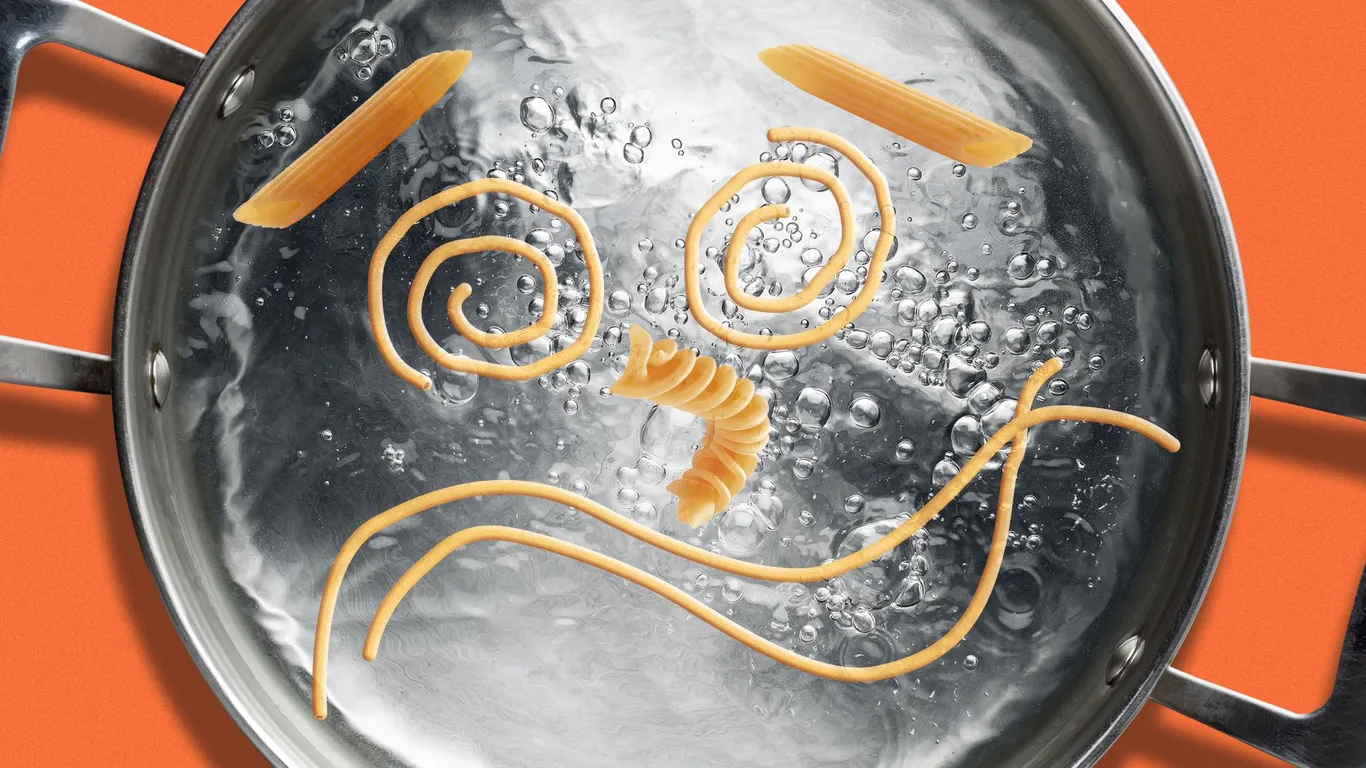
Cooking pasta al dente, or 'to the tooth,' is healthier because it has a lower glycemic index, requires more chewing for better digestion, and helps maintain nutritional value, making it a better choice for blood sugar control and overall health.
The r/Cooking community shared commonly ignored cooking advice, including salting eggs before cooking, not discarding moldy cheese, and using less water when boiling pasta. Other tips included using salted butter, not rinsing chicken before cooking, and disregarding sugar measurements in baking. Additionally, some users debunked myths about using oil in pasta water, washing cast iron skillets with soap, and the necessity of black pepper in dishes.
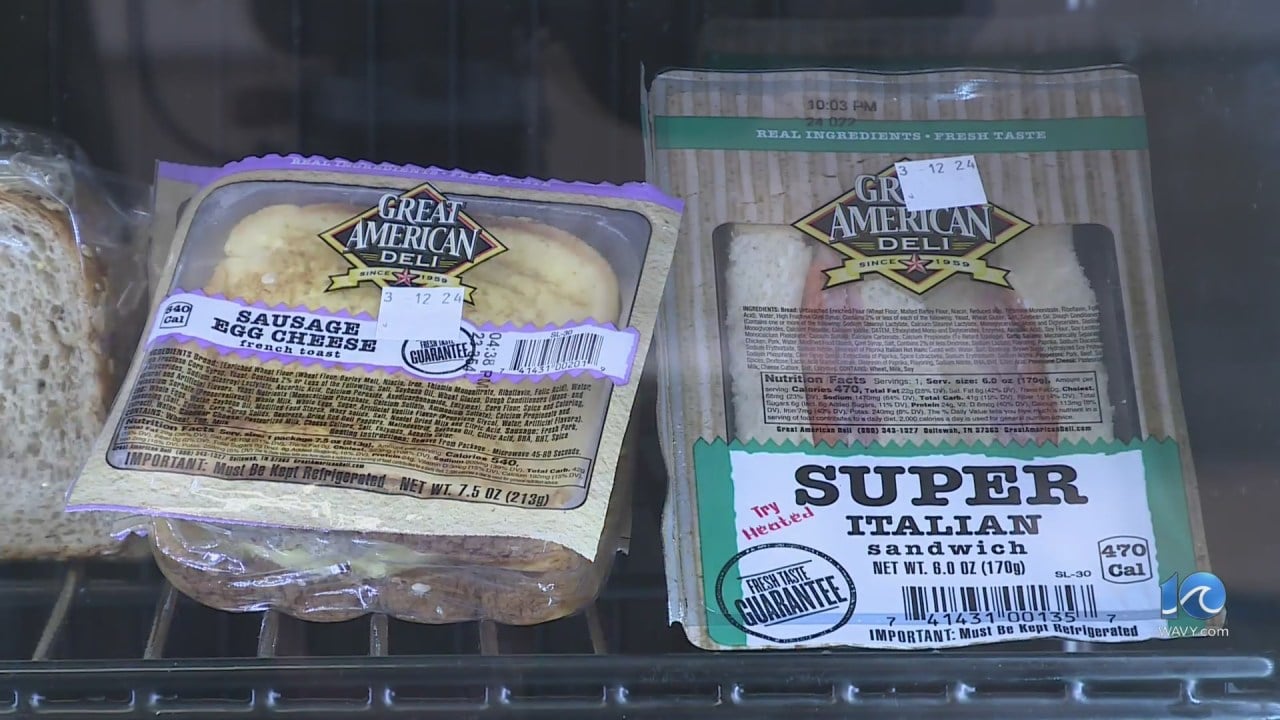
A team of international researchers found that ultra-processed foods are linked to over 30 health conditions, including heart disease and anxiety, based on studies involving 10 million people. These foods account for a significant portion of daily energy intake in the US and are associated with increased risks of cardiovascular disease and mental disorders. Experts advise making small snack swaps and reading labels to improve overall health and reduce the consumption of these harmful foods.
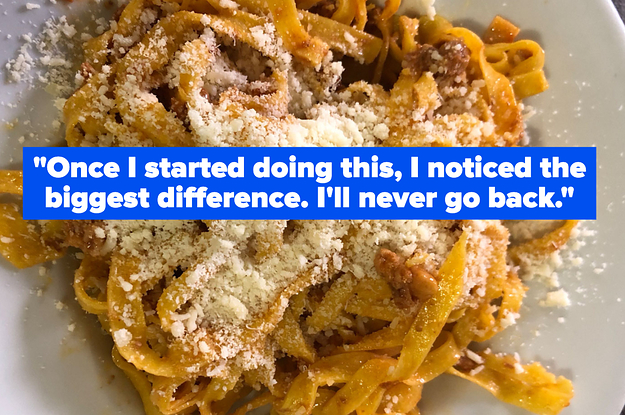
Redditor u/hurrellster asked for suggestions on foods that are better and cheaper to make at home than to buy from the store, and here are 15 popular responses from the community. The examples provided are meant to highlight the potential for tastier and more cost-effective options when made at home, acknowledging that pre-prepared foods are still valuable for those with disabilities or busy schedules.
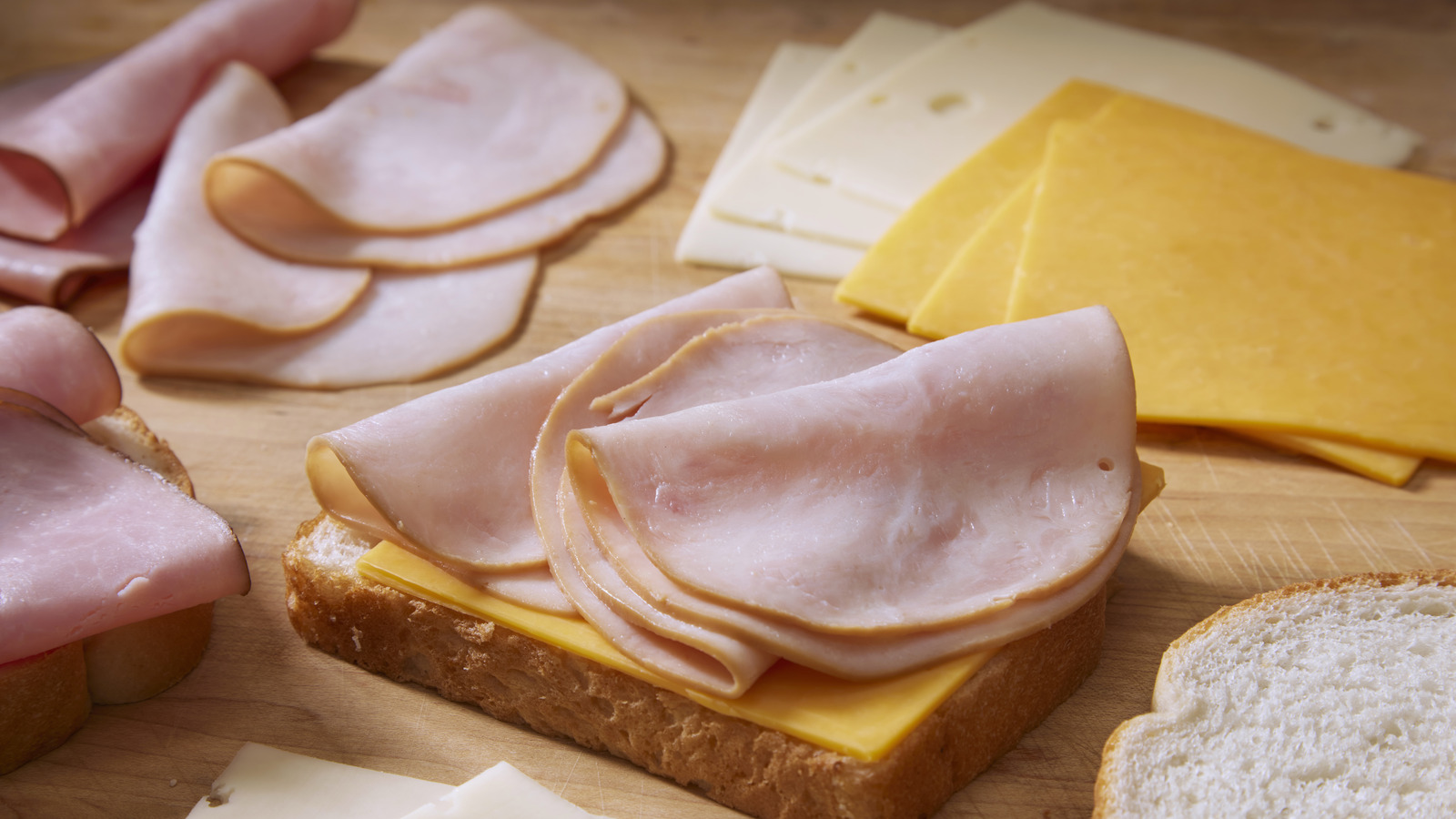
Making your own deli meat at home is easier than you think and offers numerous benefits such as being healthier, fresher, and more affordable than store-bought options. Chicken, turkey, and roast beef are great choices for homemade deli meat, and the process typically involves seasoning, roasting, and slicing the meat as thinly as possible. By avoiding preservatives and controlling the amount of salt used, homemade deli meat provides a tastier and healthier alternative to processed options.
Researchers from Kiel University have conducted the first archaeobotanical study of burnt food residues on 5,000-year-old ceramic vessels, revealing a diverse Neolithic diet in Eastern Holstein. The analysis showed evidence of cereals and wild plants, indicating a sophisticated preparation of plant-based foodstuffs. The findings suggest that Neolithic food was varied and flavorful, with cereals and dairy products likely processed into porridge for everyday use. This study expands our understanding of the transformation of plants into meals during the Neolithic period in north-central Europe.
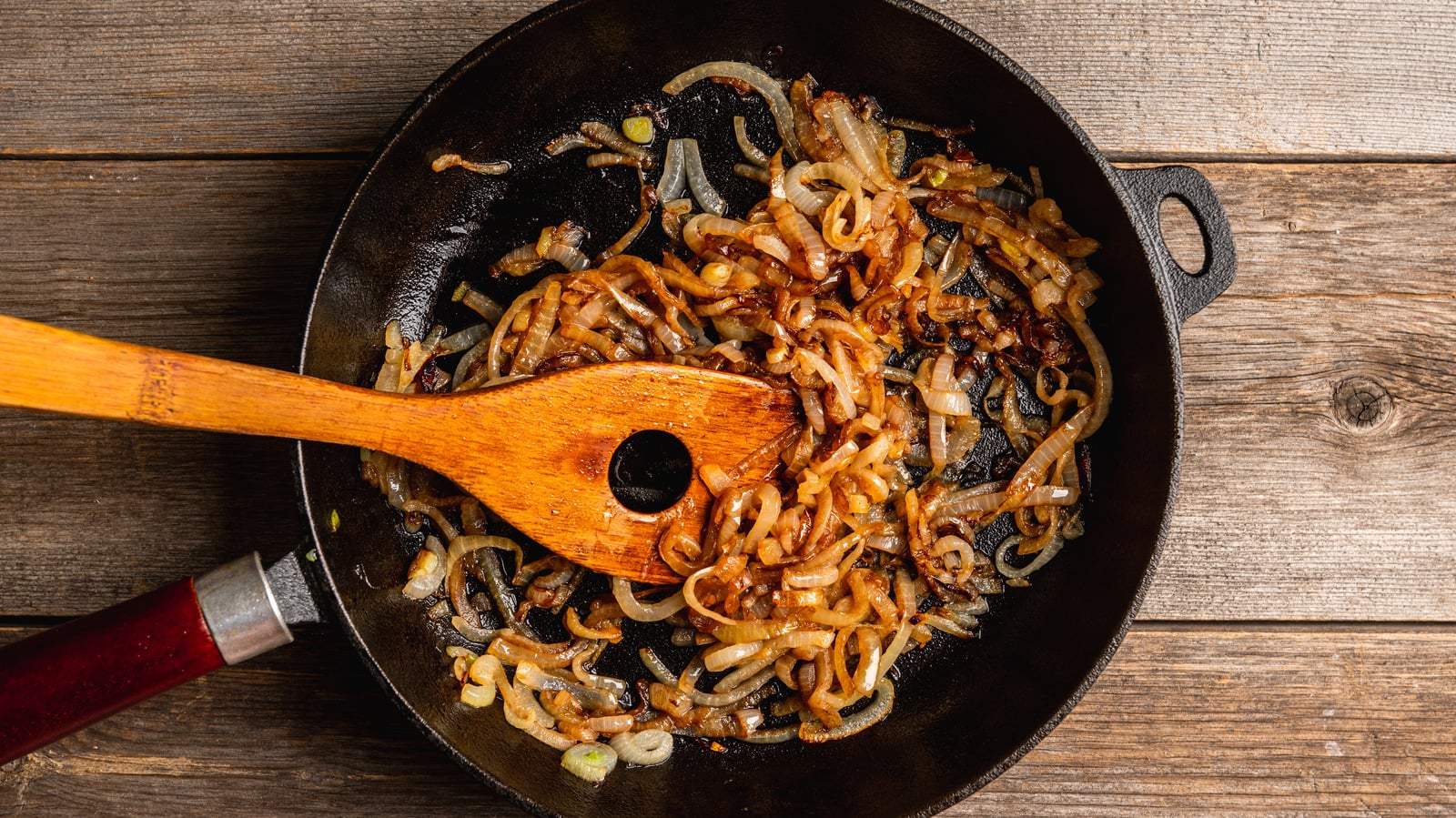
Caramelizing onions can transform their flavor from sharp to sweet and complex, but it's important to avoid common mistakes. Choosing the right type of onion, using low heat, slicing onions evenly, deglazing the pan, and being patient are crucial for successful caramelization. Adding salt and sugar, using the right skillet, and avoiding stirring too often are also important factors to consider when caramelizing onions.
Goffin's cockatoos, known for their problem-solving skills, have been observed dunking their food, specifically dry toast, into water before eating it. This behavior, documented for the first time in parrots, is seen as an innovation in food preparation. The birds sometimes wait for the toast to soften, displaying impulse control. While the behavior has not been observed in wild cockatoos, researchers are interested in studying whether they would exhibit the same behavior if given the opportunity.
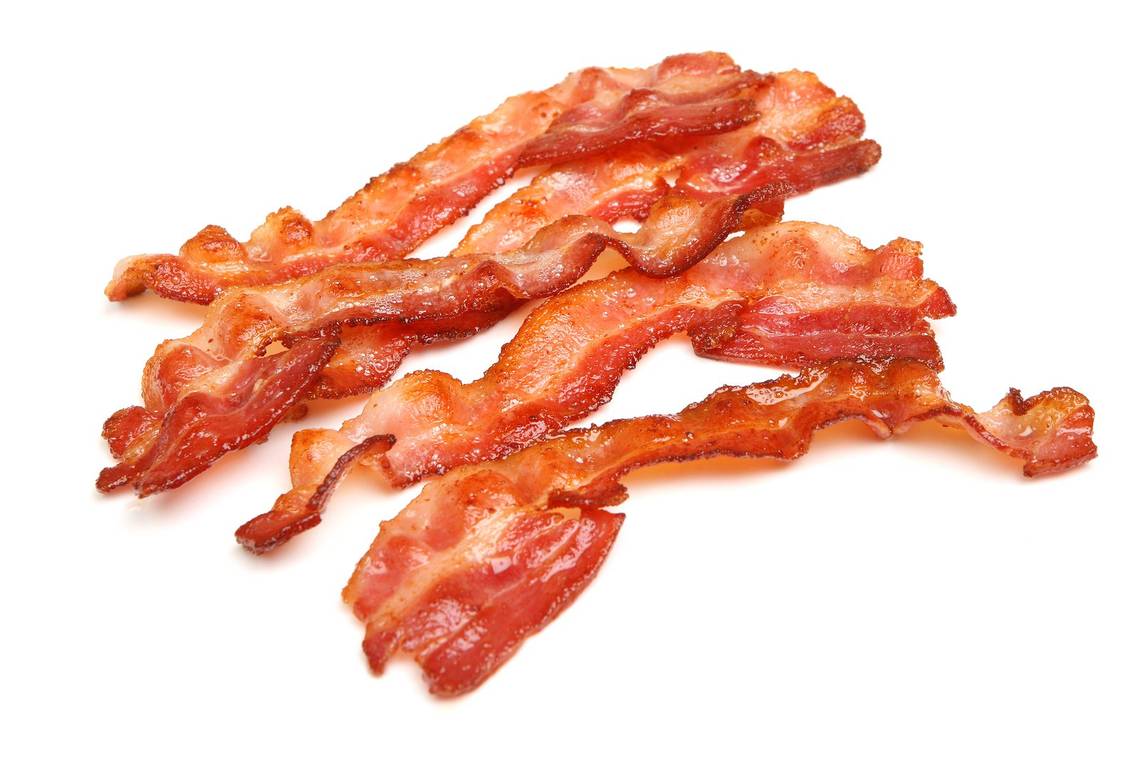
Advanced Glycation End Products (AGEs) are formed in the body when fat and protein combine with sugar, and are also created when certain foods are cooked at high temperatures. Excessive AGEs have been linked to skin aging, inflammation, cardiovascular disease, and liver dysfunction. High-fat foods, processed meats, fried foods, and highly processed sugary foods are high in AGEs, while fruits, vegetables, and whole grains are low in AGEs. Cooking methods that brown foods, such as barbecuing, grilling, frying, and toasting, increase the production of AGEs. Balancing the intake of foods with AGEs is important for overall health.
Advanced Glycation End Products (AGEs) are formed in the body when fat and protein combine with sugar, and are also created when certain foods are cooked at high temperatures. Excessive AGEs have been linked to skin aging, inflammation, cardiovascular disease, and liver dysfunction. High-fat foods, processed meats, fried foods, and highly processed sugary foods are high in AGEs, while fruits, vegetables, and whole grains are low in AGEs. Cooking methods that involve high heat or browning foods, such as barbecuing, grilling, frying, and toasting, increase the production of AGEs. Balancing the intake of foods with AGEs is important, especially for individuals with diabetes who are at a higher risk of producing too many AGEs.
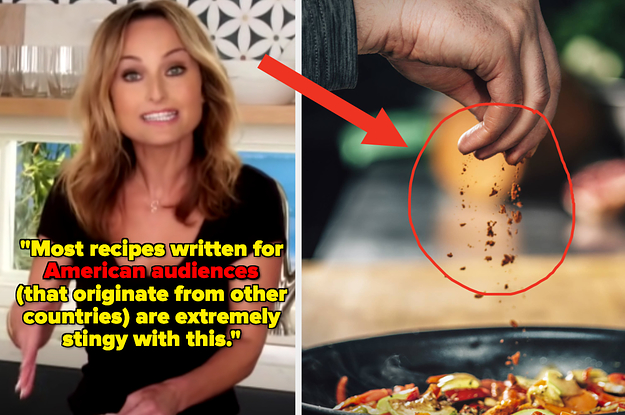
Redditors have shared various small habits that have significantly improved their home cooking skills. These habits include adding finishing salt to desserts, brining meat, switching to chicken thighs, steaming sunny-side-up eggs, shredding cheese from blocks, toasting and grinding whole spices, keeping recipe notes, cleaning as they cook, removing food from heat before it's fully cooked, sharpening knives regularly, reading multiple versions of a recipe, using less heat, incorporating acidic ingredients, mastering cooking techniques, using a digital cooking thermometer, washing and storing produce immediately, reading recipes thoroughly, using mirepoix and soffritto, using a bowl for discarding leftovers, understanding proper cooking techniques for different cuts of meat, balancing fat, salt, heat, and acid, using soy sauce in various dishes, being generous with seasonings, browning meat before slow cooking, practicing mise en place, not flipping food too often, tasting as they go, keeping it simple in the kitchen, and deglazing the pan after cooking.
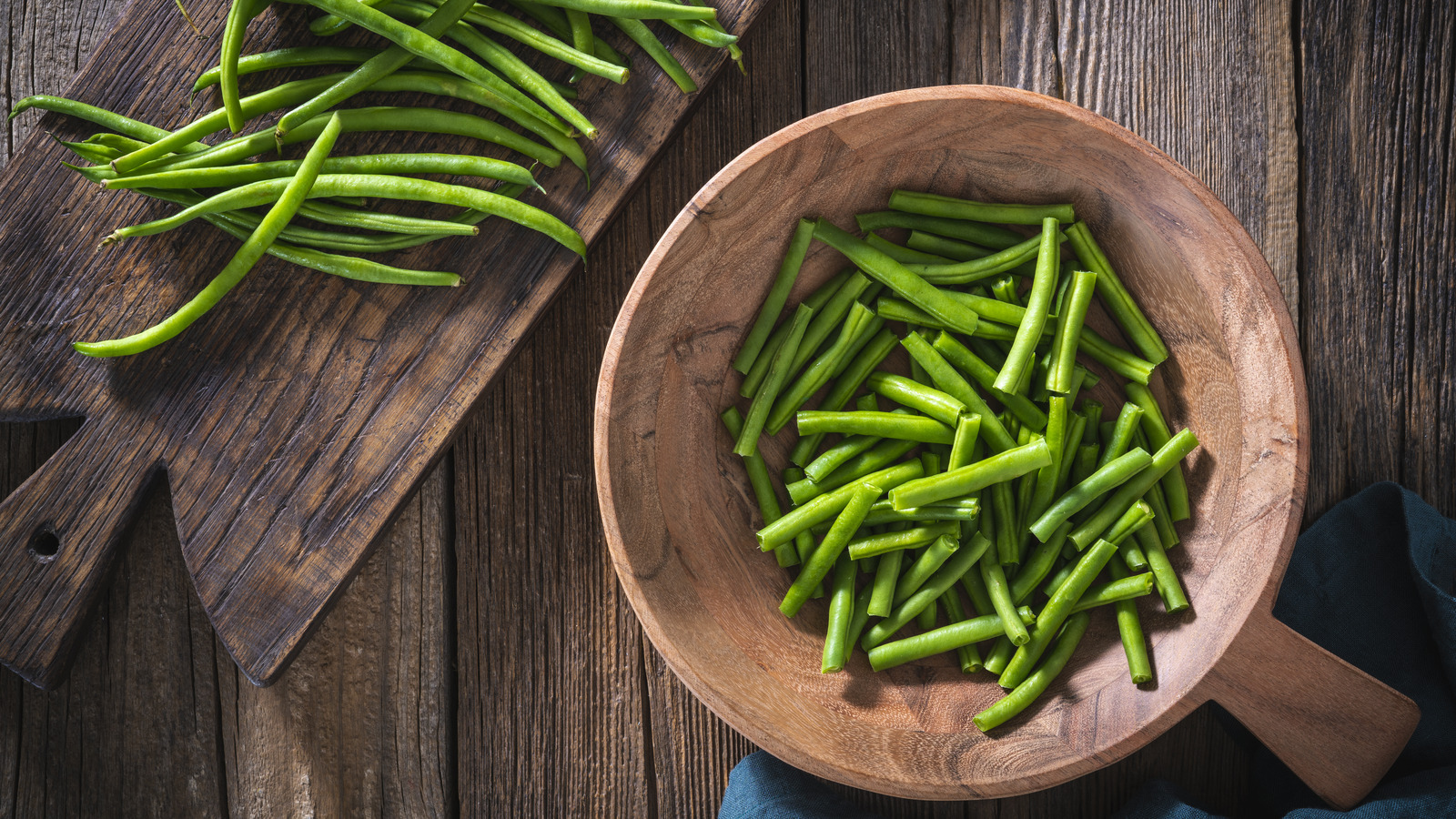
There are two different ways to cut green beans: the regular cut and the French cut. The regular cut involves trimming the ends off with a straight cut, while the French cut, also known as julienne, requires thinly slicing the entire beans into strips. The French cut is more time-consuming and requires technique, but it results in a delicate and tender version of the original green beans. There are various methods to achieve the French cut, including using a knife, a food processor with a slicer blade, or a green bean slicer.
Reddit users share their experiences of strange and revolting cooking habits, including cooking rice that was used to dry a phone, not washing produce, reusing water bottles without washing, and leaving meat out to thaw for hours. Other habits include boiling hamburger patties before frying them, using the smoke alarm to determine when eggs are done, and not following basic cooking directions resulting in dry or runny dishes.