Expert interviews highlight key diet tips including eating a variety of plant-based foods, focusing on fiber and protein, making healthy food choices accessible, and maintaining a balanced, sustainable diet to improve overall health and gut health.
The article discusses the rise of protein-enriched foods, explores the origins of the protein obsession, and offers guidance on how much protein to consume daily for a balanced diet.
The article explains that the recommended daily protein intake varies based on individual factors, generally around 0.8-1.2 grams per kilogram of body weight, emphasizing the importance of balanced consumption spread throughout the day, and warns against excessive intake while highlighting the role of protein in overall health.
Consuming more protein than the recommended amount offers no additional muscle benefits and can lead to health issues like weight gain and kidney strain, especially if sourced mainly from animal products high in saturated fats. A balanced intake from both plant and animal sources, aligned with dietary guidelines, is best for overall health.
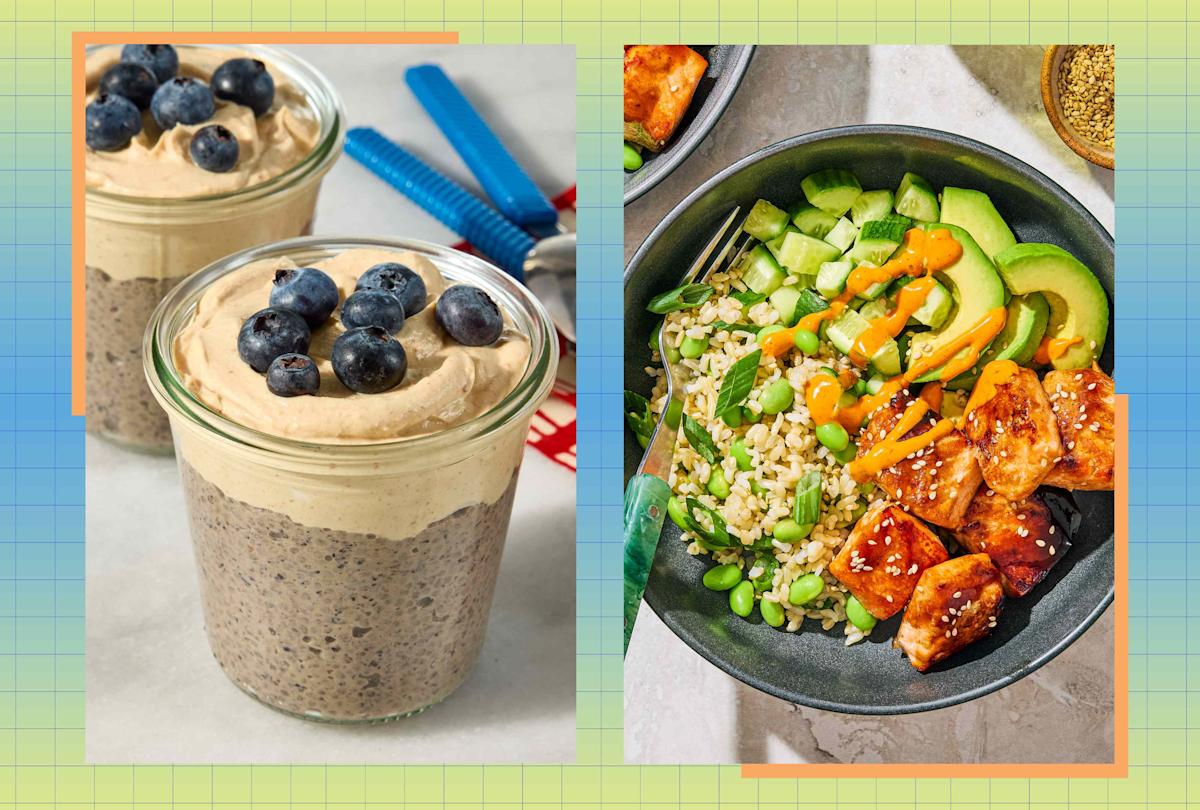
A 5-day, customizable high-protein, high-fiber meal plan designed by a dietitian provides balanced, satisfying meals at 1,800 calories with options for 1,500 and 2,000 calories, emphasizing lean proteins, grains, fruits, vegetables, and legumes to support overall health and energy.
Experts warn that most people in developed countries already consume sufficient protein and that the obsession with increasing protein intake is misguided; a balanced diet rich in plant-based foods and regular strength training are more effective for health than simply eating more protein or processed foods.
The article warns about the health risks of the 'fibermaxxing' trend, which involves consuming excessive fiber—often through supplements—potentially leading to digestive issues and nutrient absorption problems. While fiber is essential for health, overdoing it, especially rapidly or without proper hydration, can be harmful. Experts recommend sticking to current guidelines and obtaining fiber from natural food sources for optimal health benefits.
Experts emphasize that while protein is essential for body repair, immune function, and structural health, most people meet the minimum recommended intake, but aiming for 1.2 to 2 grams per kilogram of body weight may be more beneficial for overall health and aging. It's important to balance protein consumption with other nutrients and prioritize whole food sources like fish, eggs, beans, and dairy over processed options.
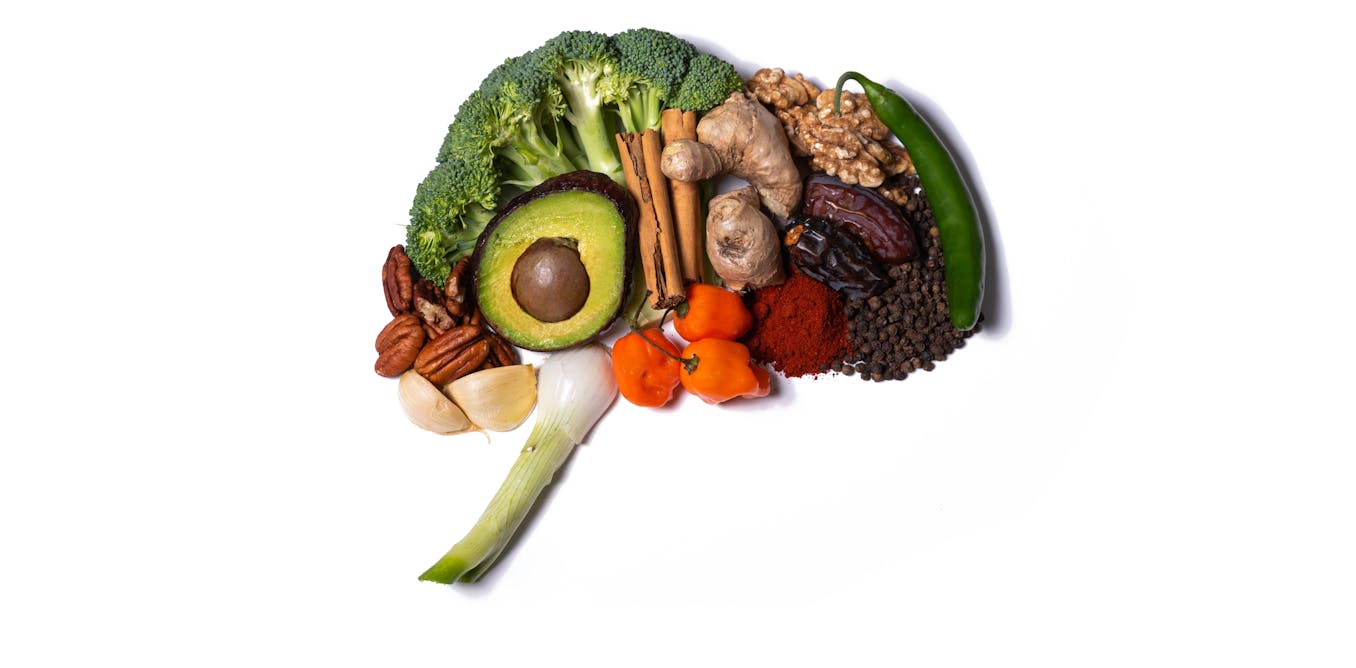
A new study suggests that following a balanced dietary pattern has the best effects on brain health, impacting mental health, cognitive function, metabolic biomarkers, and brain structure. The study examined four dietary patterns and found that a balanced diet containing various food types saw the most overall benefit in brain health. Researchers noted genetic differences among different dietary groups and emphasized the importance of making wise nutritional choices to improve brain function and mental health outcomes. While the study has limitations, it adds to the evidence suggesting that what people eat affects multiple areas of health and highlights the significance of following healthy dietary patterns to support positive outcomes for brain health.
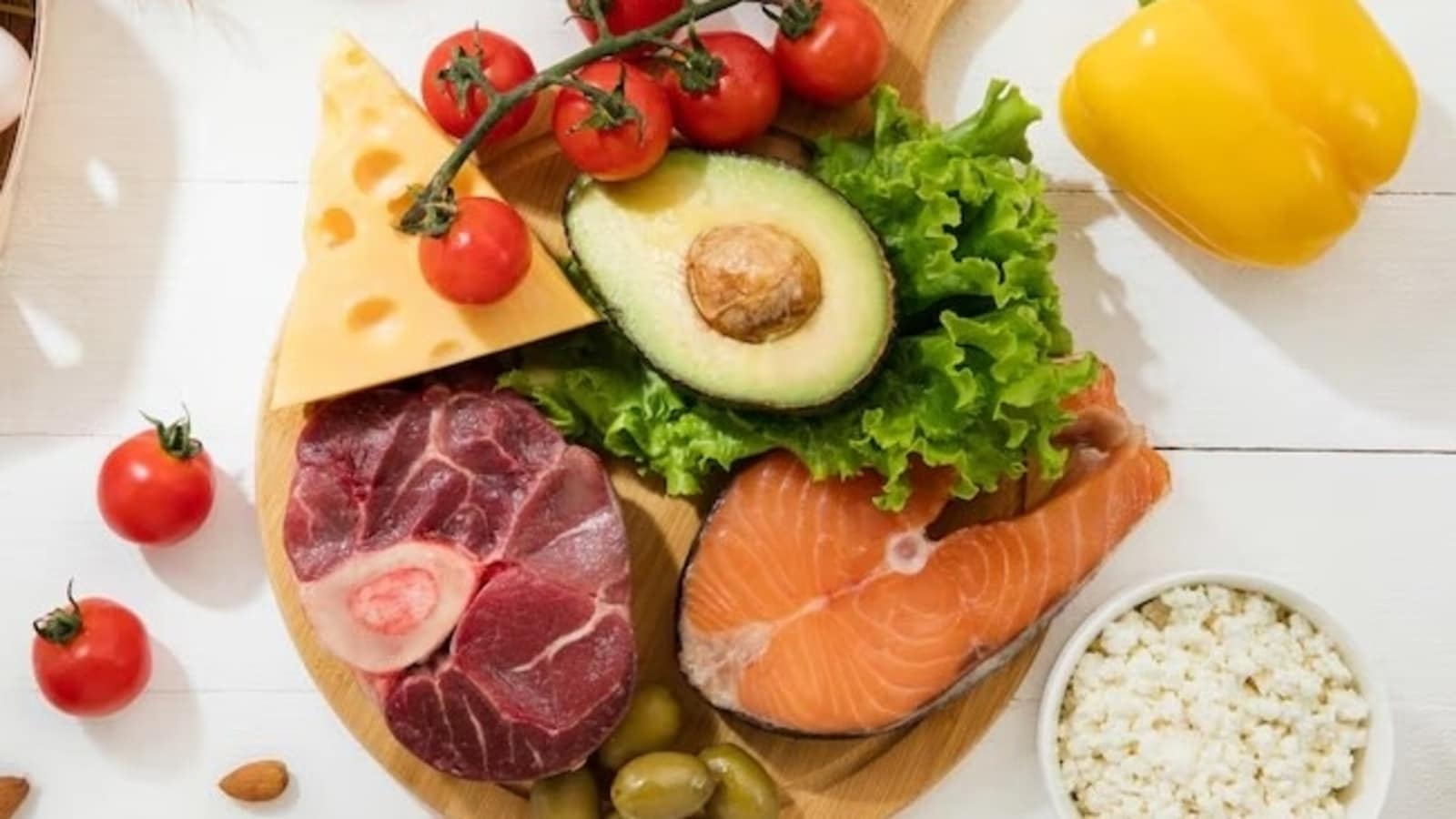
Food preferences are shaped by genetics, culture, and personal experiences, and play a significant role in shaping dietary habits. A preference for highly palatable but unhealthy foods has contributed to a global increase in obesity, which is linked to a higher risk of physical and mental health conditions. A study of 181,990 participants found that those with a balanced diet had better brain health, cognitive function, and mental health compared to those with low-carb, vegetarian, or high protein/low fiber diets. The Mediterranean and Mind diets, which promote a balanced mix of foods, have been shown to improve brain health and cognition. Genes may partly determine food preferences, which in turn affect brain function, but establishing healthy food preferences and an active lifestyle early in life is vital. Social support, cognitive behavioral therapy, and distraction techniques can help encourage adherence to healthy eating habits, and affordable healthy eating options should be prioritized by governments.
Dr. Shailesh Gondane emphasizes the importance of protein intake for individuals with sedentary lifestyles, recommending a balanced diet to support overall health and well-being. He provides a list of top 10 protein-rich foods tailored for sedentary individuals, including chicken, fish, eggs, cheese, lentils, beans, tofu, nuts and seeds, Greek yogurt, and quinoa. Dr. Gondane also highlights the need for personalized protein intake based on age, health conditions, and kidney function, advising caution for sedentary individuals while emphasizing the higher protein requirements for physically active individuals.
Dietitians recommend adding "bad" high-calorie foods like whole eggs, whole milk, pasta, potatoes, cheese, nuts and seeds, and salad dressing to your diet, as they are nutrition powerhouses and can provide essential nutrients like protein, vitamins, and minerals. Instead of solely focusing on calorie content, consider the overall nutrient composition of foods to make balanced and healthy dietary choices.
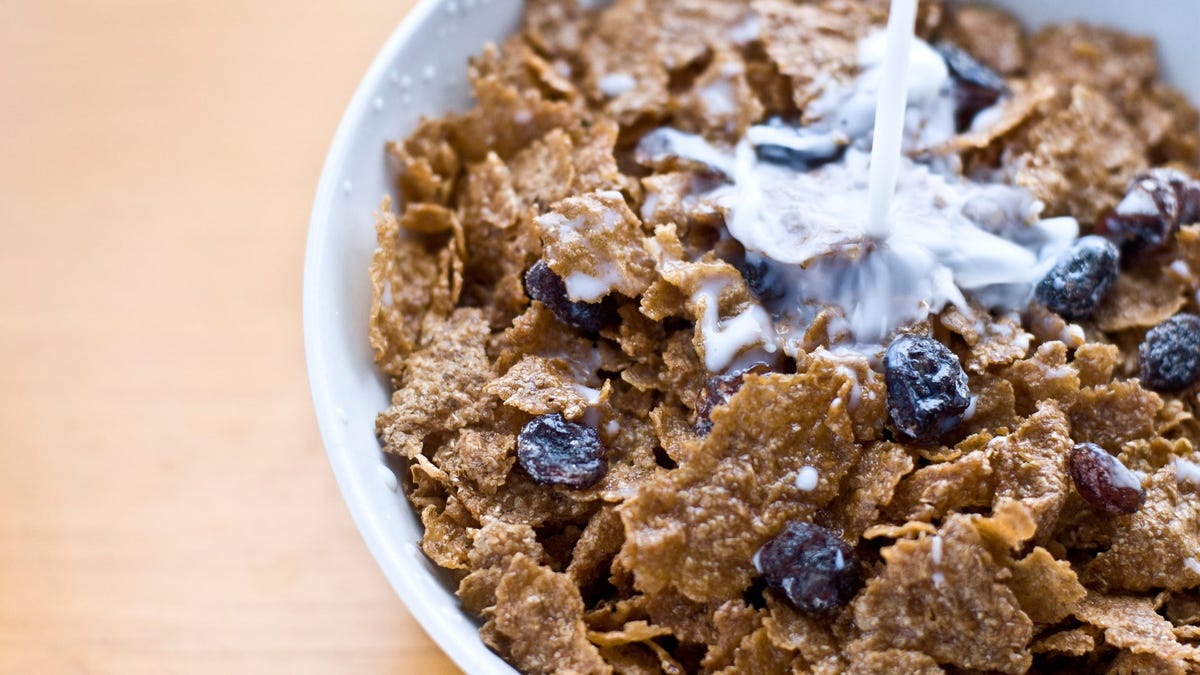
Bran, the hard outer coating of grains, is rich in fiber, vitamins, and minerals, making it beneficial for digestion, colon health, and heart. While incorporating more bran into the diet is recommended, experts emphasize the importance of balance and note that refined grains are not necessarily bad. The USDA suggests making half of daily grain intake whole grains, but it's not necessary 100% of the time. Overall, it's about choosing minimally refined grains most of the time while allowing room for indulgence to maintain a sustainable diet.
Nutrition experts suggest that while whole grains are generally more nutritious and filling due to their intact bran and germ, the demonization of refined grains lacks substantial scientific evidence. While it's beneficial to prioritize minimally processed grains, it's not necessary to do so 100% of the time. The idea that consuming refined grains leads to serious diseases isn't fully supported by scientific research, and balance is key in building a sustainable and healthy diet.
Maya Vadiveloo, a nutrition professor and dietitian, emphasizes balance and pleasure over perfection and rigidity in her own eating habits. She maintains a healthy diet by snacking on veggies, focusing on fresh, whole foods at the grocery store, reading nutrition labels on packaged foods, and getting creative with smoothies. As a single parent, she models healthy habits for her 8-year-old daughter while juggling a busy schedule studying food and helping others make healthier choices.