Tag

Glycemic Index

All articles tagged with #glycemic index

health24 days ago

Foods to Avoid for Stable Blood Sugar Levels

Eating heavy, refined, or sugary foods at dinner can cause sudden blood sugar spikes, especially in people with diabetes or insulin resistance. Key foods to avoid include white rice, potatoes, sugary sauces, white bread, desserts, canned foods, and sugary cereals. Instead, opt for low-glycemic carbs, lean proteins, healthy fats, and fiber, and finish meals 2-3 hours before bed to maintain stable glucose levels overnight.

health1 year ago

Top Superfruits to Manage High Blood Sugar

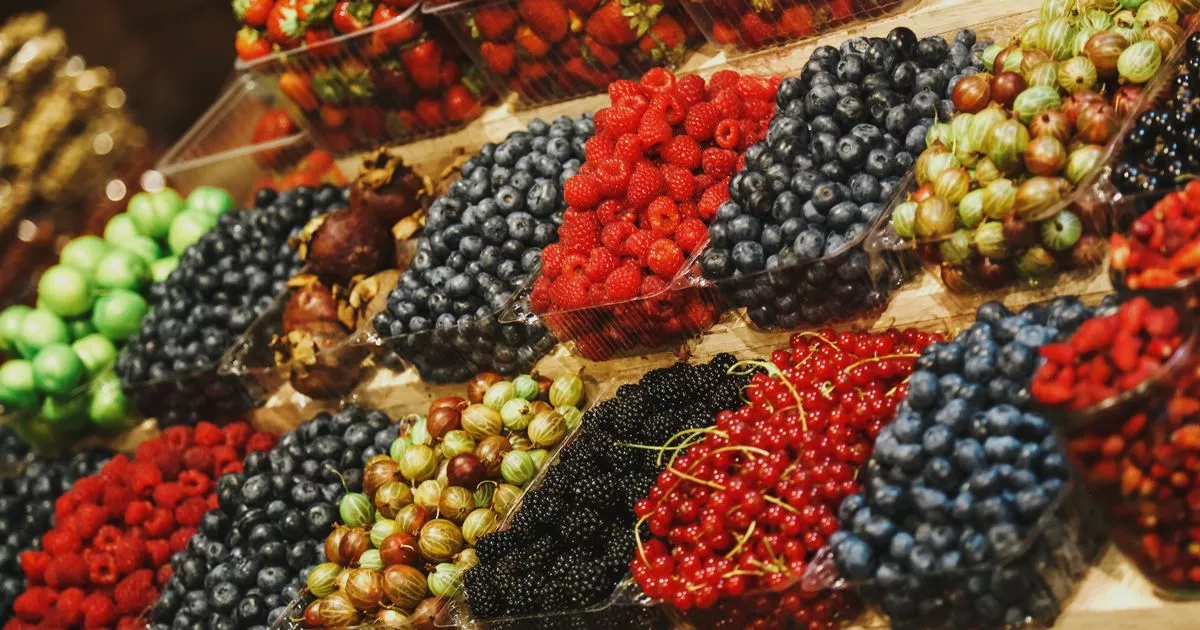
For individuals with high blood sugar levels, certain 'superfruits' like blueberries, blackberries, and strawberries are recommended due to their low glycemic load, which helps manage glucose levels. These fruits, rich in nutrients and polyphenols, offer health benefits such as improved blood pressure and heart health. Experts advise incorporating a variety of fruits to ensure a diverse intake of plant nutrients, while avoiding high glycemic fruits like dates and raisins.

health-and-wellness1 year ago

"Top 4 Low-Glycemic Fruits to Help Reduce Belly Fat"

Experts recommend fruits with a low glycemic index, such as berries, apples, pears, and citrus fruits, to support weight loss and reduce belly fat. These fruits provide fiber, vitamins, and antioxidants without causing significant blood sugar spikes. Additionally, complex carbohydrates like oats, barley, and legumes are effective for managing weight. While fruit is essential for a healthy diet, maintaining a calorie deficit is crucial for weight loss.

health-and-wellness1 year ago

"Transforming White Bread into a Healthier Option: A Doctor's Genius Hack"

Dr. Karan Rajan, a UK surgeon, suggests a clever hack to make white bread healthier by freezing it, defrosting it, and then toasting it, which can reduce the bread's glycemic index by almost double. Lowering the glycemic index leads to a more gradual rise in blood sugar levels and the formation of beneficial resistant starch. Dr. Rajan also recommends other ways to increase resistant starch intake, such as consuming green, unripe bananas and apple cores for improved gut health.

health-and-nutrition1 year ago

"The Nutritional Power of Red Potatoes: 5 Health Benefits Unveiled"

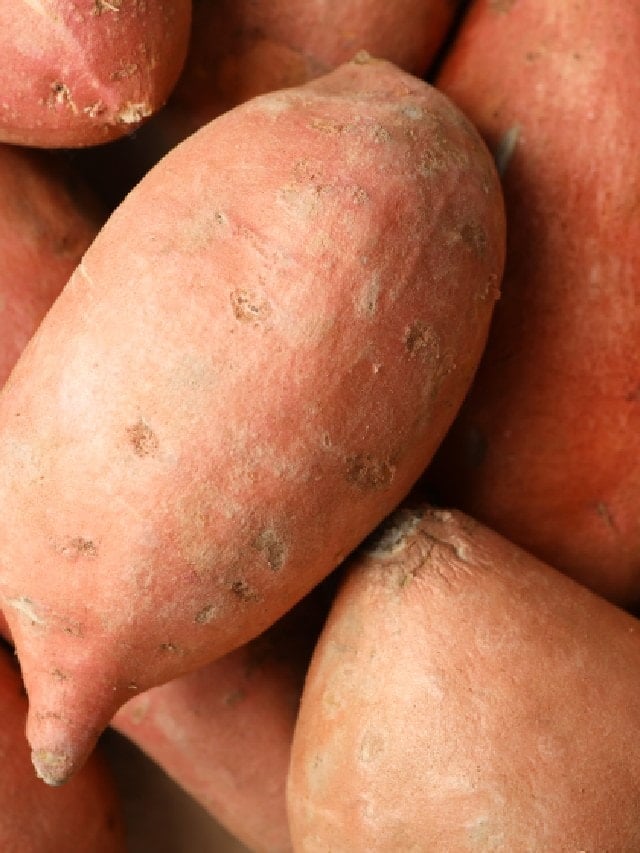
Red potatoes offer numerous health benefits, including being high in antioxidants due to their anthocyanin content, packed with fiber for improved digestion and blood sugar regulation, having a low glycemic index making them suitable for diabetes, providing a steady source of energy, and supporting heart health through their potassium content.

health1 year ago

"Top Fruits to Avoid for Diabetics"

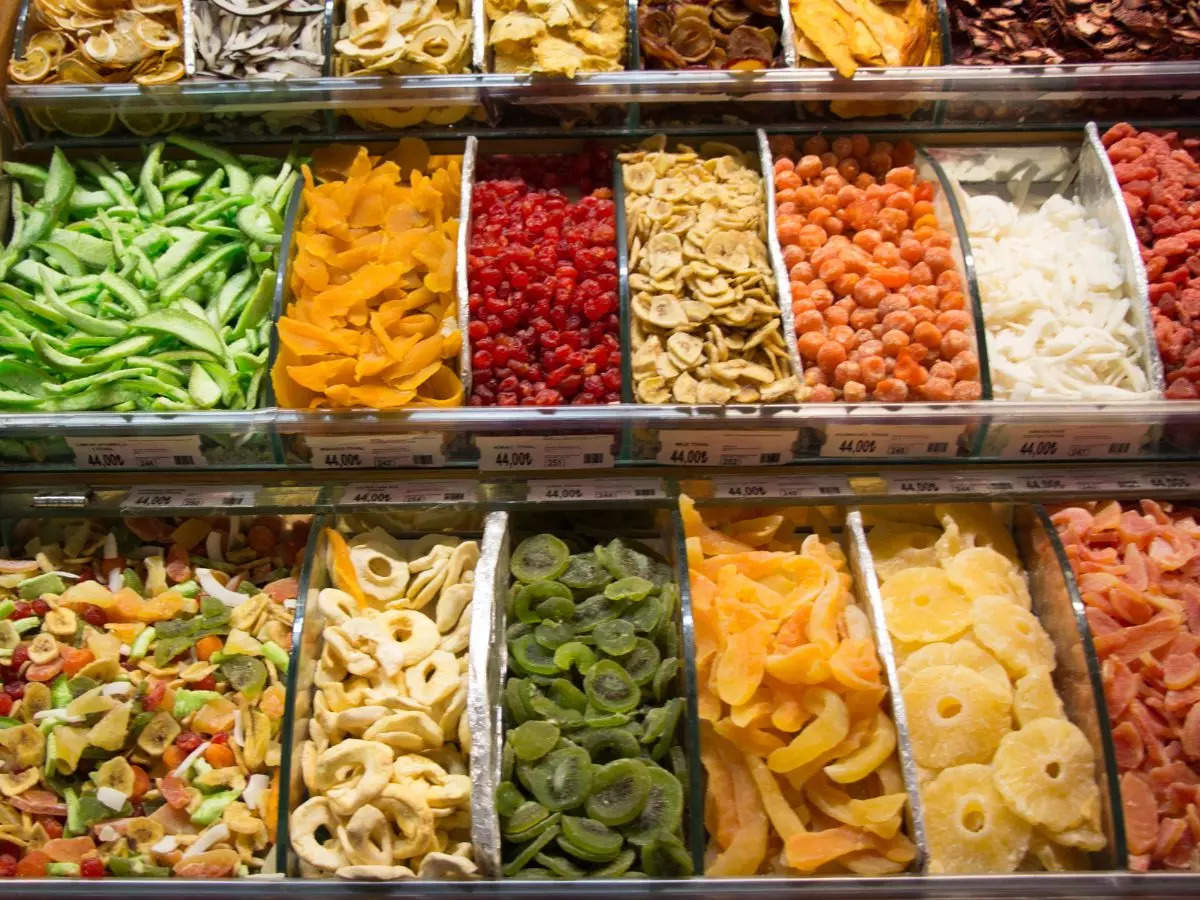
People with diabetes should be cautious about consuming certain dried fruits due to their high glycemic index and concentrated sugar content, which can lead to rapid spikes in blood sugar levels. Five dried fruits to avoid include raisins, dates, dried pineapple, dried mango, and sweetened cranberries, as they can contribute to increased blood glucose levels and potential health impacts.

health-and-wellness1 year ago

"Top 6 High-Fiber Fruits for Healthy Weight Loss"

Eating fruits can aid in weight loss due to their high fiber and water content, as well as their ability to satisfy sweet cravings. Some of the best fruits for weight loss include grapefruit, apples, avocados, and watermelon. These fruits are low on the glycemic index, which means they digest slowly, preventing blood sugar spikes and promoting a feeling of fullness. However, it's important to consume fruits in moderation and avoid dried fruits with added sugars, fruit juices, and canned fruits with added sugars or heavy syrup. Incorporating fruits into a balanced diet and using them as substitutes for high-calorie, low-nutrient foods can support weight management.

health-and-nutrition2 years ago

"Unlocking the Power of Whole Grains: A Guide to Finding the Best for Your Body"

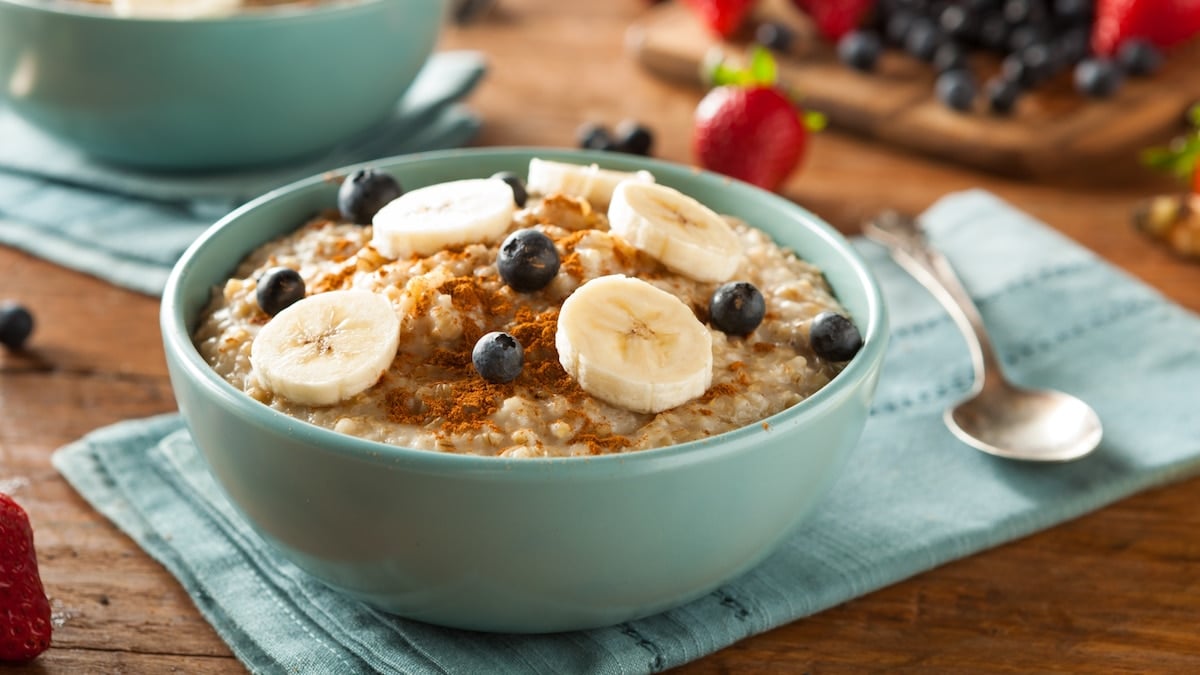
Whole grains, such as whole wheat, oats, and brown rice, are rich in fiber, vitamins, minerals, and phytonutrients, and are linked to a reduced risk of cardiovascular disease, type 2 diabetes, obesity, constipation, and certain types of cancer. However, many Americans do not consume enough whole grains, with only 4% meeting the recommended fiber guidelines. Whole grains provide numerous health benefits, including regulating blood sugar levels and promoting a healthy digestive tract. Choosing intact, close-to-their-natural-form cooked whole grains, like steel-cut oats and quinoa, can provide low glycemic index (GI), high fiber, and whole grain benefits. It is important to carefully read ingredient labels to ensure products are 100% whole grain.

health2 years ago

"World Diabetes Day 2023: Unveiling the Hidden Culprits Behind Diabetes Risk"

World Diabetes Day is observed on November 14th each year to raise awareness about diabetes and its prevention. Certain foods, such as sugary beverages, white bread, processed meats, French fries, and high-sugar desserts, can increase the risk of developing type-2 diabetes. Opting for healthier alternatives like water, whole-grain foods, lean proteins, and homemade desserts using natural sweeteners can help reduce the risk. Maintaining a balanced diet with whole foods, lean proteins, and plenty of fruits and vegetables is essential for diabetes prevention.

health-and-wellness2 years ago

"Discover 5 Low Glycemic Index Foods for a Healthy Diet"

Following a low-glycemic index (GI) diet can help manage blood sugar levels and offer several health benefits. Low-GI foods, such as meat, poultry, eggs, nuts, beans, and certain fruits and vegetables, have a minimal impact on blood sugar due to their low carbohydrate content or high protein and fiber content. However, the GI has limitations and doesn't consider factors like serving size and food combinations. It's important to seek individualized dietary advice from a healthcare provider, especially for those with diabetes or other health conditions. Overall, reducing the intake of high-GI foods, such as sugary drinks and refined carbs, while increasing the consumption of protein, fiber, and nutrient-rich foods can promote healthy blood sugar control and overall well-being.

health-and-wellness2 years ago

New Study: Carb-Rich Foods Key to Managing Body Weight, Potatoes Not Recommended

A new study published in the BMJ suggests that replacing low-quality carbohydrate foods, such as added sugars and potatoes, with high-quality carbohydrate-rich foods like whole grains and fruits, could help control weight gain. The study found that increases in glycemic index and glycemic load were positively associated with weight gain, with the highest weight gain observed from the intake of carbohydrates from starchy vegetables, particularly potatoes. The study recommends limiting added sugars, sugar-sweetened beverages, refined grains, and starchy vegetables, and instead opting for whole grains, fruits, and non-starchy vegetables to support long-term weight management.

health-and-nutrition2 years ago

"Discover 11 Low-Sugar Fruits for a Healthy Diet"

Incorporating low-sugar fruits like grapefruit, berries, lemons, limes, cranberries, watermelon, kiwi, avocados, oranges, apricots, and plums into your diet can help satisfy your sweet tooth while providing essential nutrients like vitamins, fiber, and antioxidants. These fruits have a low glycemic index, making them suitable for managing blood sugar levels and potentially preventing type 2 diabetes. It's important to be mindful of portion sizes and choose fresh, frozen, or canned fruits without added sugars. For individuals with diabetes, pairing fruits with protein and healthy fats can help slow down the rise in blood sugar levels.

health2 years ago

The Pros and Cons of White Rice for Diabetics.

White rice is controversial due to its low nutrient content and high glycemic index, which is associated with a higher risk of type-2 diabetes. However, a study conducted on the Asian population found that white rice alone doesn't increase the risk of type-2 diabetes. It is safe to eat in controlled portions, and replacing it with the wrong food substitute can increase the risk of diabetes. It is always better to consult an expert before planning a diet chart for diabetics.