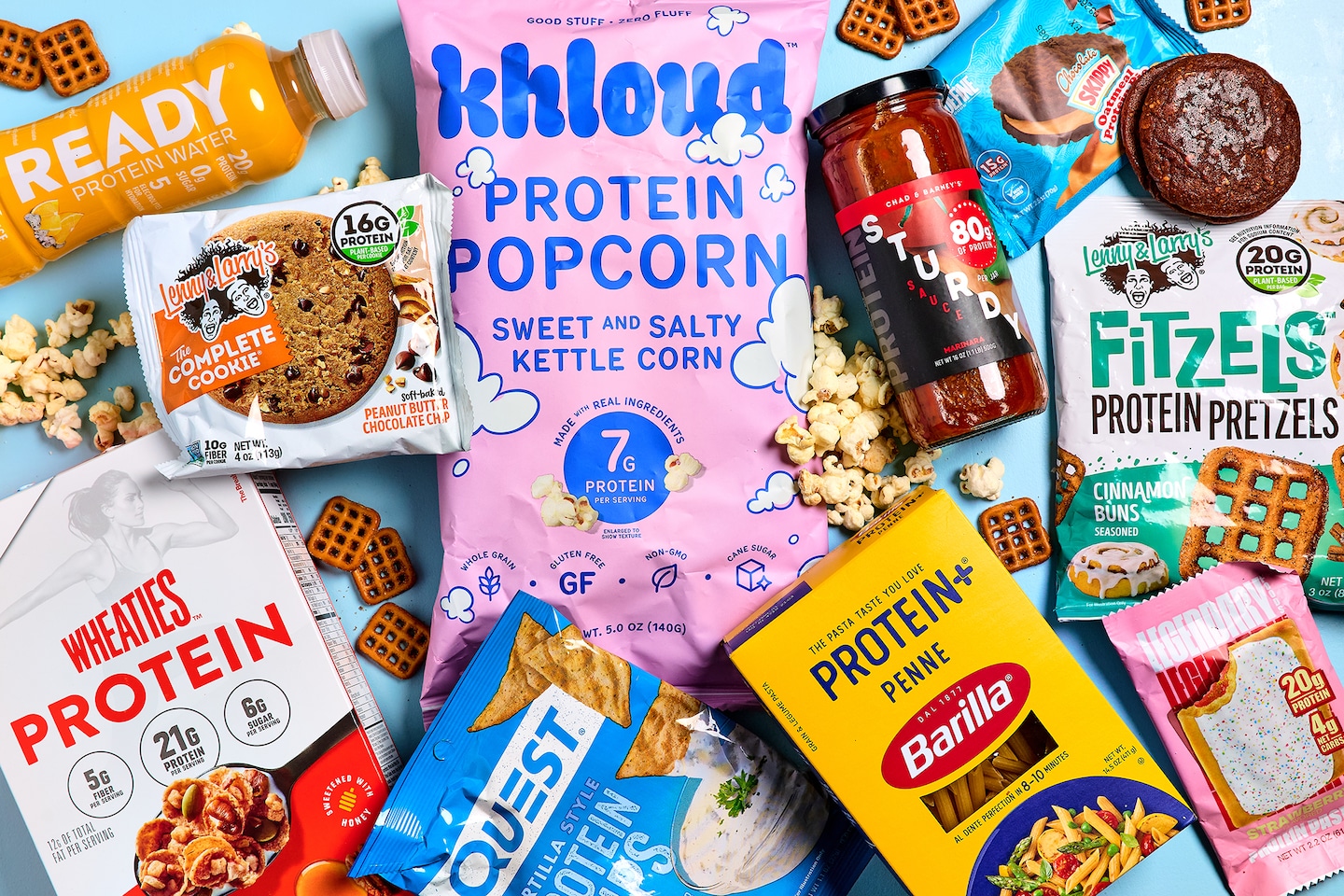
Protein has become the top criterion for healthy food among consumers, surpassing other factors like freshness and low sugar, reflecting its rising importance in dietary choices amid shifting perceptions of fats and carbs.
The article discusses the current obsession with protein in our diet culture, highlighting how reverence for this macronutrient has become almost religious, with various groups promoting high protein intake over the years.
The article discusses the rising popularity of protein as a key macronutrient, especially among the wealthy, and questions whether this focus is justified based on nutritional needs.
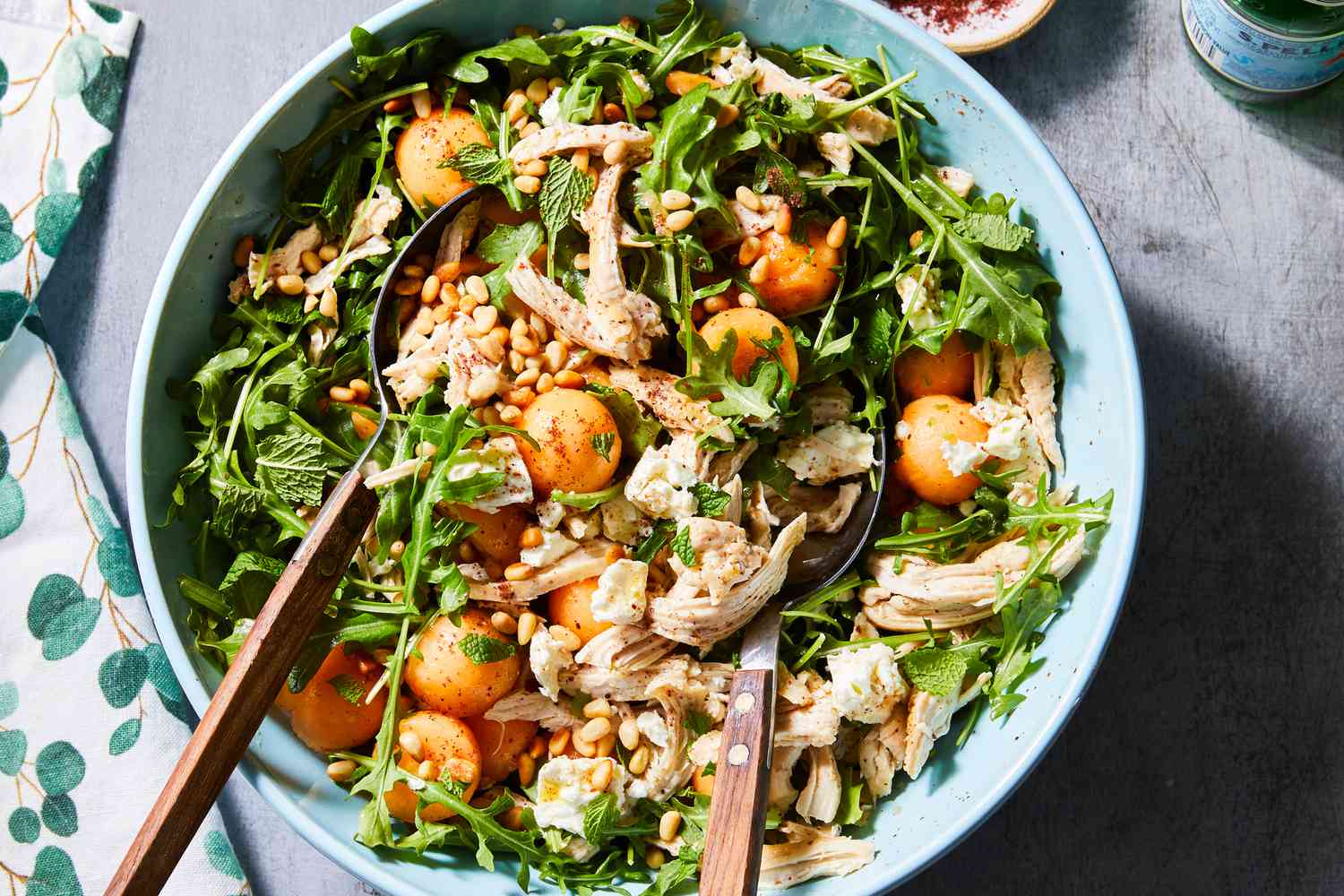
Dietitians recommend a list of 20 high-protein, low-fat foods for weight maintenance, emphasizing the importance of protein for muscle building and appetite control. The list includes options such as low-fat cottage cheese, shrimp, pork tenderloin, skinless chicken breast, chickpeas, and more, providing protein while being low in saturated fat. These foods offer versatile and delicious options for those looking to boost their protein intake without consuming excessive fat, aligning with dietary guidelines for protein, carbohydrate, and fat intake.
Fiber is set to take over 2024 as the spotlight shifts from protein to a more holistic approach to nutrition. With 95% of Americans not meeting the recommended daily amount of fiber, the lack of fiber in diets is attributed to a shortage of whole foods and an overconsumption of processed foods. A national survey revealed a lack of understanding about fiber's benefits, which include promoting regular bowel movements, improving gut health, balancing blood sugar, and reducing inflammation. Easy ways to increase fiber intake include incorporating berries, chia pudding, fruits, veggies, nuts, whole-grain crackers, avocado, and legumes into meals and snacks.
Carbohydrates are an essential part of a balanced diet, providing energy and essential nutrients. The 2020-2025 Dietary Guidelines for Americans recommend that carbs make up 45% to 65% of total daily calories, translating to 225 to 325 grams for a standard 2,000 calorie diet. Individual carb needs vary based on factors like body composition, activity level, and blood sugar management. Choosing quality sources like whole grains, fruits, and vegetables is key, and it's important to focus on balanced meals and portion control. While low-carb diets may aid in weight loss, it's crucial to consider the quality of carbs and potential long-term effects.
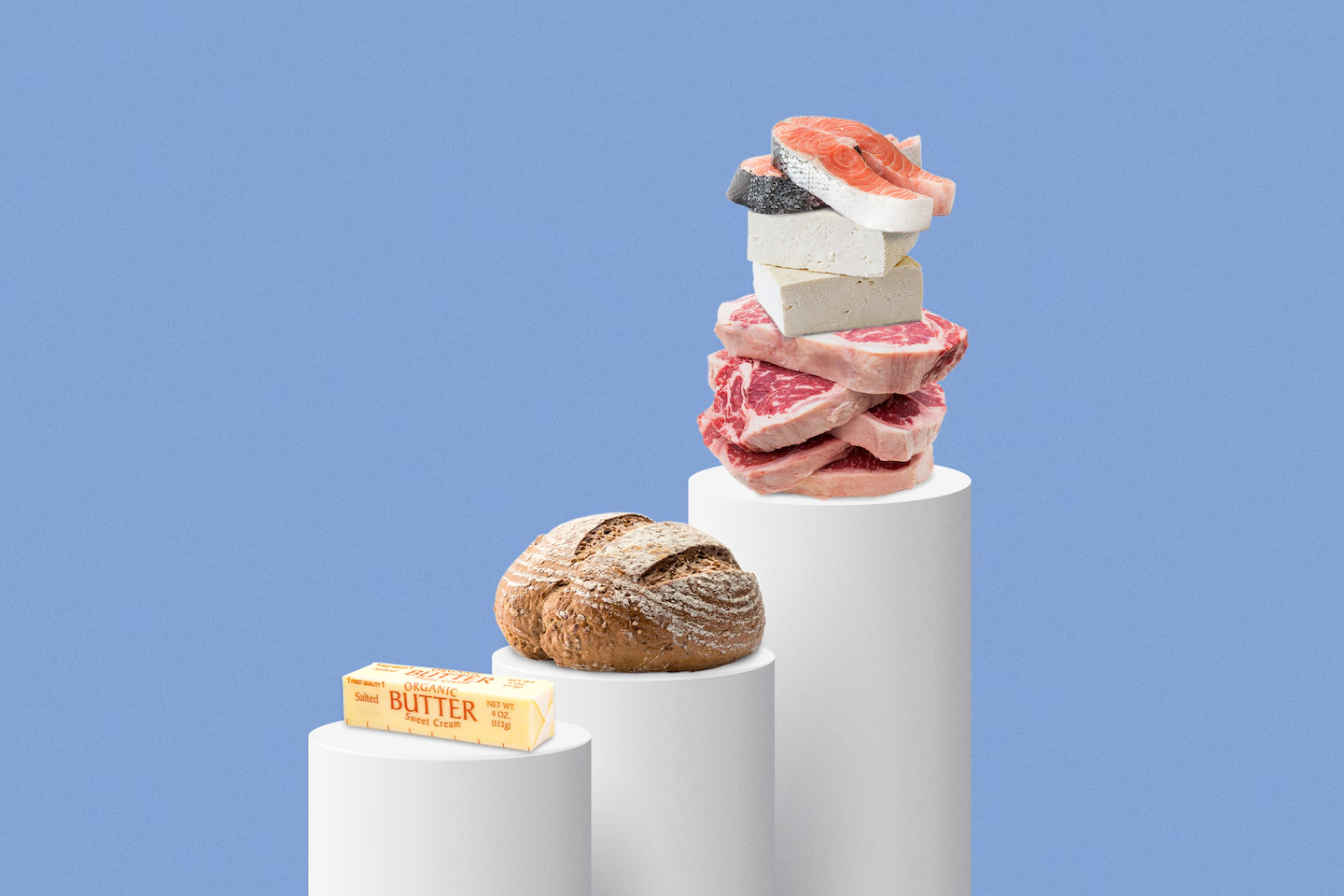
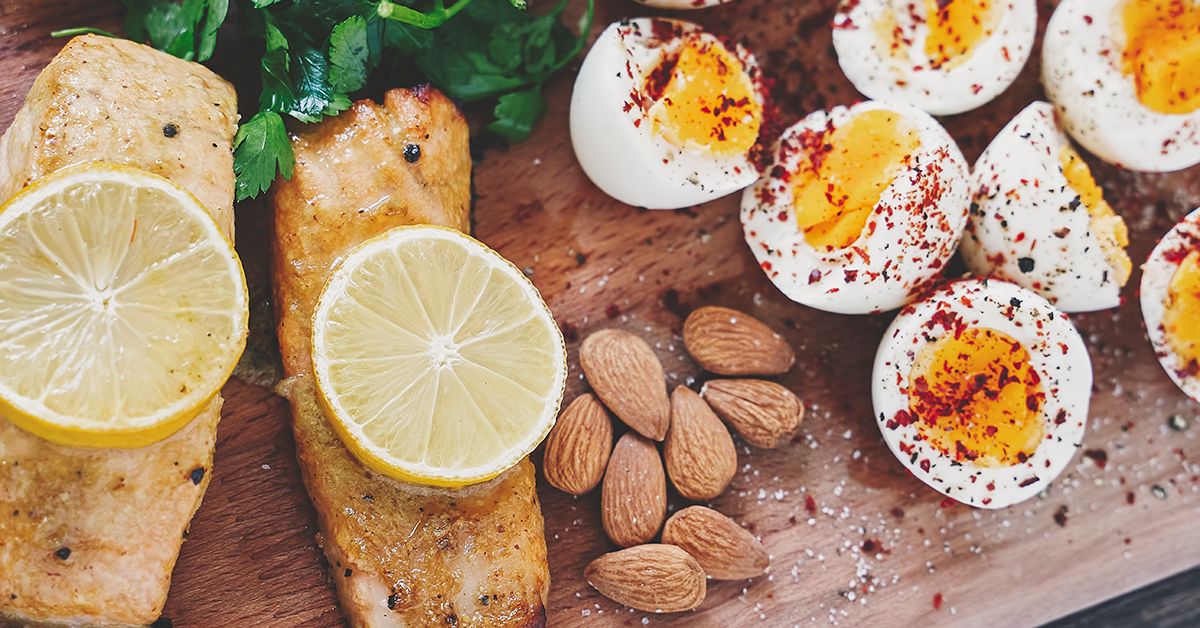
Protein is essential for a healthy diet and body, but not all sources are equal. Greek yogurt, eggs, and beans are among the best sources, while plant-based yogurt, red meat, hot dogs, and hard salami are among the worst. Choosing minimally processed foods like beans, wild salmon, lentils, and eggs is recommended, while avoiding more processed options is advised for optimal protein intake.
High-protein diets, popular in diets like paleo and keto, may be linked to atherosclerosis and cardiovascular disease due to the amino acid leucine, according to a study in Nature Metabolism. The study found that high-protein intake led to increased activation of inflammatory cells, which can cause atherosclerosis. Leucine, predominantly found in animal proteins, was identified as a key culprit. The findings suggest that a balanced diet and considering calorie intake may be important in mitigating potential harm from high-protein diets, and plant-based sources of protein may be a healthier option.
High-protein, low-fat foods are essential for weight loss and muscle maintenance. From milk and Greek yogurt to legumes and lean meats, these foods provide essential nutrients without excessive fat. Balancing macronutrient intake is crucial for overall health, and consulting a healthcare provider for personalized recommendations is recommended. Variety in protein sources is important for nutrition and taste satisfaction.
A new study published in JAMA Network Open suggests that the quality of macronutrients in a low-carb diet is crucial for achieving better long-term health outcomes. High-quality low-carb diets rich in plant-based proteins and healthy fats are associated with slower weight gain, as opposed to low-quality diets high in animal-based proteins and fats. The study emphasizes the importance of a balanced diet that includes high-quality foods, regular physical activity, stress management, quality sleep, and strong social connections for overall health and well-being.
A high protein, low carbohydrate diet may lead to short-term weight loss, but there are no significant long-term benefits and potential risks involved. While increasing protein intake can be beneficial, following a restrictive diet can be unsustainable and may increase the risk of developing an eating disorder. It may also make it harder to get enough fiber and could potentially harm kidney function. While some foods are low in carbs and high in protein, it's important to maintain a balanced diet and consider the potential risks associated with a high protein, low carbohydrate approach.
To balance your macronutrients, nutritionist Karishma Shah suggests planning meals, incorporating lean proteins, choosing high-fiber carbs, using healthy fats for cooking, and smart snacking. Pre-planning meals with specific macro ratios and opting for balanced snacks can help maintain a balanced intake of proteins, carbs, and fats throughout the day.
A 59-year-old man lost over 150 pounds by incorporating regular walking and tracking his macronutrients. After retiring, he started his fitness journey with walks and eventually lost 80 pounds. He then hired a trainer who helped him fine-tune his nutrition by tracking macros using the app MyFitnessPal. By focusing on hitting his daily macro targets, he was able to eat a wider variety of foods while staying on track. Jones now competes in bodybuilding shows and hopes to go pro, emphasizing that healthy habits outside the gym are just as important as workouts.
Protein is an essential nutrient for weight loss, as it can increase satiety, preserve muscle mass, and boost metabolism. The recommended protein intake varies based on factors like age, activity level, and overall health, but a moderate intake for weight loss falls within the range of 0.6 to 0.8 grams of protein per pound of body weight. It is important to focus on quality protein sources such as lean meats, fish, dairy, and plant-based options to ensure a balanced and nutritious diet. However, overconsuming protein can lead to nutrient imbalances and strain the kidneys, so it's crucial to strike a balance and avoid excessive intake.
A team of researchers argues that the U.S. dietary recommendations for protein intake are too low, based on outdated data and ignoring the specific needs of certain groups. They recommend increasing the recommended dietary allowance (RDA) of protein for older adults, children older than three, and pregnant or lactating women. The researchers suggest boosting the RDA for these groups to better support muscle protein production, growth, and physical performance. However, the good news is that on average, Americans already consume more protein than the current recommendations, except for pregnant women and older adults.