Dietitians recommend low-potassium foods like apples, celery, grapes, and blueberries for individuals at risk of hyperkalemia, a condition caused by excessive potassium levels that can affect heart health. They also advise avoiding high-potassium foods such as spinach, sweet potatoes, and broccoli rabe, especially for those with kidney issues or on certain medications, and emphasize consulting healthcare providers for personalized dietary guidance.

The American Heart Association released a report highlighting that while ultra-processed foods are linked to health risks, some options like low-sodium whole-grain breads and unsweetened snacks are healthier choices. Experts recommend limiting ultra-processed foods overall and focusing on whole foods to improve health.
A study in Toronto found that low-calorie restrictive diets may increase depressive symptoms, especially in men, highlighting the importance of balanced nutrition and personalized dietary advice for mental well-being.
The US federal government is considering new dietary guidelines that may recommend limiting alcohol consumption to two beers per week, influenced by Canadian researchers who advised similar guidelines. This potential change has sparked debate, with some lawmakers questioning the impartiality of the advisory panel, which includes members with anti-alcohol views. The guidelines, set to be finalized by 2026, will be based on scientific studies assessing the health risks of alcohol, amid growing evidence linking even moderate consumption to various health issues.
Many older Americans take vitamins or supplements, but overconsumption can lead to serious health problems and even be fatal. The FDA doesn't regulate supplements as strictly as medications, and companies may make unsubstantiated claims. It's important to be cautious with fat-soluble vitamins, as they can build up in the body and cause toxicity. Most people can get sufficient vitamins through a well-balanced diet and don't need supplements unless recommended by a doctor. Excessive intake of vitamin A, for example, can lead to acute symptoms and even liver damage, so it's crucial to be aware of recommended daily amounts and potential overdose risks.
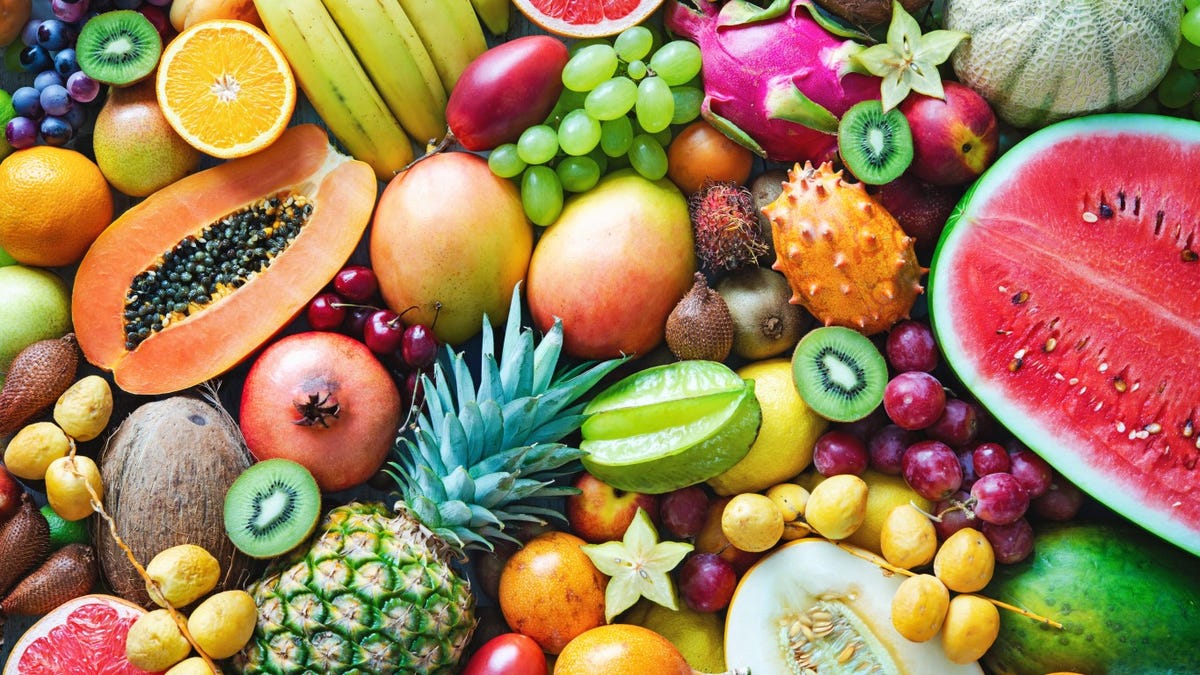
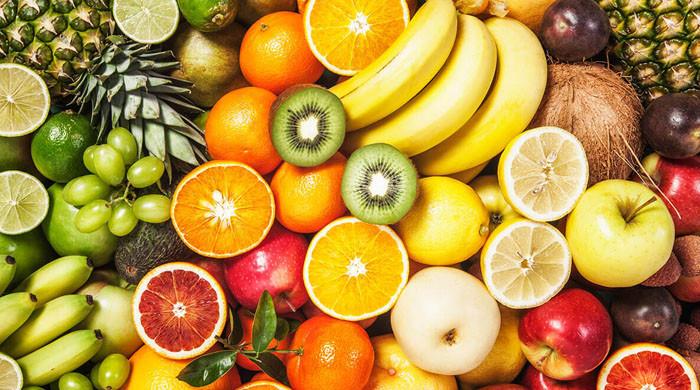
Only 12% of Americans meet their daily fruit intake, with even lower numbers among low-income adults and food-insecure households. Registered dietitian Danielle Crumble Smith recommends including wild blueberries, apples, oranges, grapefruits, strawberries, pineapple, papaya, plums, and kiwi in your diet for their unique nutritional profiles and health benefits. Fruit is beneficial due to its vitamins, minerals, fiber, and essential nutrients, and can help combat the afternoon slump. The daily recommended fruit serving for adults is around 2 cups, and caution is advised for those with diabetes or blood sugar issues. Fruit smoothies are a convenient way to consume fruit, but caution should be taken with bottled juices due to their high sugar content.
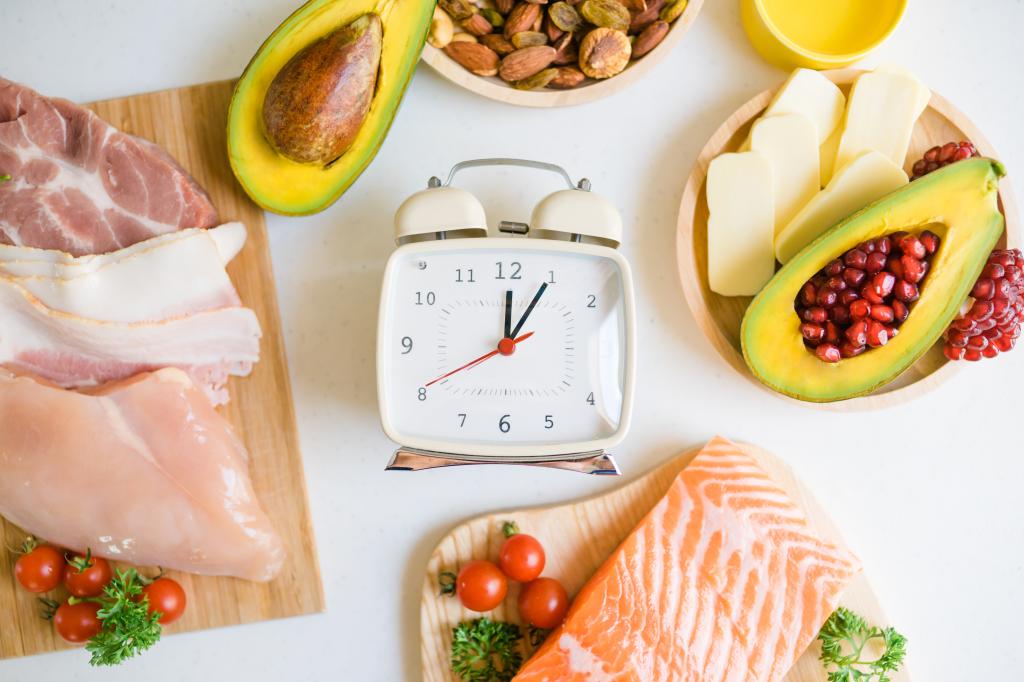
A recent study presented at the American Heart Association conference suggests that following an 8-hour time-restricted eating schedule may be associated with a 91% increased risk of dying from cardiovascular disease. However, experts have expressed doubts about the study's methodology and its ability to establish a causal relationship. They emphasize the importance of considering individual health status and overall lifestyle, cautioning against generating concerning headlines based on limited information. Ultimately, experts stress that the quality and quantity of food consumed are more important than the timing of meals for weight loss and overall health.
A study has linked the popular 16:8 intermittent fasting diet, favored by celebrities like Jennifer Aniston and Jennifer Lopez, to a 91% increased risk of cardiovascular death. Research involving over 20,000 US adults found that those following an eight-hour eating window had higher risks of heart disease and stroke. Experts caution against the 16:8 method, suggesting a more cautious and personalized approach to dietary recommendations aligned with an individual's health status and scientific evidence.
New research suggests that high levels of niacin, an essential B vitamin found in foods like meat, fish, nuts, and fortified cereals and breads, may increase the risk of heart disease by triggering inflammation and damaging blood vessels. The study, published in Nature Medicine, found that excessive niacin levels are linked to a substance in the blood that predicts the risk of heart attack, stroke, and death. The discovery could lead to the development of medications to reduce blood vessel inflammation and influence dietary recommendations for niacin intake.
A study suggests that niacin, a common B vitamin added to fortified foods like breakfast cereals, pasta, and bread, may be linked to heart disease. Researchers found that a byproduct of niacin called 4PY is strongly associated with heart attacks, strokes, and cardiac conditions. While niacin deficiency can lead to serious health issues, excessive intake may pose risks. The study raises questions about the continued fortification of foods with niacin and highlights the importance of investigating residual cardiovascular risk. The NHS recommends a balanced diet that includes a variety of food groups and specific daily allowances for nutrients.
A study suggests that using a salt substitute, such as potassium chloride, along with other flavorings like mushroom, seaweed, and lemon, can significantly lower the risk of developing high blood pressure. The research, conducted in elder care facilities in China, found that replacing salt with a substitute reduced the risk of high blood pressure over a two-year period. The findings are applicable to people in other countries, including the U.S., where excessive salt consumption is common. Lowering salt intake and increasing potassium through substitutes can have a positive impact on blood pressure and heart health, potentially reducing the risk of chronic diseases.
A survey reveals that only one in five Britons are aware of the daily fibre recommendation, leading to a "fibre gap" and leaving millions at risk of preventable chronic conditions, including bowel cancer and heart disease. Despite the average intake of fibre being only 20 grams, the recommendation is to consume 30 grams a day. Eating plenty of fibre can reduce the risk of health problems and promote friendly gut bacteria, but awareness and effort to achieve the recommended intake are crucial in closing the fibre gap.
Blueberries are considered the healthiest fruit due to their high levels of nutrients such as anthocyanins and polyphenols, which have been shown to have anti-inflammatory properties and benefit brain and cardiovascular health. However, apples also offer significant health benefits, including fiber, vitamin C, and polyphenols, making them a heart-healthy and convenient option for maintaining a balanced diet. Despite the proven advantages of these fruits, many Americans still fall short of the recommended daily intake of 1 to 2.5 cups of fruits and vegetables.
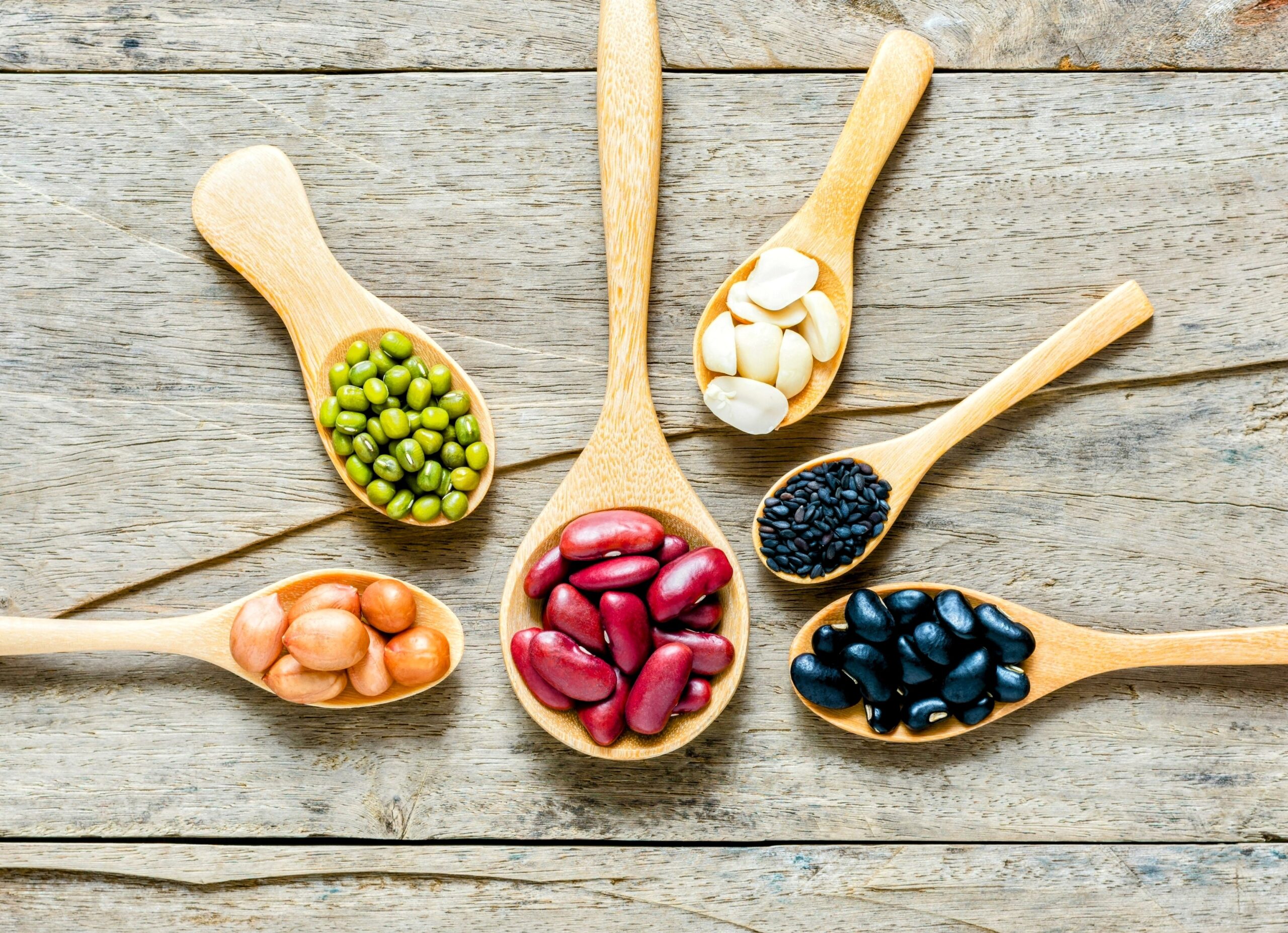
A study from Tufts University's HNRCA suggests that women who consume more plant-based protein have a lower risk of chronic diseases and experience healthier aging. The research, based on data from over 48,000 women, found that higher plant protein intake was linked to reduced incidence of heart disease, cancer, diabetes, and cognitive decline. In contrast, higher consumption of animal protein was associated with a decrease in healthy aging. The study recommends that women consume most of their protein from plant sources, while also including some fish and animal protein for iron and vitamin B12 content.
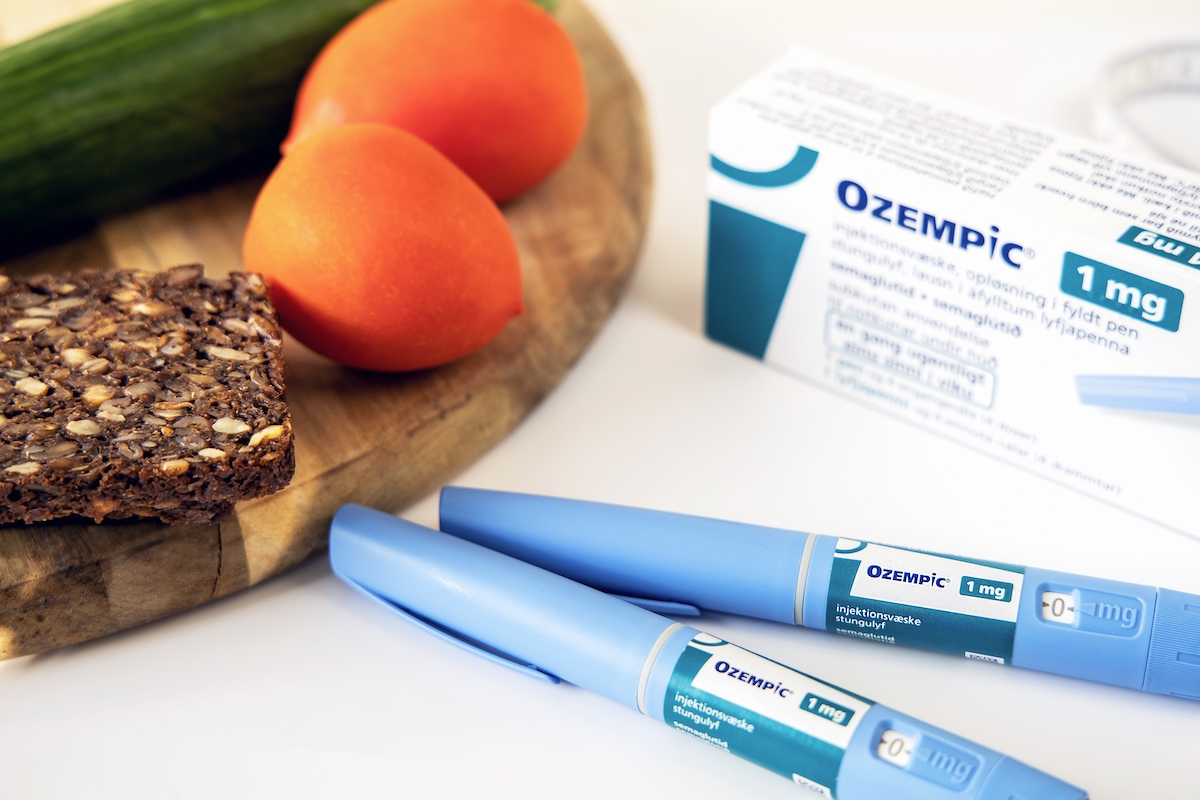
While taking weight loss drugs like Ozempic and Wegovy, it's best to avoid processed and high-fat foods, alcohol, refined carbs, added sugars, high-sodium foods, and certain high-fiber foods to minimize side effects and maximize weight loss success. Instead, focus on a whole-foods-based diet rich in nutrients, including fresh fruits and vegetables, lean proteins, complex carbohydrates, and healthy fats in moderation.