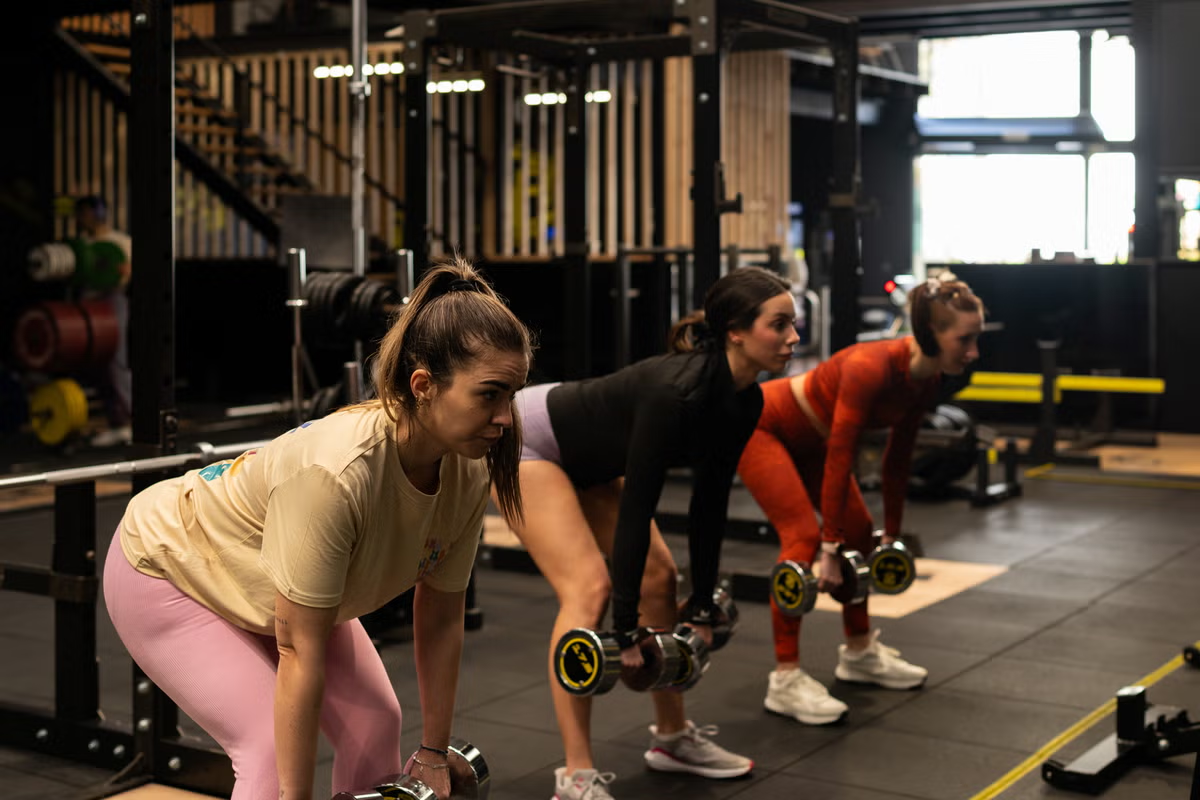
Research shows that lifting lighter weights to near failure can produce similar muscle growth as lifting heavier weights, emphasizing the importance of proximity to failure over the weight itself. The traditional focus on specific rep ranges for strength or hypertrophy is being reconsidered, with progressive overload—whether through more reps or increased difficulty—being key to gains. Avoiding 'junk volume' and pushing close to failure are crucial for effective training.
A study suggests that resistance training load does not significantly influence hypertrophy, emphasizing individual genetic differences and the importance of training effort over specific load or rep ranges. The discussion highlights that consistent effort, proper technique, and overall lifestyle factors like diet and sleep are more crucial for muscle growth than the exact training protocol.
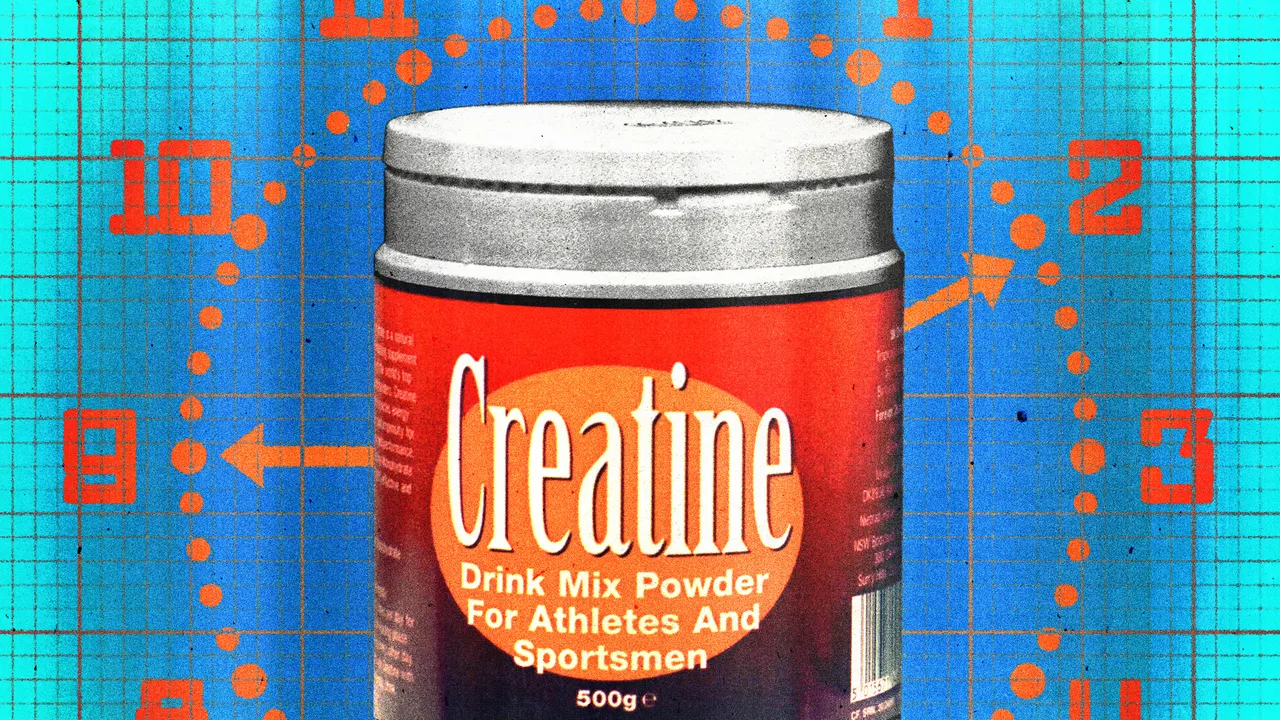
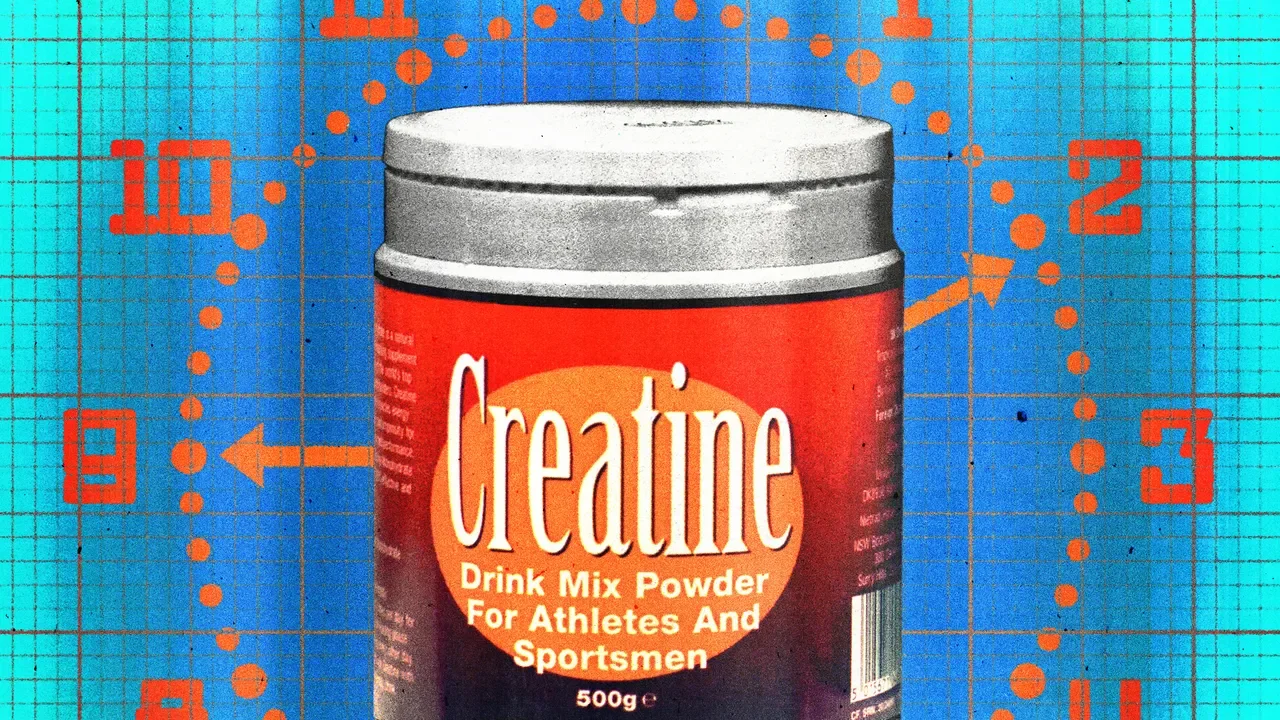
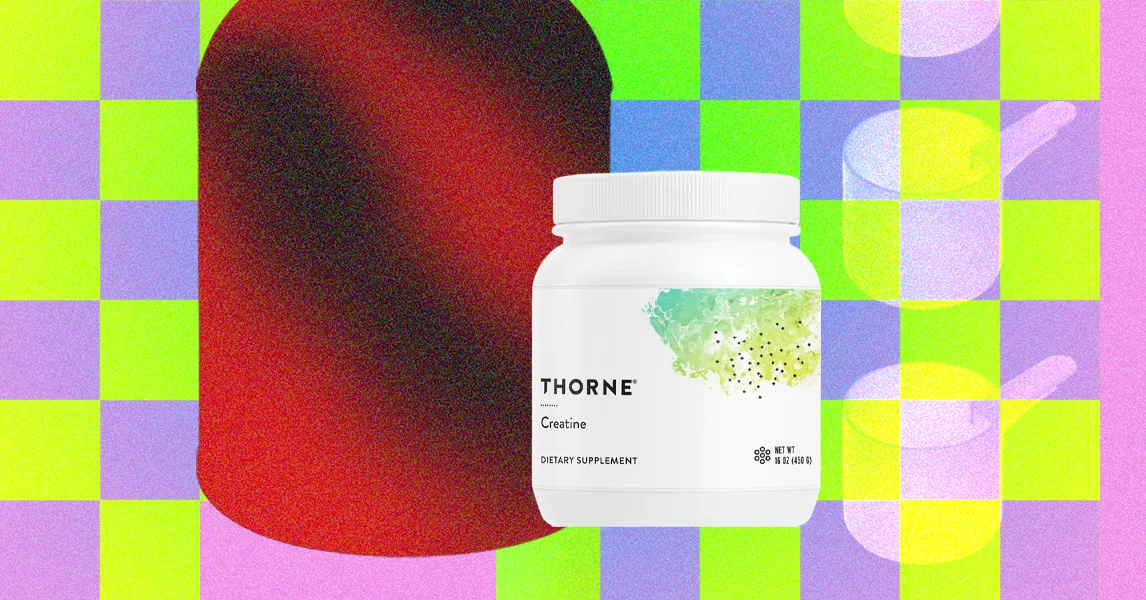
The best time to take creatine is flexible; it can be taken before or after workouts, with consistent daily intake being most important. Pairing it with carbohydrates can enhance absorption, and a standard dose is 5 grams daily, with or without a loading phase. Regular use supports muscle strength, recovery, and cognitive health, but quality and safety of supplements should be verified.
The article explores the 'Hercules gene' or myostatin deficiency, which leads to increased muscle mass and strength, highlighting cases like sprinter Harry Aikines-Aryeetey and animals like Belgian Blue cattle, discussing its implications for sports, health, and potential doping risks.
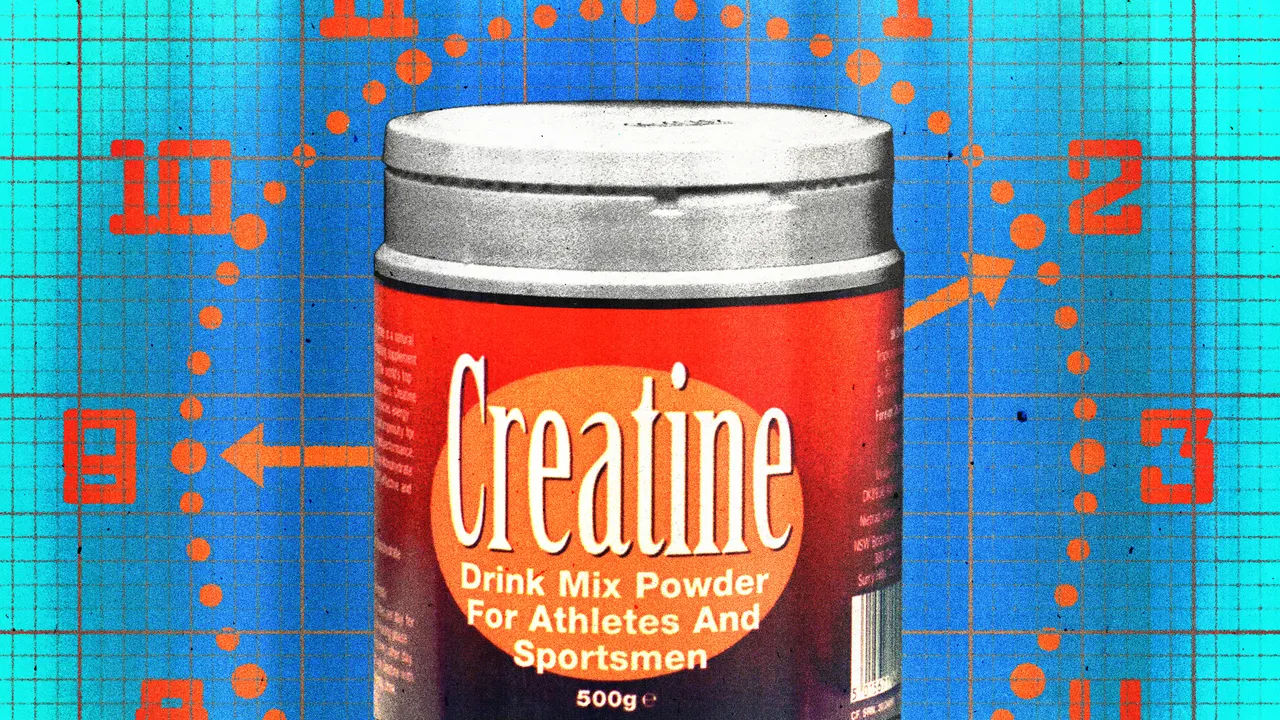
The best time to take creatine is flexible; it can be taken before or after workouts, with consistent daily intake being most important. Pairing it with carbohydrates can enhance absorption, and a standard dose is 5 grams daily, with or without a loading phase. Regular use supports muscle strength, recovery, and brain health, but quality and safety of supplements should be verified.
A study found that lean pork enhances muscle growth after exercise more effectively than high-fat pork, challenging previous assumptions about dietary fat's role in muscle building, and highlighting the importance of whole, unprocessed foods for optimal post-exercise recovery.
Weightlifting is beneficial for boosting immunity, preventing cognitive decline, and increasing longevity, and can be safely started at any age with proper guidance. It is important to train progressively, use the right amount of weight, and incorporate a balanced routine targeting all major muscle groups. Beginners can start with machines or free weights, and supplements like creatine may enhance results. Consistency, proper recovery, and aligning workouts with personal schedules are key to success.
Dr. Milo Wolf shares a time-efficient 40-minute weekly dumbbell workout plan focusing on maximizing exercise effectiveness through techniques like training close to failure, supersets, drop sets, and strategic exercise selection, emphasizing that just two sessions per week can significantly improve strength, mobility, and overall health, especially for busy individuals.
A fitness expert emphasizes the importance of proper nutrition, especially protein, in burning fat and building muscle, and advises against fasted training, recommending balanced meals and liquid nutrition to fuel workouts effectively.
Creatine supplements are effective for increasing muscle mass and improving athletic performance when combined with exercise, with some emerging evidence suggesting potential benefits for bone health and cognitive functions, but more research is needed. They are generally safe for healthy adults, especially when certified, but individual responses vary, and they are not a magic solution for all health or performance goals.
The best time to take creatine is flexible; whether before or after workouts, it doesn't significantly impact its effectiveness. Consistency and personal preference are key, and creatine benefits include enhanced muscle strength, brain health, and recovery.
Creatine is a well-researched supplement beneficial for muscle growth, athletic performance, and potentially brain health, but consumers should be cautious of misleading marketing and low-quality products like underdosed gummies. Experts recommend sticking to scientifically supported forms like creatine monohydrate and prioritizing a balanced diet before supplementing.
Creatine, a supplement traditionally used by athletes for short, intense activities, is gaining popularity among women for its benefits in muscle preservation, recovery, and potential brain health improvements, especially during aging. The most studied and effective form is creatine monohydrate, which is generally safe for healthy adults when used appropriately. However, individuals with kidney issues or under 18 should exercise caution, and it's important to choose reputable brands due to lack of regulation.
Creatine, a supplement popular among gym enthusiasts for supporting muscle growth and recovery, is becoming more mainstream. The article discusses its potential benefits and what to consider before taking it, highlighting its rising popularity beyond traditional fitness circles.
A 51-year-old woman, Natalie Bushaw, shares her personalized supplement routine, including fiber, collagen, vegan protein powder, colostrum, and a daily multivitamin, which she credits for improving her muscle mass, skin, and overall health during her perimenopause transition, alongside strength training and diet adjustments.