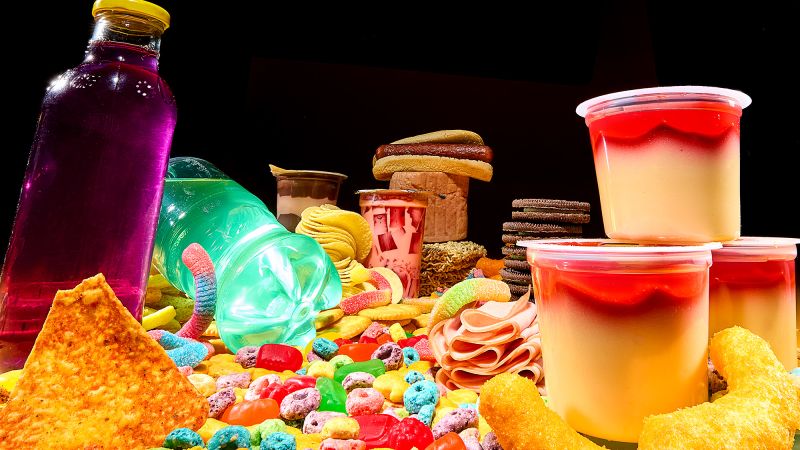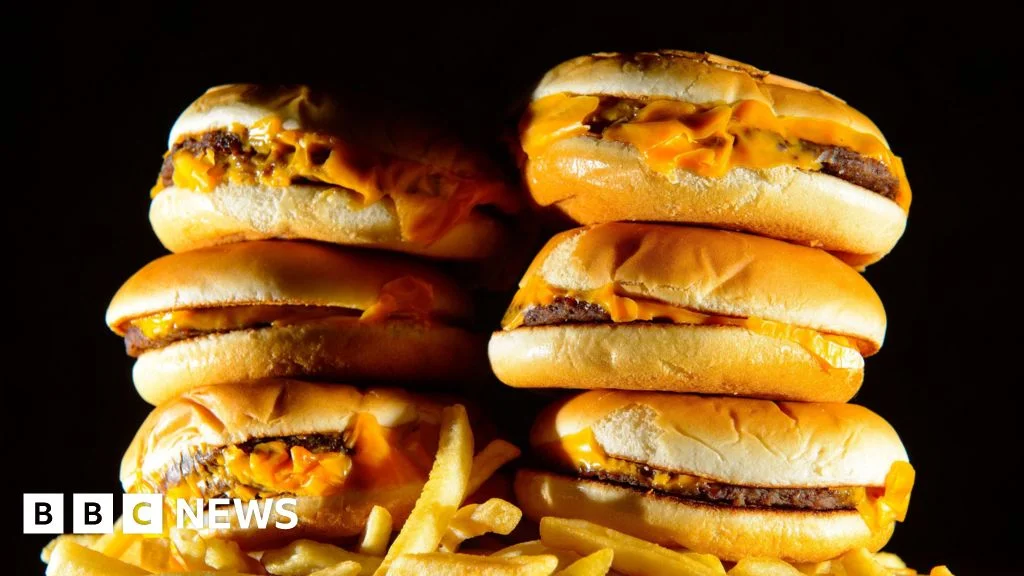
A UK-wide ban on advertising high-fat, salt, and sugar (HFSS) foods on TV before 21:00 and online is set to take effect, aiming to reduce childhood obesity by limiting exposure to unhealthy food marketing. The ban covers products like soft drinks, sweets, pizzas, and some cereals, with exceptions for healthier options. Food manufacturers are encouraged to develop healthier products, and the government expects this measure to prevent around 20,000 cases of childhood obesity annually.

Sprinkles Cupcakes, known for its cupcake vending machines and national presence, has shut down after 20 years, with the closure announced by its former owner Candace Nelson. The company was sold to private equity firm KarpReilly in 2012, but no reasons for the shutdown have been provided. The closure reflects a broader trend of private equity influence in the restaurant industry, often leading to closures or bankruptcies.
In 2025, Montgomery County saw the closure of 19 restaurants due to factors like lease issues, rising rents, and business challenges, including long-standing establishments and new ventures across various neighborhoods.
In 2025, Portland saw the closure of several beloved restaurants and bars, including historic chains like McCormick & Schmick’s and XLB, as well as popular local spots such as Reeva and Fair Weather, reflecting a challenging year for the city's food scene with some closures being permanent despite others reopening or relocating.
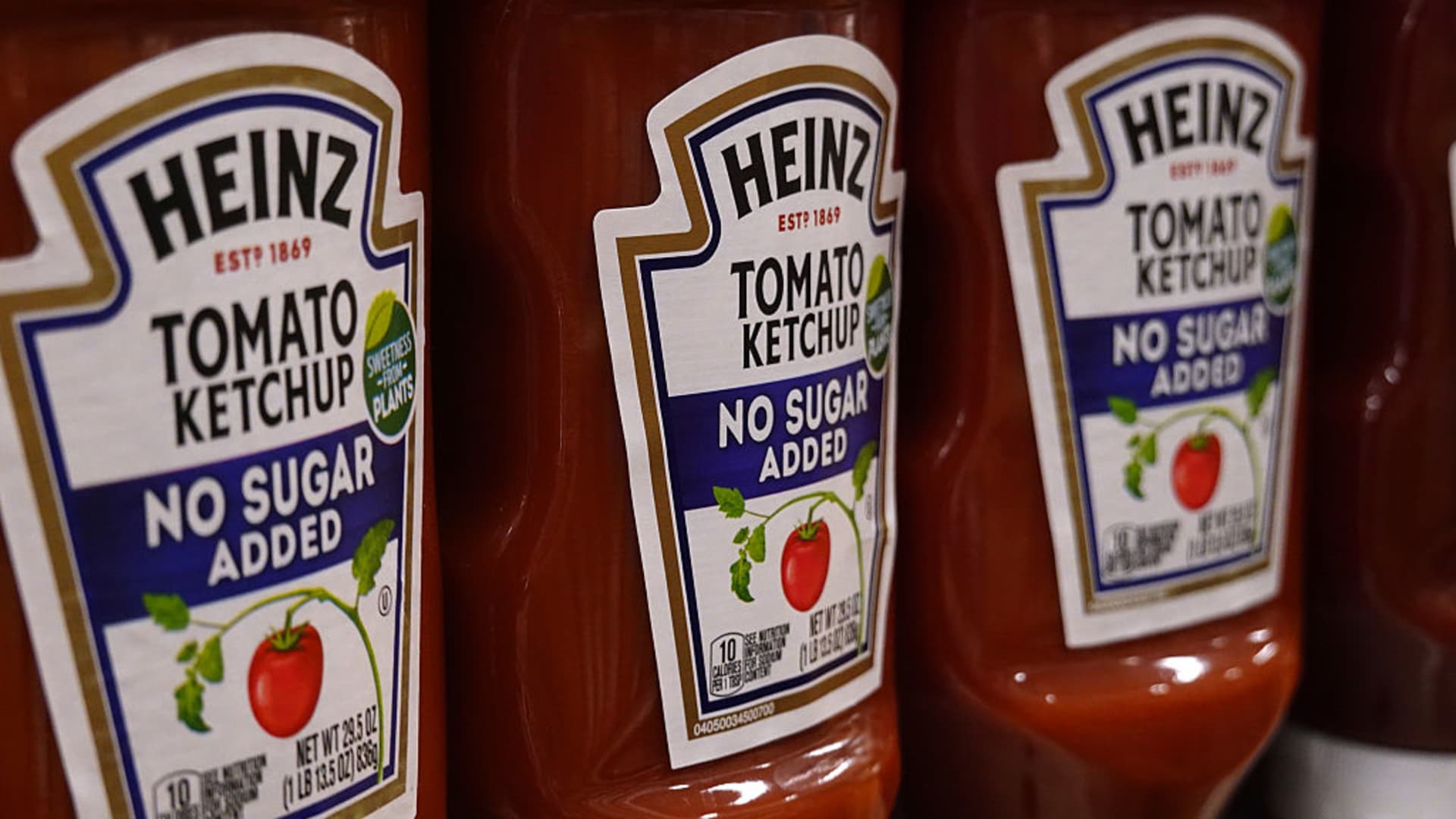
Kraft Heinz plans to split into two companies in 2026, with Steve Cahillane, former CEO of Kellanova, appointed as CEO of the new high-growth division, as part of a strategic restructuring following sluggish sales and reversing its 2015 merger.
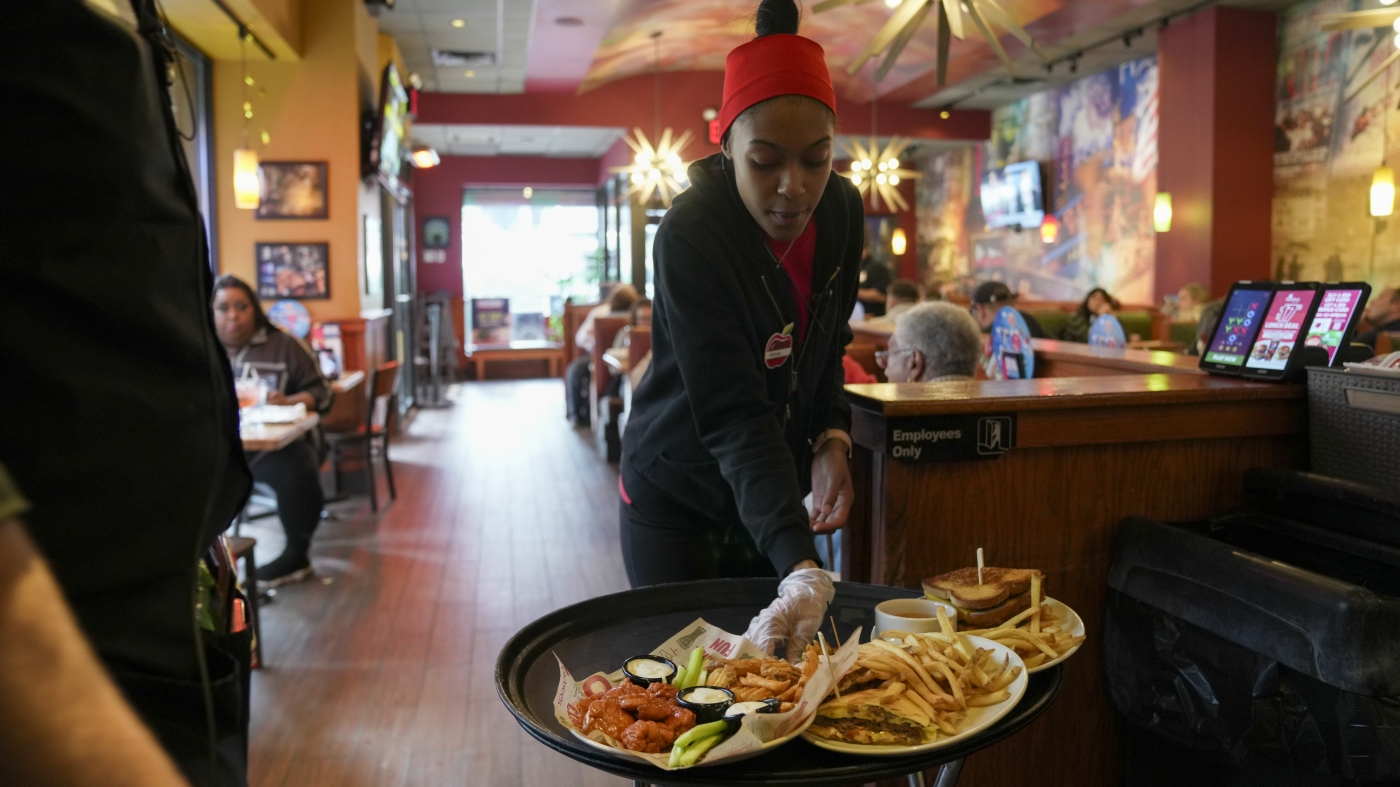
American chain restaurants remain popular due to their familiarity, nostalgic value, and consistent experience, which emotionally connect with customers and help them withstand economic and industry challenges, with brands leveraging social media and pop culture to reinforce their appeal.
The article discusses the prevalence and dangers of ultraprocessed foods, which make up a significant portion of the American diet, highlighting their synthetic ingredients, health risks, and the challenges in avoiding them, while also exploring regulatory efforts and practical tips for consumers to make healthier choices.
San Francisco has sued 10 major food companies, accusing them of marketing and selling harmful, addictive ultraprocessed foods that contribute to health crises like obesity and diabetes, marking a pioneering legal effort to hold these corporations accountable.
The ongoing U.S. government shutdown has disrupted SNAP benefits, causing concern among companies like McDonald's and Tyson Foods, as lower-income consumers face increased financial stress, potentially impacting overall food sales and consumer behavior, with some companies cautious about future forecasts.
Over a dozen Italian pasta brands, including Barilla, face potential disappearance from US stores due to tariffs totaling 107%, resulting from an antidumping investigation accusing Italian producers of unfair pricing, which could make importing their products in the US nearly impossible.
At 89, Marion Nestle, a renowned nutrition expert, shares her daily eating habits, emphasizing minimally processed foods, vegetables, and moderation, while critiquing ultra-processed foods and advocating for reading food labels to make healthier choices.
Duane Roberts, the billionaire inventor of the frozen burrito and a notable philanthropist, passed away peacefully at age 88, leaving behind a legacy in the food industry and community development.
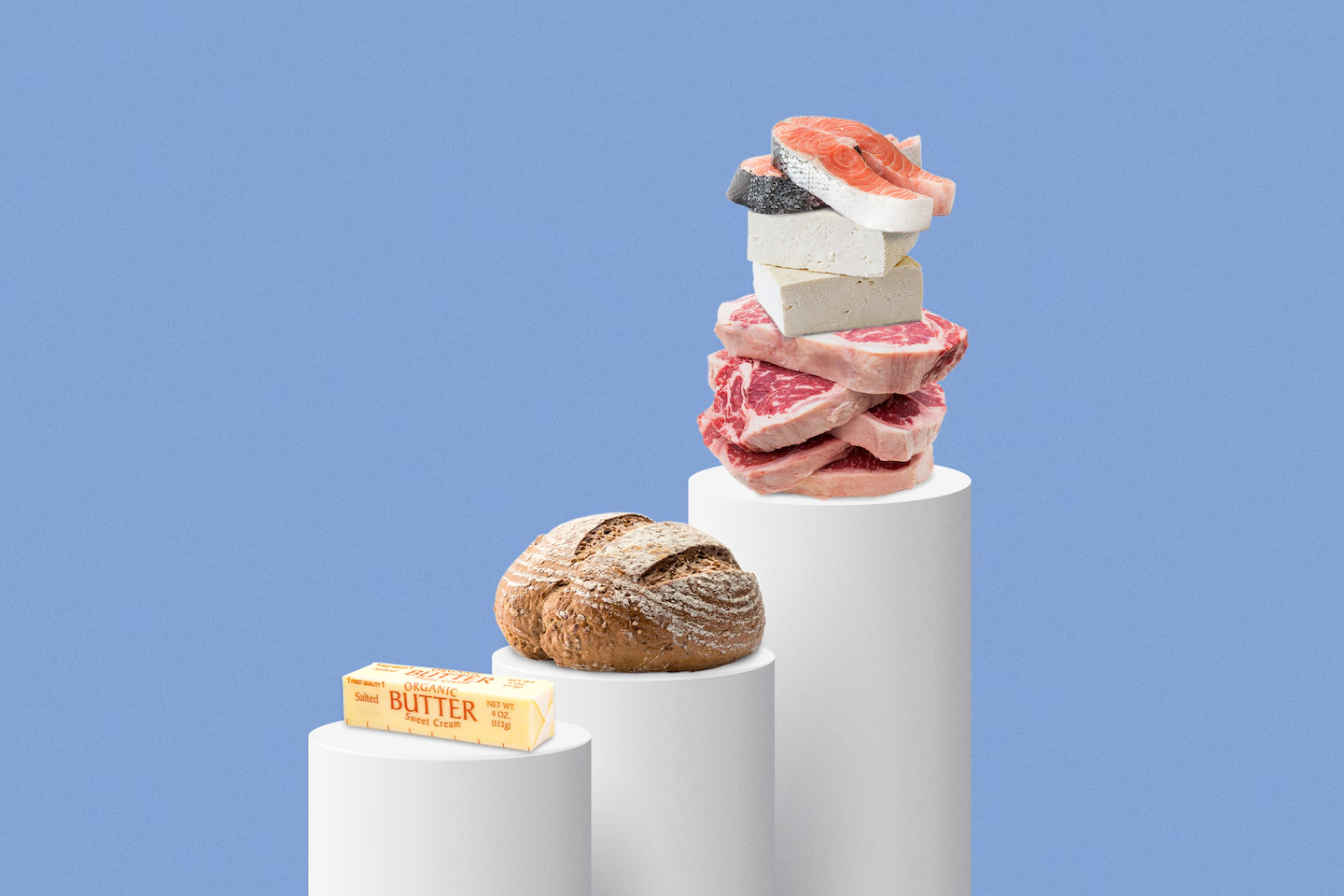
Protein has become the top criterion for healthy food among consumers, surpassing other factors like freshness and low sugar, reflecting its rising importance in dietary choices amid shifting perceptions of fats and carbs.
Originally Published 2 months ago — by Beyond Meat
Beyond Meat is expanding its distribution at over 2,000 Walmart stores across the U.S., introducing new products including a value pack of the Beyond Burger, along with other popular plant-based options like Beyond Chicken Pieces and Beyond Steak Korean BBQ-Style, aiming to provide nutritious, plant-based alternatives to more consumers.
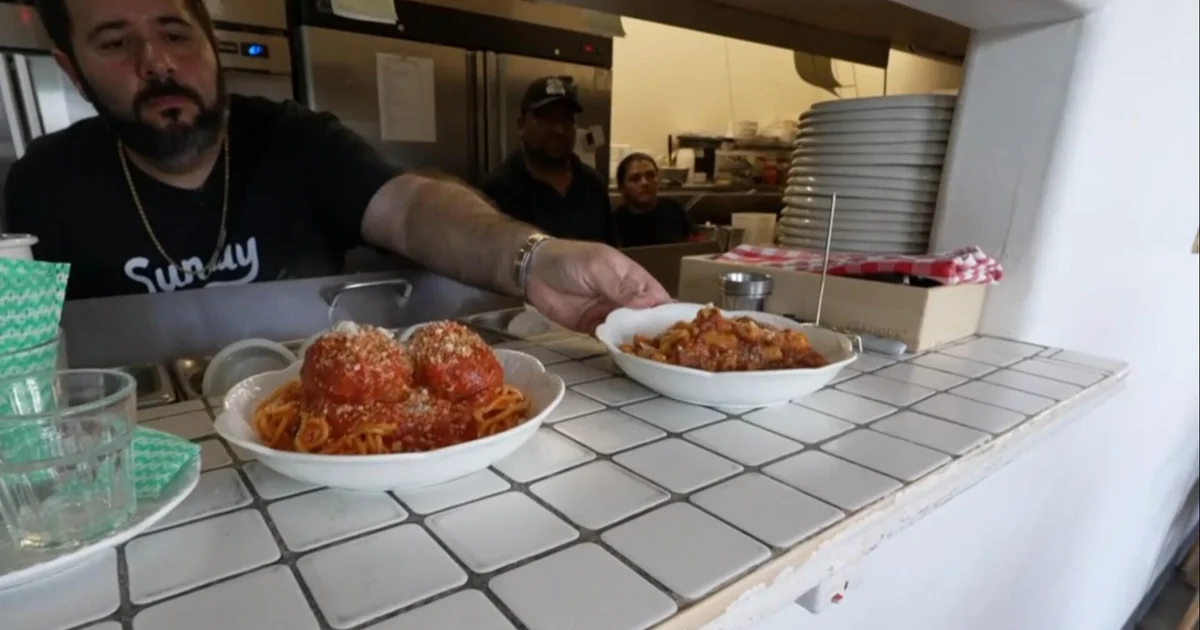
A family-owned Italian restaurant in Inglewood, California, is struggling to stay afloat due to rising costs from tariffs and inflation, which have increased expenses for imported ingredients and led to potential menu price hikes, risking customer loss. The owner has added a surcharge to offset tariffs, while industry advocates seek tariff exemptions to help the sector survive.