The article discusses the common digestive issues, like 'protein farts,' experienced when transitioning to a plant-based diet, explaining that these symptoms are signs of beneficial gut bacteria adapting to increased fiber and plant proteins. It emphasizes gradual dietary changes, traditional cooking methods, and cultural practices to reduce gas, and highlights that these symptoms are temporary and part of a positive microbiome transformation, ultimately leading to better digestion and health.
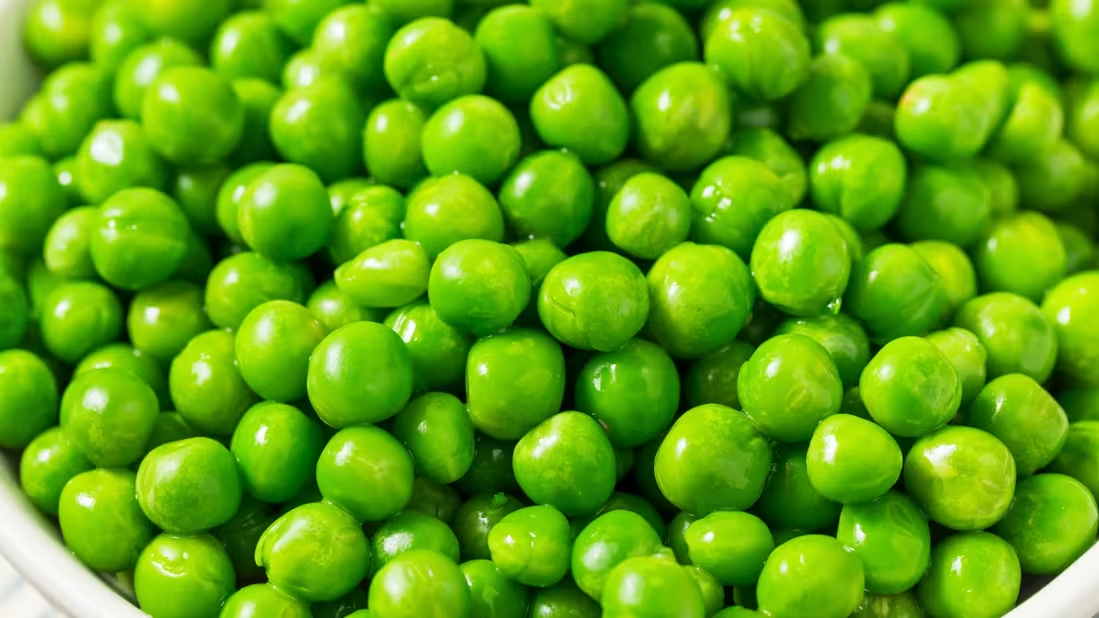
Peas are a nutritious and versatile legume rich in protein, fiber, and essential nutrients, offering numerous health benefits such as supporting gut health, weight management, and heart health, while also being easy to incorporate into various meals. Despite some risks like allergies and antinutrients, giving peas a chance can enhance your diet with their many advantages.
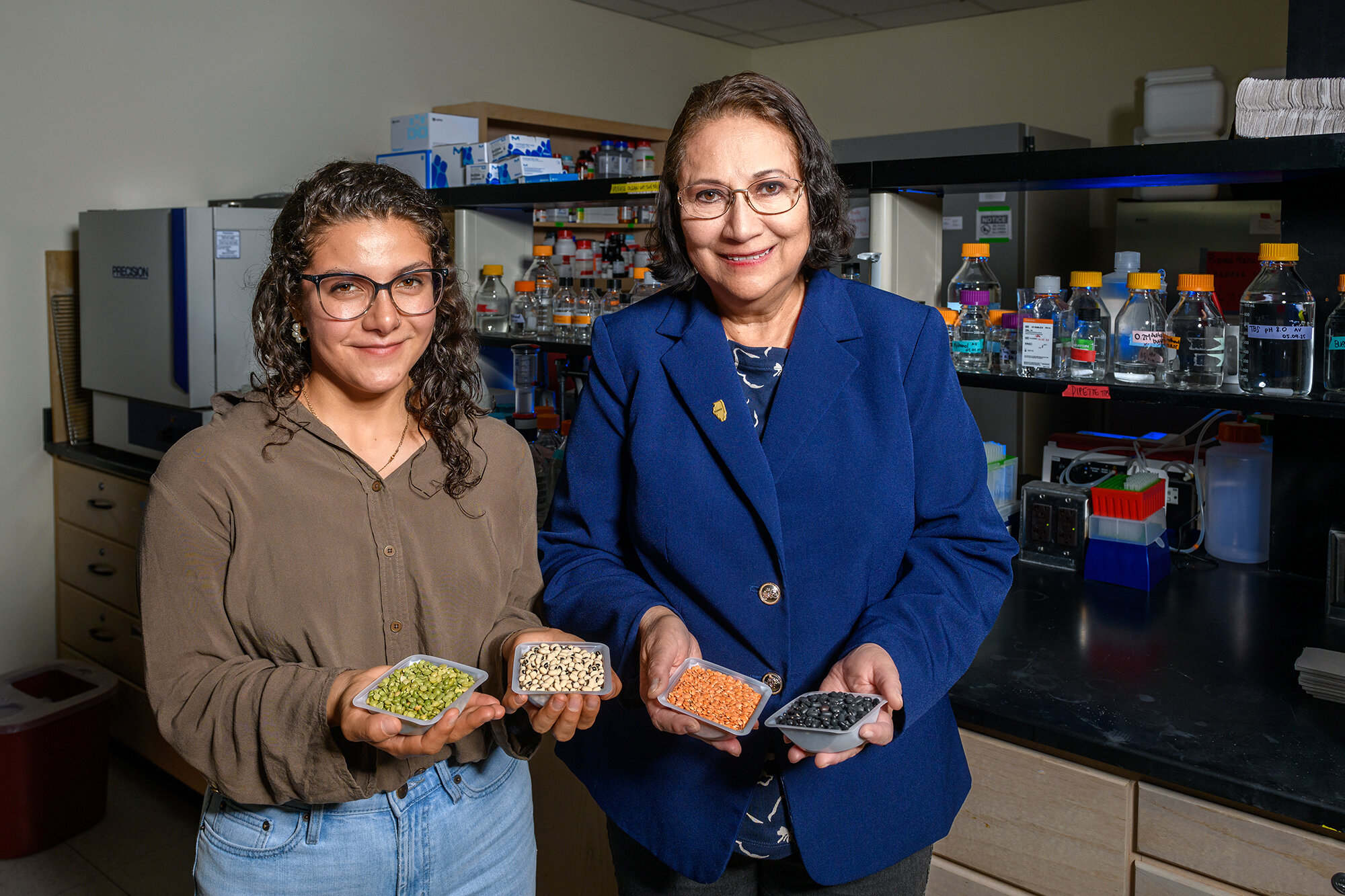
USask researchers have developed a radio frequency heating method that reduces antinutrients in peas and beans, making them easier to digest, more nutritious, and processing more energy-efficient, potentially benefiting sustainable food production.
Researchers from the University of Saskatchewan have developed a new radio frequency heating method that more effectively reduces antinutrients in legumes like beans and peas, making them easier to digest and potentially more environmentally friendly to process.
A study from the University of Illinois found that fermenting legume pulses with Lactiplantibacillus plantarum 299v enhances their antioxidant and antidiabetic properties, increases soluble protein content, and could support healthier plant-based diets and sustainable food production.
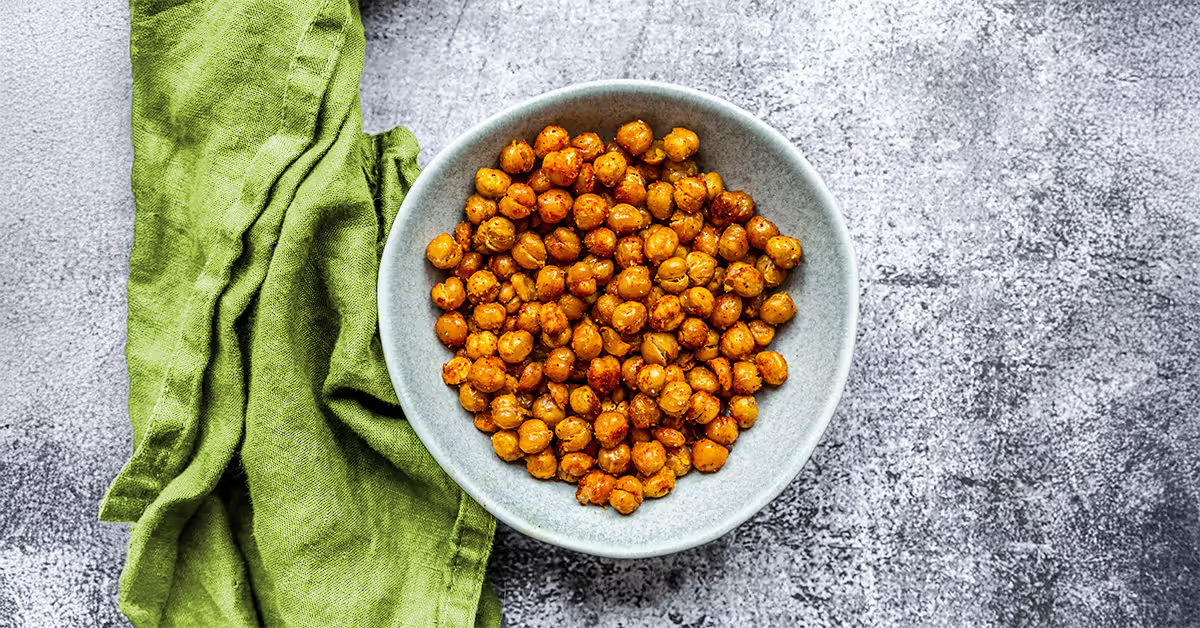
A 12-week study suggests that daily consumption of chickpeas and black beans may reduce inflammation and lower cholesterol levels in people with prediabetes, highlighting the potential cardiovascular benefits of legumes, though further research is needed.
Eating high-quality carbs such as whole grains, fruits, vegetables, and legumes can promote healthy aging and reduce the risk of chronic diseases, while limiting refined and ultra-processed carbs is beneficial. The article highlights 13 nutritious carbohydrate sources like pears, pasta, red rice, berries, beans, and more, emphasizing their health benefits and role in maintaining physical and cognitive health.
Green peas are highly beneficial for gut health and cancer prevention due to their high fiber and phenolic compound content. These compounds, including quercetin and isoflavones, help reduce inflammation, repair colon damage, and inhibit cancer cell growth. Studies have shown that consuming legumes like peas can significantly lower the risk of cancer-related mortality. Peas can be easily incorporated into meals by adding them to salads, casseroles, or smoothies, or by roasting them for a crunchy snack.
Professor Tim Spector advocates for the increased consumption of beans, legumes, and pulses due to their high protein, fiber, and polyphenol content, which offer numerous health benefits including anti-inflammatory and anti-carcinogenic properties. He emphasizes their affordability, environmental benefits, and long shelf life, urging people to incorporate these nutrient-dense foods into their diets.
Leafy greens, berries, fatty fish, nuts and seeds, and legumes are top foods to manage blood sugar as they have minimal impact on blood sugar levels, improve insulin sensitivity, and help stabilize insulin levels. These foods are rich in fibre, vitamins, and healthy fats, and have a low glycaemic index, making them beneficial for individuals looking to maintain stable blood sugar levels.
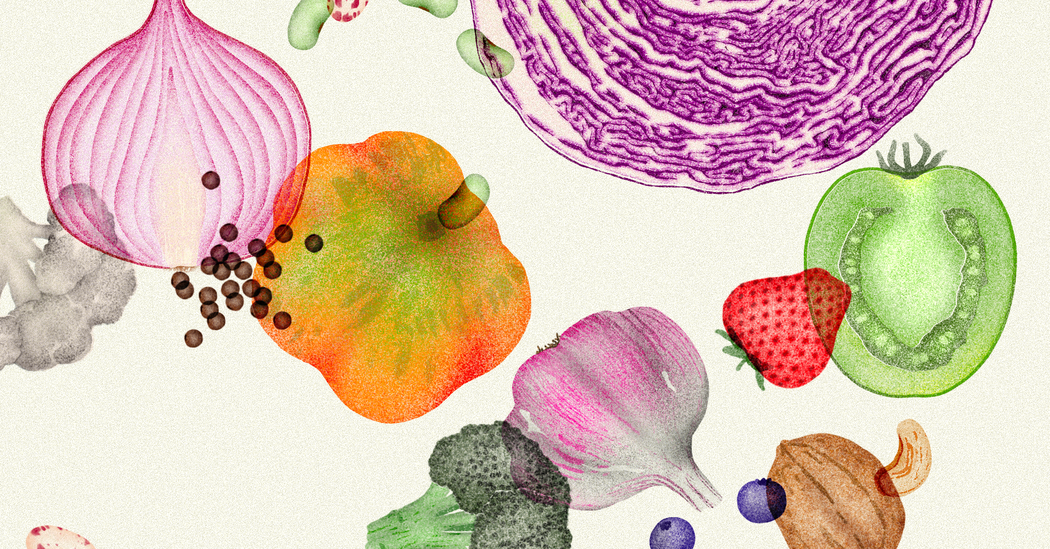
While no single food can prevent cancer on its own, experts recommend incorporating certain foods into your diet to reduce the risk. Cruciferous vegetables like broccoli and cabbage contain isothiocyanates that help clear out toxins and repair cells. Tomatoes, especially when cooked or consumed with fat, are linked to a reduced risk of prostate, breast, lung, and colorectal cancers. Beans and legumes high in fiber promote gut and immune health, reducing the risk of colorectal cancer. Nuts, particularly walnuts, contain plant compounds that may inhibit cancer growth. Berries rich in antioxidants and anti-inflammatory compounds can protect cells from DNA damage. Garlic, with its sulfur-containing compound allicin, has been associated with a reduced risk of stomach and colorectal cancers.
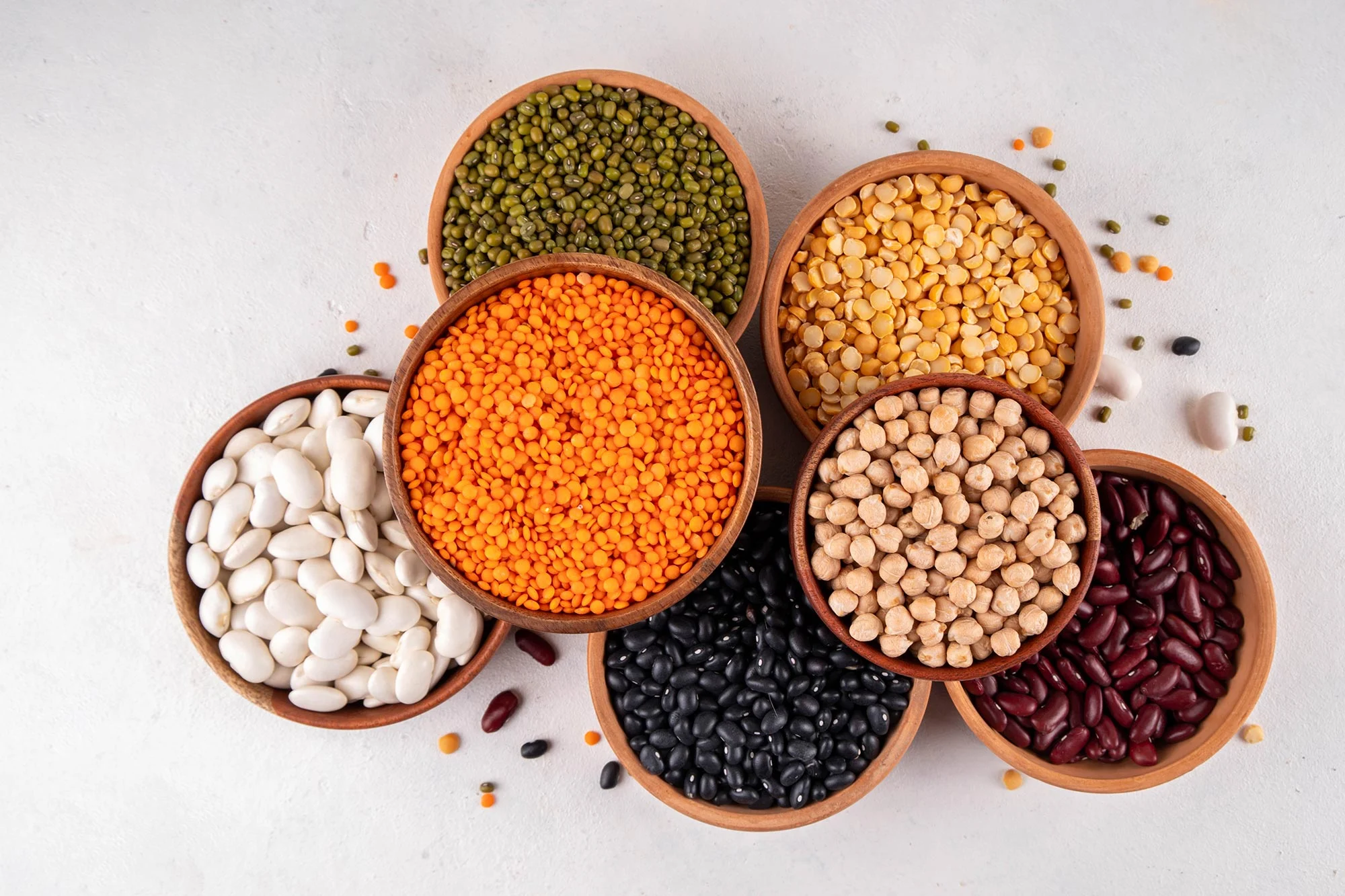
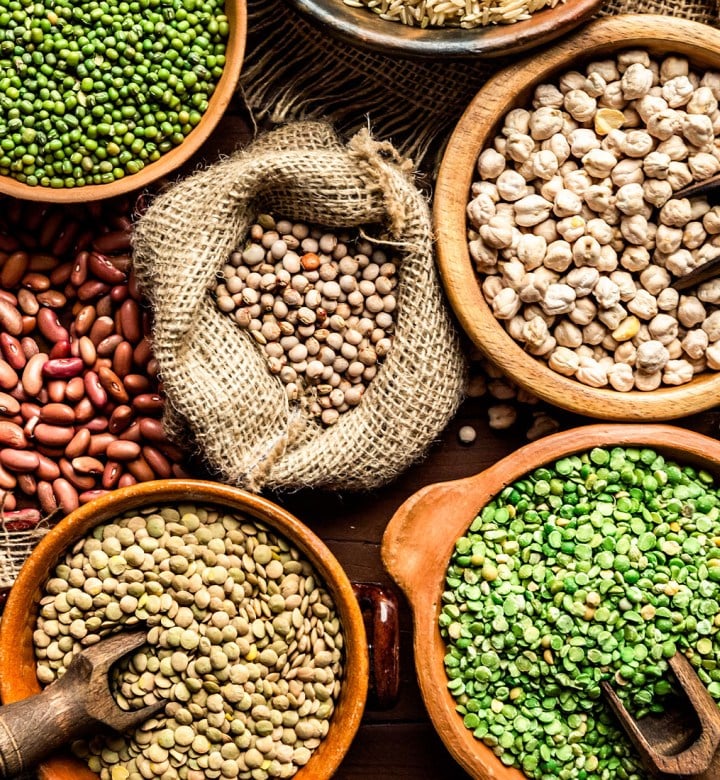
A dietitian has compiled a list of the healthiest beans to incorporate into your diet, including lentils, black beans, chickpeas, red kidney beans, navy beans, adzuki beans, white beans, lupini beans, soybeans, and fava beans. These legumes offer various nutritional benefits, such as being rich in fiber, protein, vitamins, and minerals. They can be prepared in a variety of ways, including soups, salads, dips, and main dishes, making them a versatile and nutritious addition to any meal plan.
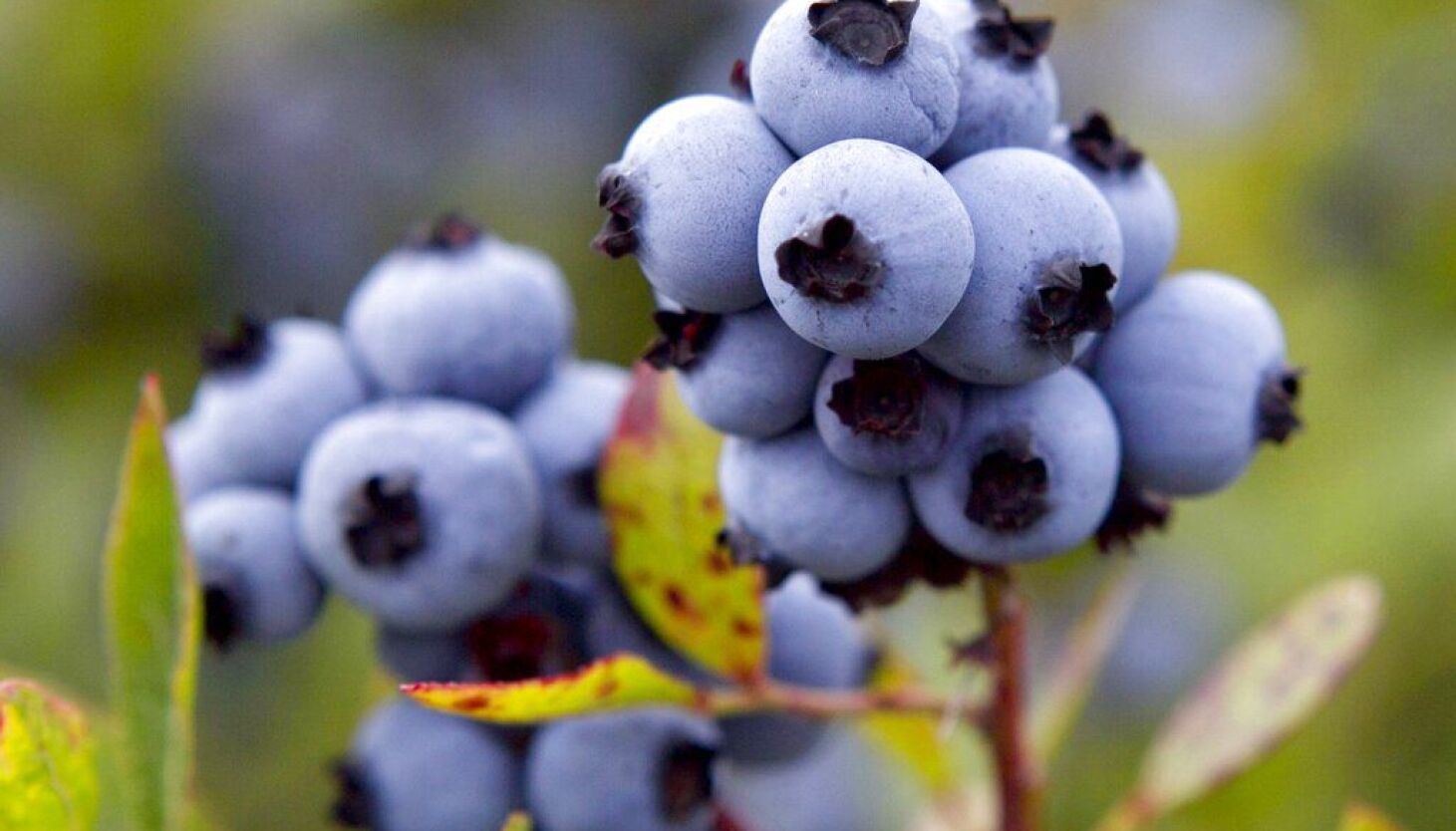
Superfoods like berries, leafy greens, nuts and seeds, avocados, and legumes offer numerous health benefits. Berries are rich in antioxidants and can reduce the risk of heart disease and cancer. Leafy greens are packed with vitamins and can help fight colorectal cancer and obesity. Nuts and seeds aid in weight regulation and can lead to weight loss. Avocados benefit the heart, eyesight, and may help prevent cancer. Legumes, such as beans and lentils, are a great source of fiber and can help prevent various diseases.
A study conducted at the University of Helsinki found that substituting red and processed meat with legume-based food products, such as peas and faba beans, did not negatively impact bone health or protein nutrition. The study involved 102 Finnish men who followed a study diet for six weeks, with one group consuming red and processed meat and the other consuming legume-based products. The researchers observed no differences in bone formation or resorption markers between the groups, and both groups met the recommendations for essential amino acid and protein intakes. The findings support the environmental and health benefits of reducing red meat consumption and increasing legume consumption.
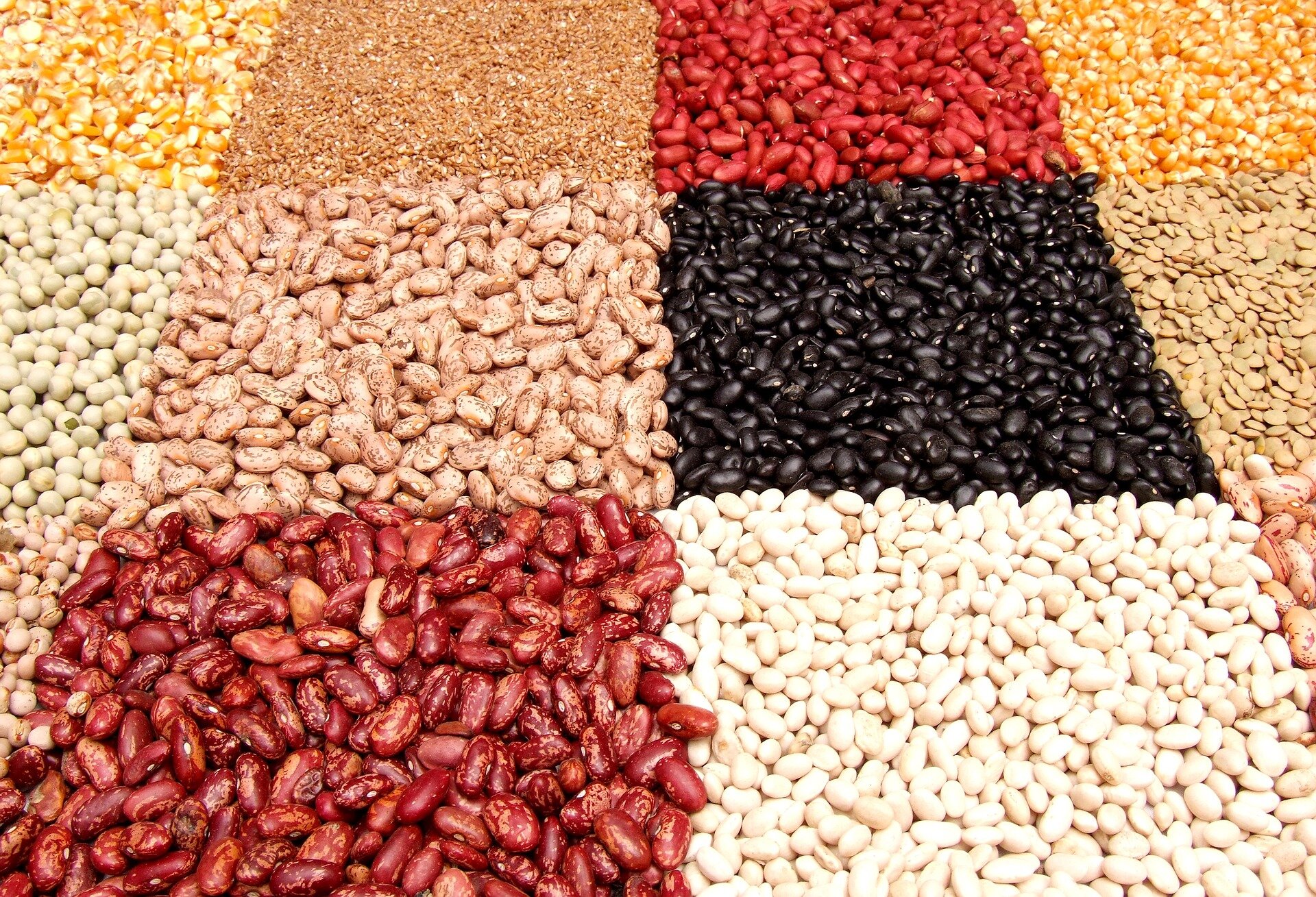
Legumes, such as beans, peas, lentils, and chickpeas, are a nutritious and affordable food group rich in minerals, vitamins, fiber, and protein. They can help maintain a healthy gut, reduce inflammation, improve immune function, lower cholesterol levels, stabilize blood sugar, and prevent heart disease and type 2 diabetes. Legumes are a healthier alternative to animal protein, providing more nutrients and fewer calories. Each type of bean offers different nutritional properties, making it beneficial to consume a variety. Overall, beans offer incredible nutritional value at an affordable price.