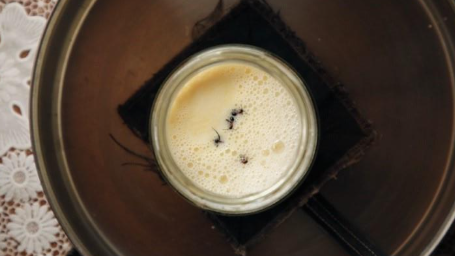
Anthropologists and food scientists recreated 'ant yogurt' using a centuries-old Balkan recipe involving live wood ants and warm milk, discovering that the fermentation process involves bacteria similar to those used in sourdough bread, and showcasing traditional food practices with modern culinary applications.
Researchers explore the traditional and scientific aspects of making ant yoghurt, a fermented treat from Bulgaria and Turkey, revealing that ants contribute microbes and formic acid to ferment milk into yoghurt. While promising for food innovation, ethical and sustainability concerns prevent DIY attempts, but the research opens possibilities for novel flavors and plant-based alternatives.
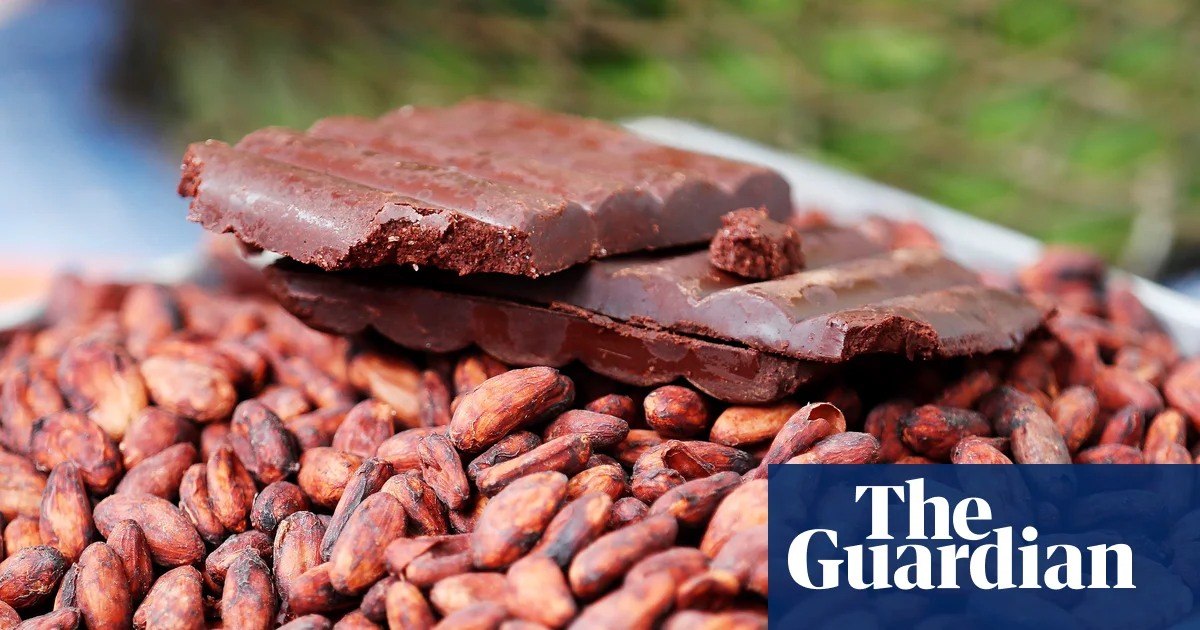
Scientists have identified key microbes involved in cocoa fermentation that influence chocolate flavor, potentially enabling the production of more flavorful and diverse chocolates through targeted fermentation strategies, dubbed the 'secret sauce' for fine chocolate.
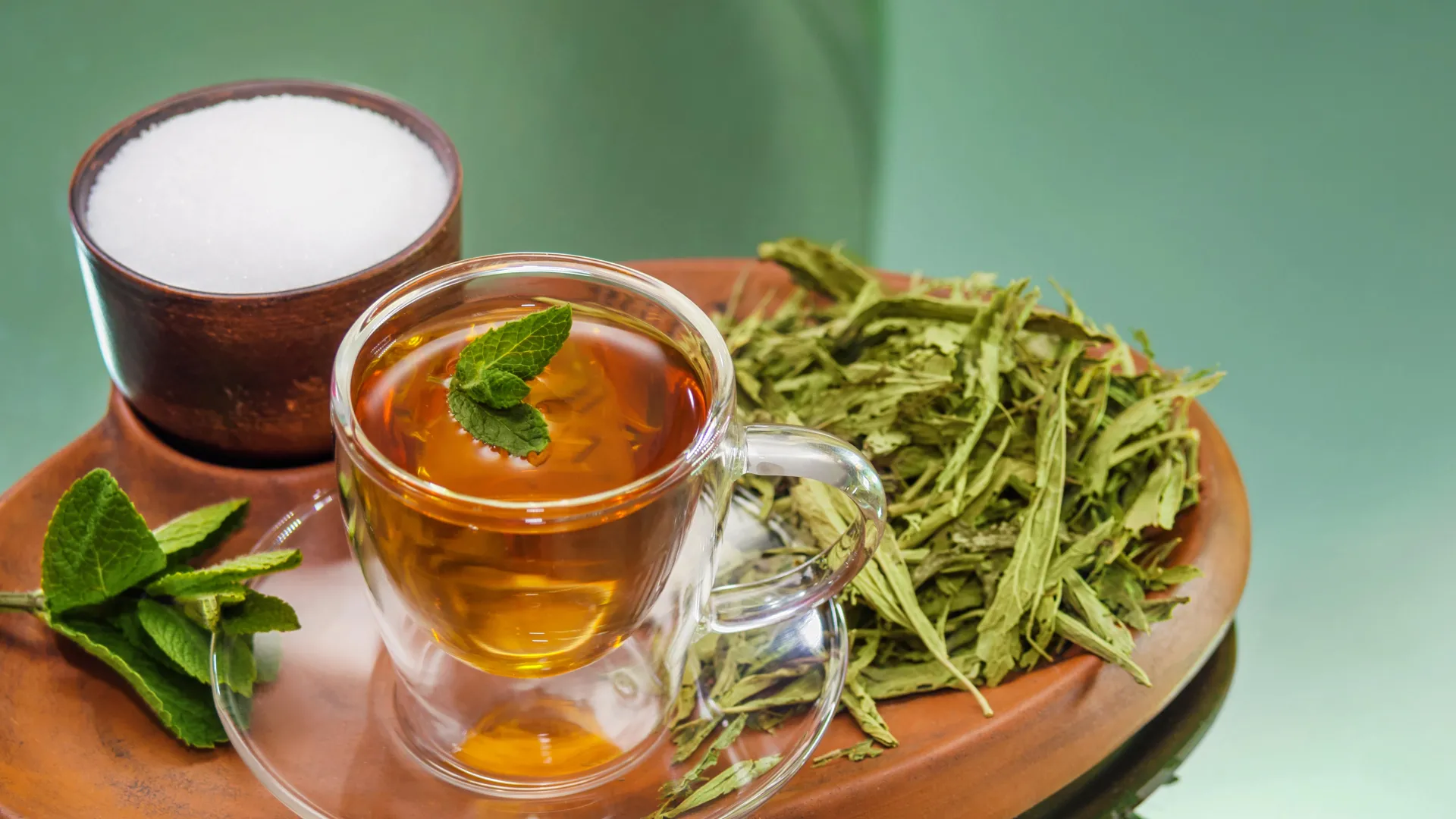
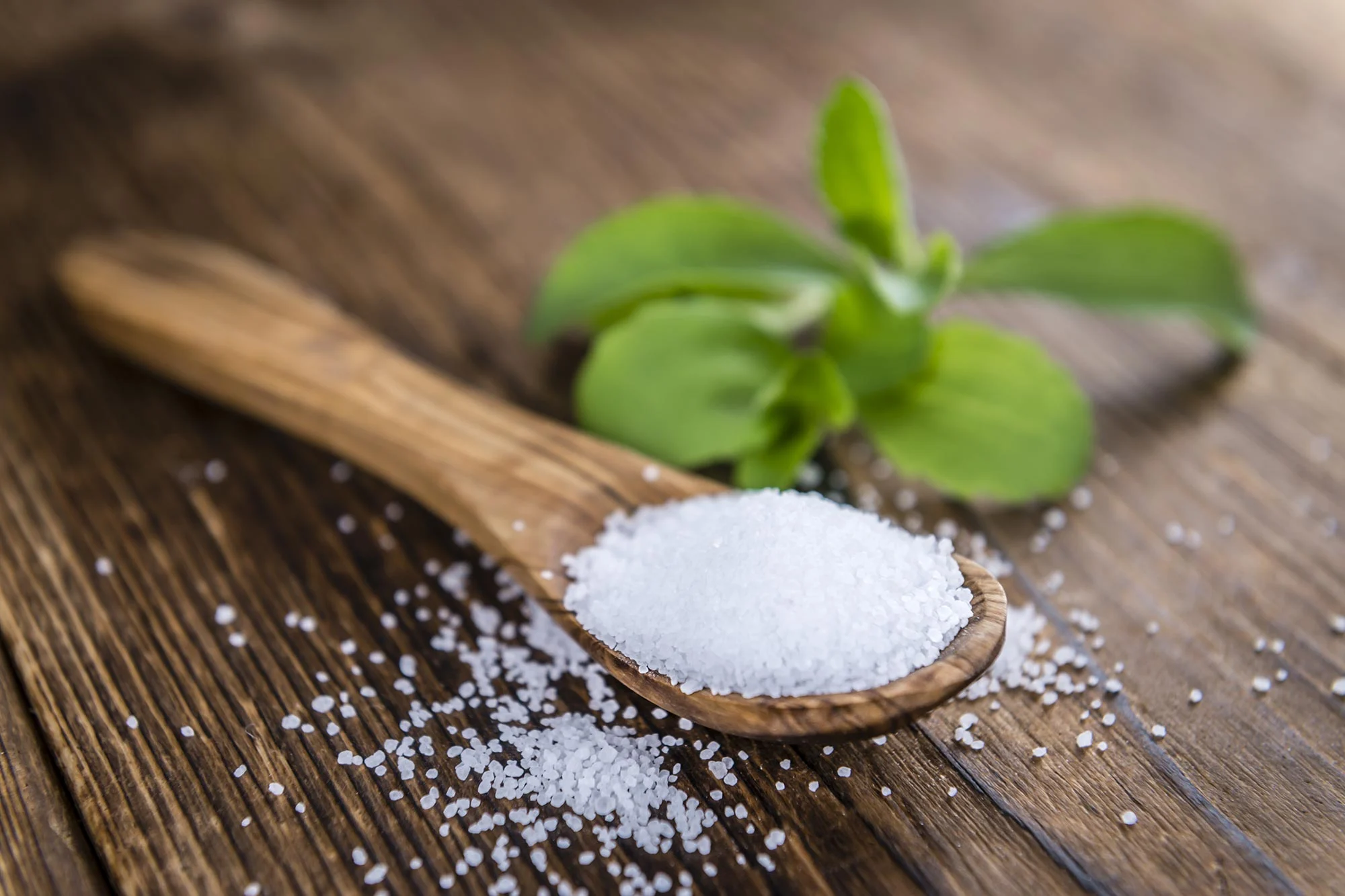
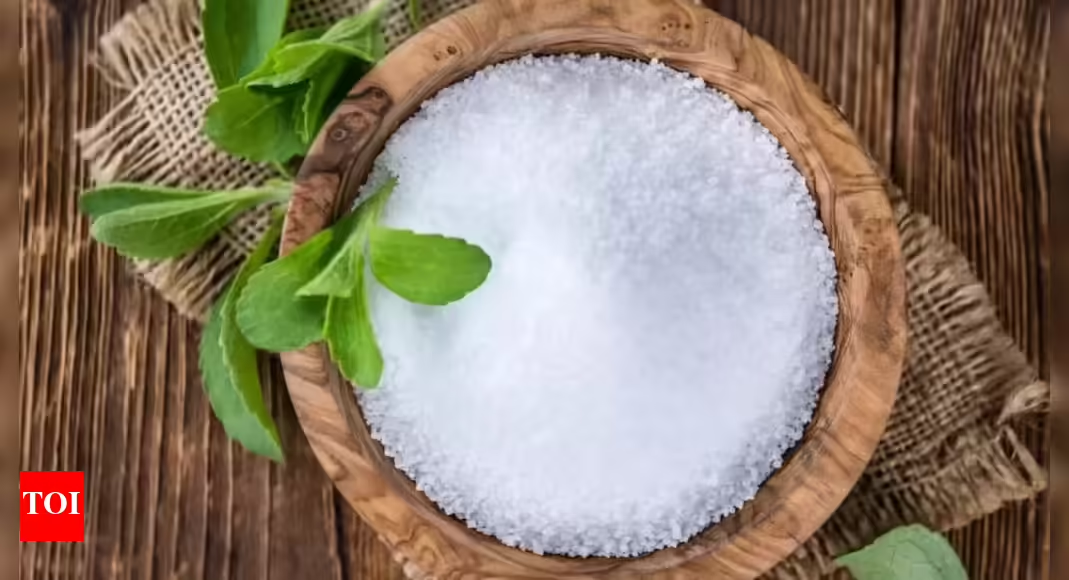
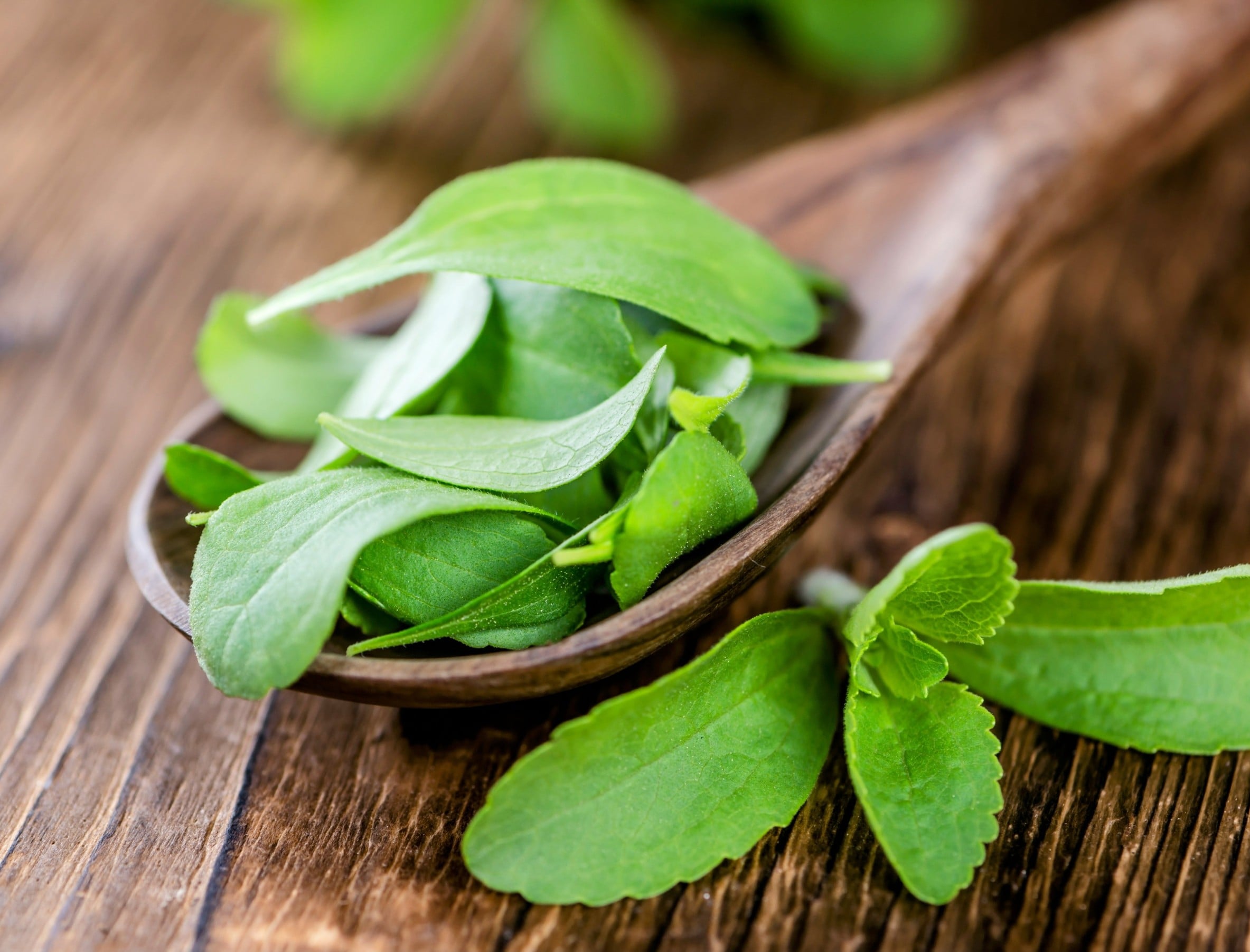
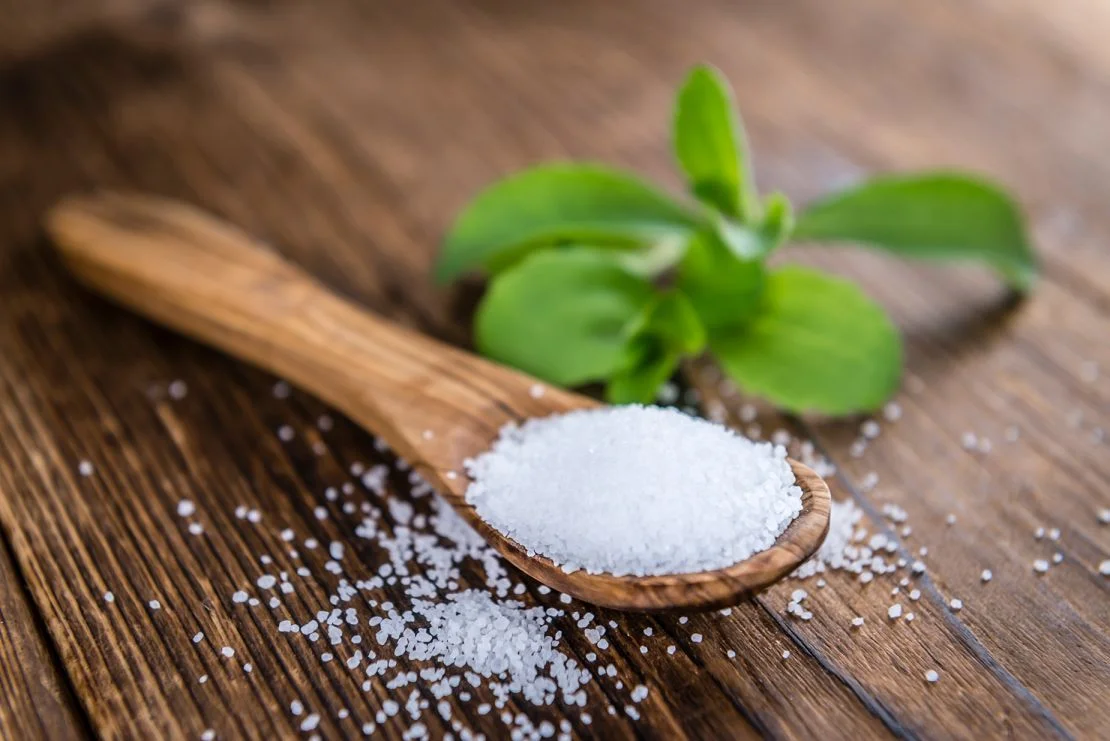
Research from Hiroshima University shows that fermented stevia extract, specifically with Lactobacillus plantarum, can kill pancreatic cancer cells while sparing healthy kidney cells, with the active compound chlorogenic acid methyl ester (CAME) playing a key role, suggesting potential for natural cancer therapies.
Research in Japan suggests that fermented stevia, a natural sweetener, may have potent anti-cancer properties, particularly against pancreatic cancer, by producing a compound called CAME through fermentation, which kills cancer cells while sparing healthy cells. However, these findings are preliminary and based on lab studies, requiring further research to confirm potential therapeutic uses.
Scientists at Hiroshima University have enhanced the cancer-fighting properties of stevia by fermenting it with bacteria from banana leaves, creating a compound called CAME that selectively kills pancreatic cancer cells while sparing healthy cells, opening new avenues for probiotic-based cancer therapies.
A recent study suggests that fermented stevia, transformed by bacteria, can selectively kill pancreatic cancer cells while sparing healthy cells, potentially offering a new natural approach to cancer treatment. The fermentation process enhances the compound's effectiveness, with promising results in lab tests and plans for further animal studies.
Researchers found that fermenting stevia with a bacterium from banana leaves enhances its ability to target pancreatic cancer cells while sparing healthy cells, potentially due to the formation of a more active compound called CAME, which induces cancer cell death and alters gene activity, offering a promising natural approach for cancer treatment.
Scientists have found that fermenting stevia leaf extract with a specific bacterial strain enhances its ability to selectively kill pancreatic cancer cells while sparing healthy cells, thanks to a compound called chlorogenic acid methyl ester (CAME). This discovery suggests potential for natural, probiotic-based cancer therapies, with further research needed in animal models and human trials.
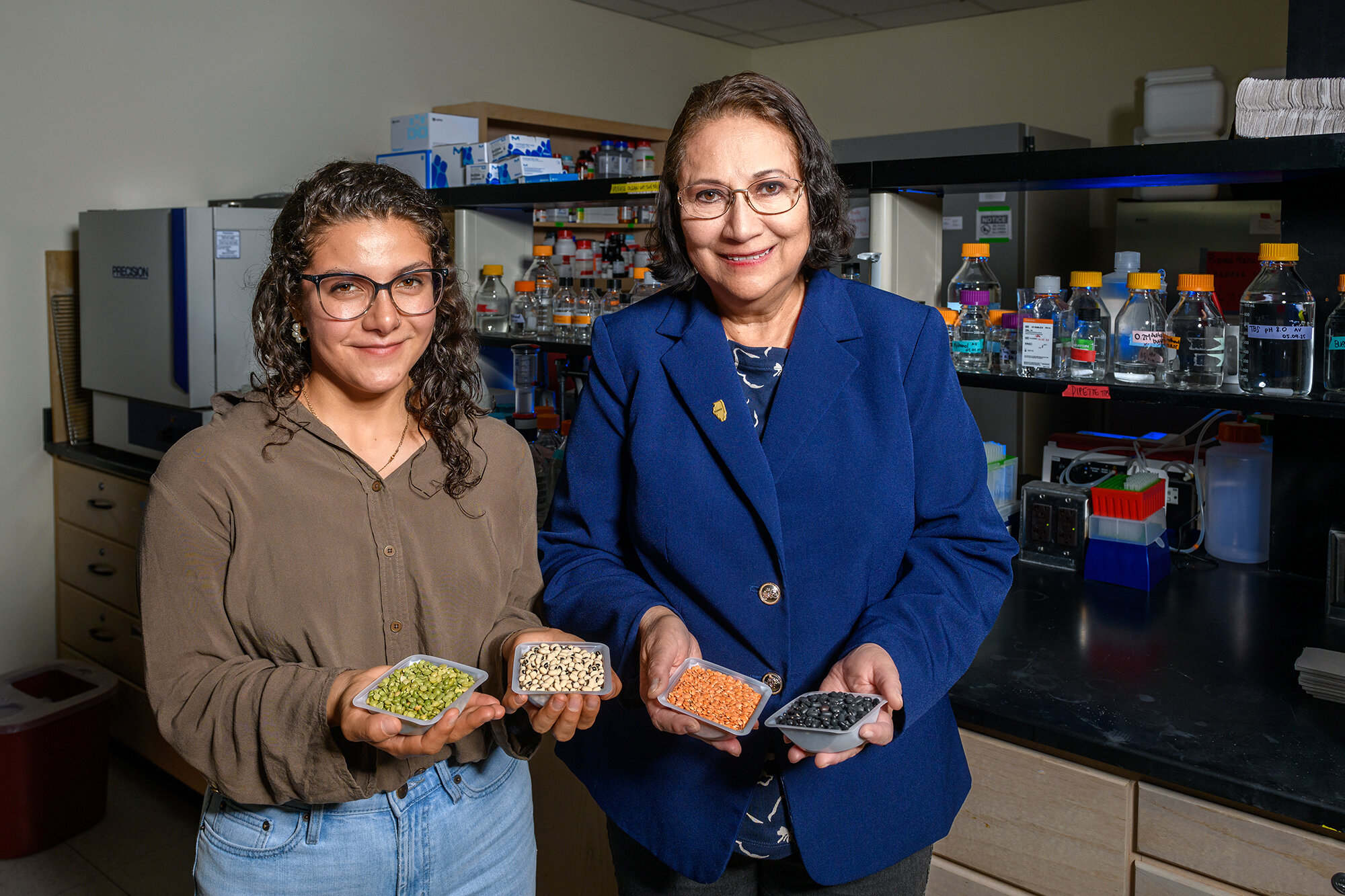
A study from the University of Illinois found that fermenting legume pulses with Lactiplantibacillus plantarum 299v enhances their antioxidant and antidiabetic properties, increases soluble protein content, and could support healthier plant-based diets and sustainable food production.
Researchers have discovered evidence of a 10,000-year-old beer brewing tradition in China's Lower Yangzi River valley, suggesting that ancient societies may have cultivated rice not only for food but also for brewing. The study, involving Stanford University and Chinese institutions, analyzed pottery vessels from the Shangshan site, revealing a sophisticated brewing process using rice, grains, acorns, and lily bulbs with a fermentation starter called "qu." This finding highlights the cultural significance of alcohol in early Chinese civilization and its potential role in the development of agriculture.
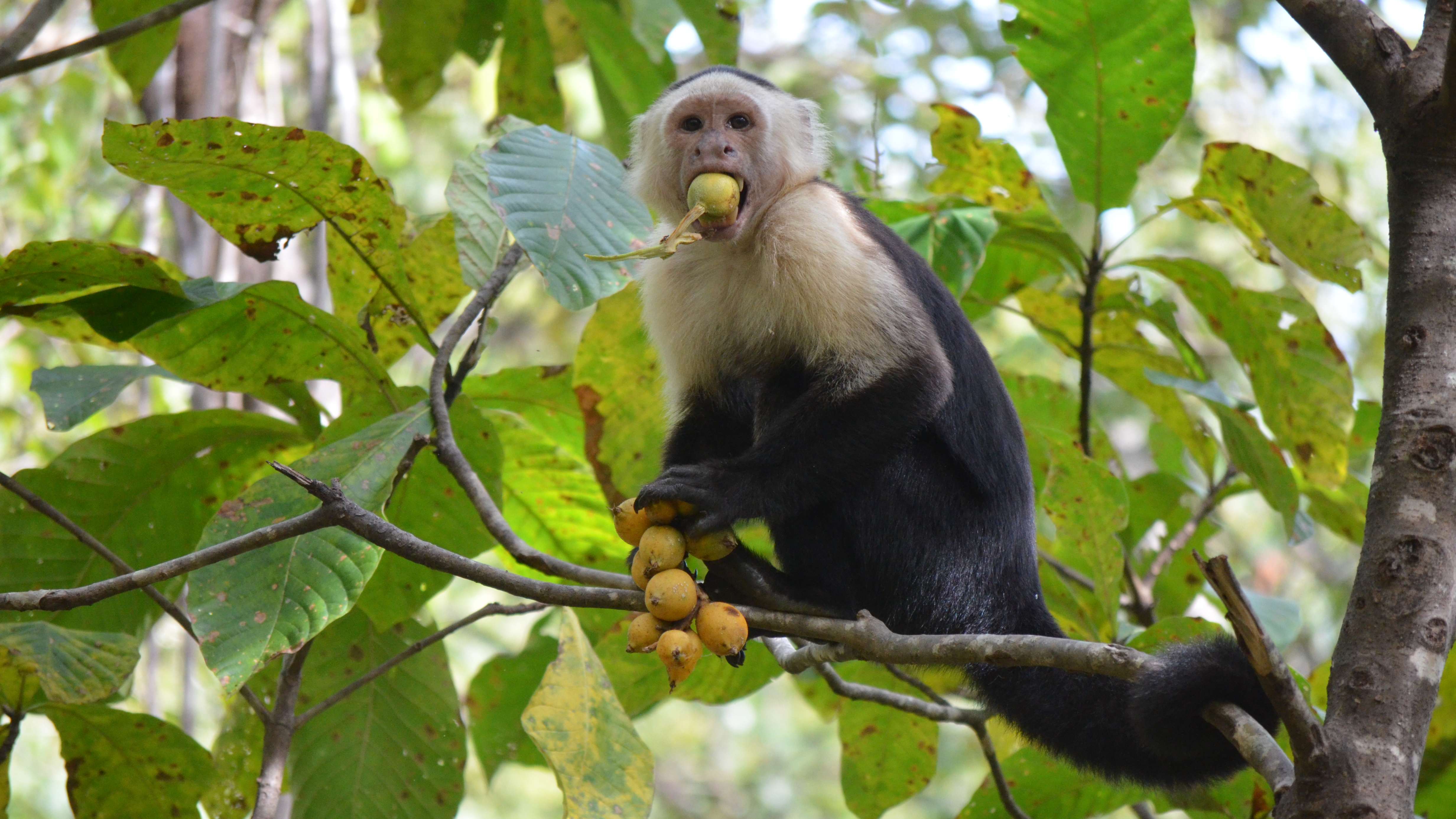
A study published in Trends in Ecology & Evolution reveals that many animals, including vultures, bears, and monkeys, consume alcohol in their natural environments, often from fermented fruits. Researchers propose four theories for this behavior: incidental consumption, nutritional benefits, medicinal properties, and the pleasurable effects of alcohol. The study highlights that animals, like humans, may seek out ethanol for its intoxicating effects, which could enhance social behaviors and survival.
Researchers at the University of Copenhagen have developed a new method to improve fecal transplants by cultivating beneficial bacteriophages from feces through fermentation. This technique aims to create a standardized, bacteria-free treatment that could be used for a wider range of gastrointestinal disorders and potentially other health issues. Initial studies in mice have shown promising results, particularly in treating infections with Clostridioides difficile, suggesting the potential for broader medical applications.
Recent research challenges the traditional view of Roman wine as unpleasant, revealing that Roman winemakers may have produced wines comparable to fine wines of today. The study compared Roman dolia with traditional Georgian qvevri, finding similarities in taste and aromas. The use of porous clay jars, controlled air contact, and burying the vessels in the ground allowed for temperature control and the development of protective yeasts, resulting in rich, balanced wines with grassy, nutty, and dried fruit flavors. This research highlights the value of comparing ancient and modern wine production techniques and the revival of ancient methods in some parts of Europe today.
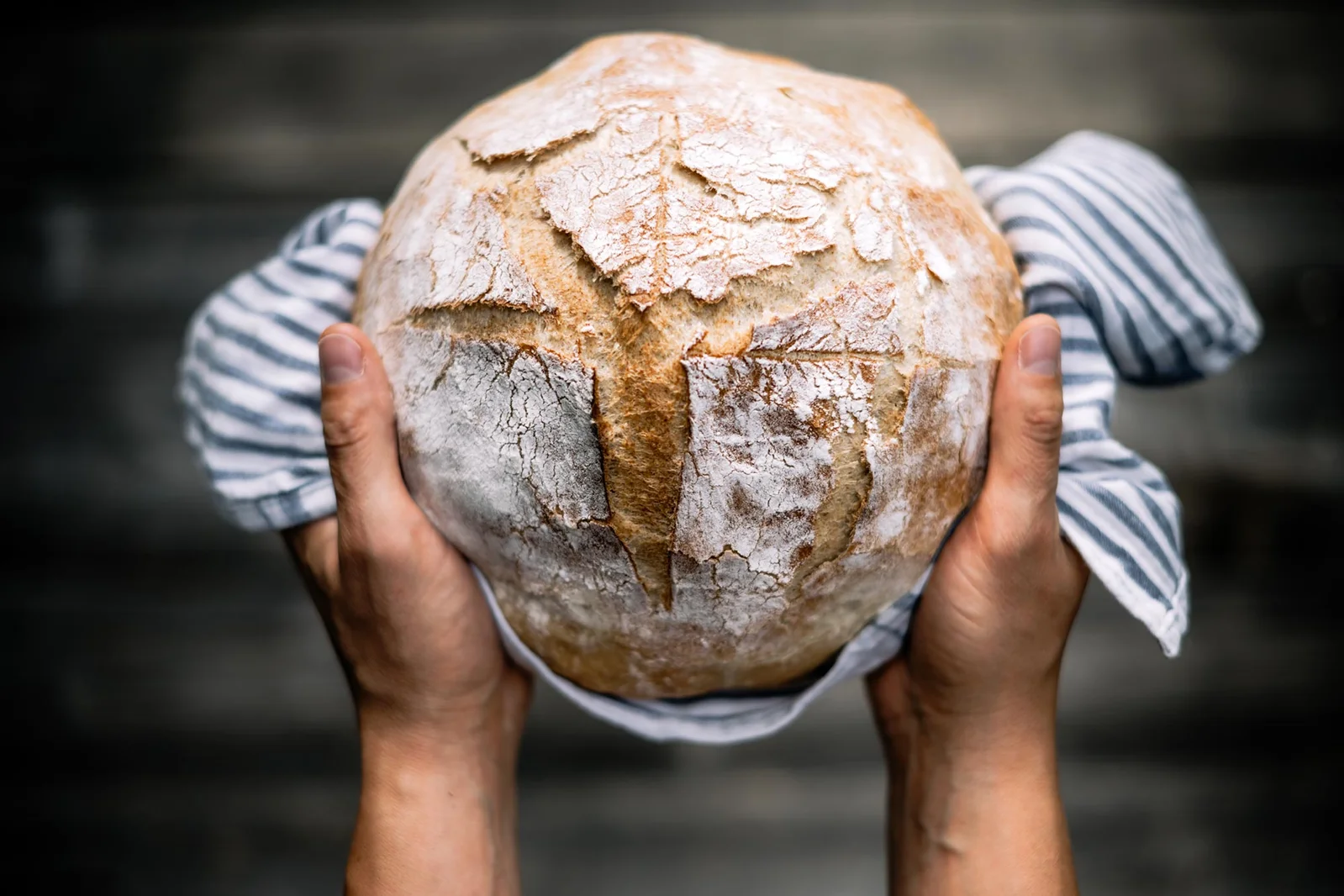
For those with gluten sensitivity, sourdough bread may be easier to digest due to the fermentation process, which pre-digests the gluten. However, it's important to ensure that the sourdough is made with a traditional starter and not fast-rising baker's yeast, as the latter won't provide the same gut-friendly benefits. Making sourdough at home allows for experimentation with proofing times to find the most digestible option.