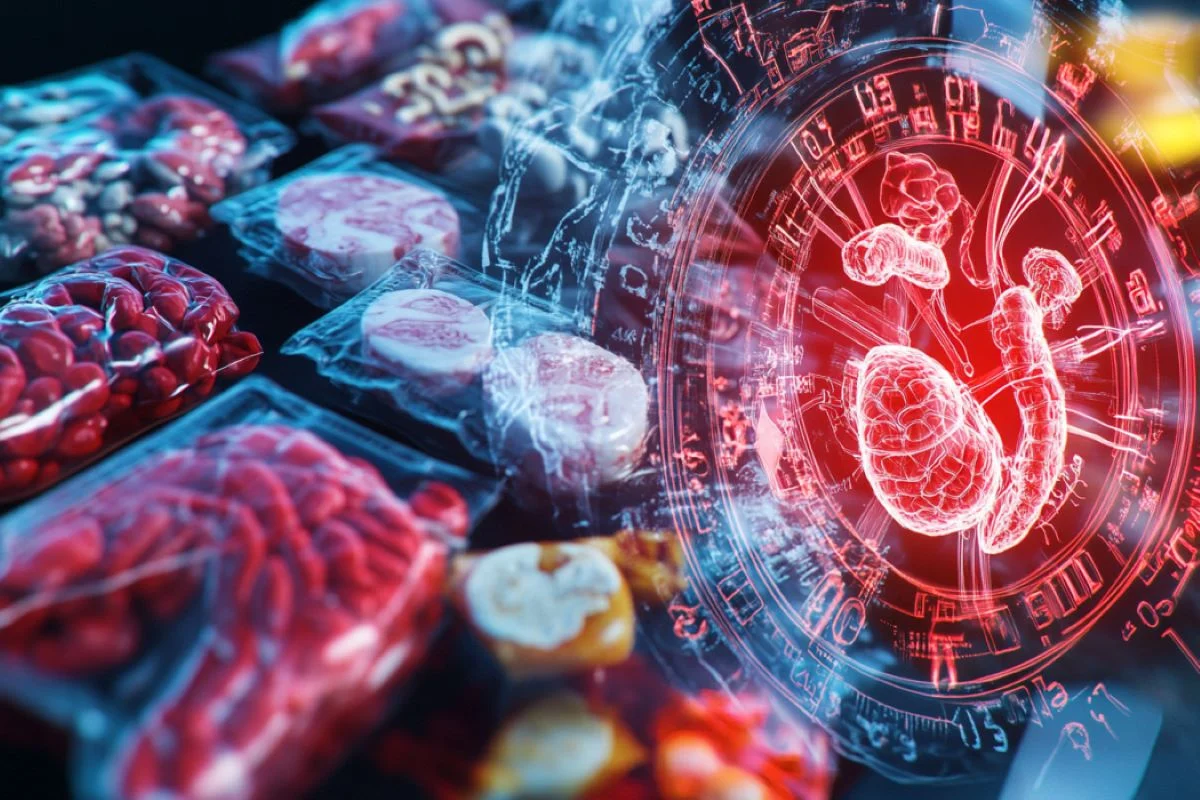
A study found that eating minimally processed foods can nearly double weight loss over 8 weeks compared to ultra-processed foods, even when both diets follow healthy guidelines, highlighting the importance of food processing level in weight management.
A study published in Nature Medicine shows that eating minimally processed, home-cooked foods leads to greater weight loss and health benefits compared to ultra-processed foods, emphasizing the importance of choosing whole, less processed foods for better health outcomes.
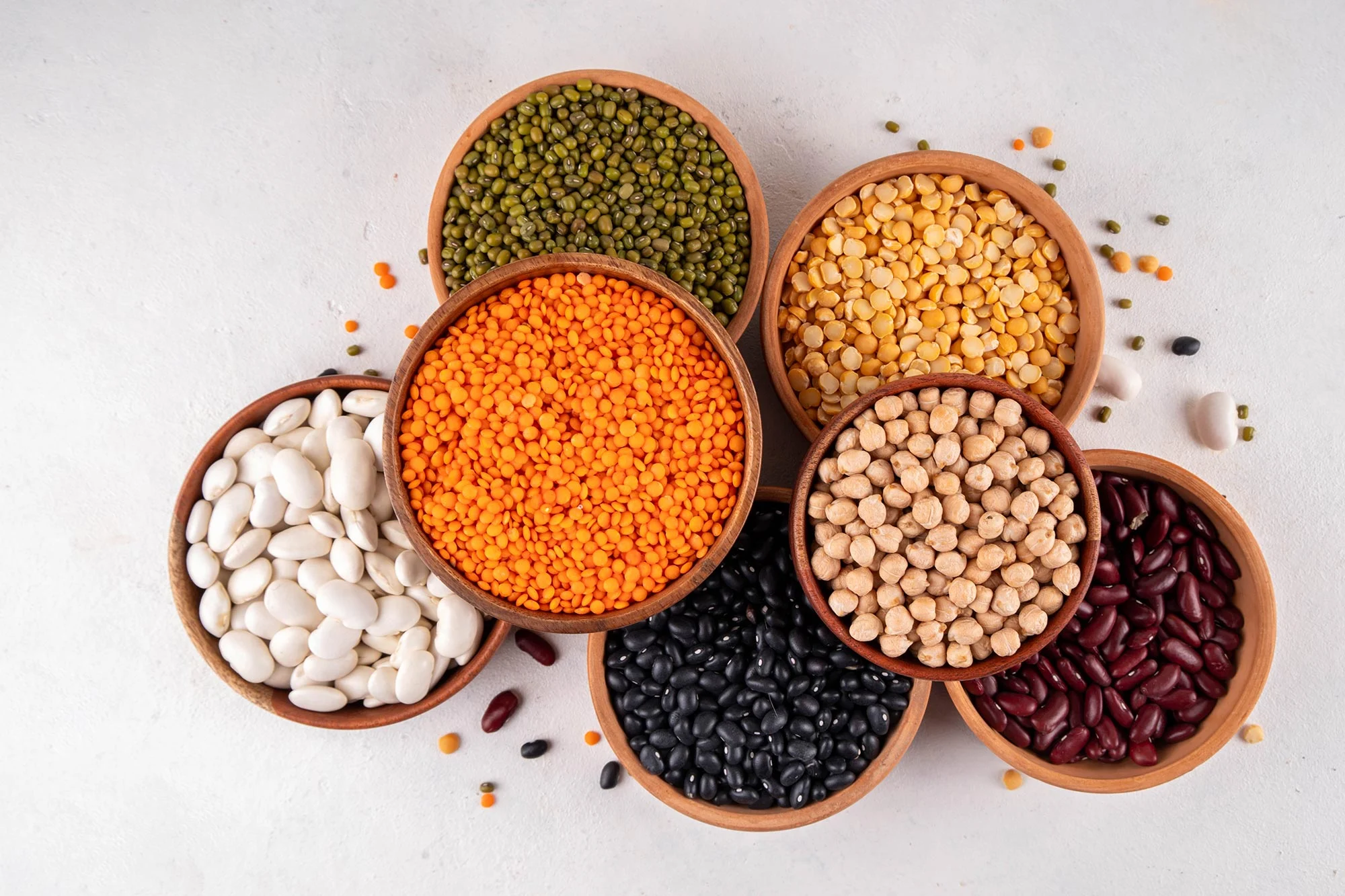
USask researchers have developed a radio frequency heating method that reduces antinutrients in peas and beans, making them easier to digest, more nutritious, and processing more energy-efficient, potentially benefiting sustainable food production.
The article debunks common vegan food myths, emphasizing that not all vegan foods are healthy, plant-based meat substitutes can be highly processed, almond milk isn't the best dairy alternative nutritionally, increasing fiber suddenly can cause digestive issues, plant proteins vary in quality, and vegans may need supplements for certain nutrients. It encourages curiosity and informed choices for a balanced vegan lifestyle.
A top longevity doctor warns that a chemical called acrylamide, which forms during high-temperature cooking of foods like coffee, fries, and baked goods, may increase cancer risk. While studies are inconclusive, experts suggest reducing intake of fried and heavily processed foods, and choosing lighter roasted coffee, to minimize exposure. Current regulatory guidance emphasizes a balanced diet and cooking methods that lower acrylamide formation.
A recent study finds that many protein bars may not provide the high-quality protein they claim, with plant-based bars showing lower digestibility and potential misleading advertising, emphasizing the importance of consuming a balanced diet with whole foods for adequate protein intake.
The article discusses the historical context of food processing, highlighting that while humans have been altering food for thousands of years, the health impacts of modern ultra-processed foods remain unclear. The process of nixtamalisation, used by ancient Mesoamericans, is an example of traditional food processing that enhanced nutritional value, contrasting with today's concerns over ultra-processed foods.
Scientists are investigating the negative health impacts of ultra-processed foods, which are significantly altered from their original form, unlike traditional methods like nixtamalisation that enhance nutritional value. These modern processing techniques often strip foods of essential nutrients and add unhealthy ingredients, contributing to various health issues.
A study involving over 22,000 participants has linked high consumption of ultra-processed foods to accelerated biological aging, as measured by blood biomarkers. These foods, rich in additives and low in fiber, can negatively impact glucose metabolism and gut health, suggesting that dietary guidelines should consider food processing levels to promote long-term health. The research highlights the potential health risks of diets high in processed foods, beyond their poor nutritional quality.
Ultra-processed foods, which are energy-dense and nutrient-poor, are linked to adverse health effects such as weight gain and increased risk of cardiovascular diseases. Identifying and avoiding these foods involves understanding food processing levels, nutrient density, and dietary patterns. Prioritizing whole or minimally processed foods, reading labels, and seeking guidance from a registered dietitian can help consumers make informed choices to reduce the risk of poor health outcomes associated with consuming ultra-processed foods.
Lamb Weston Holdings' stock plunged 19.4% after the company reported weaker-than-expected quarterly results, attributing the underperformance to challenges related to the transition to a new enterprise resource planning (ERP) system. The company's net sales grew 16% year over year to $1.458 billion, but adjusted net income decreased by 18%. Management has implemented adjustments to normalize fulfillment rates and revised its full-year outlook for net sales and adjusted earnings per share. Despite the stock's sharp decline, the company assures investors that the underperformance is a temporary issue rather than a broader market condition.
Shares of Lamb Weston Holdings plunged 19.4% after the company reported weaker-than-expected quarterly results, citing challenges related to a new enterprise resource planning (ERP) system and soft near-term restaurant traffic trends. The company reduced its full-year outlook for net sales and adjusted earnings per share, but management reassured investors that the underperformance was a temporary issue.
Ultraprocessed foods are created through manufacturing processes that "predigest" raw food ingredients, bypassing the body's signals of fullness and leading to overeating. These foods, which make up a large portion of the US food supply, have been linked to weight gain and various health risks. The process of breaking down and reassembling food may also lead to a loss of essential nutrients. While some food processing can be beneficial, the extensive processing involved in ultraprocessed foods poses challenges for individuals trying to control their weight and maintain a healthy diet.
The debate over the health impacts of ultra-processed foods has been fueled by claims that they are more harmful than smoking. While some studies suggest a link between ultra-processed foods and poor health, the evidence is not conclusive. Observational studies may not fully account for other factors influencing health outcomes, and there is no clear consensus on whether food processing itself is harmful. The sensationalist messaging around ultra-processed foods may be causing unnecessary anxiety and distracting from addressing known unhealthy food products. More research is needed to better understand the relationship between ultra-processed foods and health.
Instead of focusing on calories or macronutrients, experts suggest considering the level of food processing when making dietary choices. Ultra-processed foods, which make up a significant portion of the American diet, lack fiber, contain high amounts of added sugar, salt, and fat, and have a long list of unrecognizable ingredients on their nutrition labels. Consuming a diet high in ultra-processed foods has been linked to health issues such as diabetes, cancer, and all-cause mortality. These foods also have addictive qualities and can lead to intense cravings, loss of control, withdrawal symptoms, and continued use despite negative consequences. Identifying which foods are most addictive and finding ways to change the modern food environment are ongoing challenges.