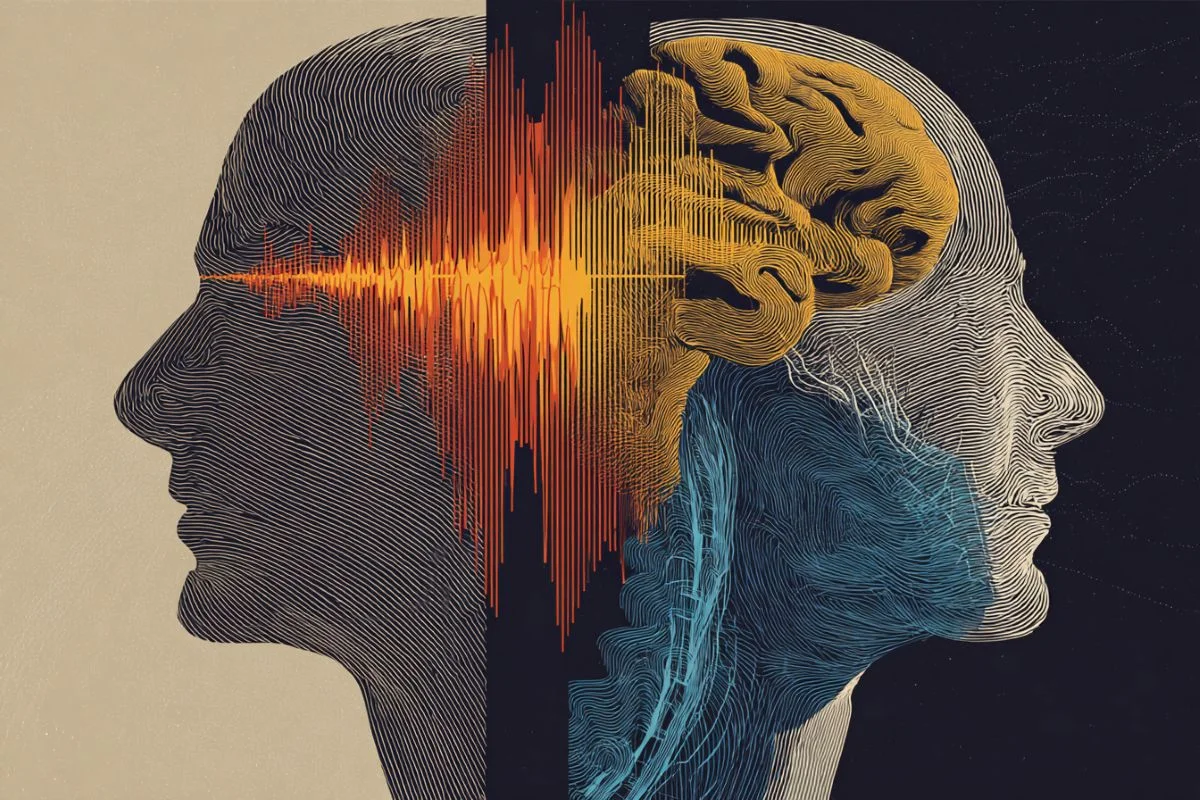
Researchers used non-invasive transcranial ultrasound stimulation to target the nucleus accumbens, a deep brain structure involved in motivation, and found it enhanced reward learning in humans within 60 seconds, suggesting potential for treating mental health disorders without surgery.
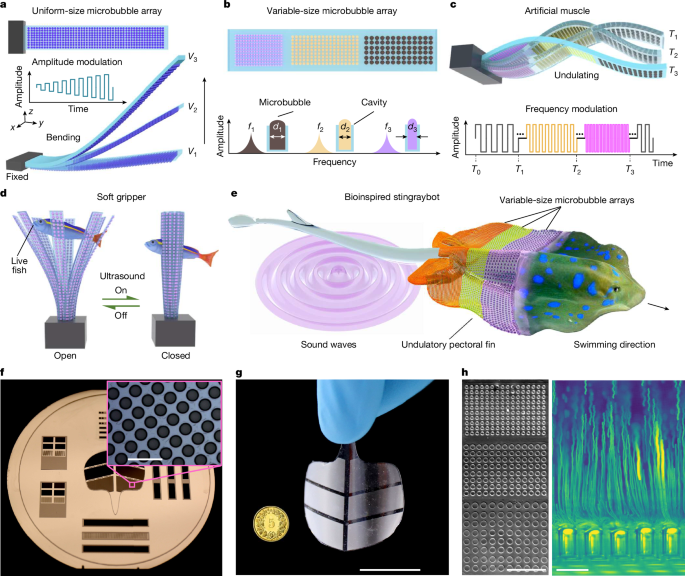
Researchers have developed programmable, wireless artificial muscles using ultrasound-activated microbubble arrays embedded in soft membranes, enabling diverse movements and applications in robotics, medical devices, and minimally invasive procedures, with high responsiveness and biocompatibility.
A groundbreaking non-invasive liver cancer treatment called histotripsy has been administered to the first NHS patient in the UK, using focused ultrasound waves to destroy cancerous tissue, offering a faster, safer alternative to traditional therapies and marking a significant advancement in cancer care.
Recent advances in focused ultrasound technology, which uses high-frequency sound waves, are opening new possibilities for treating diseases like Alzheimer's, cancer, and rare neurological conditions by enabling targeted drug delivery, stimulating immune responses, and potentially stopping disease progression, with ongoing clinical trials demonstrating promising results.
Ultrasound technology, particularly histotripsy, is emerging as a promising non-invasive method for treating cancer, offering targeted destruction of tumors with minimal side effects, and is now approved in the US and UK, potentially revolutionizing cancer care by reducing reliance on surgery, chemotherapy, and radiation.
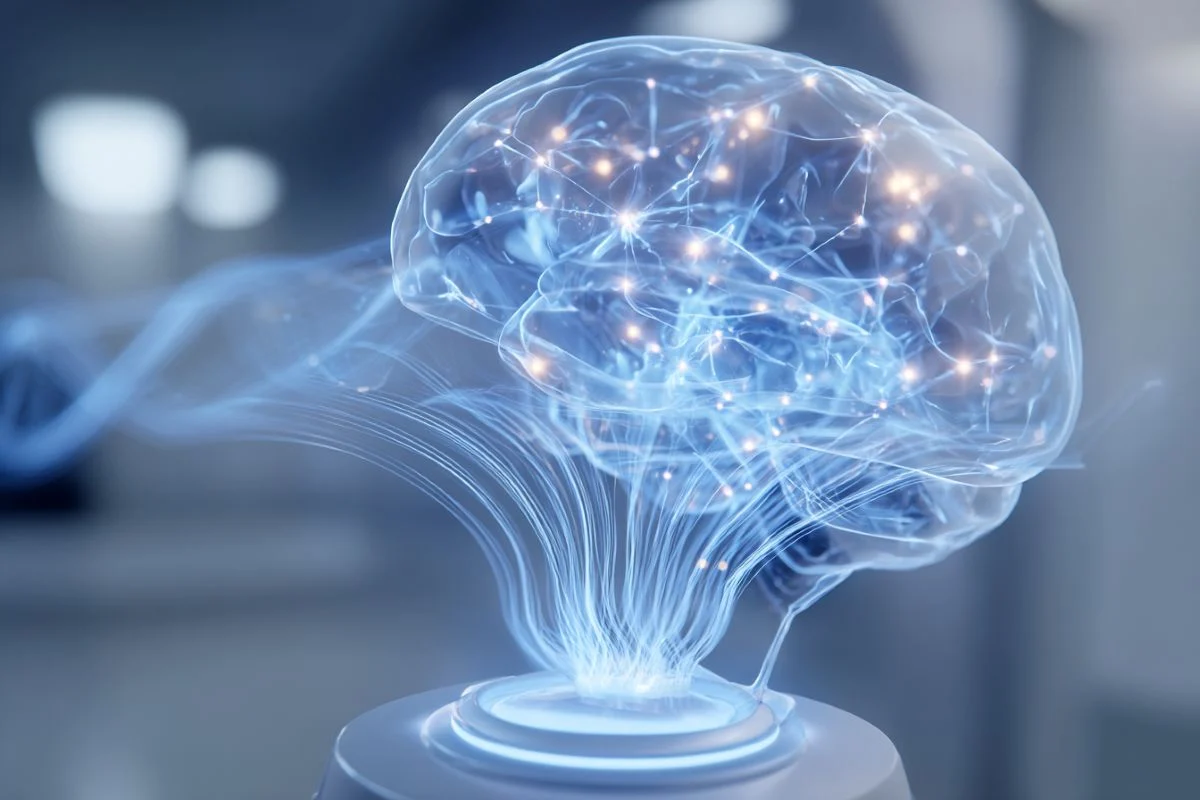
Researchers have developed a novel ultrasound device capable of simultaneously stimulating multiple precise points in the brain non-invasively, using low-intensity ultrasound to reduce risks and enable visualization of brain activity, with potential applications for treating neurological and psychiatric disorders.
Ultrasound is a versatile, radiation-free diagnostic tool used for various health assessments beyond pregnancy, including pain diagnosis, lump evaluation, thyroid monitoring, circulatory health, and organ function, with easy, affordable access through Echo Ultrasound's self-pay, same-day service.,
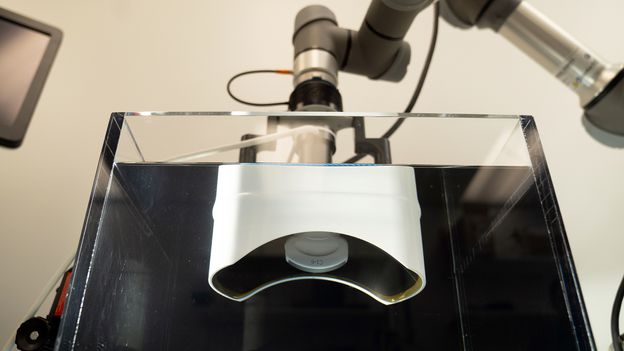
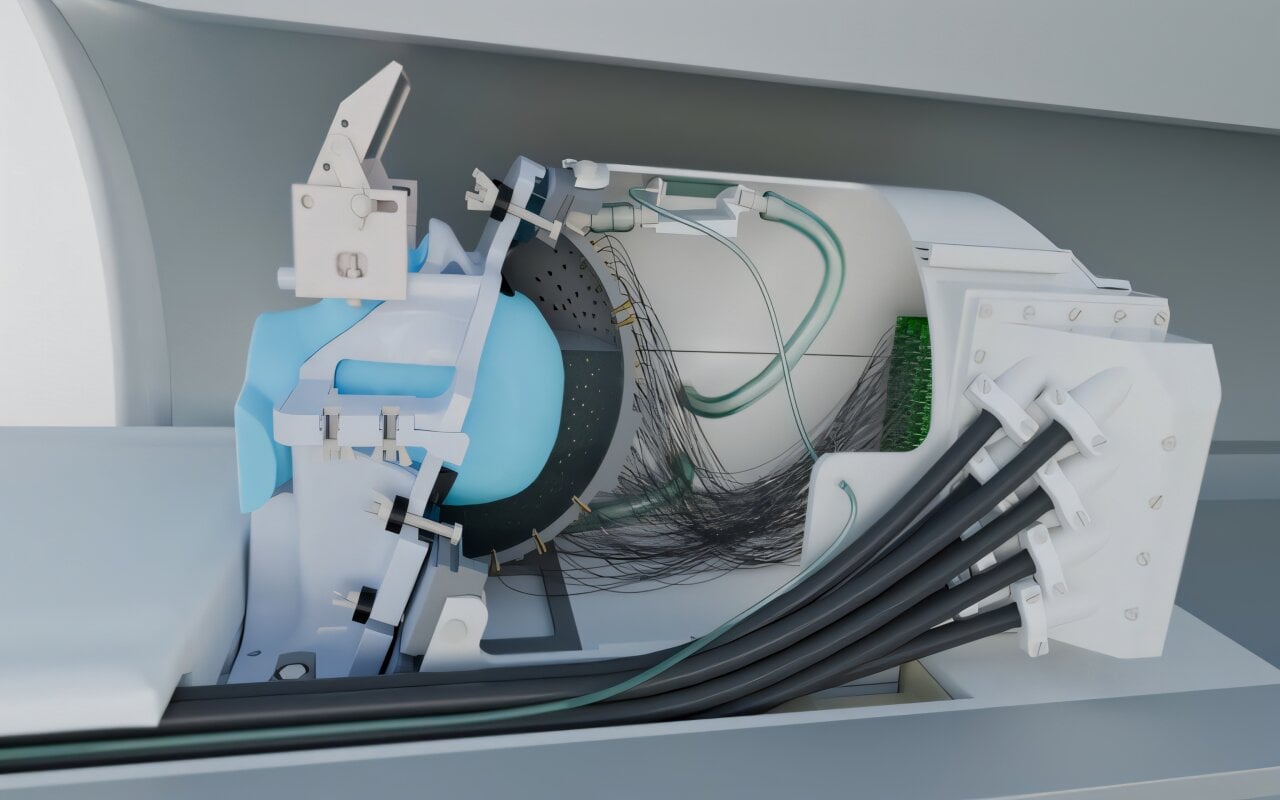
Researchers from UCL and Oxford have developed a non-invasive ultrasound helmet capable of precisely stimulating deep brain regions, such as the thalamus, without surgery, opening new avenues for neuroscience research and treatment of disorders like Parkinson's disease. The device uses 256 elements to focus ultrasound beams, demonstrated to modulate neural activity in human volunteers, with potential for clinical applications and personalized therapies.
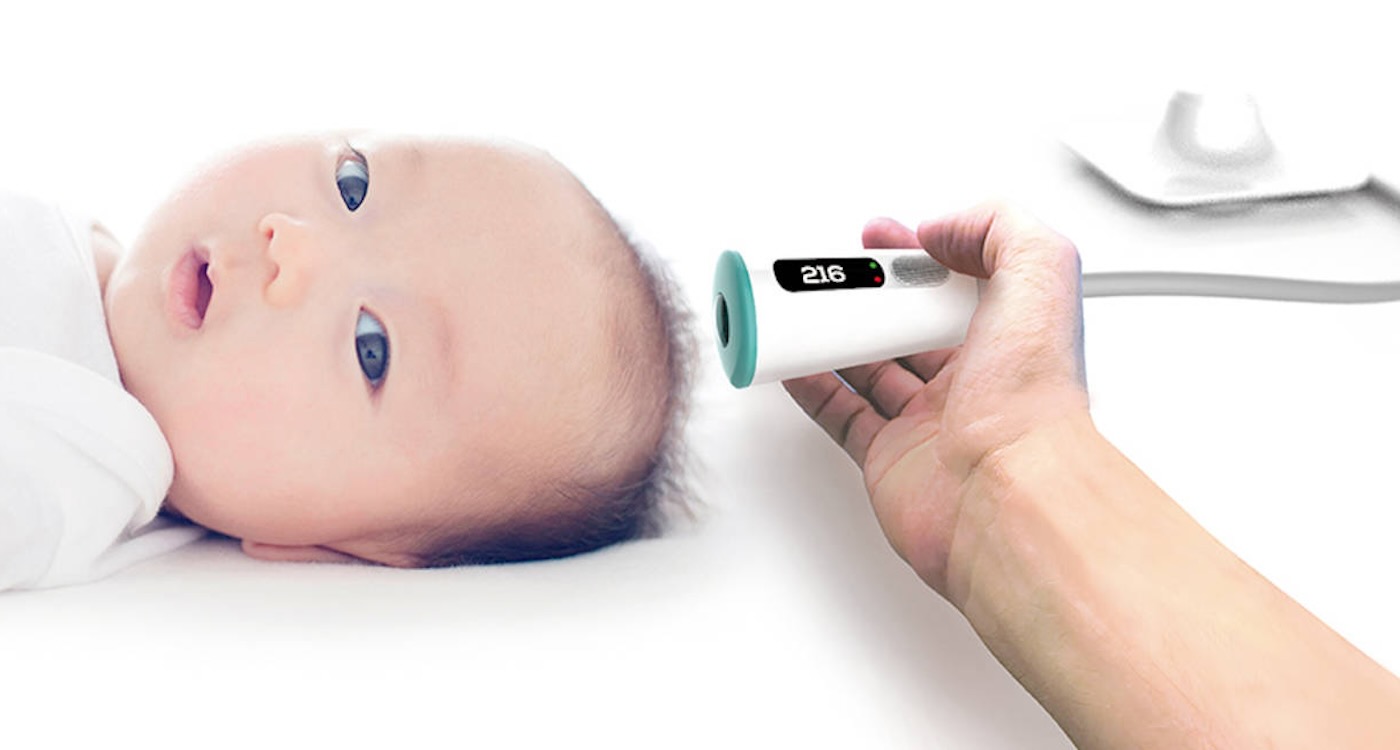
A new high-resolution ultrasound device called Neosonics offers a non-invasive, accurate method to detect meningitis in babies, potentially replacing the invasive spinal tap, with 94% accuracy demonstrated in a recent international study.
Research shows that ultrasonic vocalizations emitted by mice in pain can trigger hyperalgesia and brain inflammation in nearby mice, even without direct injury, highlighting how environmental and emotional stressors like stressful sounds can worsen pain and interfere with treatment in humans.
A researcher has demonstrated a method to transfer data between computers using ultrasonic sound waves, potentially bypassing air gaps in security, though it's more of a novelty than a reliable attack method, and mainly applicable to laptops with speakers and microphones.
The NHS in the UK will be the first in Europe to offer histotripsy, a non-invasive ultrasound technique that destroys tumors using focused sound waves, initially for liver cancer patients at Addenbrooke’s Hospital, promising faster recovery and fewer side effects.
Researchers at the University of California, San Diego have developed a wearable ultrasound patch that continuously monitors blood pressure, offering a noninvasive alternative to traditional cuffs and invasive arterial devices. The patch, which adheres to the forearm, has shown promising results in tests with over 100 patients, closely matching readings from standard methods. This innovation could help manage hypertension by providing detailed trends in blood pressure fluctuations, and the team plans to refine the device and conduct large-scale clinical trials.
Researchers at UC San Diego have developed a wearable ultrasound patch for continuous blood pressure monitoring, which has undergone comprehensive clinical validation on 117 subjects. This patch, made of a silicone elastomer with piezoelectric transducers, offers a noninvasive alternative to traditional methods, providing real-time blood pressure data. The device has shown comparable results to invasive arterial lines and is set for large-scale trials, with plans to integrate machine learning and develop a wireless version.
MIT researchers have developed a new method for deep brain stimulation using ultrasound instead of electrical impulses, delivered via a hair-thin fiber. This approach, tested in mice, can stimulate neurons to release dopamine, potentially offering a safer and more precise treatment for Parkinson's disease and other neurological disorders. The device, called ImPULS, avoids the corrosion and scar tissue issues associated with traditional electrodes and could also serve as a valuable research tool for studying the brain.