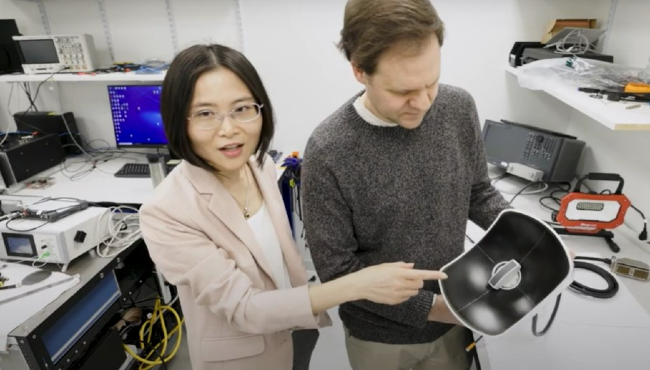
A groundbreaking non-invasive liver cancer treatment called histotripsy has been administered to the first NHS patient in the UK, using focused ultrasound waves to destroy cancerous tissue, offering a faster, safer alternative to traditional therapies and marking a significant advancement in cancer care.
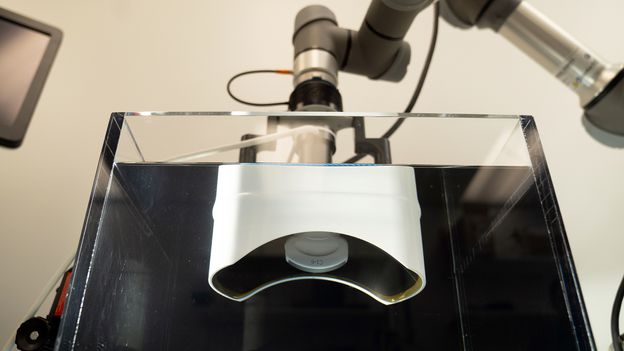
Ultrasound technology, particularly histotripsy, is emerging as a promising non-invasive method for treating cancer, offering targeted destruction of tumors with minimal side effects, and is now approved in the US and UK, potentially revolutionizing cancer care by reducing reliance on surgery, chemotherapy, and radiation.
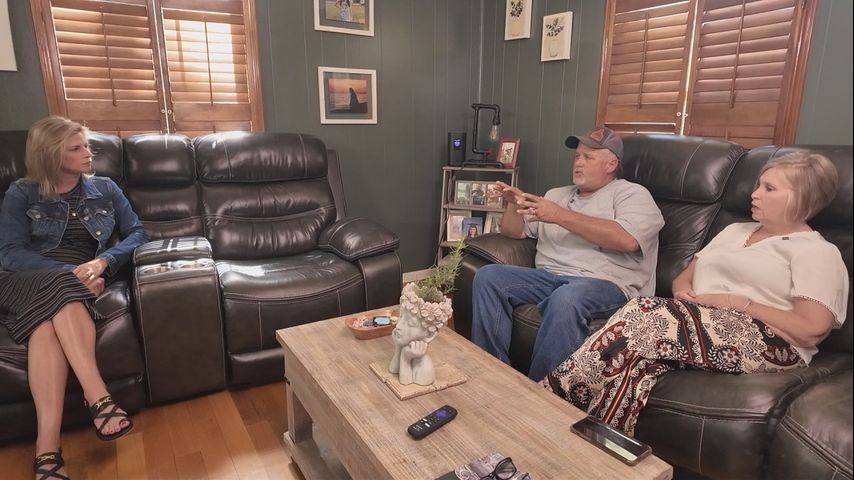
A man with advanced colorectal cancer faced insurance denials for a promising non-invasive treatment called Histotripsy, which could extend his life and improve quality of life. Despite evidence of its safety and effectiveness, many insurers consider it experimental, leading to delays and financial burdens. The case highlights ongoing challenges in accessing innovative cancer treatments due to insurance policies, even as medical professionals advocate for broader acceptance and use of such therapies.
The NHS in the UK will be the first in Europe to offer histotripsy, a non-invasive ultrasound technique that destroys tumors using focused sound waves, initially for liver cancer patients at Addenbrooke’s Hospital, promising faster recovery and fewer side effects.
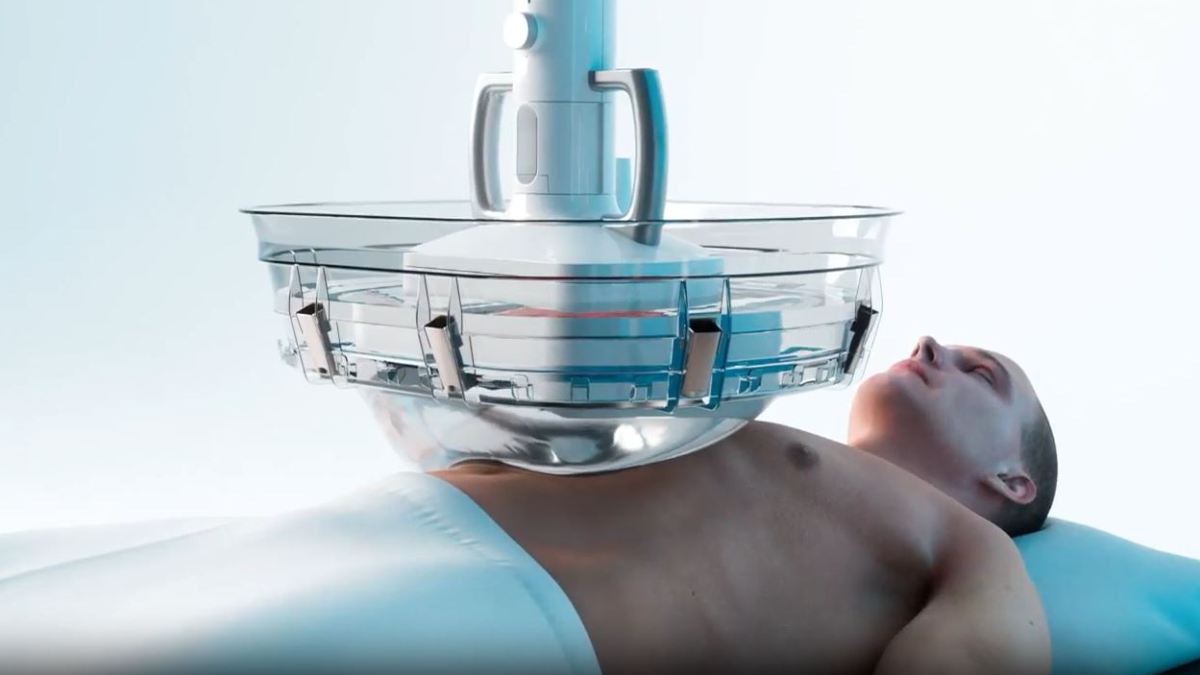
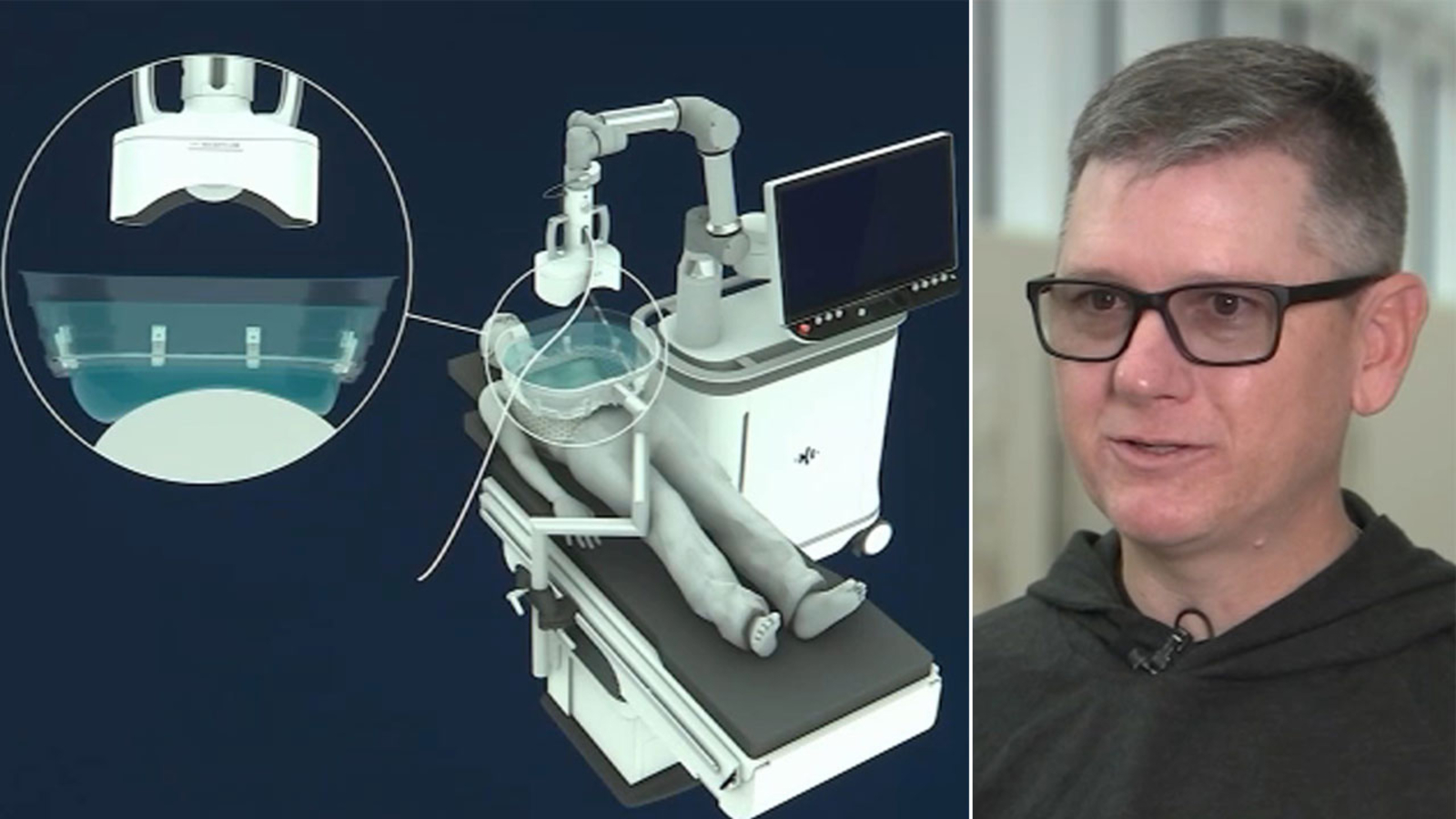
Histotripsy, a new FDA-approved cancer treatment, uses focused ultrasound waves to destroy tumors without harming surrounding tissue. This innovative method, which involves a water medium to focus soundwaves, offers advantages over traditional treatments like radiation. Chris Donaldson, a patient with ocular melanoma that spread to his liver, experienced successful results with histotripsy, leaving his liver cancer-free. The treatment, developed over 20 years, shows promise for other cancers and may enhance the body's defenses by leaving benign genetic material.
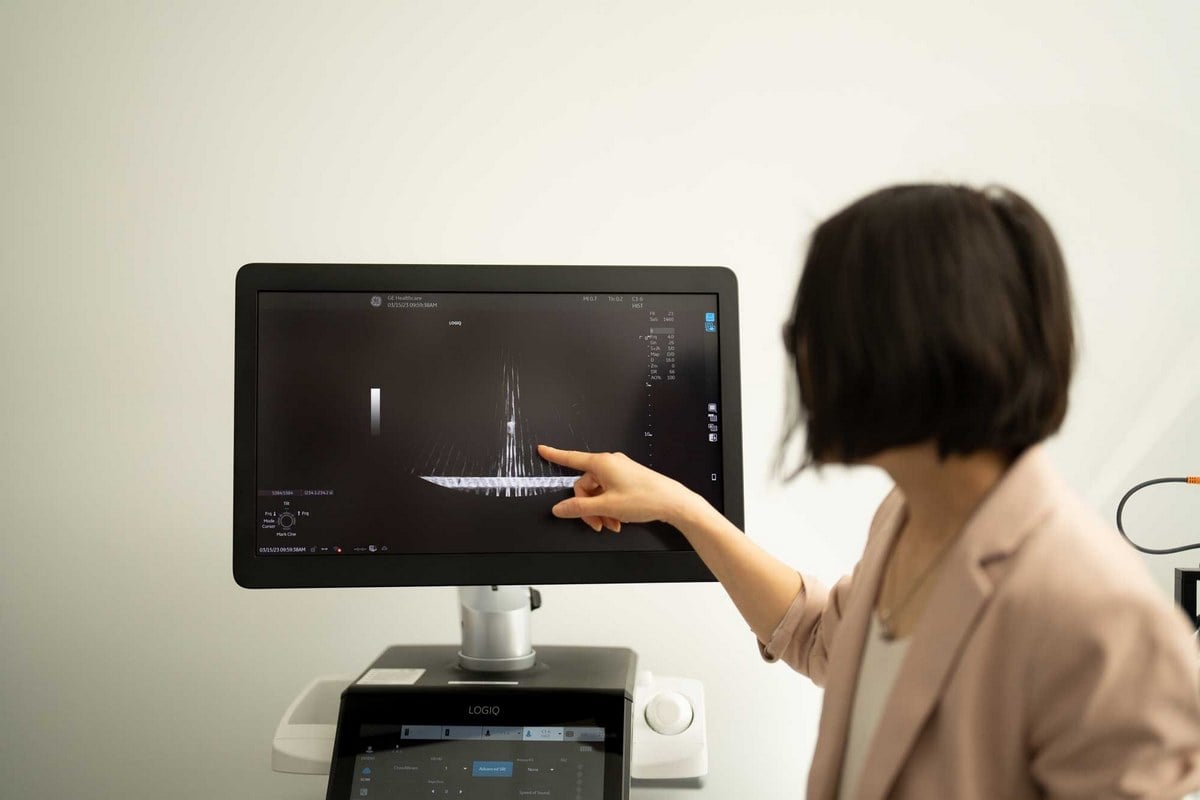
A new noninvasive treatment option for liver cancer called histotripsy, which uses high-energy acoustics to destroy tumors with sound, has been approved by the FDA. The method involves using targeted ultrasound waves to form microbubbles within the tumor, causing it to break apart and be cleared by the immune system. Histotripsy offers a precise and non-traumatic alternative to surgery, chemotherapy, and radiation, and has shown potential in stimulating immune responses against cancer. Researchers hope to combine histotripsy with immunotherapy or drug delivery to treat tumors globally and eventually find a cure for cancer.
The FDA has approved a non-invasive technique called histotripsy, developed at the University of Michigan, for the treatment of certain cancers. The technique uses focused ultrasound pulses to destroy targeted tissue without affecting the surrounding area. The tool, called Edison, has initially been approved for liver tissue and cancer treatment. It offers a faster recovery time, no scars, and does not require sedation. The researchers believe it could revolutionize surgery and potentially be combined with systemic therapies for a synergistic effect. Histotripsy treatments have also shown potential in stimulating the immune system to identify cancerous cells. The tool's potential is seen as a game-changer in the field of medicine.