space4.055 min read
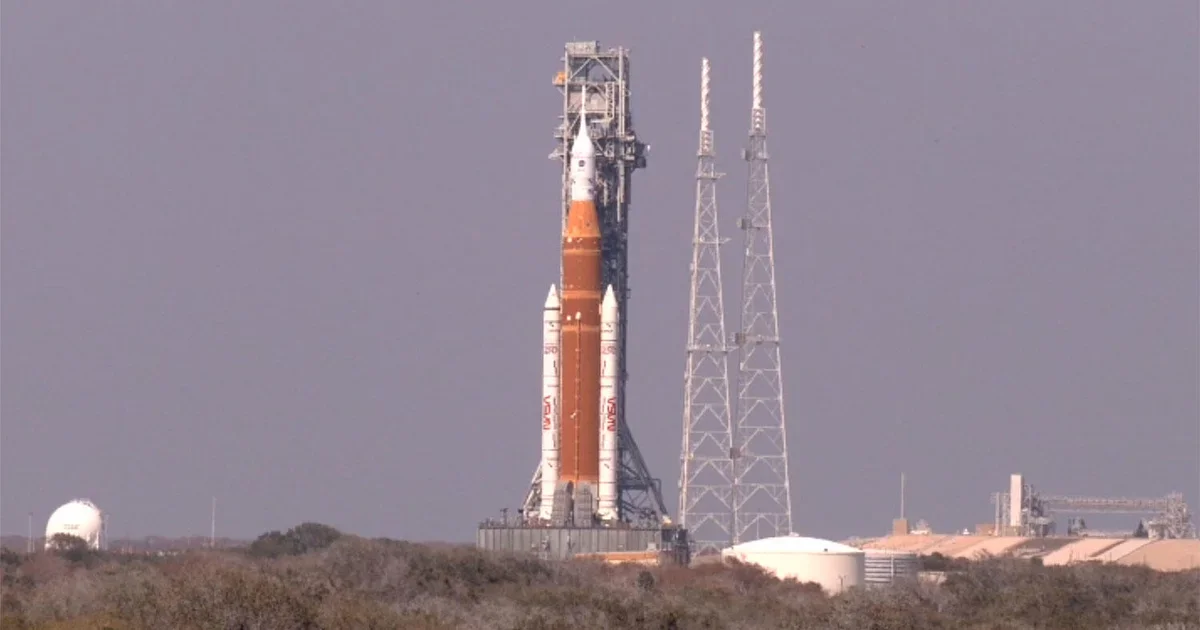
NASA moves Artemis II rocket to hangar for helium fix, delaying lunar mission
1 minute ago•Source: CBS News

The latest space stories, summarized by AI
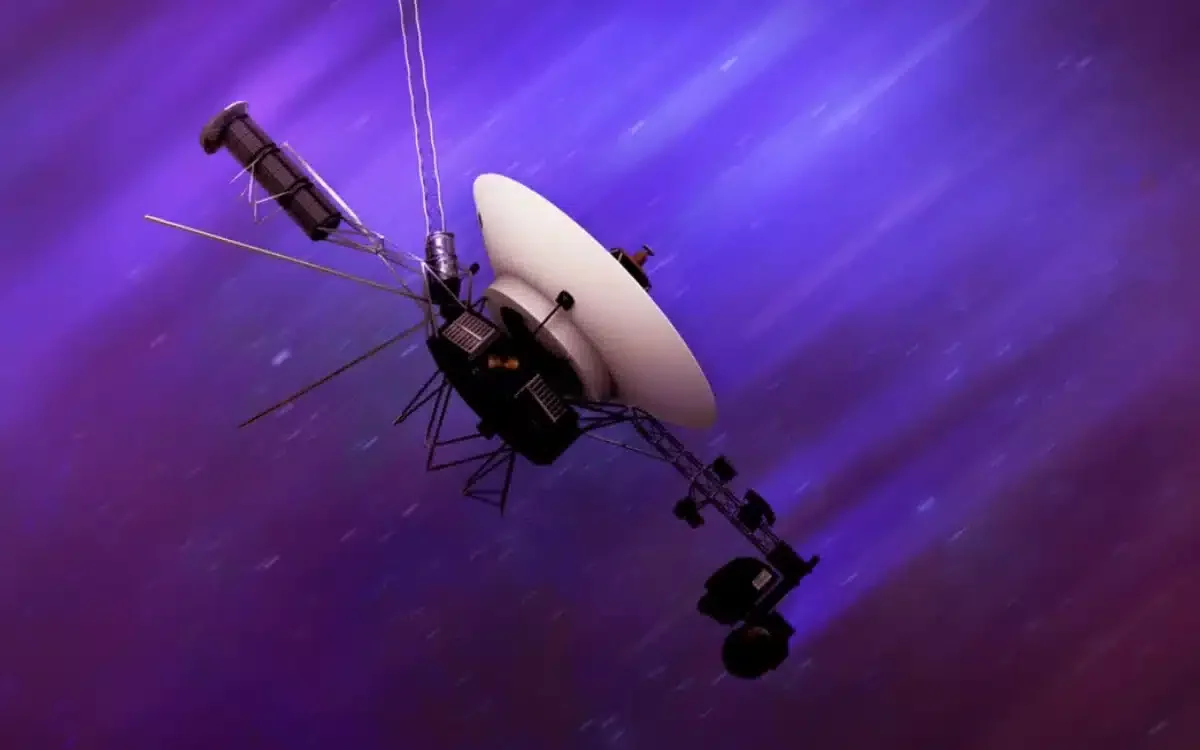
A YouTube simulation translates Voyager 1's ~38,000 mph velocity into an Earthbound scenario, highlighting its status as the farthest human-made object and its long-running mission, with contact likely fading after around 2036 as it drifts beyond Earth’s Deep Space Network.

Live Science•2 hours ago

NASA astronaut Mike Fincke, ISS commander, disclosed he experienced a medical event in January that led to a carefully planned early return for Crew-11. NASA said the step was to use advanced medical imaging available on Earth rather than indicate an on-station emergency. Fincke and crewmates Zena Cardman, Kimiya Yui and Oleg Platonov landed Jan. 15 off San Diego; others remained on Earth for follow-up. Fincke is recovering at NASA’s Johnson Space Center with care from NASA, SpaceX and medical staff, including treatment at Scripps Memorial Hospital La Jolla.
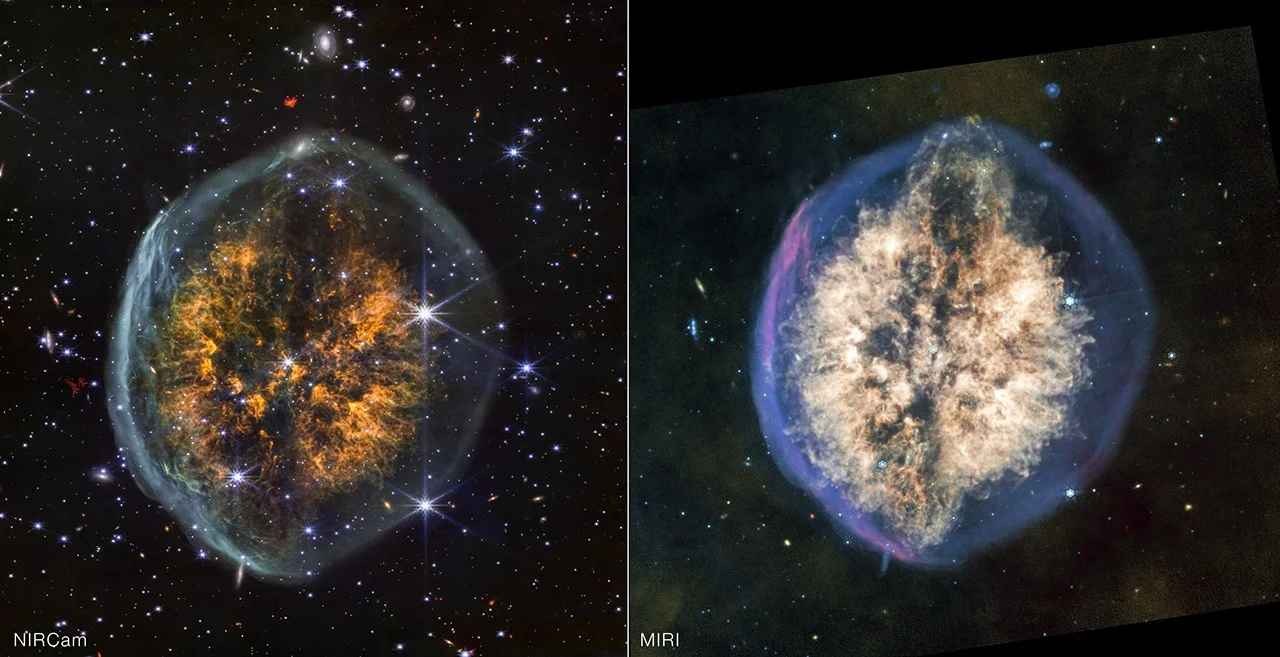
NASA’s James Webb Space Telescope has captured new infrared views of PMR 1, the Exposed Cranium nebula, revealing a brain-like structure around a dying star. Webb’s NIRCam and MIRI images show that near-infrared light reveals more stars and background galaxies while mid-infrared highlights glowing dust and a dark central lane that contributes to the nebula’s split-brain appearance. The features trace an outer hydrogen shell and a richer inner gas cloud, hinting at past outbursts or jets. The star’s ultimate fate—whether it becomes a white dwarf or a supernova—depends on its mass, and Webb’s observations help illuminate how dying stars shed their envelopes.

NASA revealed that astronaut Mike Fincke suffered a medical event on the International Space Station in January, triggering the space station's first medical evacuation in 25 years and an early return of Crew-11 for advanced medical imaging and evaluation, with Fincke stabilizing and thanking the crew and medical teams.
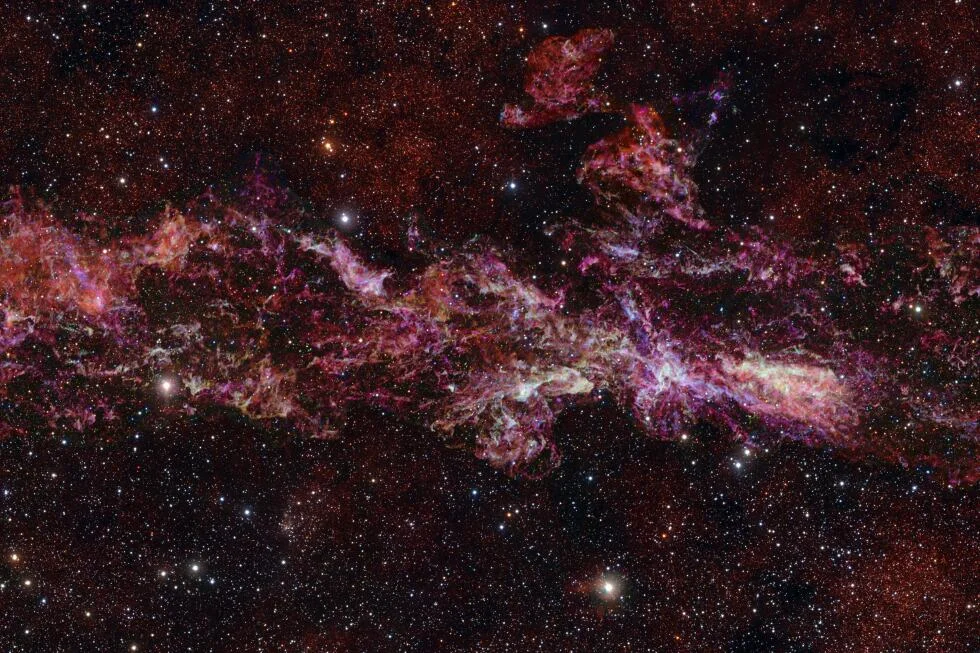
A new ESO/ALMA image maps the Milky Way’s Central Molecular Zone, coloring different molecules to reveal the complex gas structures at the galaxy’s center (cyan sulfur monoxide, green silicon monoxide, red isocyanic acid, blue cyanoacetylene, magenta carbon monosulphide) while foreground stars are seen in infrared.
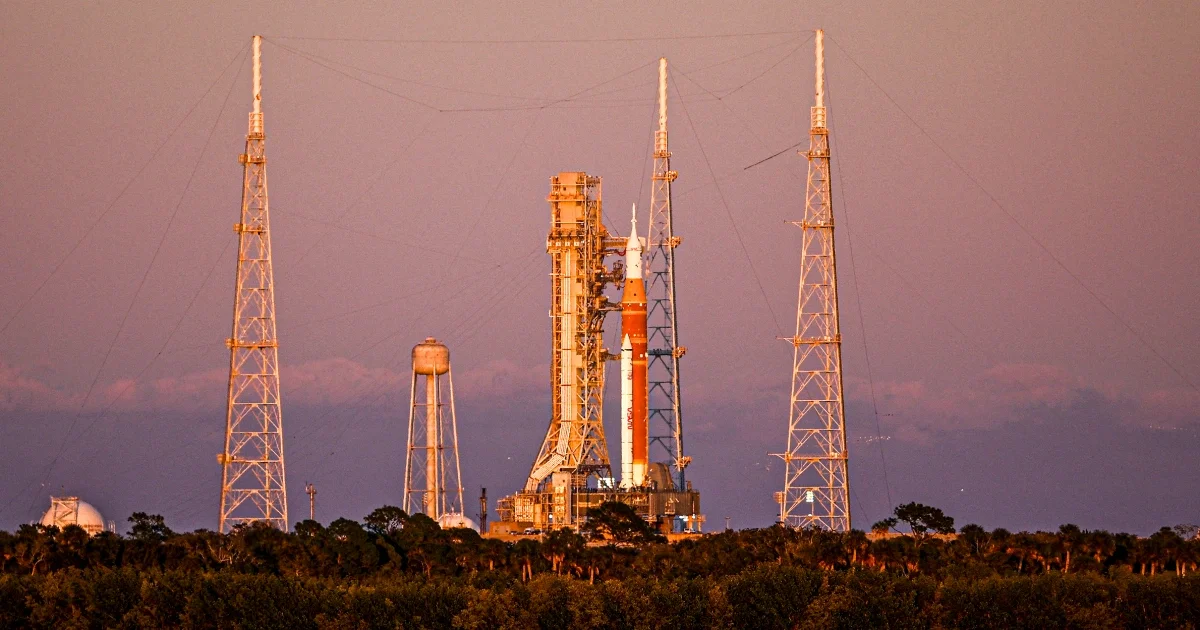
NASA will roll the Space Launch System and Orion back to the Vehicle Assembly Building for repairs after a helium-flow blockage was found in the upper stage, delaying Artemis II’s planned March moon mission to at least April; the 322-foot rocket will be transported slowly on a crawler-transporter, and engineers will replace batteries and the flight termination system as they investigate the issue following a wet dress rehearsal.
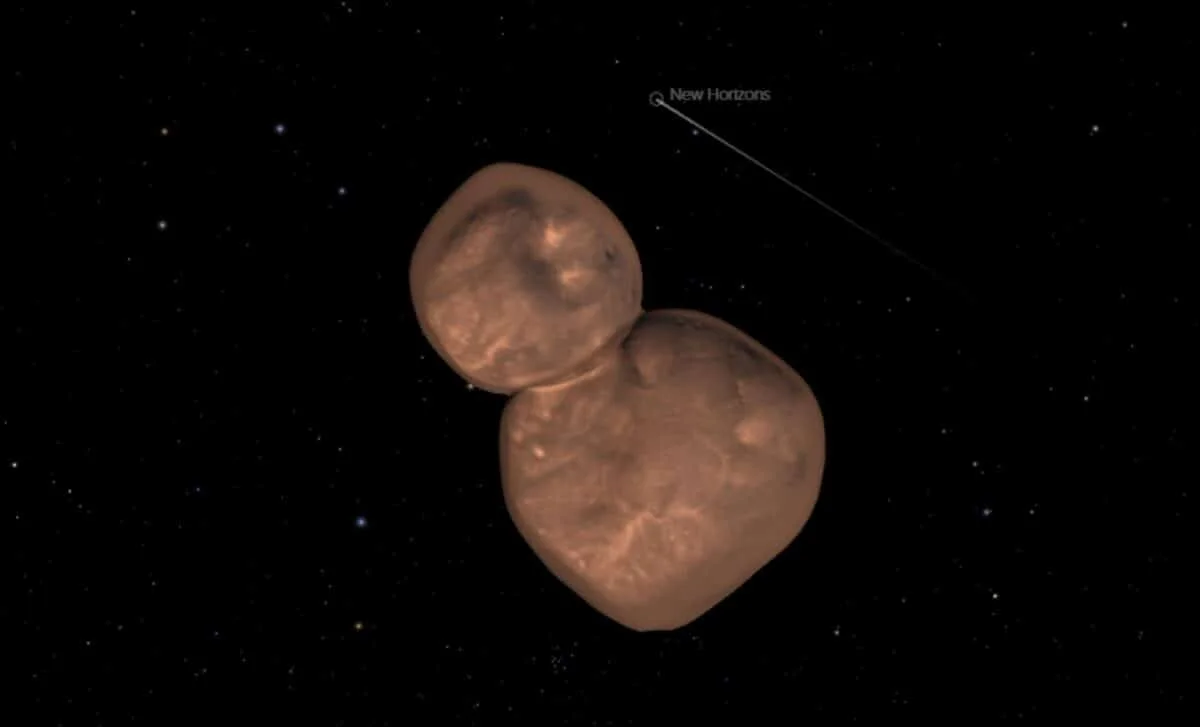
A new study shows Arrokoth-like bilobed objects can form directly from the gravitational collapse of small pebbles in the early solar system, producing the snowman shape without violent mergers and suggesting such binaries may be more common in the Kuiper Belt; simulations found several instances of this outcome, supporting a calmer path to planet formation.

The March 3, 2026 total lunar eclipse—the last “blood moon” visible from North America until 2029—will be livestreamed worldwide. Timeanddate will provide global feeds, while Griffith Observatory in Los Angeles will stream from about 12:47 a.m.–6:25 a.m. PT, with the 58-minute totality occurring roughly 6:04–7:02 a.m. EST (times vary by time zone: CST 5:04–6:02, MST 4:04–5:02, PST 3:04–4:02). The Virtual Telescope Project will curate live broadcasts from multiple sites (Hawaii, LA, Perth, etc.). Viewers outside visible regions can watch online, and the event lasts about 5.5 hours (3:44 a.m.–9:23 a.m. EST).
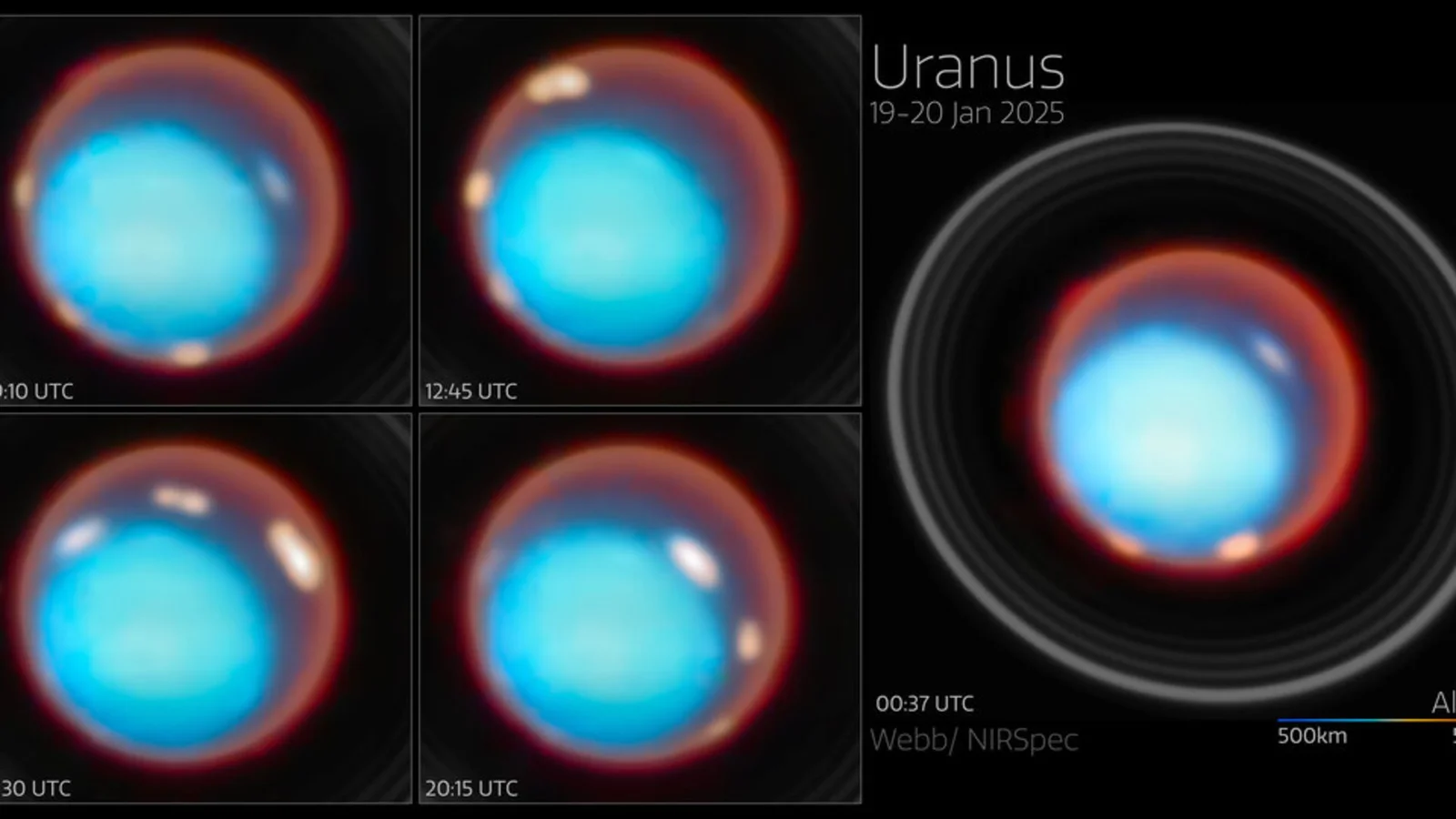
JWST mapped Uranus's upper atmosphere during a ~15-hour rotation, revealing two bright auroral belts around the planet's magnetic poles and a mid-latitude depletion region, along with a three-dimensional view of ion temperature and density up to about 5,000 km above the cloud tops. The data show Uranus’s highly tilted magnetosphere drives distinctive auroral patterns and that the atmosphere has cooled since the 1990s, offering clues about ice giants and exoplanet atmospheres.
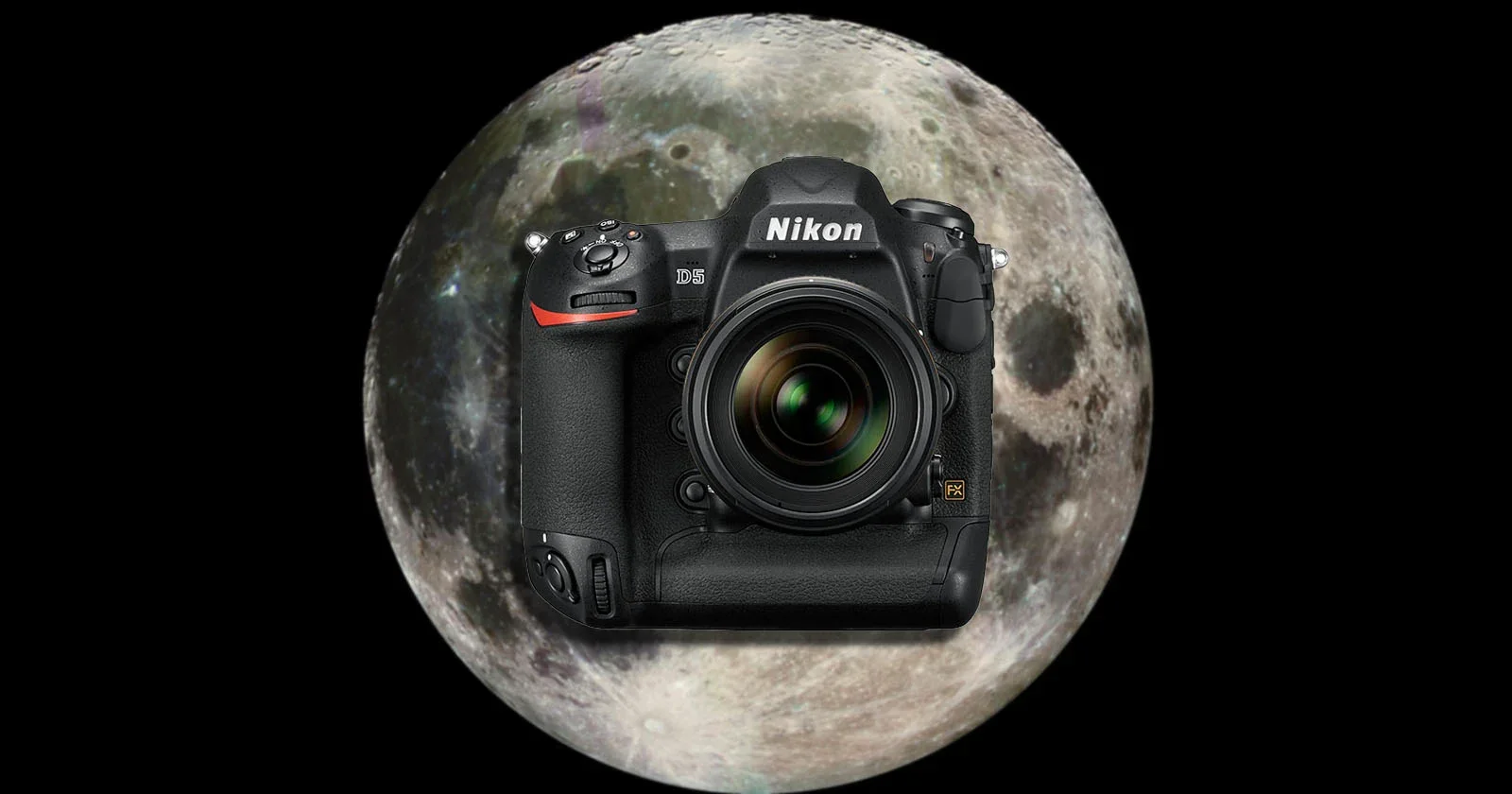
Artemis II astronauts will carry two Nikon D5 DSLRs from 2016 into the Moon’s vicinity to document the mission, along with personal devices and GoPros for a National Geographic documentary; NASA highlights the D5’s low noise, wide dynamic range, and radiation tolerance as reasons for its selection, while future Artemis missions may use newer cameras. A helium-system issue has delayed the launch to at least April.
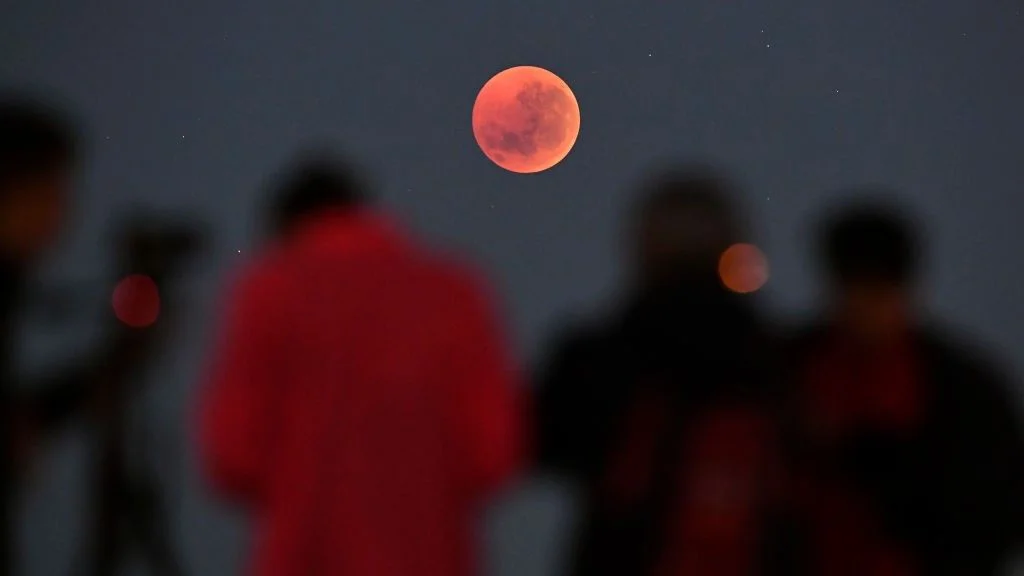
Space.com reports that the March 3, 2026 total lunar eclipse will turn the Moon copper-red (the “blood moon”) and be visible across the night side of Earth, with the best views from western North America, Australia and the Pacific. Totality lasts 58 minutes, from 6:04 to 7:02 a.m. EST, with local times varying by zone; check TimeandDate for your location. Watching is safe with the naked eye.