Researchers have identified specific brain wave patterns in the basal ganglia that correlate with Parkinson's symptoms, potentially enabling more precise and dynamic deep brain stimulation therapies to improve motor control.
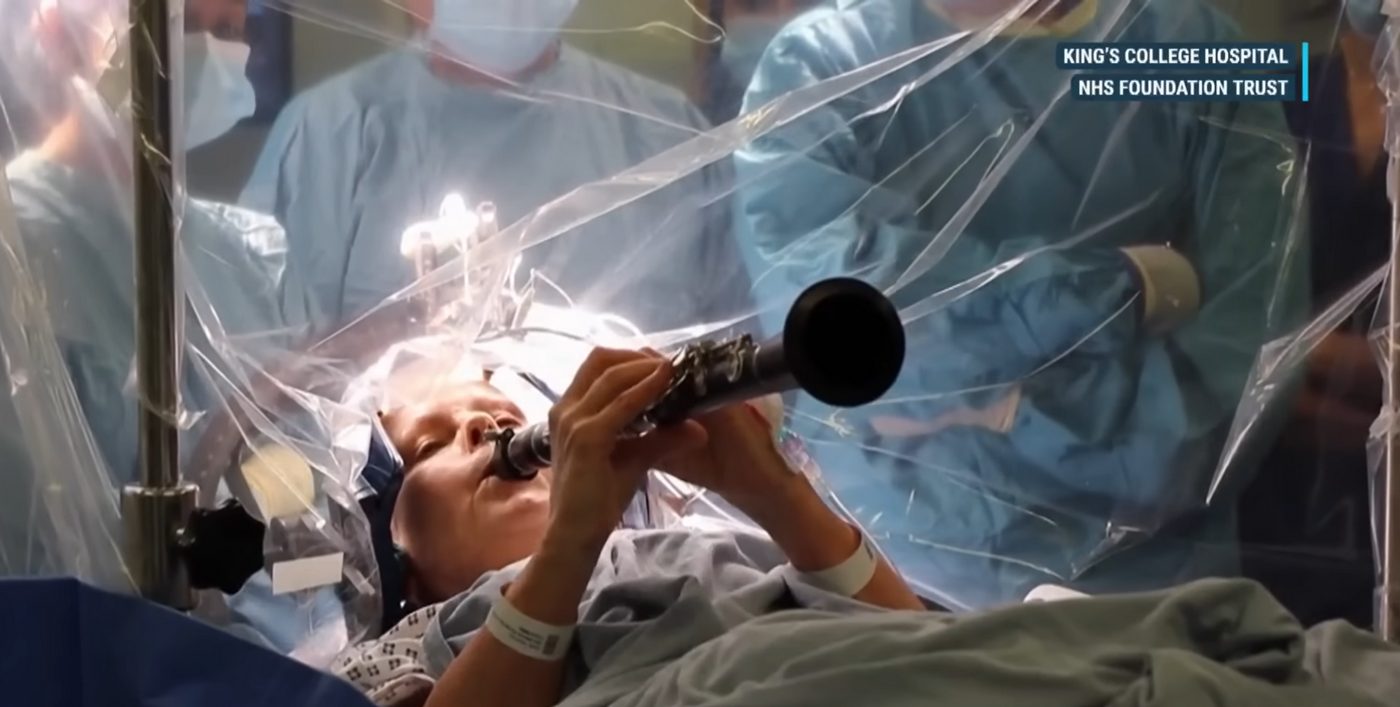
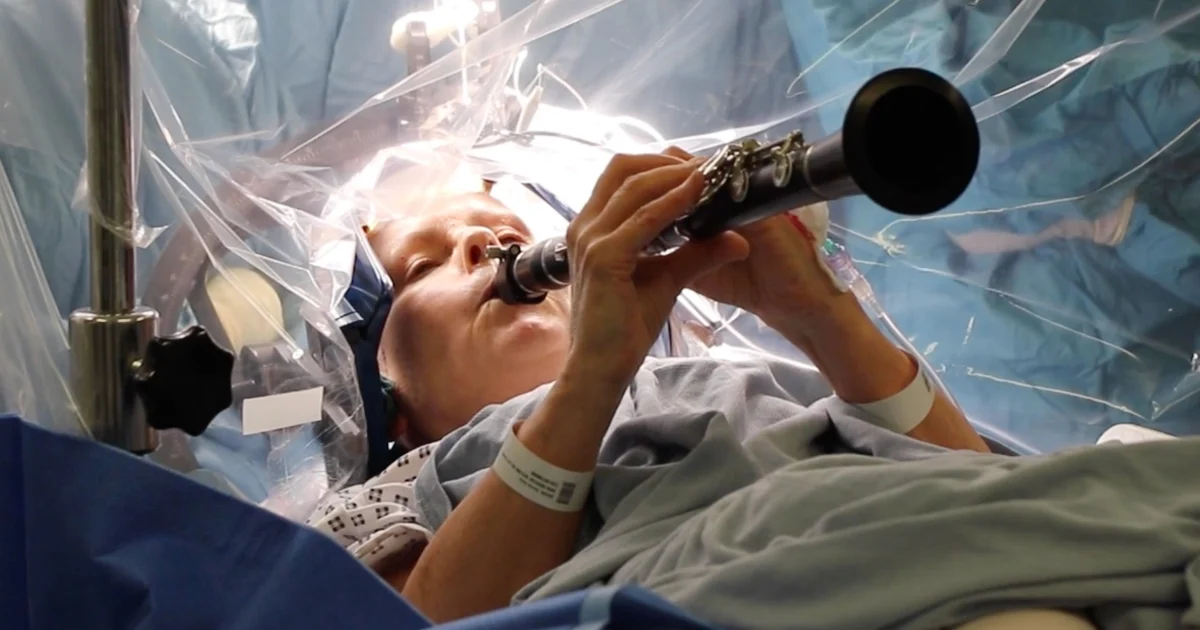
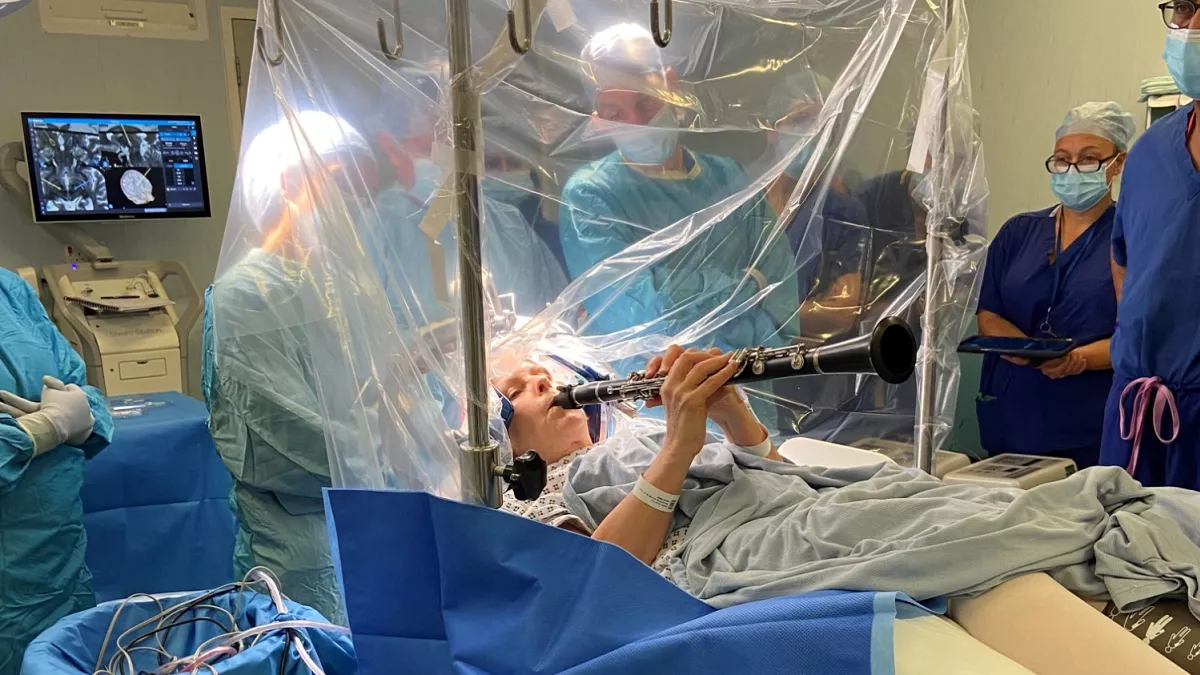
A 65-year-old woman with Parkinson's in England played her clarinet during brain surgery under local anesthesia, demonstrating improved motor control after deep-brain stimulation, and expressed delight with her progress.
A Parkinson's patient played clarinet during brain surgery to test the effectiveness of Deep Brain Stimulation, which immediately improved her hand movements and her ability to play, demonstrating real-time benefits of the treatment.
A 65-year-old woman with Parkinson's in England experienced immediate symptom relief during brain surgery when she played the clarinet, demonstrating the effectiveness of deep brain stimulation in alleviating movement symptoms associated with the disease.
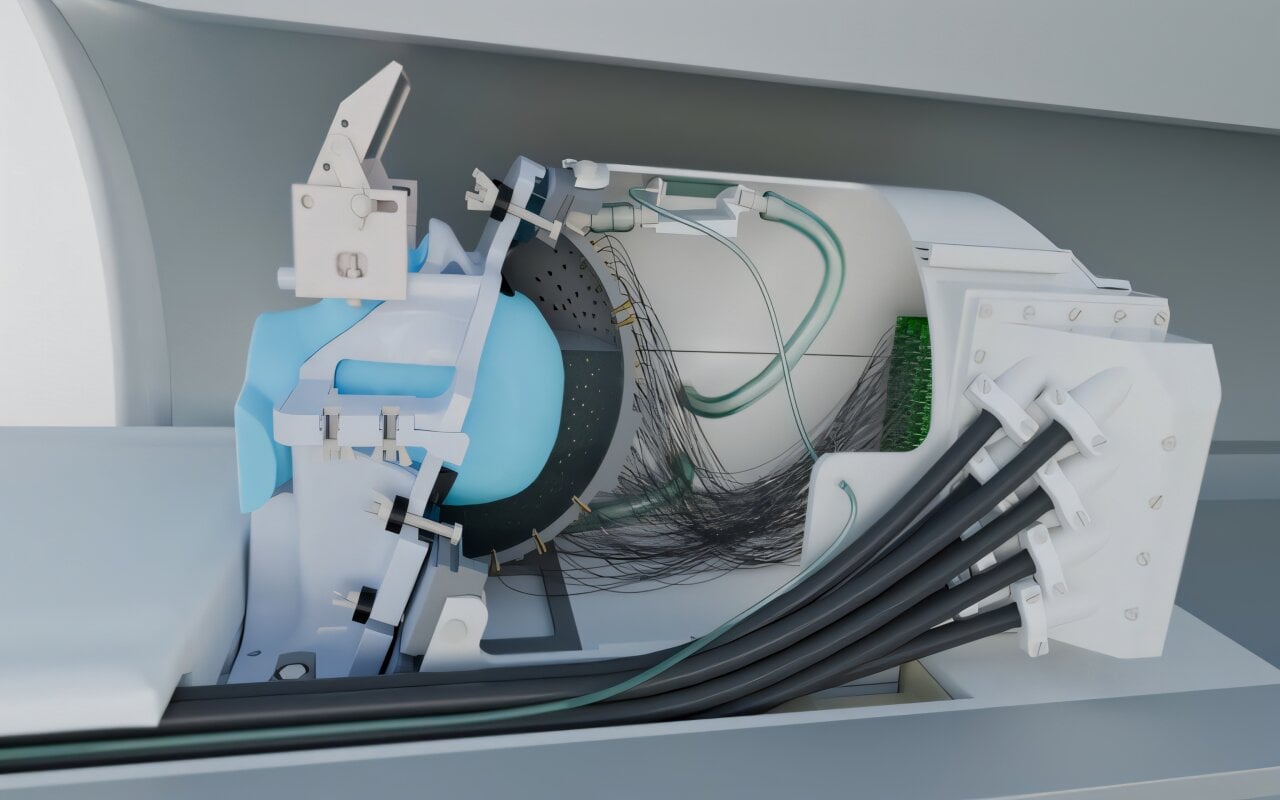
Researchers have developed a novel ultrasound helmet that can non-invasively target and modulate deep-brain structures with high precision, potentially transforming the study and treatment of neurological and psychiatric conditions like Parkinson's disease and depression.
Experimental deep brain stimulation shows promise in turning off chronic pain signals, offering hope for patients like Edward Mowery who suffer from conditions like CRPS, potentially transforming pain treatment without opioids.
Researchers from UCL and Oxford have developed a non-invasive ultrasound helmet capable of precisely stimulating deep brain regions, such as the thalamus, without surgery, opening new avenues for neuroscience research and treatment of disorders like Parkinson's disease. The device uses 256 elements to focus ultrasound beams, demonstrated to modulate neural activity in human volunteers, with potential for clinical applications and personalized therapies.
Researchers from the University of Amsterdam identified specific neural biomarkers associated with OCD by analyzing brain activity patterns during compulsive behaviors in patients with implanted electrodes, paving the way for more targeted treatments like deep brain stimulation.
A Danish study found that mild cognitive impairment before deep brain stimulation (DBS) in Parkinson's patients does not increase the risk of developing dementia, with disease duration and depressive symptoms being more significant factors; the study emphasizes the need for further research due to its small sample size.
Morten Harket, the lead singer of a-ha, announced he has Parkinson's disease, which he manages with medication and deep brain stimulation surgery. Despite his diagnosis, he remains active in music, though his voice may be affected. The announcement coincides with the 40th anniversary of a-ha's debut album.
Mollie Lombardi shares her experience of being diagnosed with early-onset Parkinson's disease at 36 and how it has impacted her marriage, with her husband taking on the role of caregiver. She discusses the challenges and adjustments they have made, emphasizing the importance of mutual care and support. Lombardi highlights the significance of her husband's role and the need for caregivers to also receive care. Despite the difficulties, she expresses gratitude for her husband's support and the improvements in her condition following deep brain stimulation surgery.
Veronica Brown, a 62-year-old woman, experienced non-motor symptoms like depression and anxiety for over a decade before being diagnosed with Parkinson's disease in 2020. After initial relief from medication, she turned to deep brain stimulation (DBS) in 2024, which significantly improved her symptoms and reduced her medication needs. Despite its proven efficacy, DBS is underutilized due to factors like patient apprehension and limited access to trained neurosurgeons. Brown's experience highlights the importance of support groups and awareness in managing Parkinson's disease.
Researchers at Baylor College of Medicine have identified a neural activity pattern that can predict and monitor the clinical status of OCD patients undergoing deep brain stimulation (DBS). This biomarker can guide DBS therapy, improving treatment outcomes for severe, treatment-resistant OCD, and may have broader implications for other neuropsychiatric disorders.
MIT researchers have developed a new method for deep brain stimulation using ultrasound instead of electrical impulses, delivered via a hair-thin fiber. This approach, tested in mice, can stimulate neurons to release dopamine, potentially offering a safer and more precise treatment for Parkinson's disease and other neurological disorders. The device, called ImPULS, avoids the corrosion and scar tissue issues associated with traditional electrodes and could also serve as a valuable research tool for studying the brain.
A new study using stereotactic electroencephalography (sEEG) sheds light on how individuals with treatment-resistant depression (TRD) process emotions differently due to abnormalities in the amygdala and prefrontal cortex, revealing heightened responses to negative stimuli and weakened responses to positive ones. Deep brain stimulation (DBS) shows promise in correcting these neural discrepancies, offering potential as a treatment method that could improve both positive and negative emotional processing in TRD patients.