Tag

Moths

All articles tagged with #moths

science6 months ago

Bogong Moths Use Stars to Navigate 600-Mile Migration

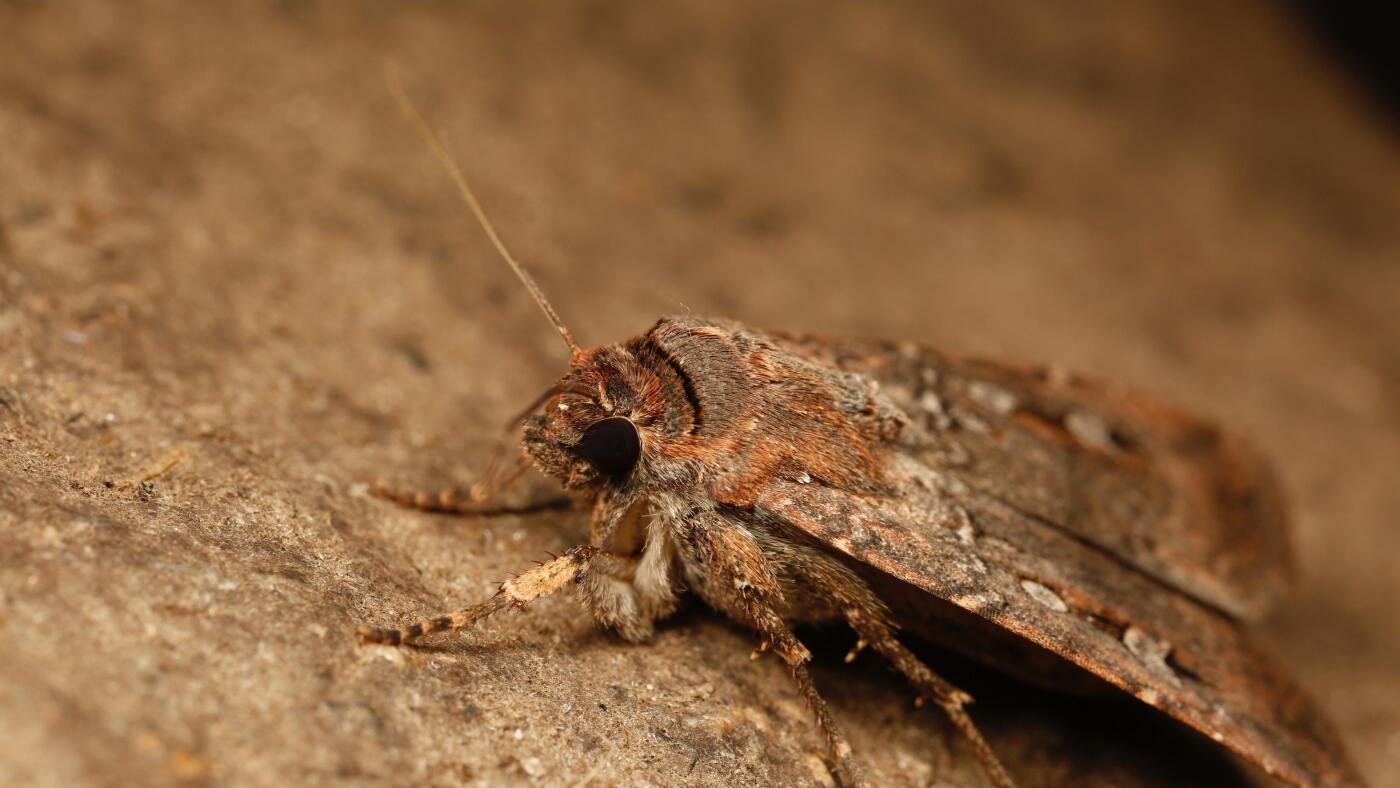
Researchers discovered that Australian Bogong moths use the starry sky, specifically the Milky Way, to navigate during their long migrations to the Australian Alps, marking the first evidence of invertebrates using stars for navigation and highlighting their reliance on visual cues alongside Earth's magnetic field. Protecting these moths through measures like reducing light pollution could aid in conserving their populations and the broader ecosystem.

science1 year ago

"Attracting Trouble: Rethinking Common Sayings"

Researchers have observed a decline in the number of insects caught in light traps, indicating a potential change in moths' attraction to light. A study published in the Journal of Insect Conservation found that while some light traps showed declining numbers of corn earworm moths, their catches in pheromone traps remained consistent. This suggests a shift in moths' behavior towards light sources. The study raises questions about the long-held belief that moths are irresistibly drawn to light and highlights the need for more comprehensive tracking programs to understand insect behavior.

science1 year ago

"Study Finds Butterfly Genomes Unchanged for 250 Million Years"

A study published in Nature Ecology & Evolution reveals that the genomes of butterflies and moths have remained largely unchanged for over 250 million years, providing clues to their resilience in the face of environmental changes. Researchers traced the genetic code back to the first butterflies, identifying 32 ancestral chromosomes. The study sheds light on the genetic stability of Lepidoptera, a diverse group making up 10% of living organisms, and its potential implications for biodiversity conservation efforts amidst rapid species loss.

science1 year ago

"The Truth About Insects and Light: It's Not Attraction, It's Confusion"

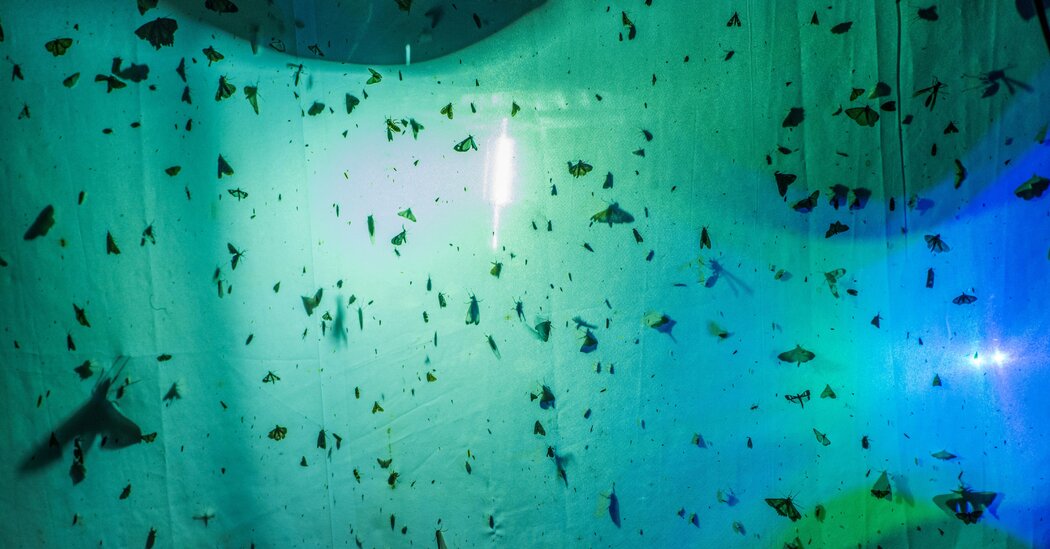
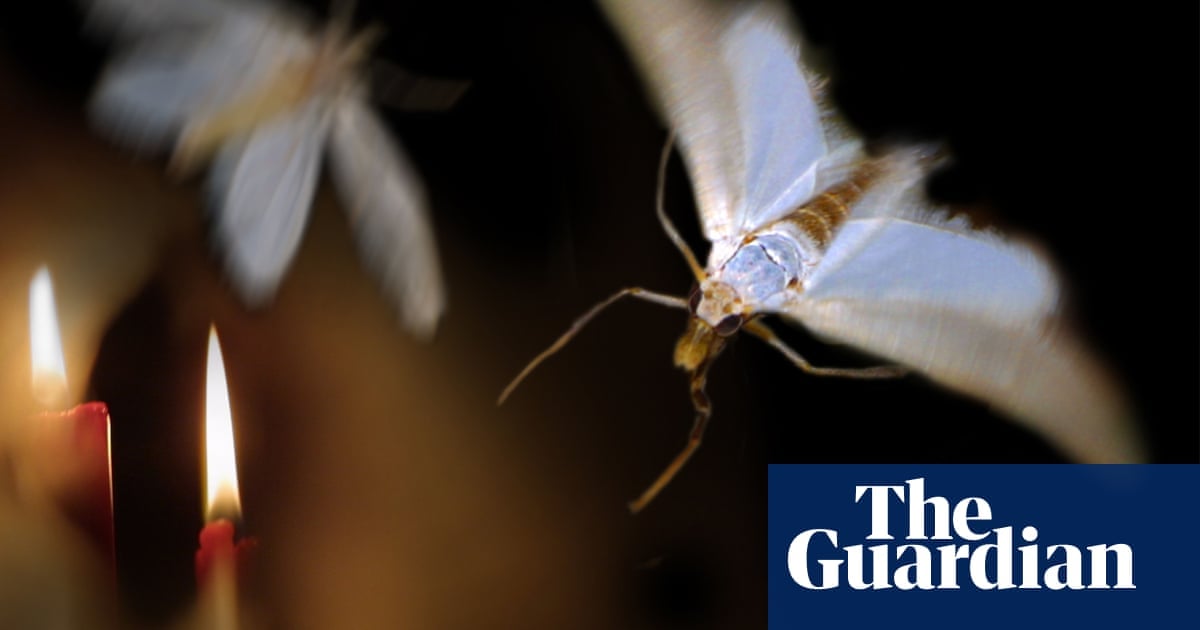
A new study published in Nature Communications reveals that moths and other nocturnal insects are not actually drawn to light, but rather become disoriented and trapped in an orbit around artificial light sources, as observed through motion-capture cameras and infrared illumination. This behavior is attributed to the insects mistaking the artificial light for the sky, impacting their flight patterns. The research sheds light on the impact of light pollution on insect populations and challenges previous theories about insects being attracted to light due to heat or mistaking it for the moon. The findings could aid in conservation efforts by minimizing the effects of light pollution on insects.

science1 year ago

"Investigating the Mystery of Insects' Attraction to Artificial Light"

Researchers have discovered that moths and other flying insects are not actually attracted to lights at night, but rather become trapped in their glow due to an evolutionary behavior that causes them to tilt their backs towards the brightest source, which historically was the sky. This behavior, evolved over millions of years, now leads them to orbit artificial lights, making them easy prey for predators and disrupting their feeding patterns. The study suggests that minimizing the use of short wavelengths in artificial lighting could help reduce the negative impact on insect populations.

science2 years ago

Ancient DNA Blocks Unite Butterflies and Moths, New Research Shows

New research reveals that butterflies, moths, and aquatic caddisflies share DNA "blocks" dating back over 200 million years, providing insights into their genetic history and the evolution of chromosomes. Scientists developed a method to analyze the chromosomes of these species and found shared blocks of homology, indicating a common ancestry. This study improves understanding of moth and butterfly gene evolution and may also aid in studying chromosome evolution in other organisms.

science2 years ago

Decoding the Alluring Scent of Male Moth Pheromones

Scientists have identified the complex chemical cocktail that comprises the aphrodisiac pheromone in male moths, specifically the tobacco budworm moth. The pheromone includes a combination of alcohols, aldehydes, acetates, carboxylic acids, aliphatic polyunsaturated hydrocarbons, and plant compounds such as methyl salicylate (MeSA), which is also found in spearmint gum. The male moth's diet is the source of these compounds. The study suggests that MeSA increases a male moth's chances of mating, and female moths are tuned in to this chemical signal when choosing a mate.

science-and-technology2 years ago

Moths' invisibility cloaks evade biosonar predators.

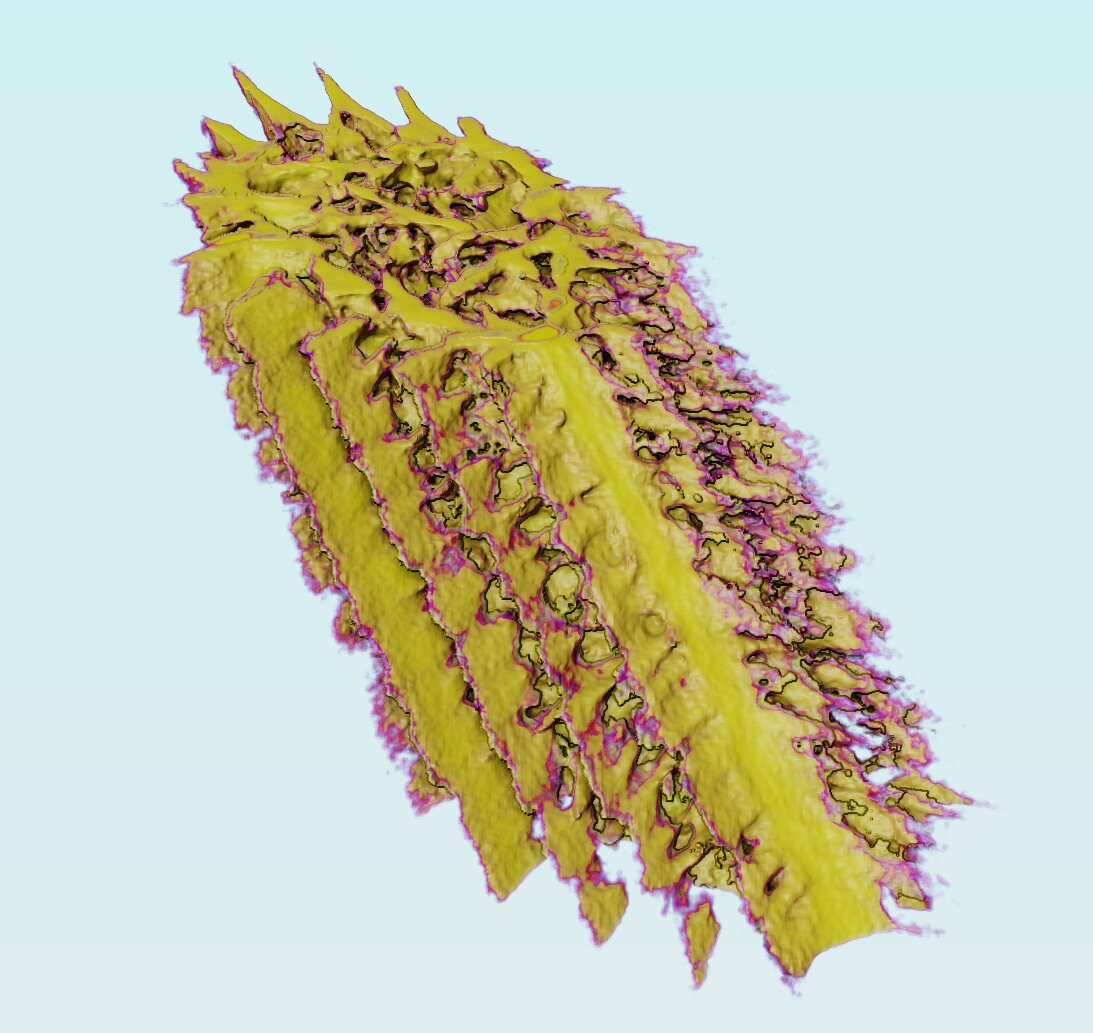
Researchers from the University of Bristol and Diamond Light Source have discovered how moths create a powerful stealth cloak preventing detection by biosonar. By harnessing the ingenious properties of moth wings, a sound absorber can be created that offers high absorption with minimal space requirements. The goal is to improve living conditions as such moth-inspired sound absorbers can be 90% thinner and lighter than existing solutions, bringing exotic materials like sound-absorbing wallpaper in reach.

environment2 years ago

The Importance of Saving Moths Alongside Bees

A new study from the University of Sheffield suggests that night-time pollinators such as moths may visit just as many plants as bees, and should also be the focus of conservation and protection efforts. Moths play a crucial role in supporting urban plant communities, accounting for a third of all pollination in flowering plants, crops and trees. The researchers suggest that when planning or redeveloping urban areas, supporting the introduction of plant species that are beneficial for moths, as well as bees, will become increasingly important for the health of urban ecosystems.

science2 years ago

The Evolutionary Origins of Butterflies Unveiled in New Study.

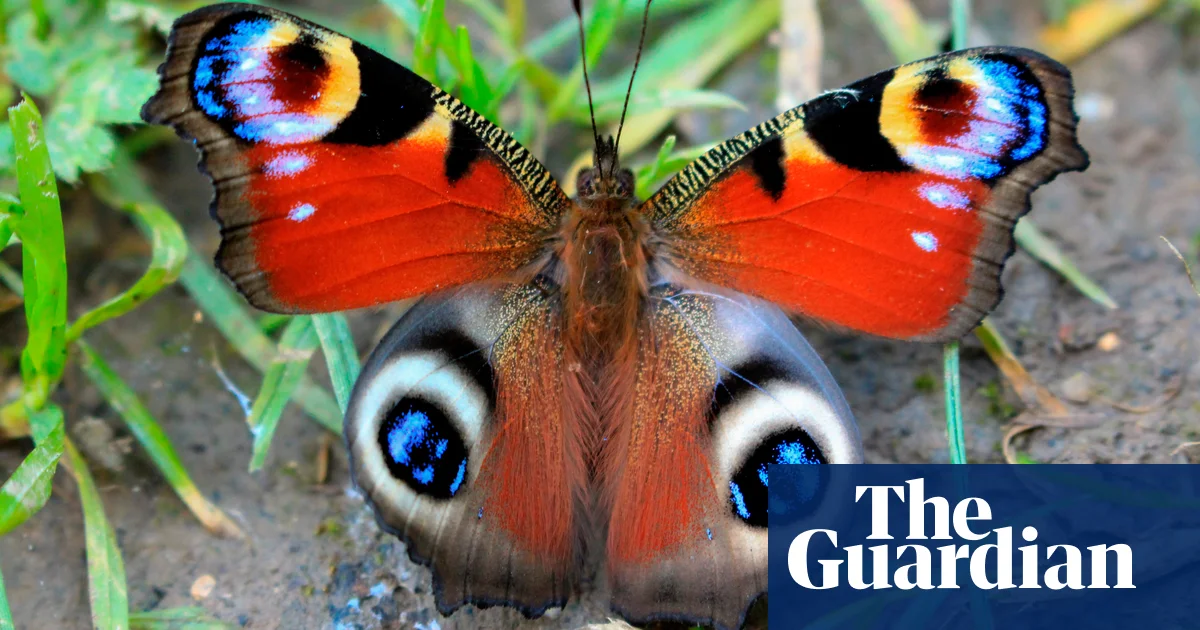
A new study suggests that butterflies likely originated in western North America or Central America around 100 million years ago, after splitting from moths. Butterflies first evolved from moths when they began feeding on the nectar of new species of flowering plants usually available during the day. The findings shed light on the origins of this remarkable group of insects that now populate the globe with 19,000 different species. The research team worked with close to 90 colleagues from six continents to collect DNA from all kinds of butterflies to piece together the butterfly family tree.

environment2 years ago

New research confirms moths are superior pollinators to bees.

Moths are more efficient pollinators than day-flying insects such as bees, according to new research from the University of Sussex. The study found that while moths made fewer visits to flowers during shorter summer nights, they were able to pollinate them more quickly. The research highlights the importance of protecting both nocturnal and non-nocturnal pollinators, as they are vital for the health of ecosystems. The researchers are calling for the public to protect moths by planting white flowers, growing patches of scrub and rough grass, and turning off night lights.