Tag

Neurological Disorders

All articles tagged with #neurological disorders

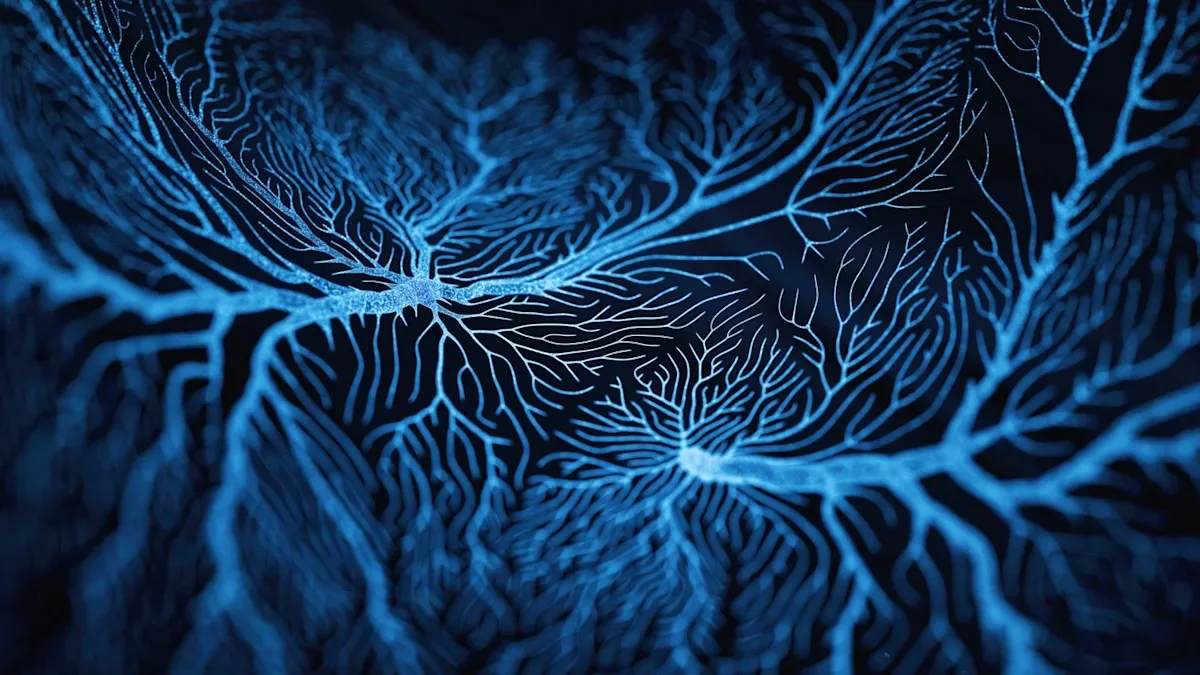
Scientists Discover Hidden Networks Connecting the Human Body

Originally Published 4 days ago — by Yahoo

Featured image for Scientists Discover Hidden Networks Connecting the Human Body
Source: Yahoo

Scientists at Stanford have developed a new imaging technique called computational scattered light imaging (ComSLI) that allows detailed visualization of microscopic fiber networks in human tissues, which could lead to better understanding of diseases like Alzheimer's and other neurological disorders. The method is accessible, requiring only a simple setup with a light source and microscope camera, and can analyze existing tissue samples with high resolution, opening new avenues for research and diagnosis.

Restless Legs Syndrome Linked to Increased Parkinson's Risk

Originally Published 3 months ago — by ScienceAlert

Featured image for Restless Legs Syndrome Linked to Increased Parkinson's Risk
Source: ScienceAlert

A study suggests that restless legs syndrome (RLS) is associated with an increased risk of developing Parkinson's disease, but this risk decreases in patients treated with dopamine agonists, indicating a complex relationship possibly involving factors beyond the dopaminergic pathway. The findings highlight the importance of understanding the underlying mechanisms linking RLS and Parkinson's.

Innovative Ultrasound Helmet Penetrates Brain Without Surgery

Originally Published 3 months ago — by ScienceAlert

Featured image for Innovative Ultrasound Helmet Penetrates Brain Without Surgery
Source: ScienceAlert

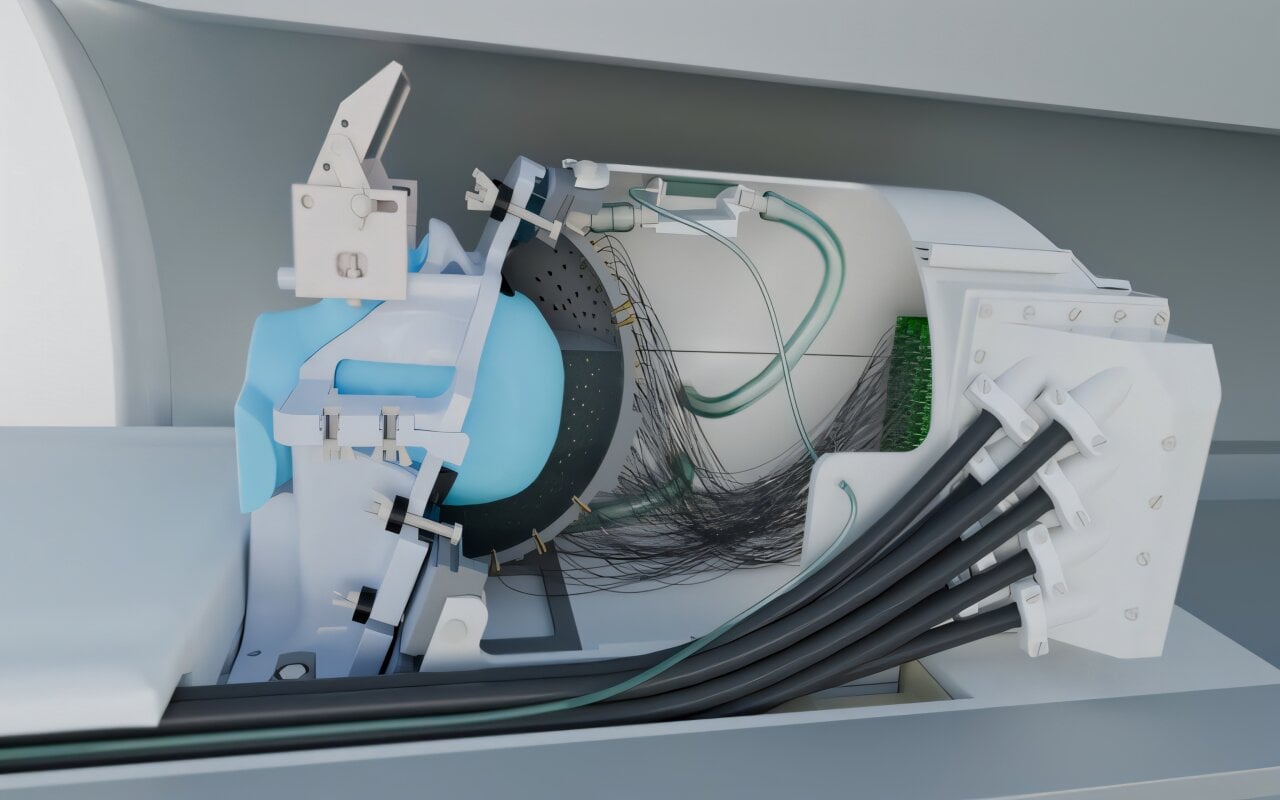
Researchers have developed a novel ultrasound helmet that can non-invasively target and modulate deep-brain structures with high precision, potentially transforming the study and treatment of neurological and psychiatric conditions like Parkinson's disease and depression.

Ultrasound Helmet Offers Non-Invasive Parkinson’s Treatment Hope

Originally Published 4 months ago — by Medical Xpress

Featured image for Ultrasound Helmet Offers Non-Invasive Parkinson’s Treatment Hope
Source: Medical Xpress

Researchers from UCL and Oxford have developed a non-invasive ultrasound helmet capable of precisely stimulating deep brain regions, such as the thalamus, without surgery, opening new avenues for neuroscience research and treatment of disorders like Parkinson's disease. The device uses 256 elements to focus ultrasound beams, demonstrated to modulate neural activity in human volunteers, with potential for clinical applications and personalized therapies.

Speech-Based AI Model Achieves 92% Accuracy in Early Neurological Disorder Detection

Originally Published 4 months ago — by Neuroscience News

Featured image for Speech-Based AI Model Achieves 92% Accuracy in Early Neurological Disorder Detection
Source: Neuroscience News

A new AI framework called CTCAIT can detect neurological disorders like Parkinson's, Huntington's, and Wilson disease with over 90% accuracy by analyzing speech patterns, offering a promising non-invasive tool for early diagnosis and monitoring across multiple languages.

Potential Compounds for Treating Neurological Disorders

Originally Published 5 months ago — by National Institutes of Health (NIH) | (.gov)

Featured image for Potential Compounds for Treating Neurological Disorders
Source: National Institutes of Health (NIH) | (.gov)

Research shows that supplementing with precursor compounds 4-HMA and 4-HB can boost CoQ10 levels, potentially treating neurological symptoms in inherited CoQ10 deficiency diseases, as demonstrated in mice and an 8-year-old patient, offering a promising new approach for these conditions.

World Brain Day 2025: Promoting Brain Health and Mental Well-being

Originally Published 5 months ago — by Times of India

Featured image for World Brain Day 2025: Promoting Brain Health and Mental Well-being
Source: Times of India

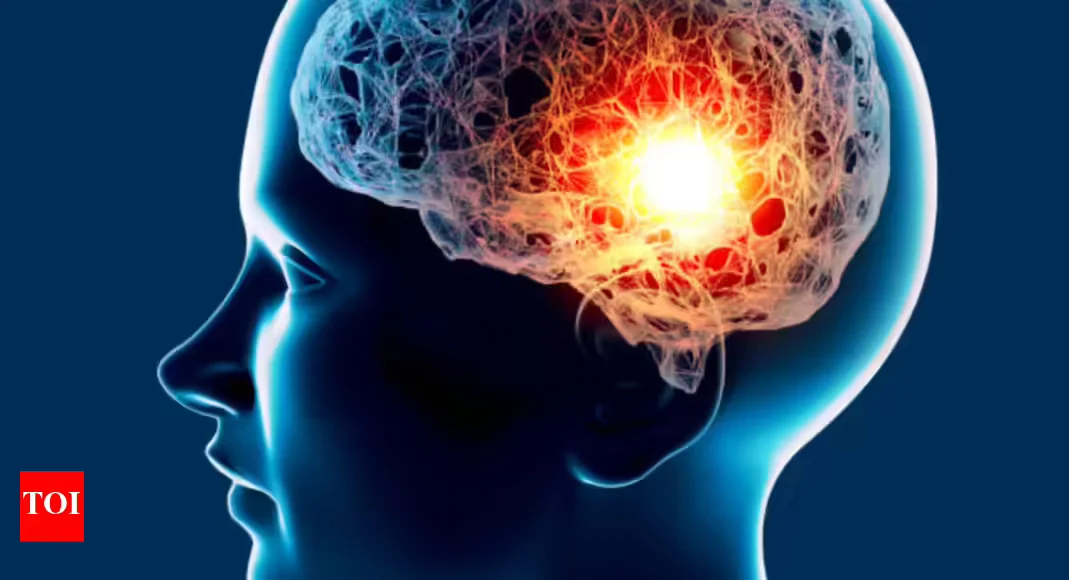
World Brain Day 2025 emphasizes the importance of lifelong brain health, highlighting that neurological well-being begins from fetal development and requires proactive care across all ages. The event aims to raise awareness about neurological disorders, their impact, and the need for better education, research, and lifestyle choices to protect brain health globally.

Study Confirms Adult Brain Continues to Generate New Neurons

Originally Published 6 months ago — by Gizmodo

Featured image for Study Confirms Adult Brain Continues to Generate New Neurons
Source: Gizmodo

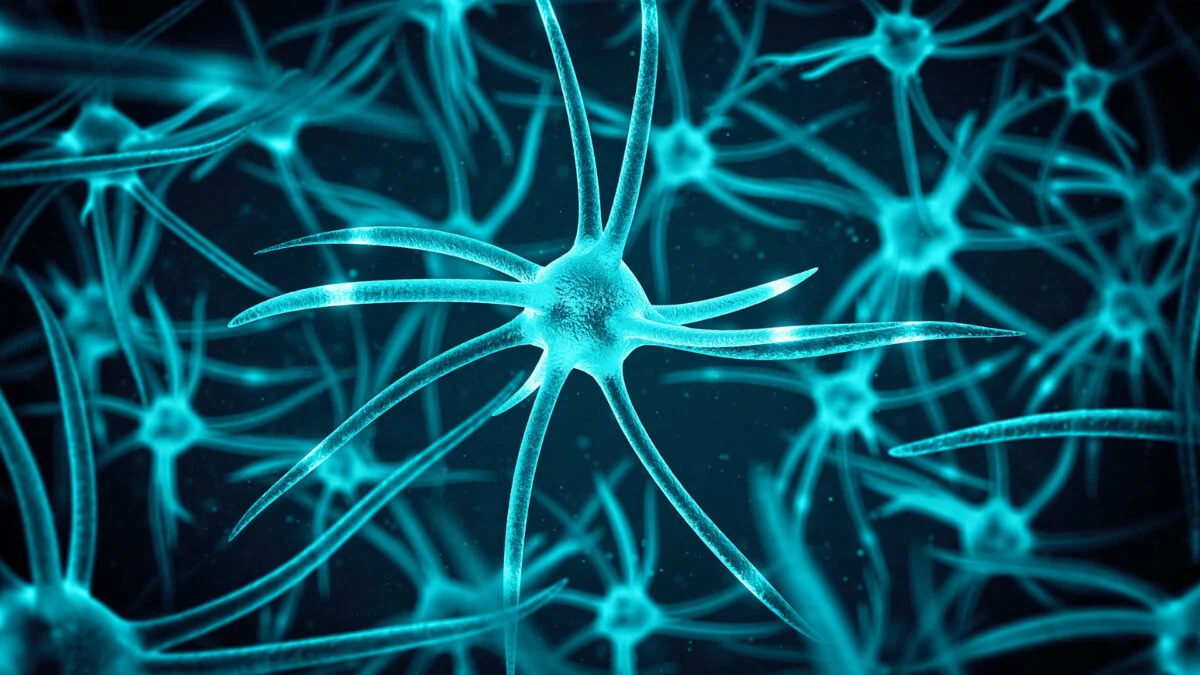
Recent research from Sweden demonstrates that adult human brains continue to generate new neurons, particularly in the hippocampus, challenging the long-held belief that brain cell growth stops after childhood. The study analyzed over 400,000 individual cell nuclei, finding neural progenitor cells actively dividing in adults, which could have implications for treating neurological conditions and understanding brain plasticity. However, the extent and pattern of neurogenesis vary among individuals, raising further questions about its role in health and disease.

Brain Cells Sync to Multiple Rhythms Like a Neural Radio

Originally Published 6 months ago — by Neuroscience News

Featured image for Brain Cells Sync to Multiple Rhythms Like a Neural Radio
Source: Neuroscience News

New research shows that hippocampal neurons can simultaneously respond to slow theta and fast gamma brain waves by switching between firing modes, using bursts for theta and single spikes for gamma, a phenomenon called interleaved resonance. This flexible coding mechanism enhances our understanding of brain functions like navigation and memory and has potential implications for neurological diseases such as Alzheimer's, epilepsy, and schizophrenia.

Brain Balances Learning and Stability Through Separate Synapses

Originally Published 7 months ago — by Neuroscience News

Featured image for Brain Balances Learning and Stability Through Separate Synapses
Source: Neuroscience News

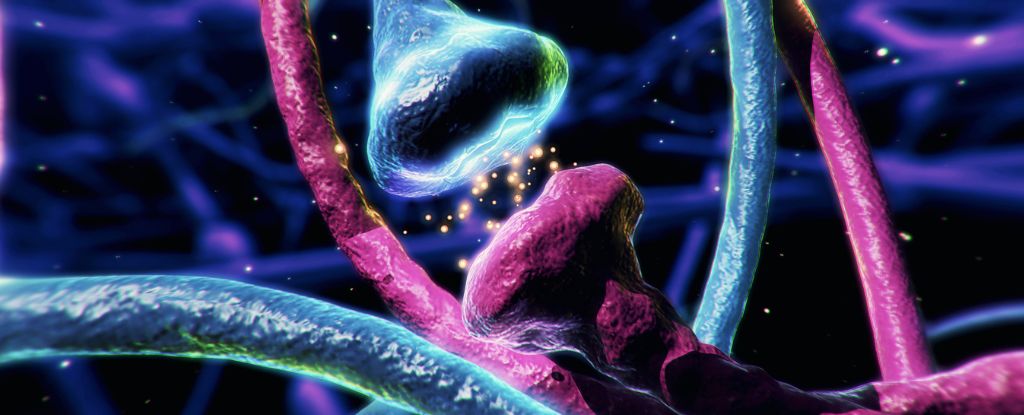
New research from the University of Pittsburgh reveals that the brain uses separate synaptic sites for spontaneous and evoked signaling, allowing it to balance stability with adaptability, which has implications for understanding learning, memory, and neurological disorders.

Unlocking Learning: The Brain's Traffic Controllers

Originally Published 1 year ago — by Neuroscience News

Featured image for Unlocking Learning: The Brain's Traffic Controllers
Source: Neuroscience News

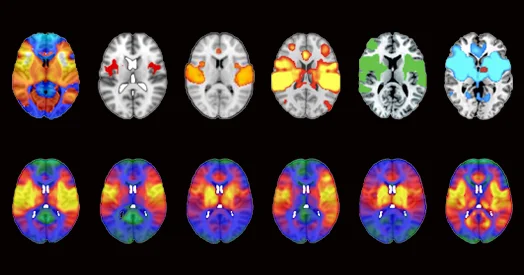
A study from Durham University reveals that interneurons in the hippocampus act as 'traffic controllers' by regulating synchronized brain cell activity, crucial for learning and memory. Activating a single interneuron can trigger coordinated brain activity during rest, potentially aiding memory formation. This discovery suggests that dysfunction in interneurons may contribute to disorders like epilepsy, autism, and schizophrenia, and could lead to targeted therapies for these conditions.

"New Brain Protein Discovery Offers Hope for Alzheimer's and Aging Treatments"

Originally Published 1 year ago — by PsyPost

Featured image for "New Brain Protein Discovery Offers Hope for Alzheimer's and Aging Treatments"
Source: PsyPost

Researchers from the National University of Singapore have discovered that the brain protein Mfsd7c plays a crucial role in managing choline levels, which could lead to new treatments for Alzheimer's and other neurological conditions. Their study found that Mfsd7c is essential for exporting excess choline from the brain, challenging previous assumptions about choline transport. This discovery opens up potential therapeutic strategies to boost brain function, although further research and clinical trials are needed to confirm these findings in humans.