Tag

3d Imaging

All articles tagged with #3d imaging

Scientists Uncover 200-Million-Year-Old Dinosaur Embryos

Originally Published 19 days ago — by The Daily Galaxy

Featured image for Scientists Uncover 200-Million-Year-Old Dinosaur Embryos
Source: The Daily Galaxy

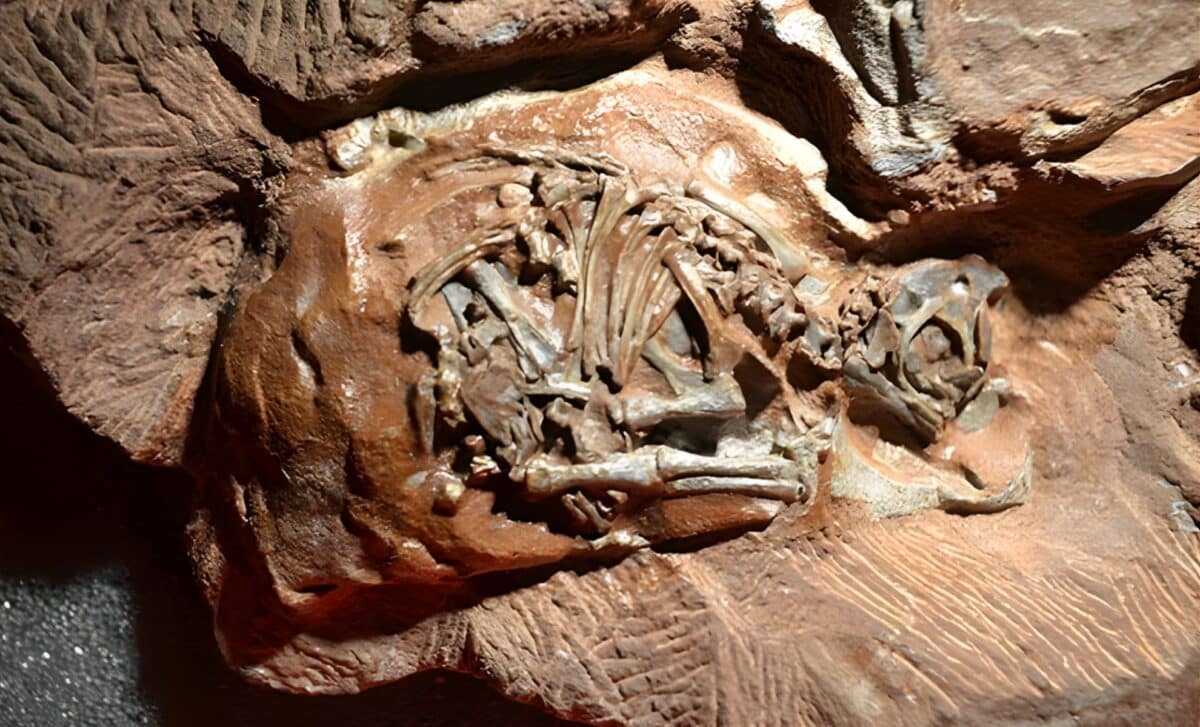
Scientists used advanced synchrotron imaging to reveal detailed 3D models of 200-million-year-old dinosaur embryos, uncovering new insights into their development, including the presence of two types of teeth and skull similarities to modern reptiles, providing valuable clues about early dinosaur evolution.

Ancient 520-Million-Year-Old Fossil Reveals Well-Preserved Brain and Guts, Reshaping Evolutionary History

Originally Published 4 months ago — by Indian Defence Review

Featured image for Ancient 520-Million-Year-Old Fossil Reveals Well-Preserved Brain and Guts, Reshaping Evolutionary History
Source: Indian Defence Review

Scientists discovered a 520-million-year-old larva fossil with perfectly preserved brain and organs, providing new insights into early arthropod evolution and challenging previous assumptions about their simplicity, thanks to advanced 3D imaging techniques.

Chinese scientists develop innovative 'ionic glass' technique for 3D transparent brain and organ imaging

Originally Published 4 months ago — by South China Morning Post

Featured image for Chinese scientists develop innovative 'ionic glass' technique for 3D transparent brain and organ imaging
Source: South China Morning Post

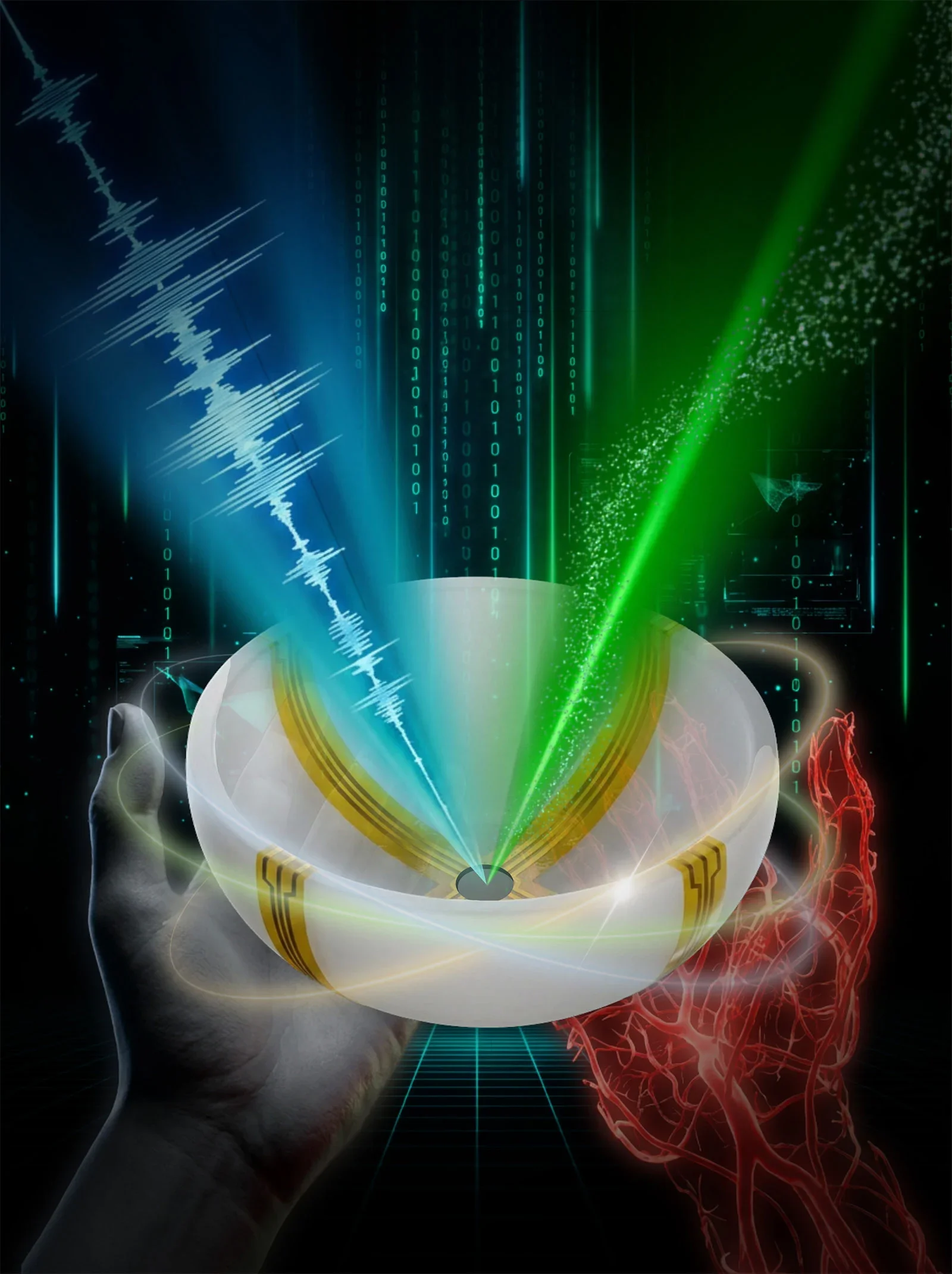
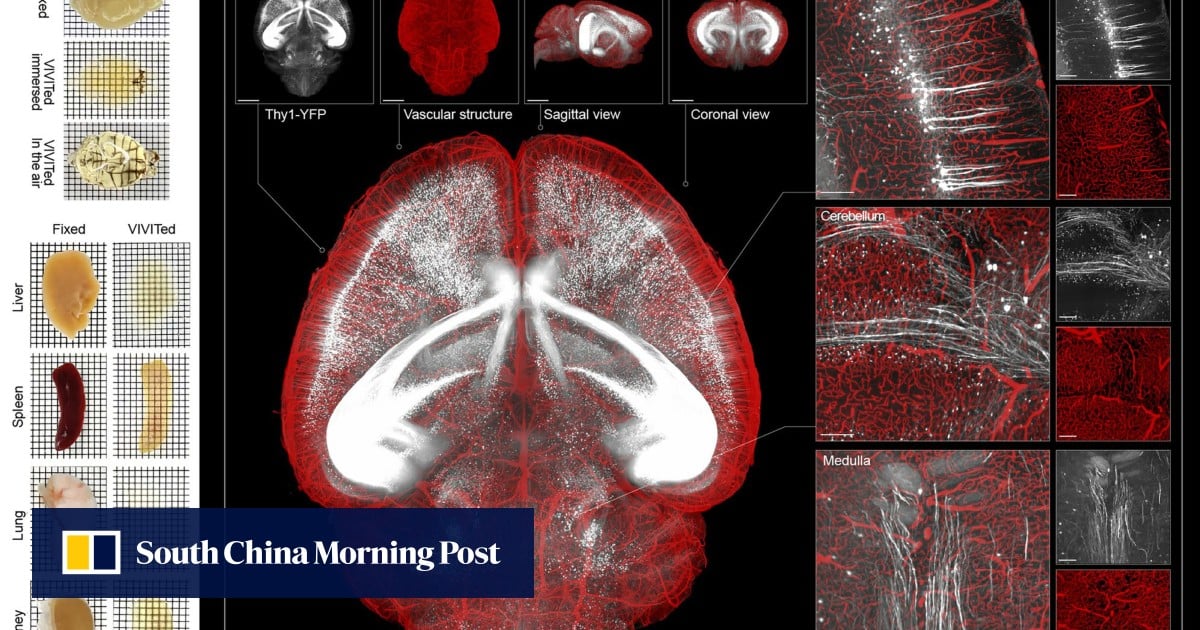
Chinese scientists have developed a new method to make organs like the brain and heart transparent, enabling highly detailed 3D imaging of their internal structures without damage, which could significantly advance biological and medical research.

3D RNA Imaging Transforms Brain Study Techniques

Originally Published 1 year ago — by Neuroscience News

Featured image for 3D RNA Imaging Transforms Brain Study Techniques
Source: Neuroscience News

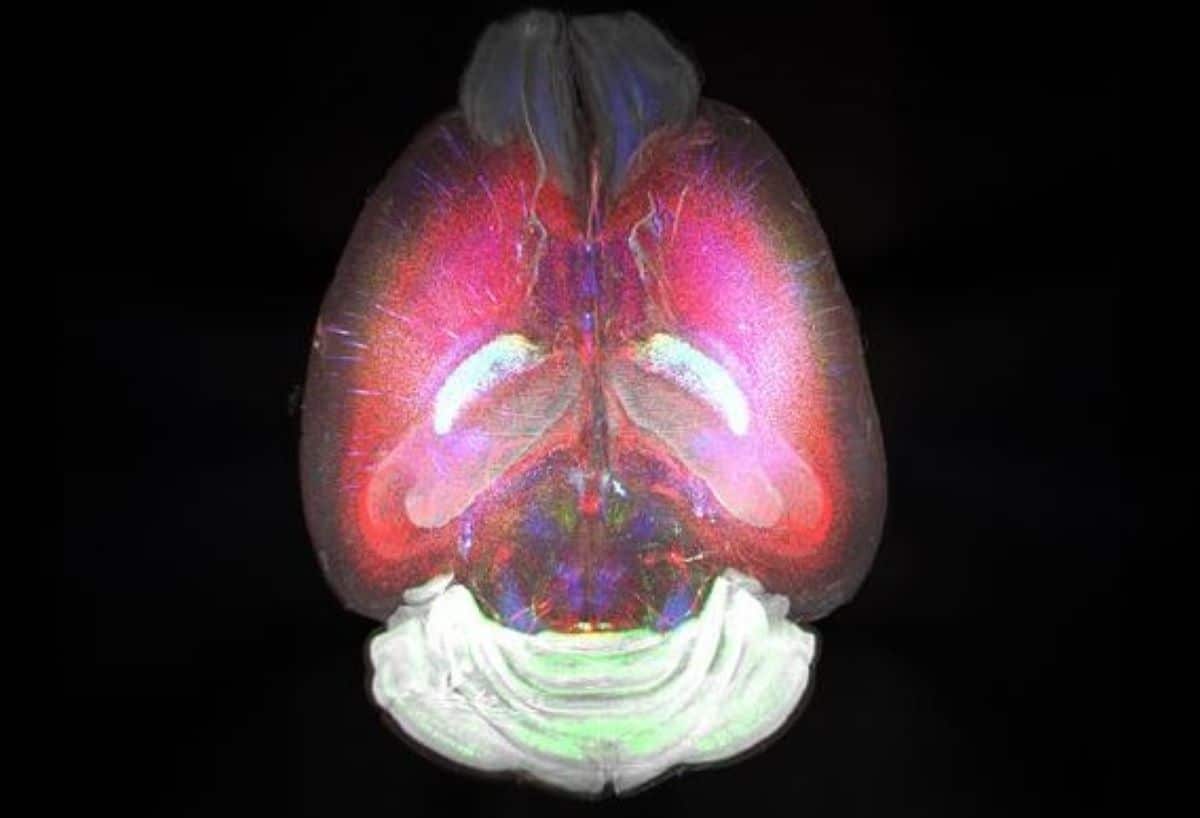
Researchers at Karolinska Institutet have developed TRISCO, a novel microscopy method enabling 3D RNA analysis in whole, intact mouse brains, without slicing. This technique allows for the simultaneous analysis of up to 100 RNA molecules, offering new insights into brain structure and function, and potentially revolutionizing the study of neurological disorders. TRISCO's applicability extends to larger brains and other tissues, promising advancements in understanding and treating brain diseases.

"Google Earth Heart Video Explores Two Unique Organs"

Originally Published 1 year ago — by The US Sun

Featured image for "Google Earth Heart Video Explores Two Unique Organs"
Source: The US Sun

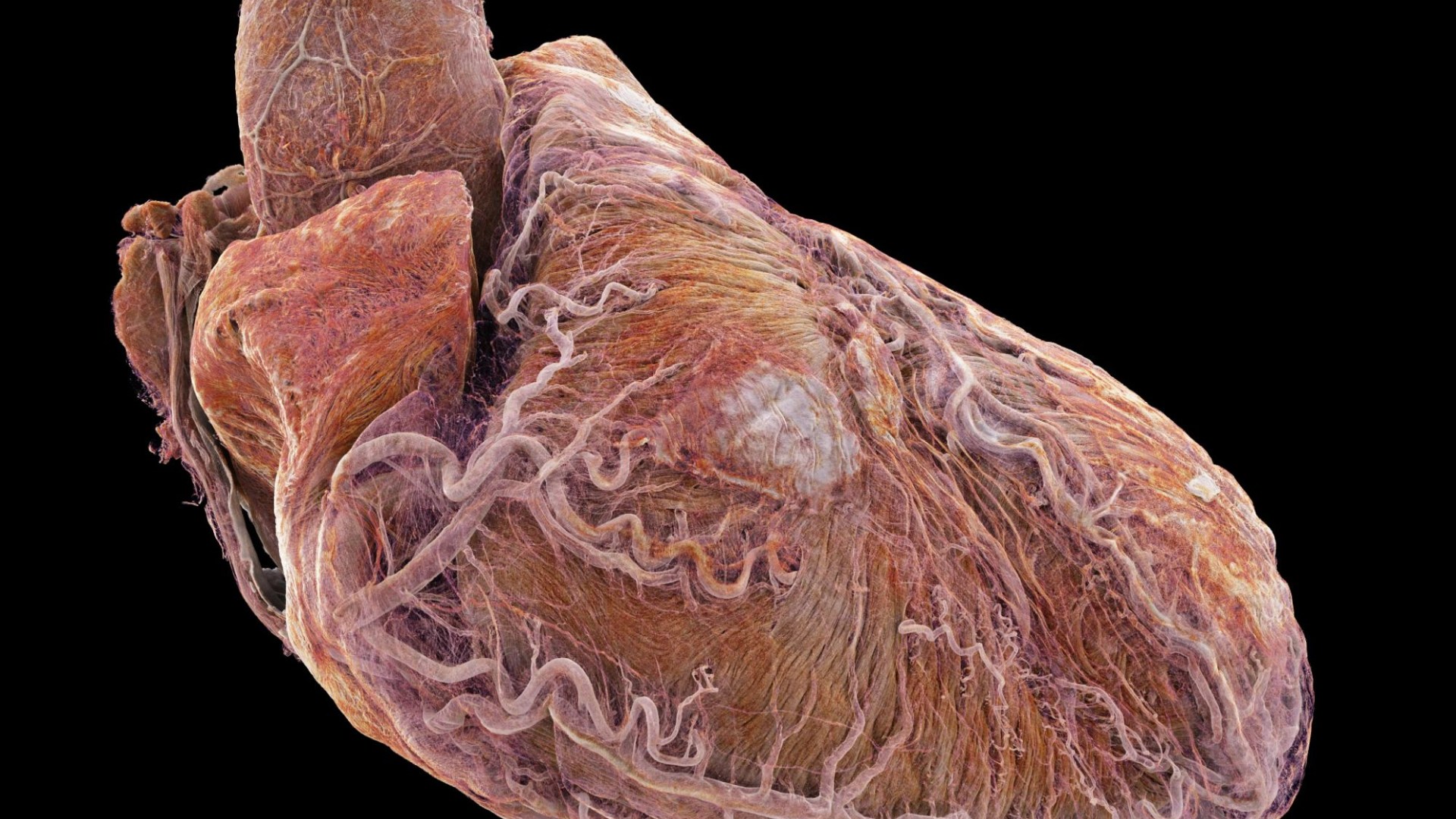
Scientists have created the first-ever detailed 3D atlas of the human heart using advanced imaging technology, allowing unprecedented views of both healthy and diseased hearts. This breakthrough, likened to a "Google Earth" for the heart, aims to enhance understanding and treatment of cardiovascular diseases by providing detailed anatomical insights that were previously unattainable.

"38 Million-Year-Old Amber Fossil Preserves Termites in Mating Position"

Originally Published 1 year ago — by Livescience.com

Featured image for "38 Million-Year-Old Amber Fossil Preserves Termites in Mating Position"
Source: Livescience.com

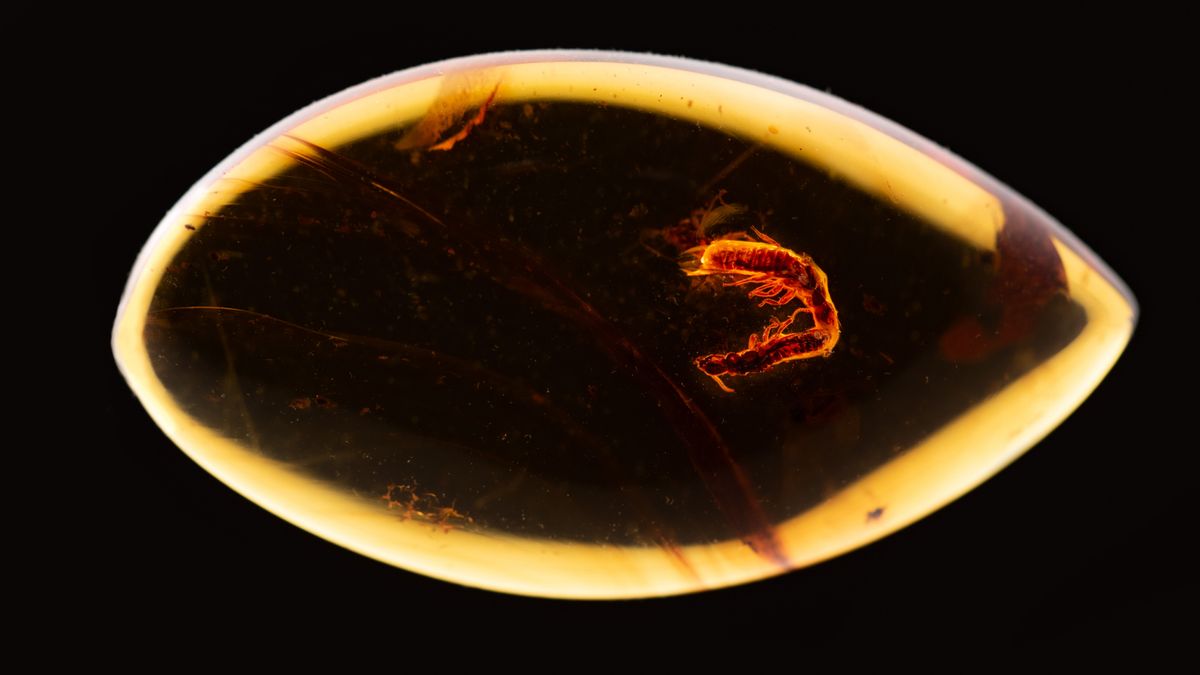
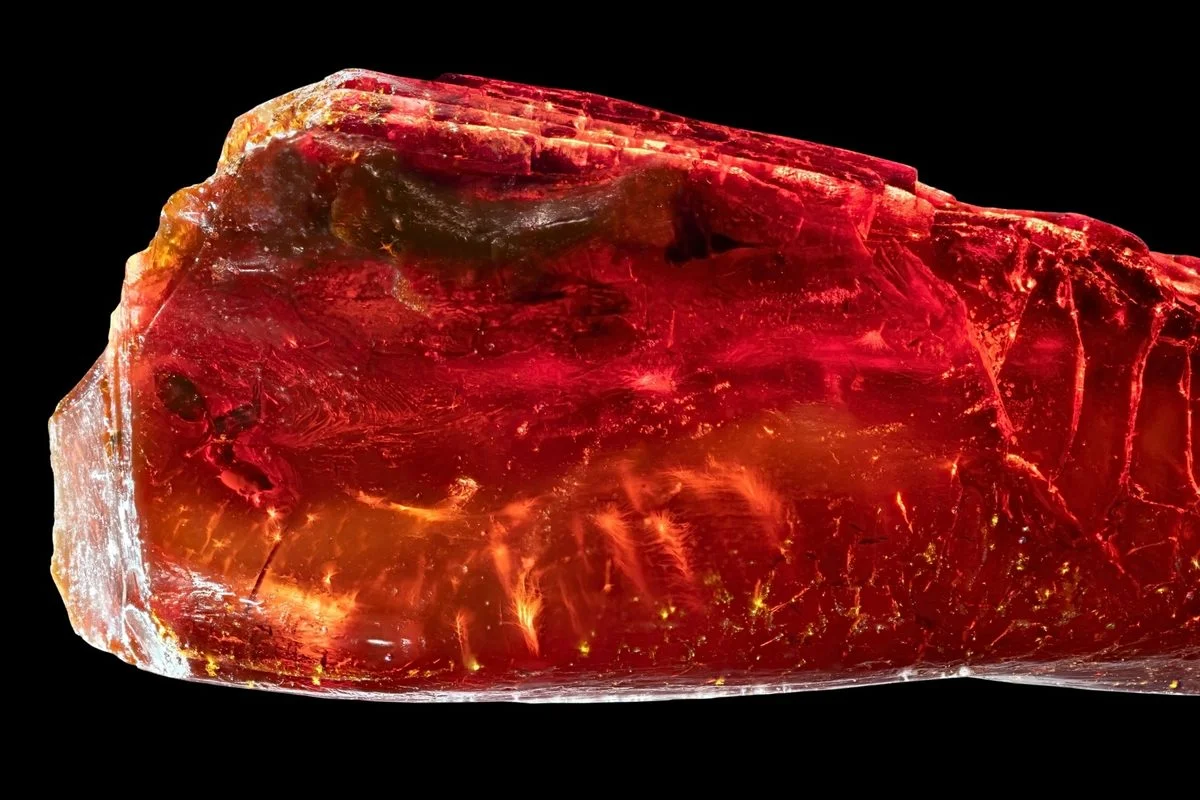
A 38 million-year-old piece of amber containing a pair of Electrotermes affinis termites has provided insight into the mating behavior of these long-extinct insects. The fossilized termites were found in a side-by-side position, suggesting they were likely engaged in tandem running, a common mating behavior in living termites. Researchers used 3D imaging to identify the male and female termites and recreated their final moments in a lab with living termites to understand how they got trapped in the resin. This discovery sheds light on the ancient behavior of termites and provides a rare glimpse into their mating rituals.

"Visualizing Temperature-Driven Turbulence in Liquid Metal: A 3D Breakthrough"

Originally Published 1 year ago — by Phys.org

Featured image for "Visualizing Temperature-Driven Turbulence in Liquid Metal: A 3D Breakthrough"
Source: Phys.org

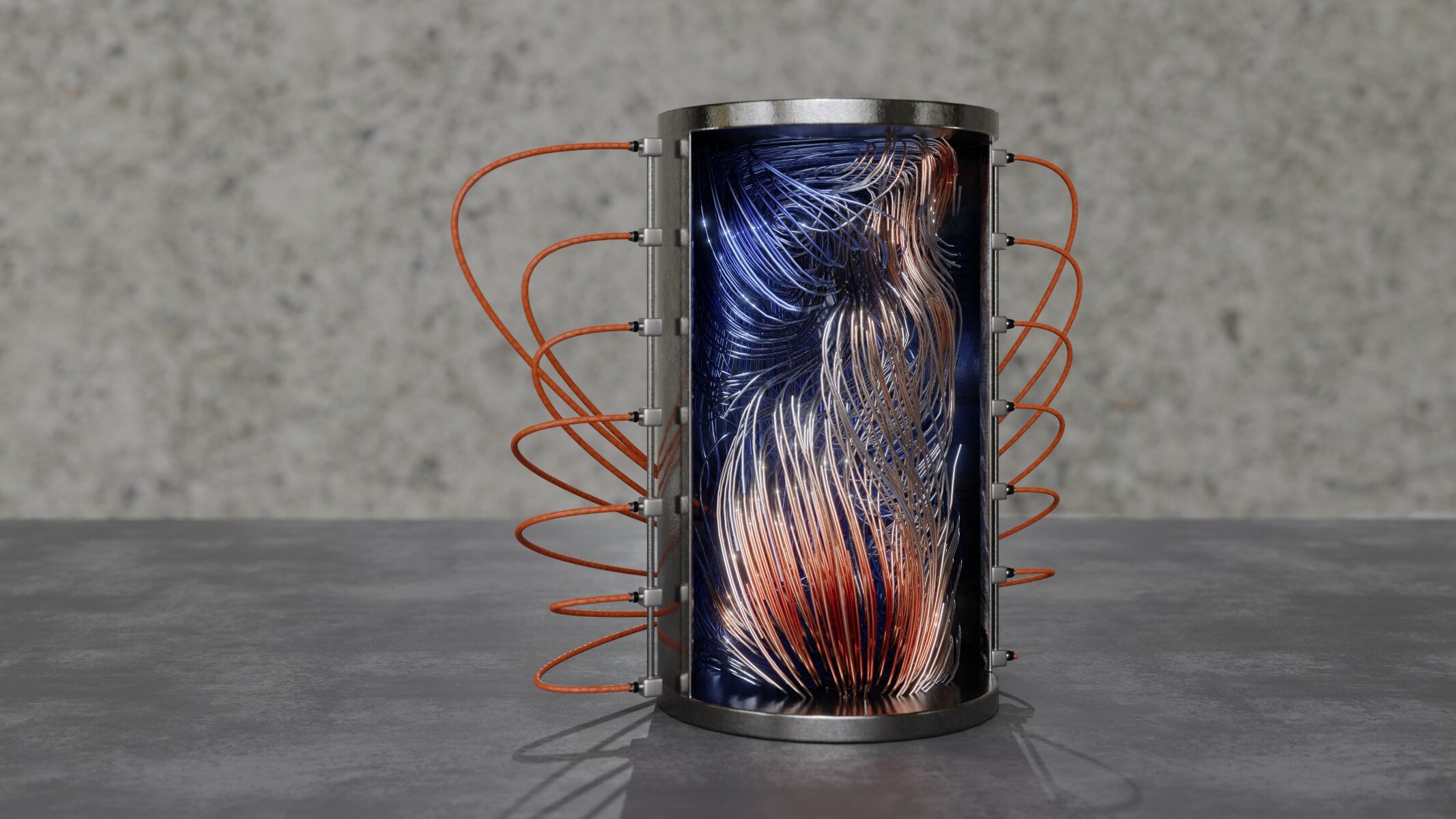
Researchers at the Helmholtz-Zentrum Dresden-Rossendorf have successfully visualized a detailed three-dimensional image of turbulent temperature-driven liquid metal flow using a self-developed method called contactless inductive flow tomography (CIFT). This breakthrough could provide insights into geophysical and astrophysical flow phenomena and industrial applications, such as the casting of liquid steel. The team overcame challenges in measuring the small flow-induced magnetic fields and aims to further develop the measurement method for increased accuracy and deeper insights into turbulent liquid metal flows.

"Revolutionary Technique Maps 3D Atomic Positions with Unprecedented Precision"

Originally Published 1 year ago — by Phys.org

Featured image for "Revolutionary Technique Maps 3D Atomic Positions with Unprecedented Precision"
Source: Phys.org

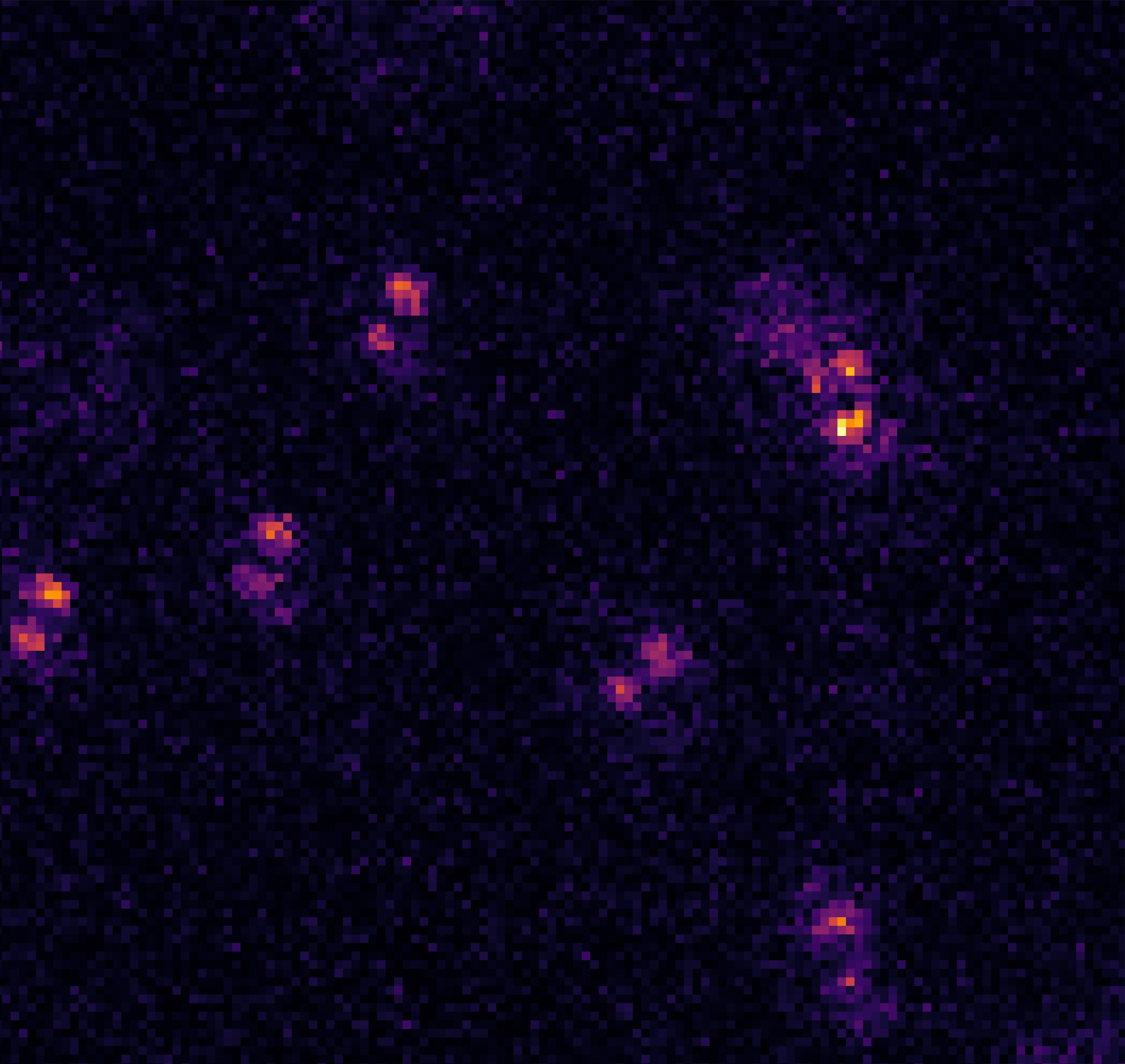
A new method developed by the University of Bonn and University of Bristol allows for the precise measurement of all three spatial coordinates of individual atoms with one single image, using an effect known in theory since the 1990s. This method, based on quantum gas microscopy, deforms the wavefront of light emitted by the atom, producing a dumbbell shape on the camera that rotates around itself, allowing researchers to determine the z coordinate. This breakthrough is important for quantum mechanics experiments and could aid in the development of new quantum materials with special characteristics.

"Michelangelo's David Successfully Recognized by Compact Facial-Recognition System"

Originally Published 1 year ago — by Ars Technica

Featured image for "Michelangelo's David Successfully Recognized by Compact Facial-Recognition System"
Source: Ars Technica

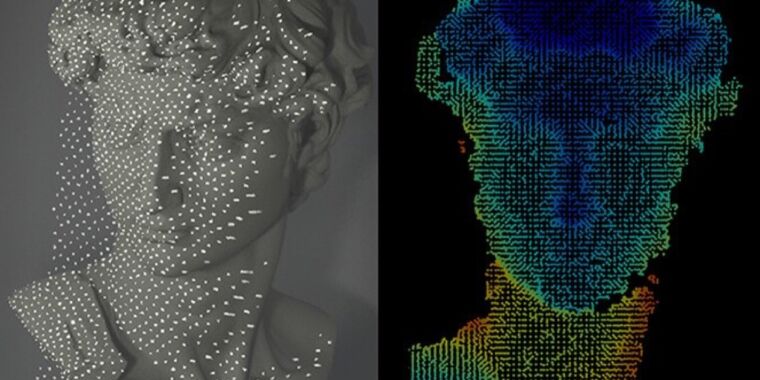
Scientists have developed a new compact facial recognition system that uses flatter, simpler optics and requires less energy than existing 3D imaging systems in smartphones. The system, tested on a replica of Michelangelo's David, employs metasurfaces and a photonic crystal surface-emitting laser to generate customizable and versatile light patterns, making it more energy-efficient and suitable for integration into a single chip. The new system recognized the face as well as existing smartphone facial recognition while using 5-10 times less power.

"Non-lethal Methods for Studying Deep Sea Creatures Advancing, Scientists Say"

Originally Published 1 year ago — by Nautilus

Featured image for "Non-lethal Methods for Studying Deep Sea Creatures Advancing, Scientists Say"
Source: Nautilus

Scientists have developed a new method of analyzing deep-sea creatures using 3-D imaging systems and an origami-inspired collecting device with built-in tissue sampling and preservation, allowing them to study marine life in its natural environment. This approach has the potential to accelerate the pace of new species discovery and description in the ocean, without the need to bring physical specimens to the surface. The method was successfully tested during two research cruises off the coasts of Hawaii and San Diego, where scientists interacted with various deep-sea organisms, including the gossamer worm. The goal is to further refine the technology to enable minimally invasive biopsies and DNA swabbing of deep-sea creatures, providing a gentle "checkup" for these delicate organisms.

AI and 3D Imaging Reveal Tongue's Unique Traits

Originally Published 2 years ago — by Neuroscience News

Featured image for AI and 3D Imaging Reveal Tongue's Unique Traits
Source: Neuroscience News

AI and 3D imaging have revealed that the surface of each person's tongue, with its unique papillae patterns, is distinct. By analyzing over two thousand detailed scans from fifteen individuals, AI models were able to predict personal characteristics such as age and gender with up to 85% accuracy based on tongue features. This breakthrough has implications for personalized food development, early oral cancer diagnosis, and a deeper understanding of taste and touch variations. The research highlights the intricate biological uniqueness of the human tongue and opens doors to numerous health and culinary applications.

Breakthrough: Scientists Capture Stunning 3D Image of Mammalian Heart Muscle's Thick Filament

Originally Published 2 years ago — by Phys.org

Featured image for Breakthrough: Scientists Capture Stunning 3D Image of Mammalian Heart Muscle's Thick Filament
Source: Phys.org

Scientists have successfully captured the first true-to-life 3D image of the thick filament in mammalian heart muscle using electron cryo-tomography. The study provides insights into the molecular organization and function of the thick filament, including the arrangement of myosin molecules and the role of titin chains. This breakthrough in muscle research could contribute to a better understanding of muscle diseases and the development of innovative therapies.

Revolutionary Hologram Technology Transcends 2D Images

Originally Published 2 years ago — by SciTechDaily

Featured image for Revolutionary Hologram Technology Transcends 2D Images
Source: SciTechDaily

Researchers have developed a deep-learning method that simplifies the creation of holograms, allowing 3D images to be generated directly from 2D photos captured with standard cameras. This technique outperforms current high-end graphics processing units in speed and doesn't require expensive equipment like RGB-D cameras, making it cost-effective. The approach involves three deep neural networks that transform a 2D color image into data that can be used to display a 3D scene or object as a hologram. This breakthrough has potential applications in high-fidelity 3D displays and in-vehicle holographic systems, revolutionizing holographic technology.