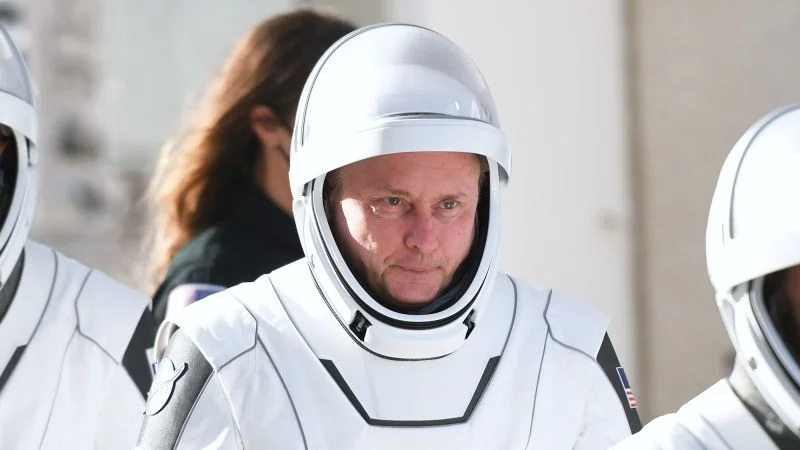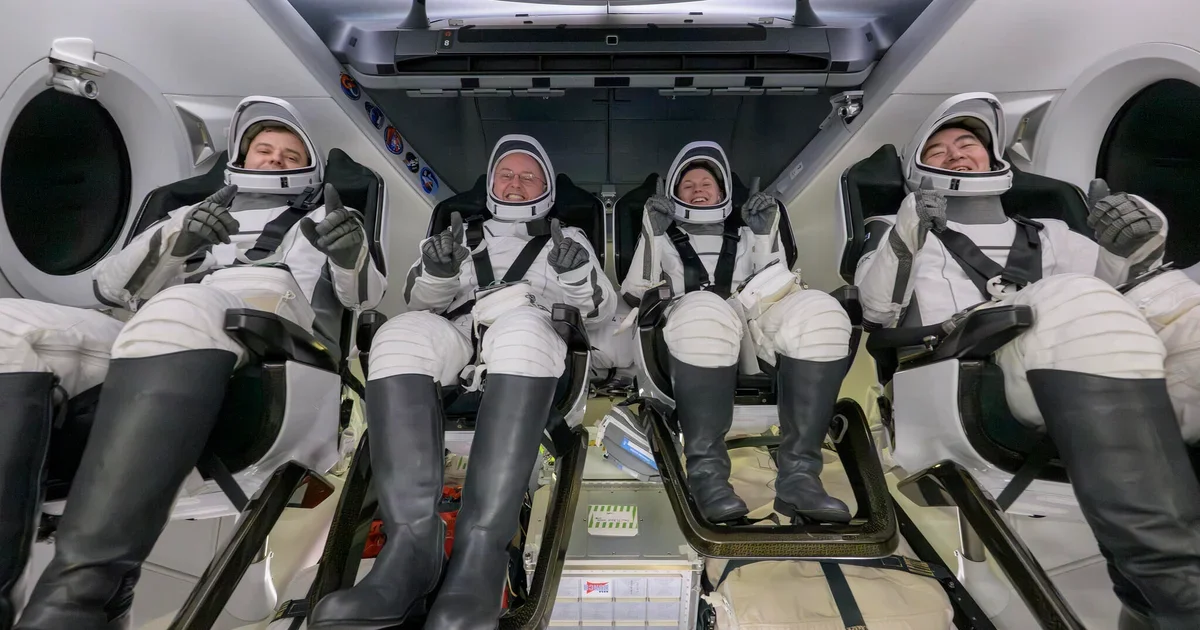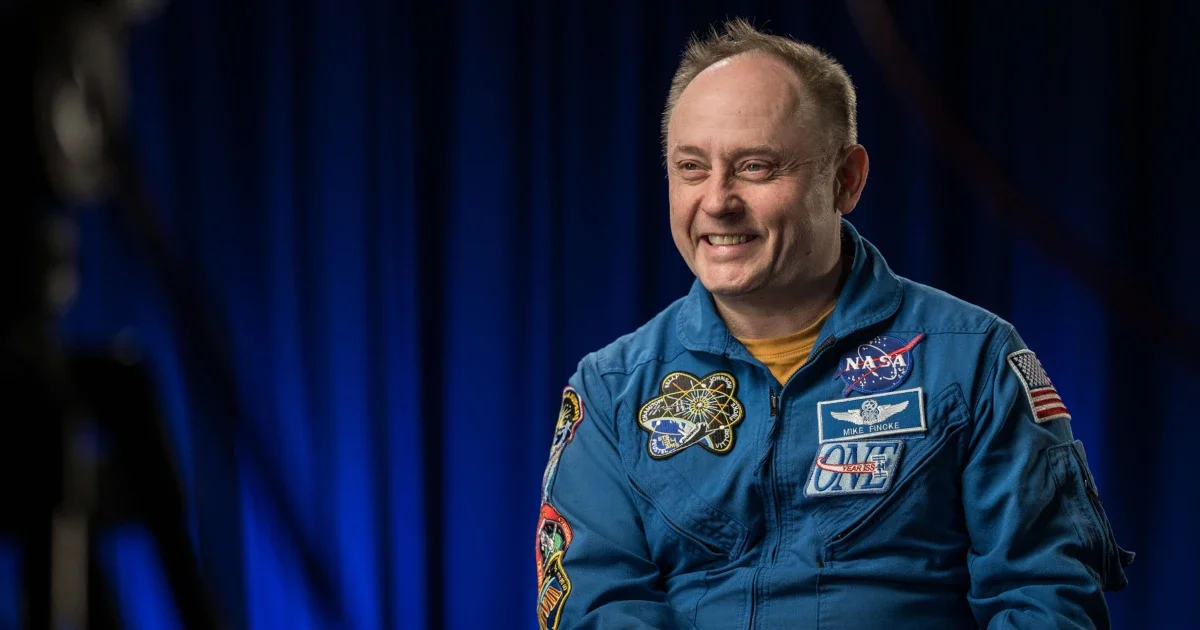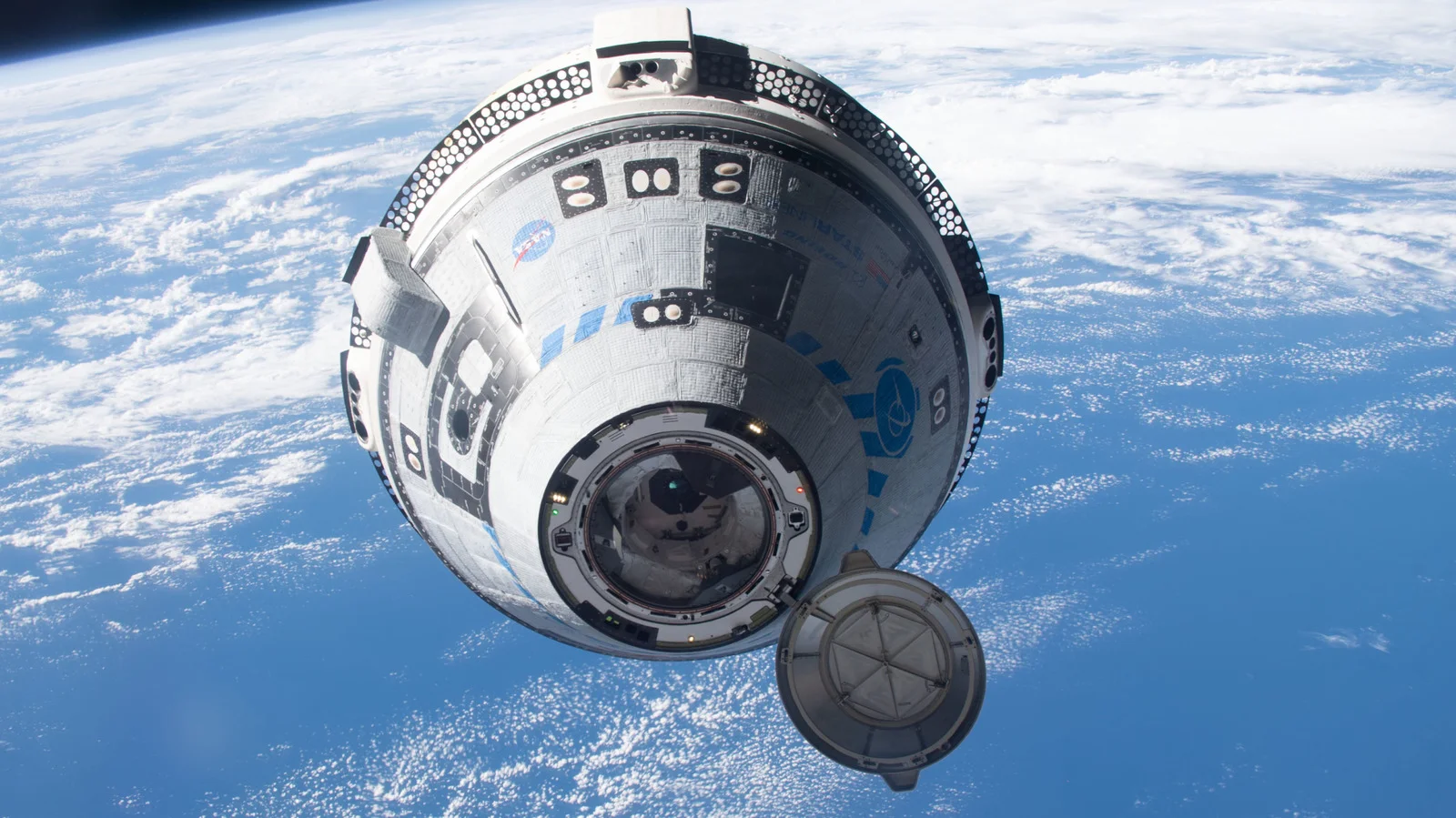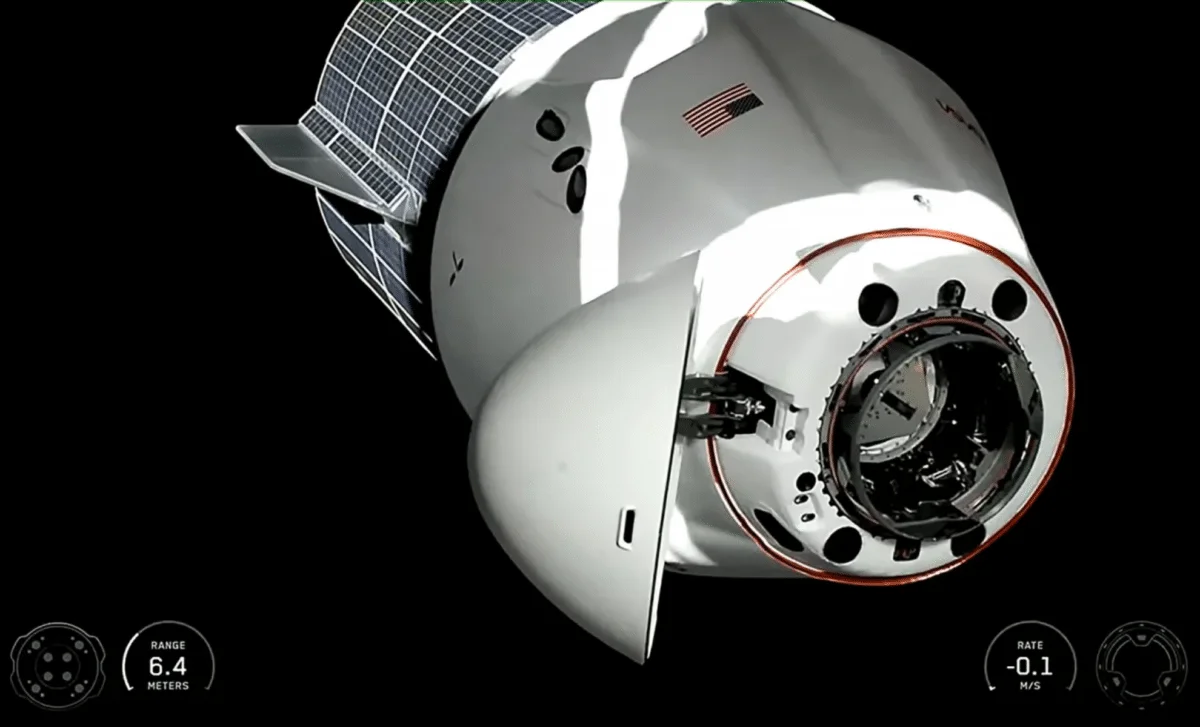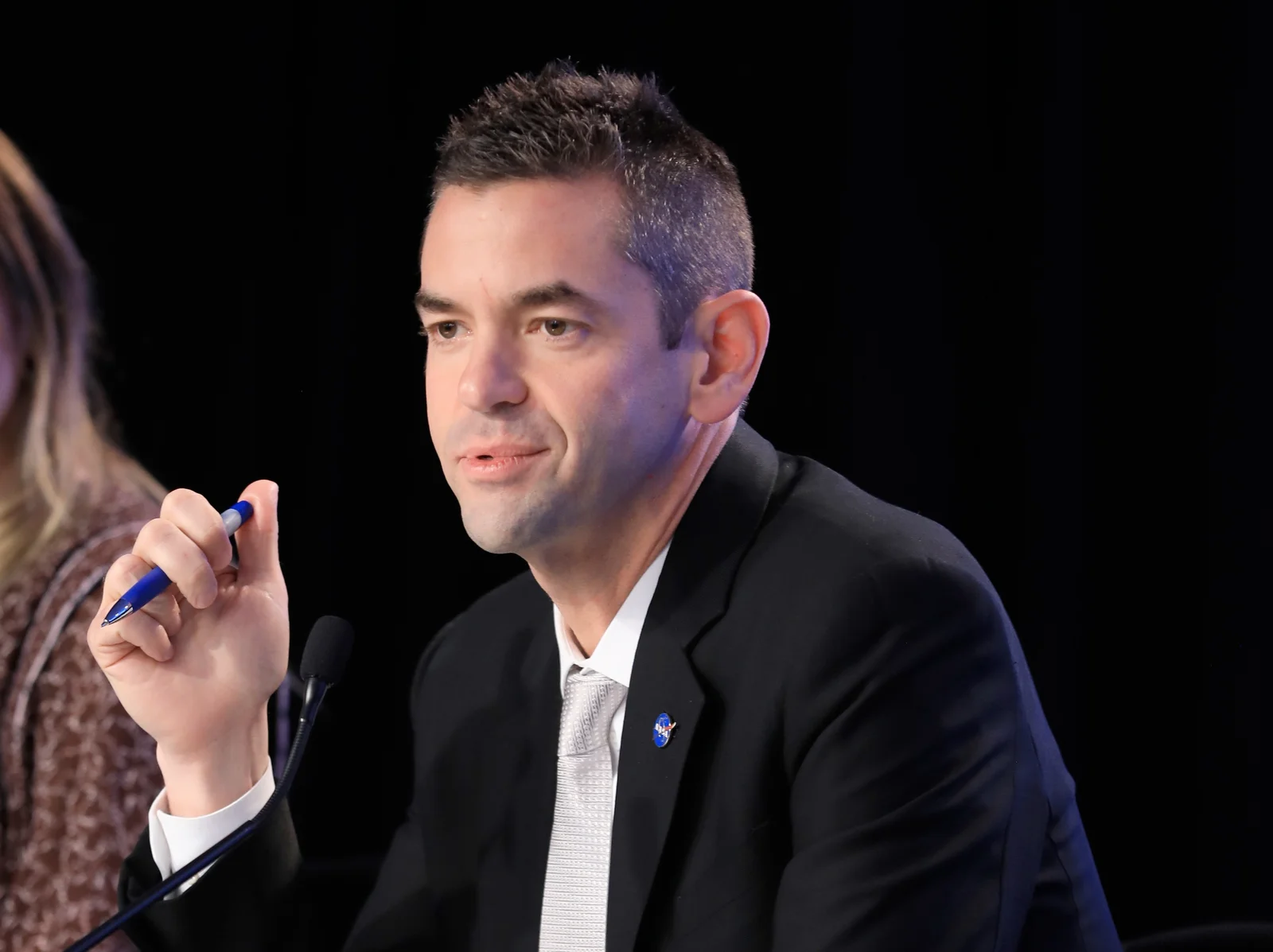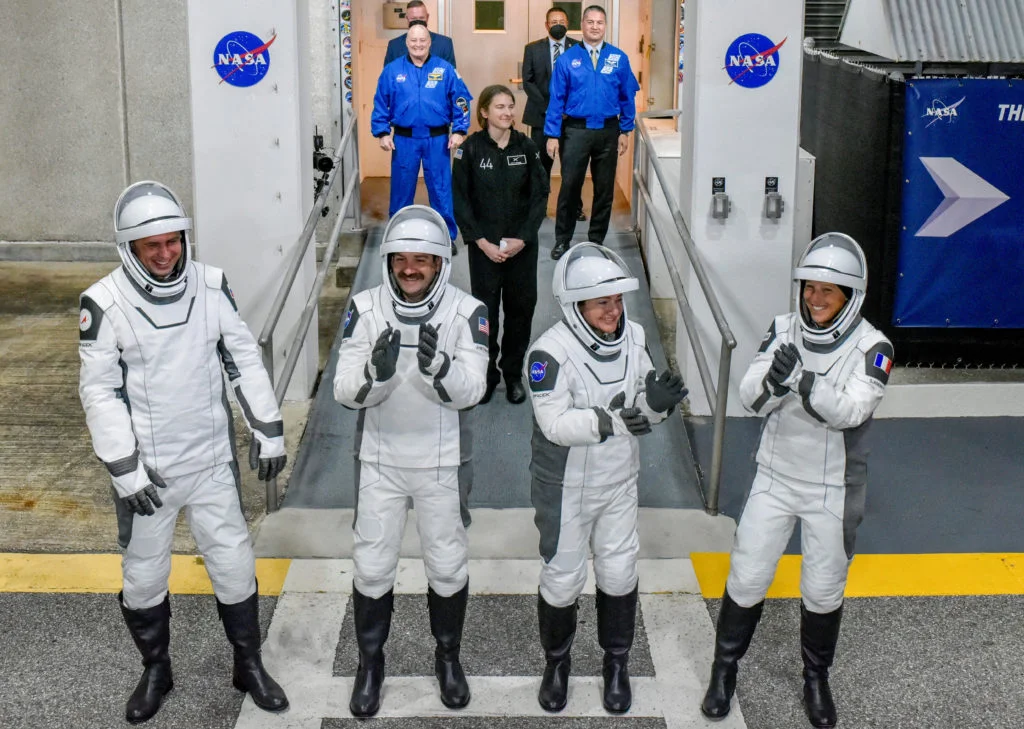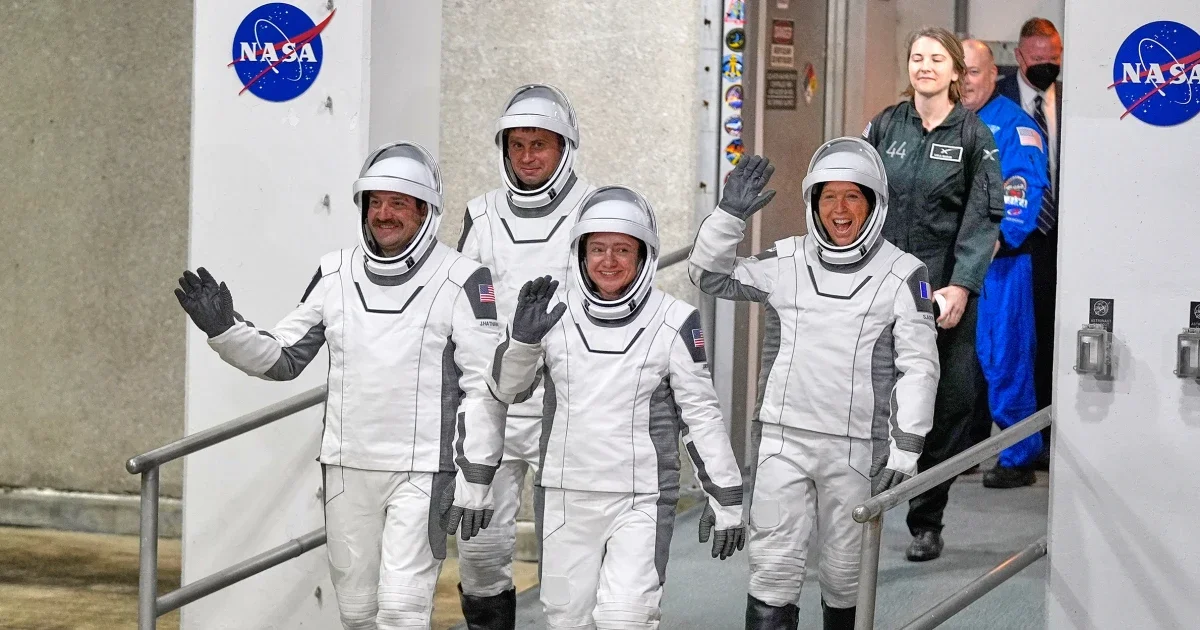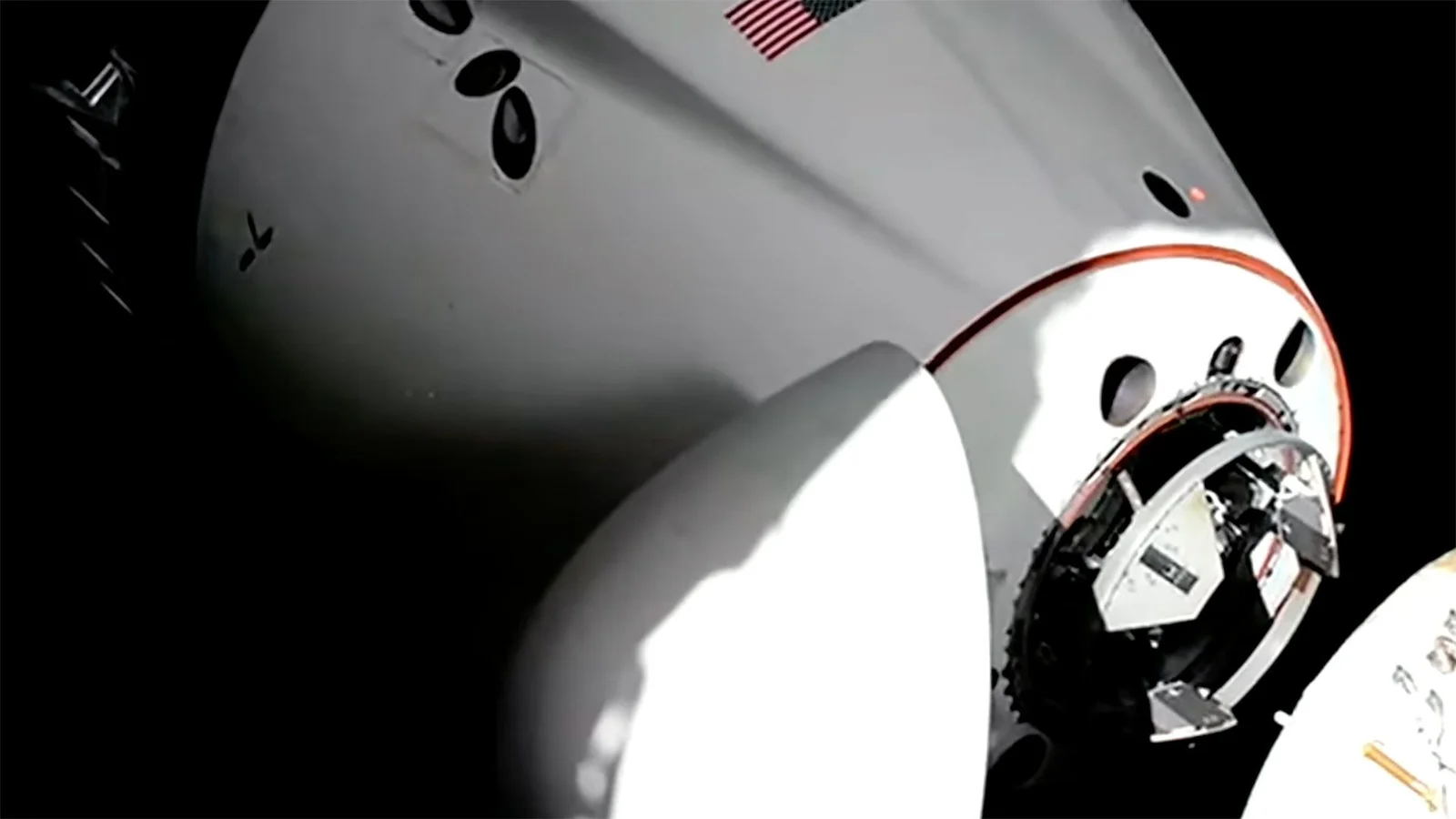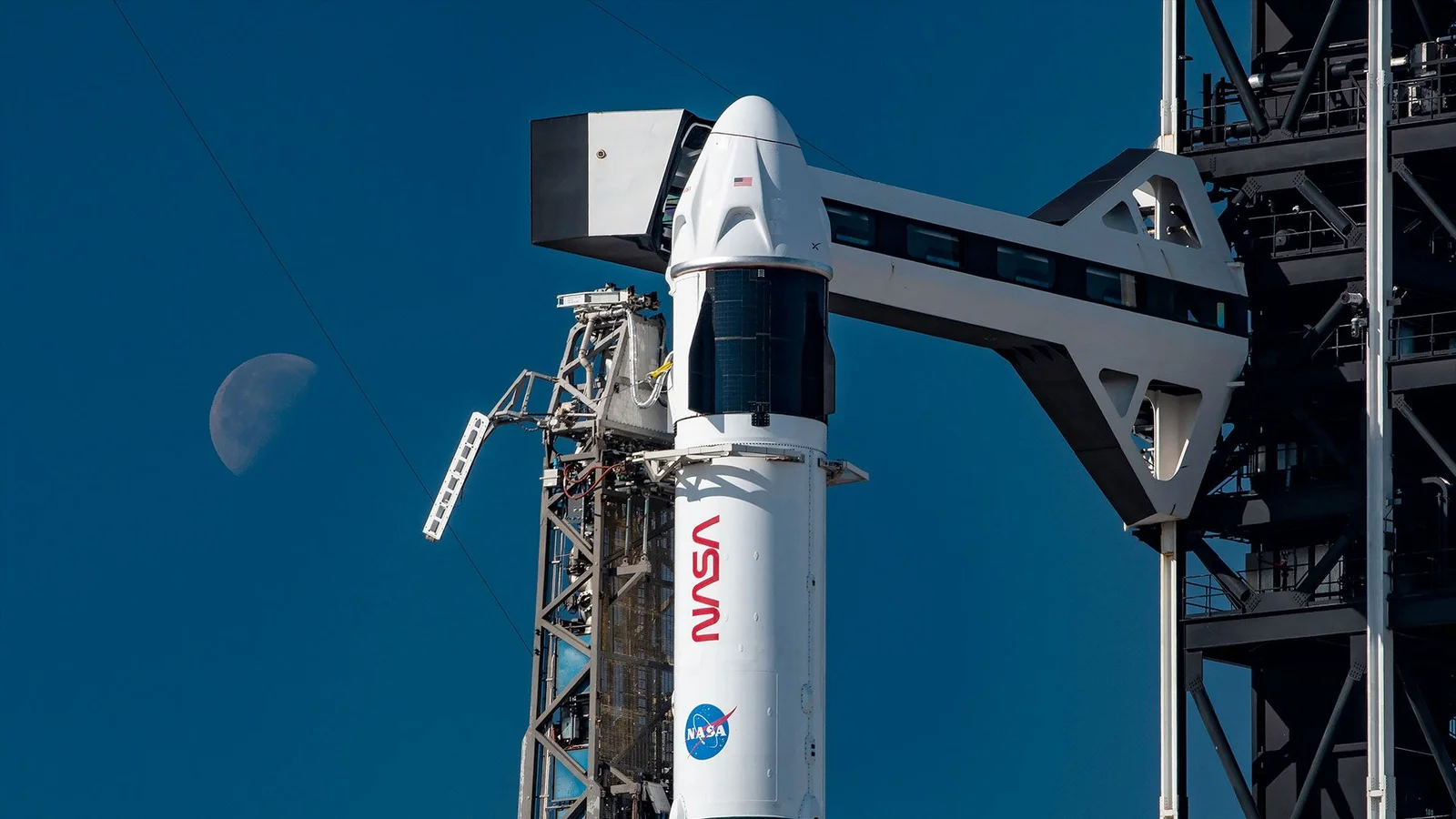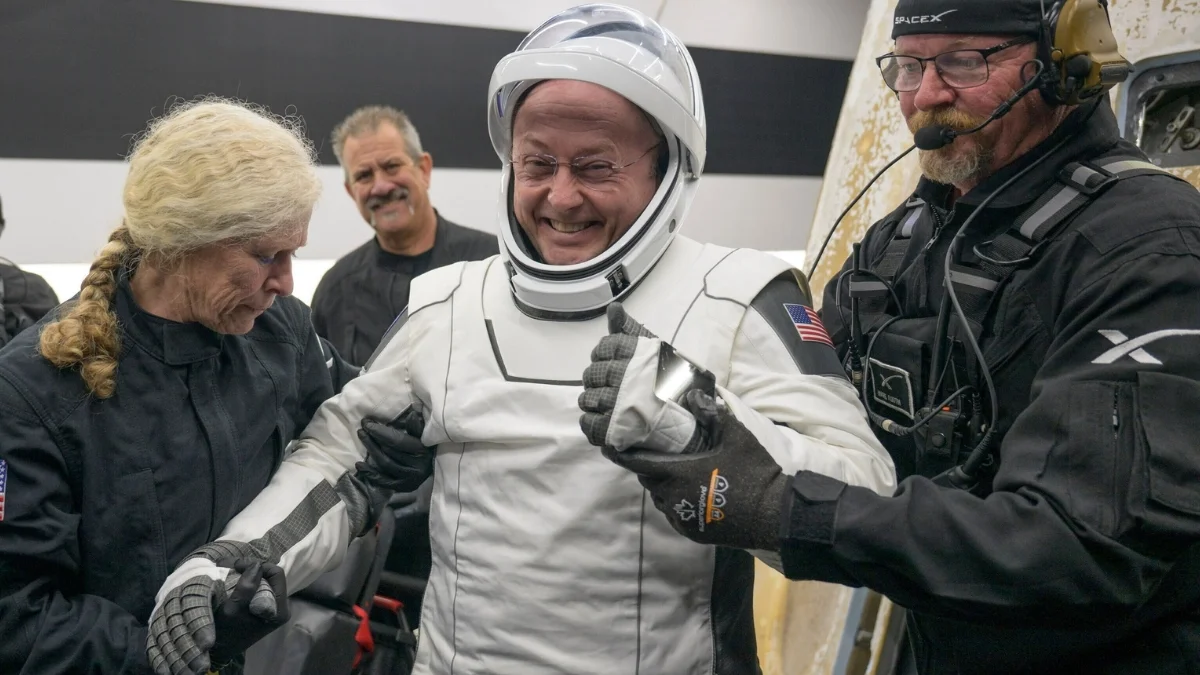
NASA and SpaceX are coordinating an early return of Crew-11 from the International Space Station due to a medical issue onboard. Weather is forecast to be favorable for a splashdown, and the mission team says a skeleton crew will remain on the ISS as a new commander is set to take charge soon.
The International Space Station will operate with only three astronauts after NASA's Crew-11 mission is cut short due to a crew member's health issue, marking a rare skeleton crew scenario that may last about a month, with NASA and Russian crew members prepared to assist.
An astronaut aboard the ISS captured a stunning nighttime image of Earth showing city lights, moonglint, and airglow, highlighting human settlements and natural phenomena from space, with implications for environmental and oceanographic research.
NASA's ISS-based Atmospheric Waves Experiment detected gravity waves in the mesosphere caused by Hurricane Helene, revealing how surface weather impacts upper atmospheric conditions and affecting satellite operations and space weather understanding.
An astronaut aboard the ISS captured a rare lunar halo, a delicate optical ring caused by light refraction through high-altitude ice crystals in Earth's mesosphere, providing valuable insights into atmospheric conditions and phenomena from space.
An astronaut aboard the ISS captured a stunning image of a partial lunar halo, a rare optical phenomenon caused by moonlight refracting through ice crystals in high-altitude clouds, showcasing the intricate interplay of atmospheric physics from space.
Russia plans to repurpose its existing ISS segments to create a new Russian orbital station called ROSS after the ISS retires around 2030, instead of launching new modules, due to aging hardware and geopolitical tensions.
Astronaut Nichole Ayers aboard the ISS captured a rare and stunning image of a sprite, a luminous electrical discharge occurring high above thunderstorms, providing valuable data for scientists studying these mysterious atmospheric events.
Russia plans to recycle its aging half of the ISS to form the core of a new space station called ROS, after the current ISS is decommissioned post-2030. The decision follows economic setbacks and geopolitical issues, with concerns about the structural integrity and biological hazards of the Russian modules. The new station aims to maintain collaboration with India and continue orbiting in a similar path as the ISS.
Russia plans to repurpose its existing ISS modules into a new space station by 2030, abandoning its original ambitious design for a polar orbit station, due to logistical, political, and economic challenges, including reliance on damaged launch facilities and uncertain future funding amid ongoing conflicts.
The Russian Soyuz MS-28 spacecraft successfully docked with the International Space Station on Nov. 27, 2025, carrying three crew members and marking a historic moment with all eight ISS docking ports occupied for the first time in its 25-year history, despite damage to Baikonur's launch pad.
The International Space Station is experiencing a rare situation with all eight docking ports occupied, including four by Russian vehicles, amid ongoing issues with Russia's launchpad which could delay future Soyuz missions. This situation raises concerns about crew transport and resupply, with potential increased reliance on NASA's commercial partners like SpaceX and Boeing, and questions about Russia's future involvement in the ISS as it approaches its deorbit around 2030.
For the first time in its history, all eight docking ports of the ISS are occupied by various spacecraft, including cargo and crew vehicles from NASA, Roscosmos, JAXA, and SpaceX, highlighting the station's busy operational status.
The Baikonur Cosmodrome's Launch Pad 6 was damaged during a recent Soyuz launch to the ISS, raising concerns about its ability to support upcoming missions. While Roscosmos claims the damage can be quickly repaired, experts suggest repairs could take up to two years, potentially impacting Russia's ISS operations and crew rotations. The next scheduled launch from this pad is on December 20, with a crewed mission planned for July 2026.
The European Space Agency is testing a new space food made from microbes, air, and urine called Solein aboard the ISS, aiming to develop sustainable nutrition for long-duration space missions to the Moon and Mars, with the goal of making it a primary protein source by 2035.