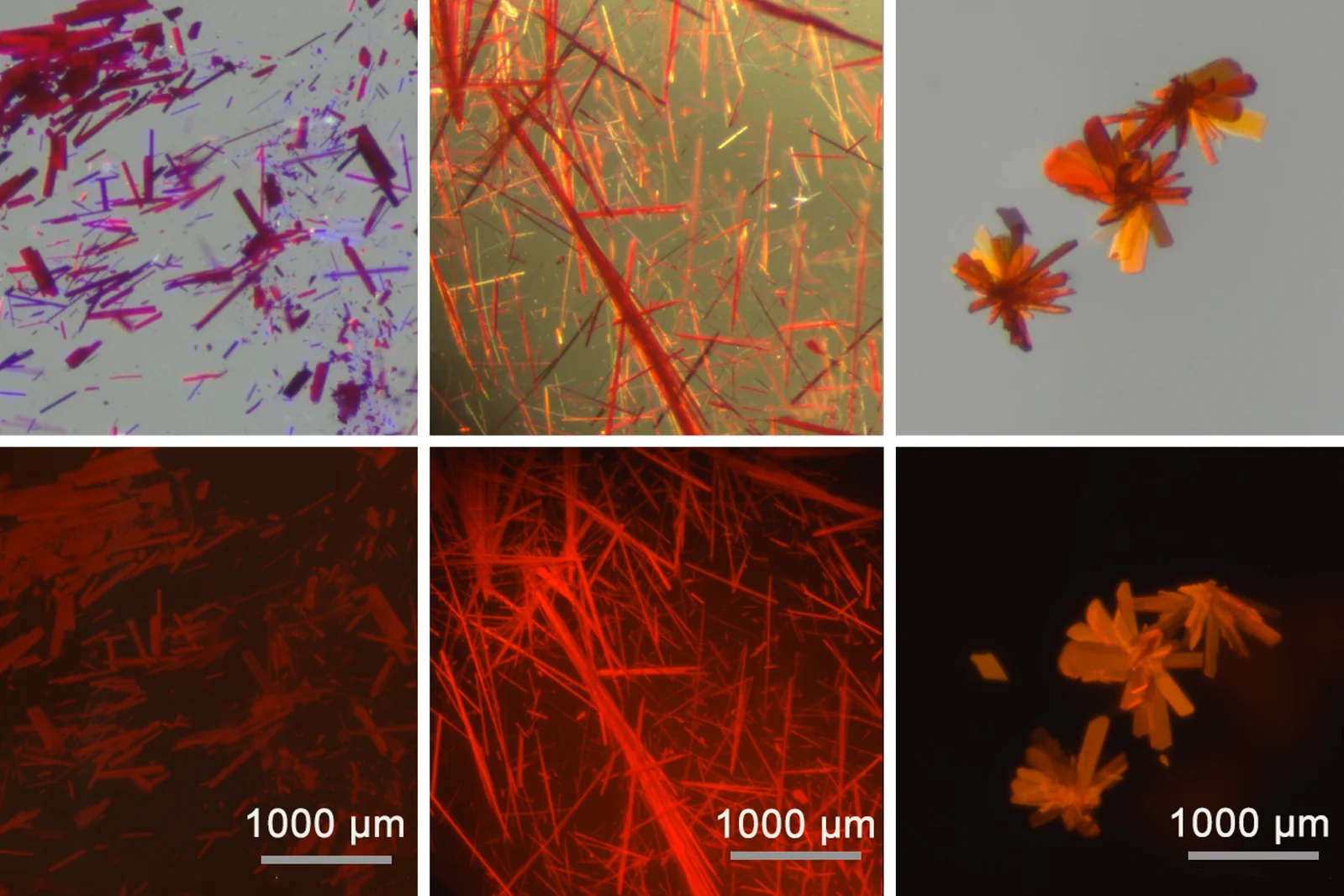
MIT chemists have developed a new stable red fluorescent dye based on borenium ions that emit in the near-infrared range, potentially enabling clearer biomedical imaging of deep tissues and tumors, with applications in temperature sensing and optoelectronics.
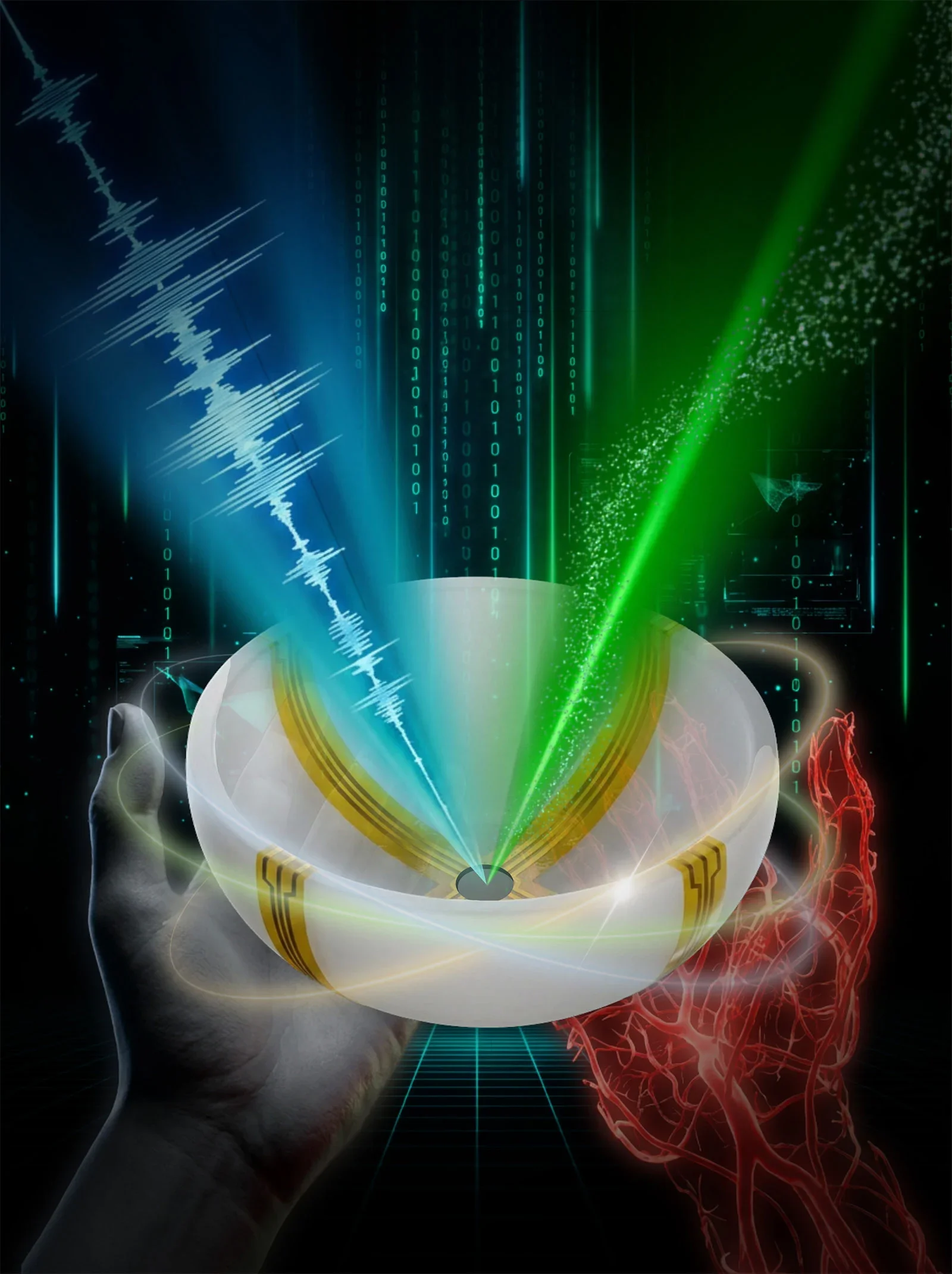
Scientists at Stanford used the food dye tartrazine, found in Doritos, to temporarily make mouse skin transparent by altering how water bends light, enabling clearer imaging of internal structures in live animals without invasive procedures, which could revolutionize biological research and medical imaging.
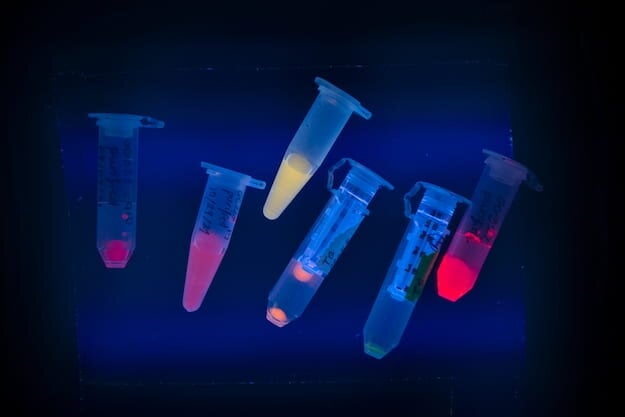
Researchers at the University of California, Irvine (UCI) have combined materials chemistry and machine learning to develop DNA-stabilized silver nanoclusters with near-infrared fluorescence. These tiny nanoclusters, wrapped in DNA, have the potential to be used as molecular probes for biomedical imaging and sensing applications. By using machine learning, the researchers were able to analyze experimental data and discover novel DNA sequences that can emit near-infrared light, which can penetrate living cells and biological tissue more effectively than visible light. This research opens doors to noninvasive and nonhazardous methods of disease detection and treatment.
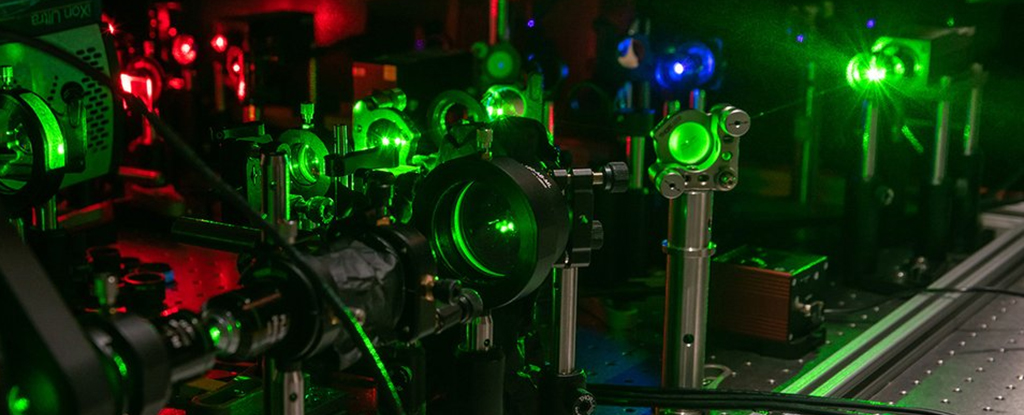
Researchers from California Institute of Technology (Caltech) have developed a new technique called quantum microscopy by coincidence (QMC) that uses entangled light particles to double the resolution of light microscopes without increasing the light's energy. The technique involves sending entangled photons down different paths and recombining their waves to examine delicate objects more closely. QMC is particularly well-suited for biomedical imaging, as it can examine tissues and biomolecules to find diseases or study their spread. The researchers used a crystal made from β-barium borate (BBO) to entangle photons and separate them again via a network of mirrors, lenses, and prisms. The entangled dual-action of the photons also means that their wavelengths are halved, which increases the resolution of the light microscope.