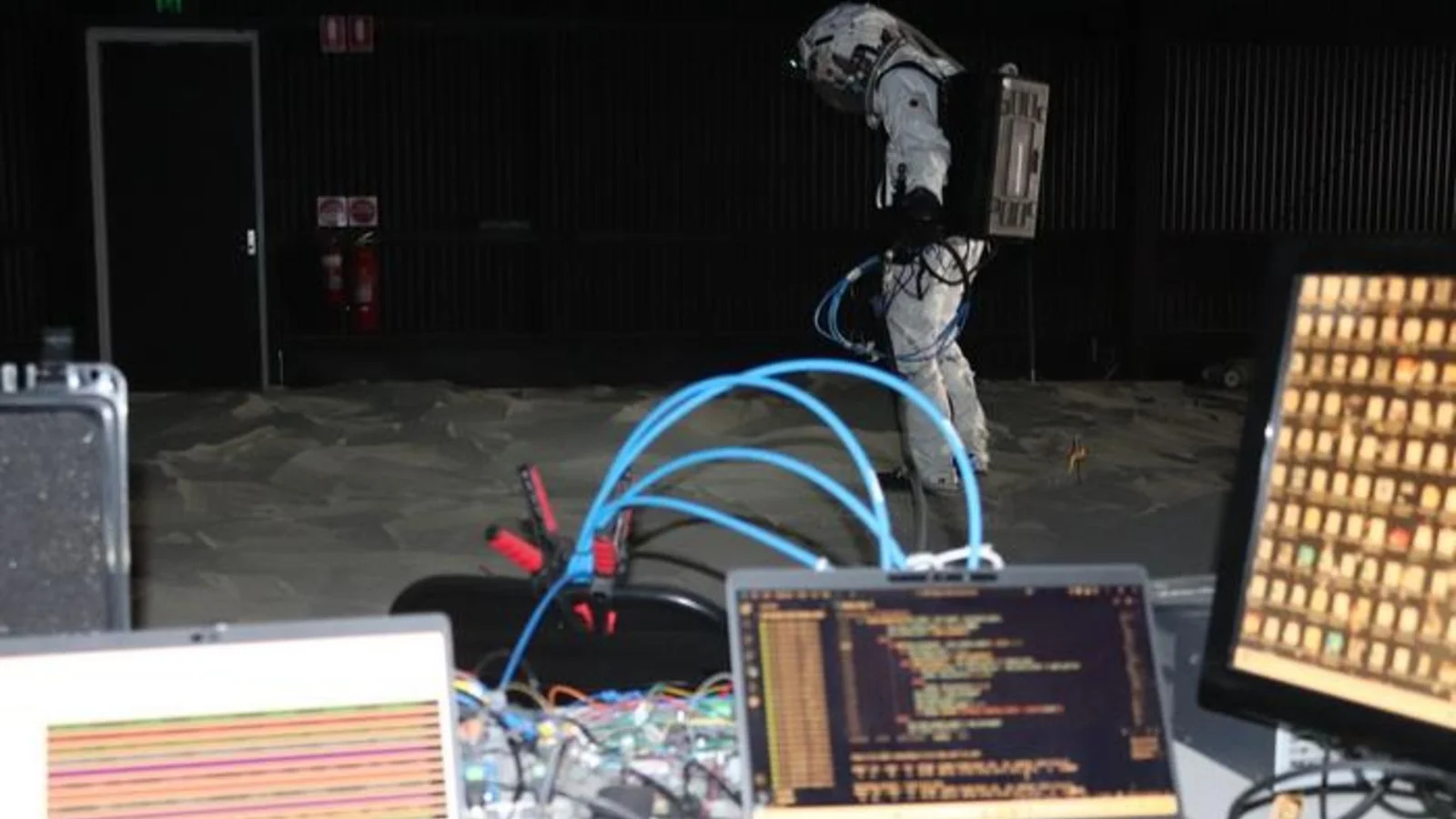
A new exosuit with artificial muscles, tested during a space analog mission in Australia, aims to improve astronaut mobility inside spacesuits for lunar and Martian exploration, with potential applications for mobility support and rehabilitation on Earth.
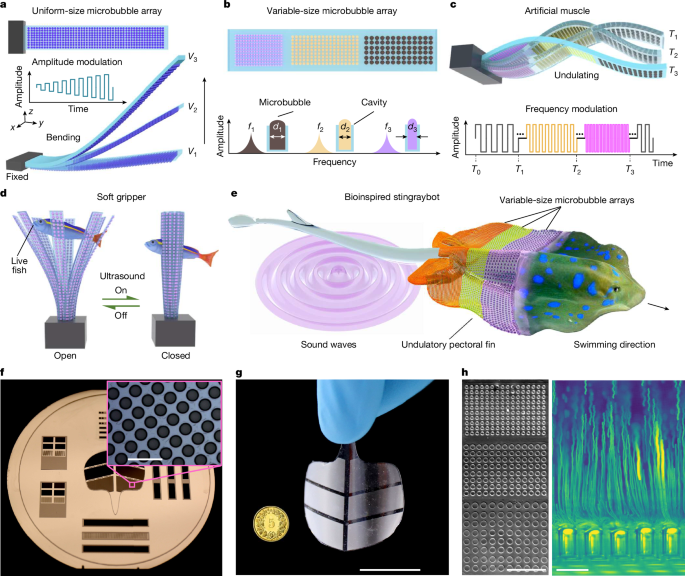
Researchers have developed programmable, wireless artificial muscles using ultrasound-activated microbubble arrays embedded in soft membranes, enabling diverse movements and applications in robotics, medical devices, and minimally invasive procedures, with high responsiveness and biocompatibility.
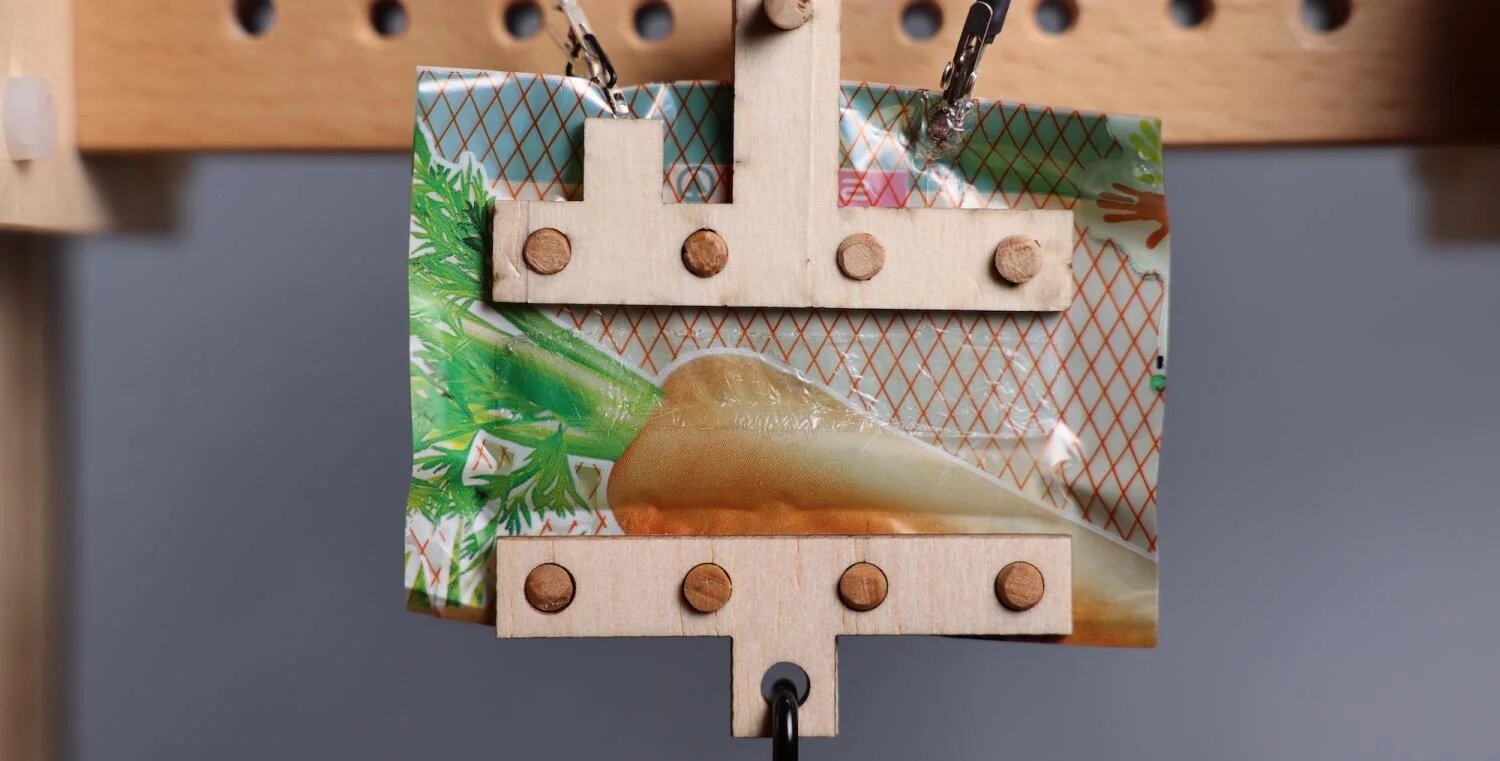
A team of engineers, including a graduate student from CU Boulder, has designed a new kind of robotic actuator, or "artificial muscle," made entirely of sustainable ingredients that can dissolve naturally in soil over a few months. The muscles are versatile and can power robotic arms and legs with life-like movements. The team tested various biodegradable candidates for replacing the plastic pouches in their actuators and found a biodegradable polyester blend, commonly used in shopping bags, to be a good option. The new materials system now opens up interesting avenues for applications that require components designed for single- or short-term use, such as in the area of food handling or medical applications.