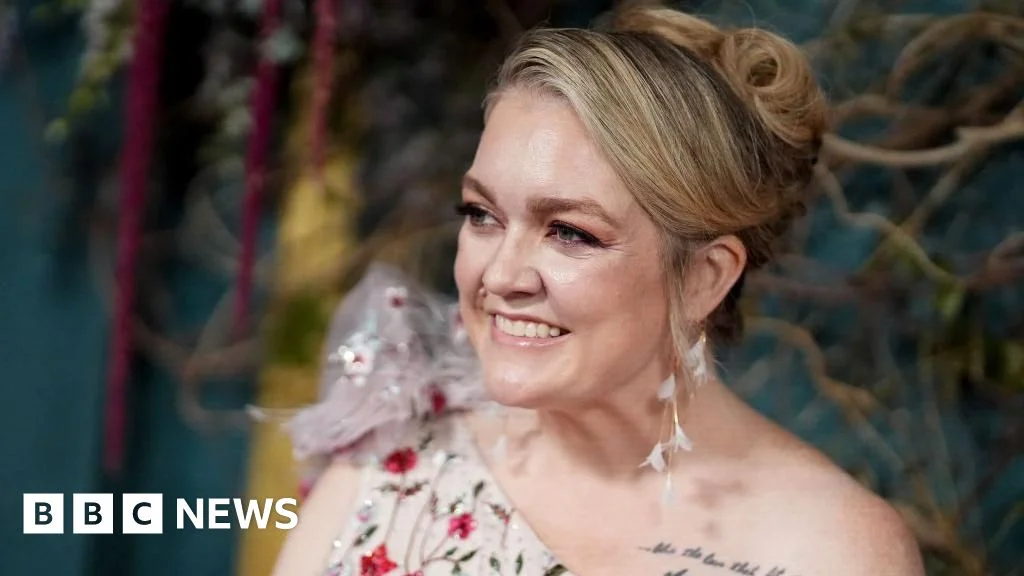
The Princess of Wales visited Charing Cross Hospital with Prince William, highlighting the importance of kindness and compassion in cancer care, sharing her own experience of remission, and supporting NHS staff during a challenging winter season.
Research suggests that COVID-19 mRNA vaccines may enhance the immune response in cancer patients, leading to longer survival when combined with immunotherapy, especially in lung and skin cancers. The findings, based on patient data and mouse studies, indicate a potential for developing universal cancer vaccines, though further clinical trials are needed.
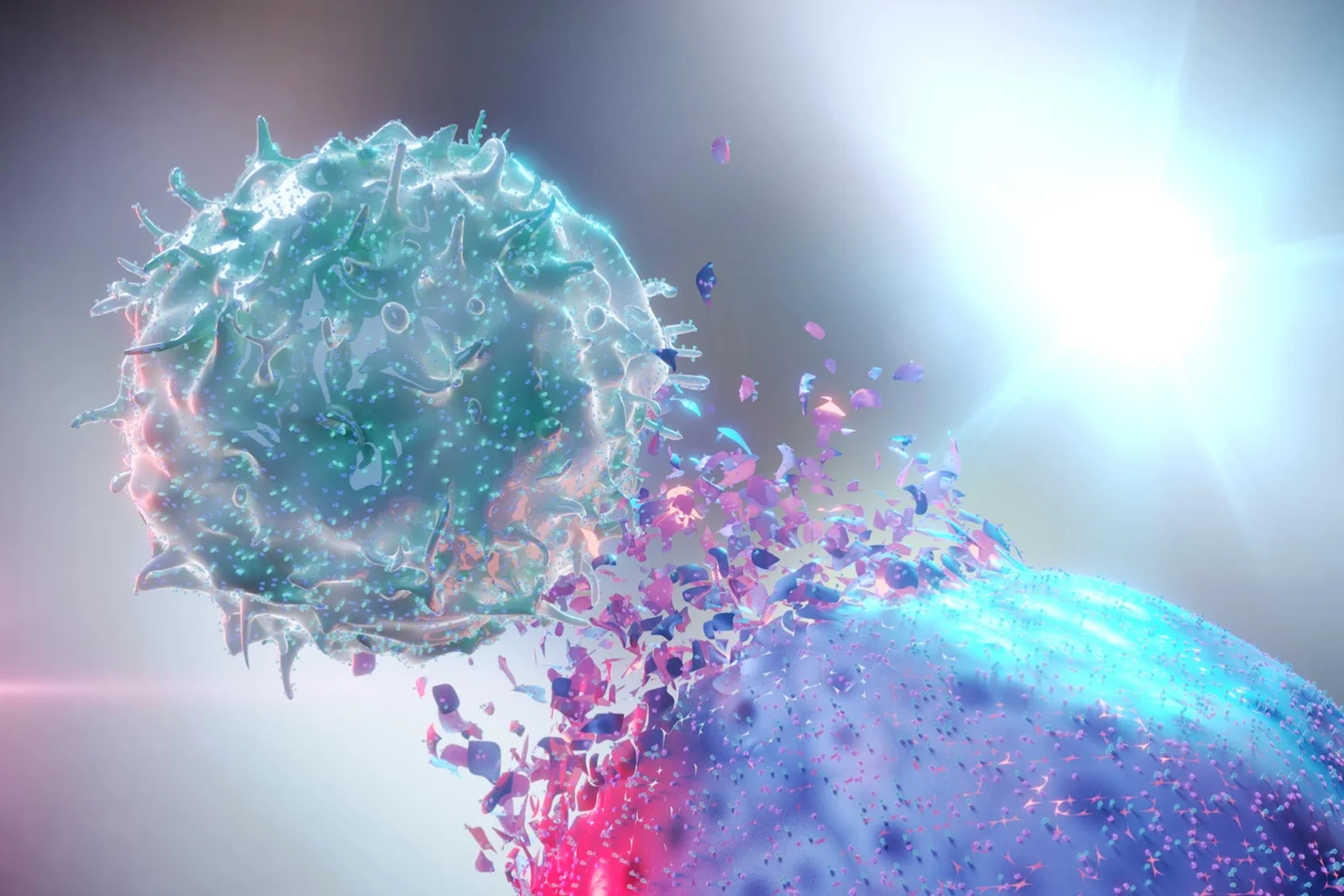
Chinese researchers have developed a new scalable and cost-effective method to produce engineered natural killer cells from cord blood stem cells, enhancing cancer immunotherapy potential by improving efficiency and reducing costs, with successful tumor-killing activity demonstrated in preclinical models.
A new KRAS inhibitor drug, daraxonrasib, shows promising results in clinical trials for pancreatic cancer, offering hope for improved survival and quality of life for patients with this deadly disease, with the potential for faster approval due to government designations.
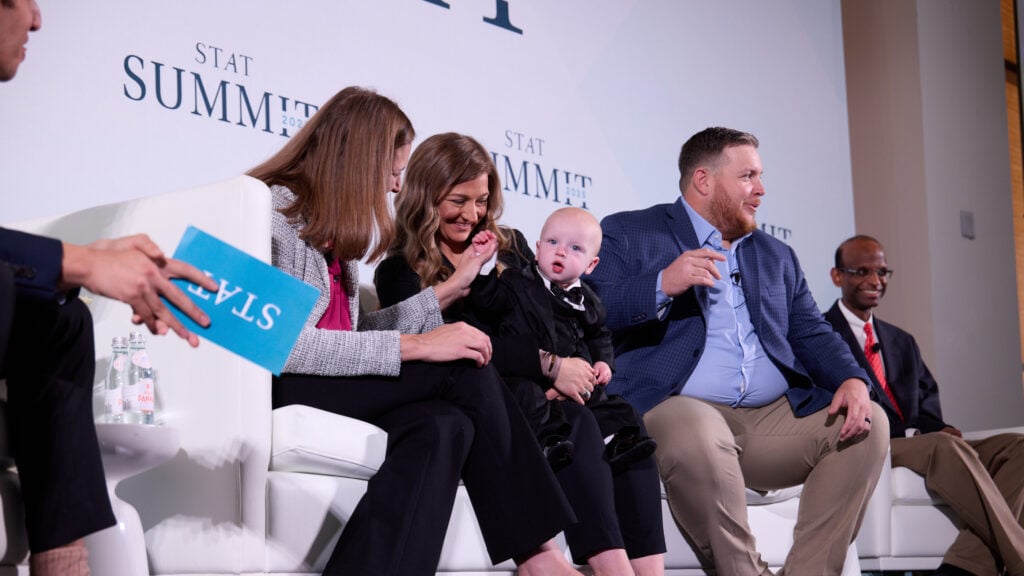
Despite political challenges, 2025 saw significant medical advances including a groundbreaking gene edit for a baby, approval of 44 new drugs, progress in cancer treatments, improved vaccines, and innovative biotech research, highlighting biology's pivotal role in this century of medicine.
Johnson & Johnson has completed its $3.05 billion acquisition of Halda Therapeutics, a biotech company with a novel RIPTAC platform for developing targeted oral therapies for solid tumors, including prostate cancer, aiming to revolutionize cancer treatment and expand its oncology portfolio.
This week in science covers a range of discoveries including a biomarker more accurate than cholesterol for predicting heart disease, a storm that temporarily slowed US time standards, a potent cancer-fighting bacteria from Japanese frogs, garlic mouthwash as an effective antibacterial, potential dark matter particles in fusion reactors, and a promising drug that halts Alzheimer's in mice.
Researchers have developed a noninvasive nasal drop treatment using nanotechnology to target glioblastoma, an aggressive brain cancer, showing promising results in mice and potentially offering a safer, more effective therapy in the future.
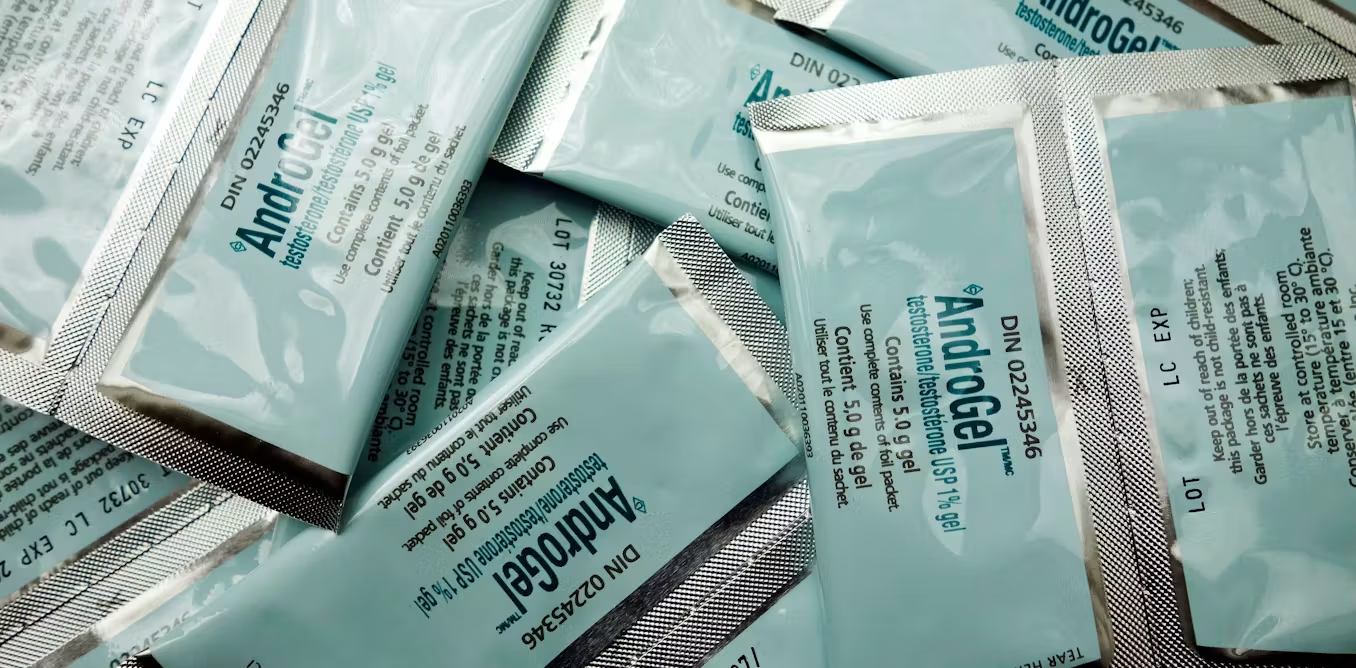
Recent research has challenged the long-held belief that testosterone promotes prostate cancer growth, showing that testosterone therapy is safe for men with low levels and may even help in managing prostate cancer, leading to a shift in medical practice and treatment approaches.
A small study suggests that a supplement mix of resveratrol and copper may reduce the aggressiveness of glioblastoma brain tumors by altering cancer biomarkers, supporting a shift from traditional tumor-killing approaches to tumor healing and modulation of cancer biology. The treatment was well-tolerated with no side effects, but further research is needed to validate these findings.
The Montana medical board has unanimously revoked Dr. Thomas Weiner's license due to violations of professional conduct, including prescribing unnecessary treatments and harming patients, following investigations into his care of seven patients, some of whom died from toxicity related to chemotherapy treatments.
The Prince and Princess of Wales released a springtime-themed Christmas card featuring their family, including their children Prince George, Princess Charlotte, and Prince Louis, photographed by Josh Shinner. The image celebrates the festive season and coincides with their children's birthdays, with the Princess of Wales returning to royal duties after cancer treatment.
Laboratory studies suggest that a combination of cannabis-derived compounds THC and CBD can inhibit the growth and spread of ovarian cancer cells with minimal effects on healthy cells, offering potential for new, less toxic treatments, though further research is needed to confirm efficacy and safety in vivo.
Hospitals in the US are significantly marking up the prices of old, generic cancer drugs, sometimes by hundreds of times the Medicare rate, leading to inflated costs for patients and insurers. This practice, driven by hospital profit motives and opaque pricing systems, results in substantial financial burdens on patients and health plans, despite the drugs being inexpensive to produce. Efforts to increase price transparency and regulate these markups are ongoing, but the problem remains complex and widespread.
A preliminary study suggests that a combination of resveratrol and copper supplements may reduce markers associated with glioblastoma, an aggressive brain cancer, by targeting cell-free chromatin particles and immune response proteins, with ongoing clinical trials to determine their impact on patient survival.