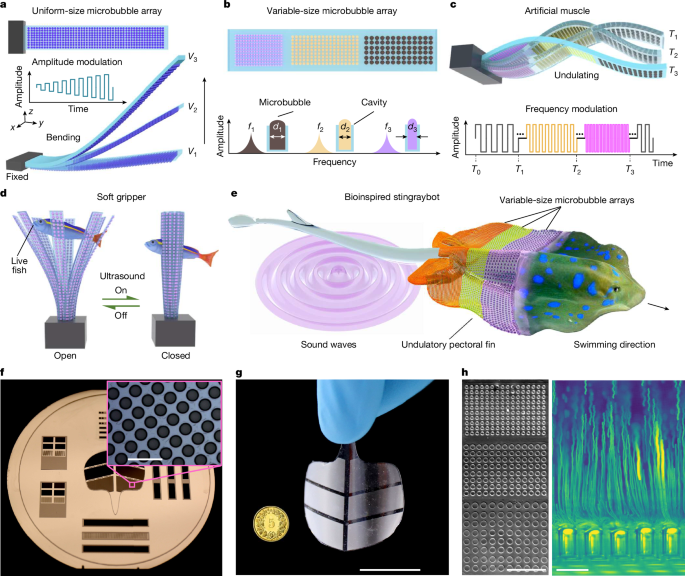
Researchers have developed programmable, wireless artificial muscles using ultrasound-activated microbubble arrays embedded in soft membranes, enabling diverse movements and applications in robotics, medical devices, and minimally invasive procedures, with high responsiveness and biocompatibility.
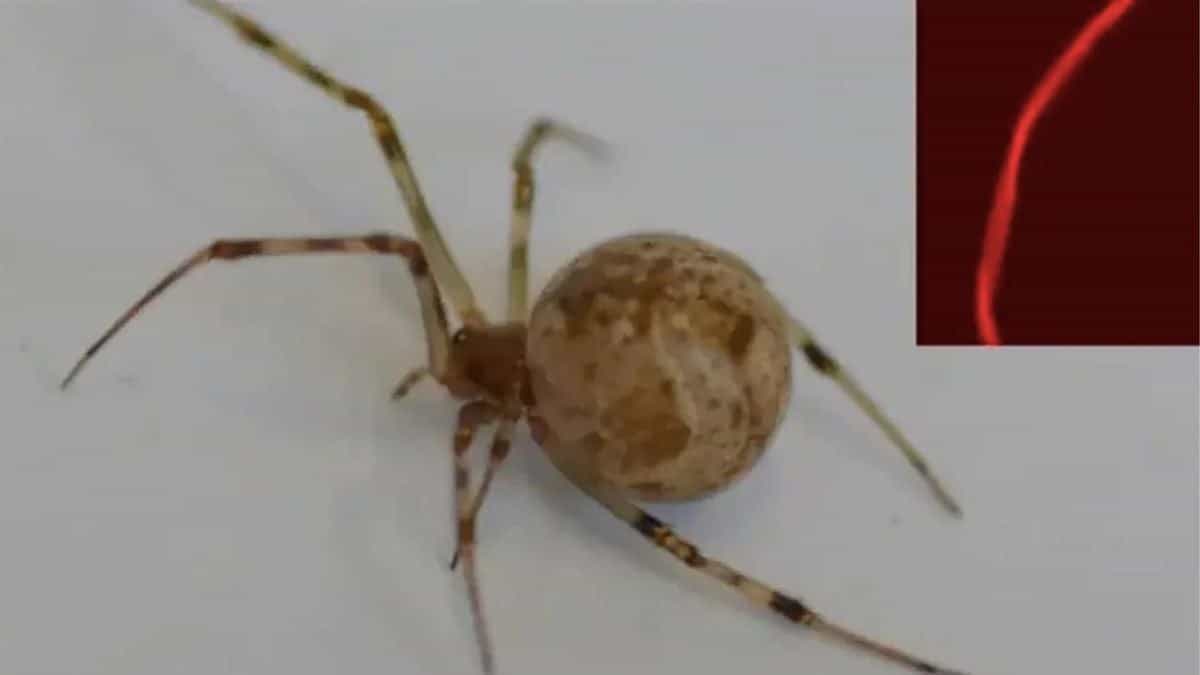
Researchers in Germany have successfully used CRISPR-Cas9 to create the world's first genetically modified spider that produces fluorescent red silk, opening new possibilities for advanced materials and biomedical applications, despite the challenges of working with arachnids.
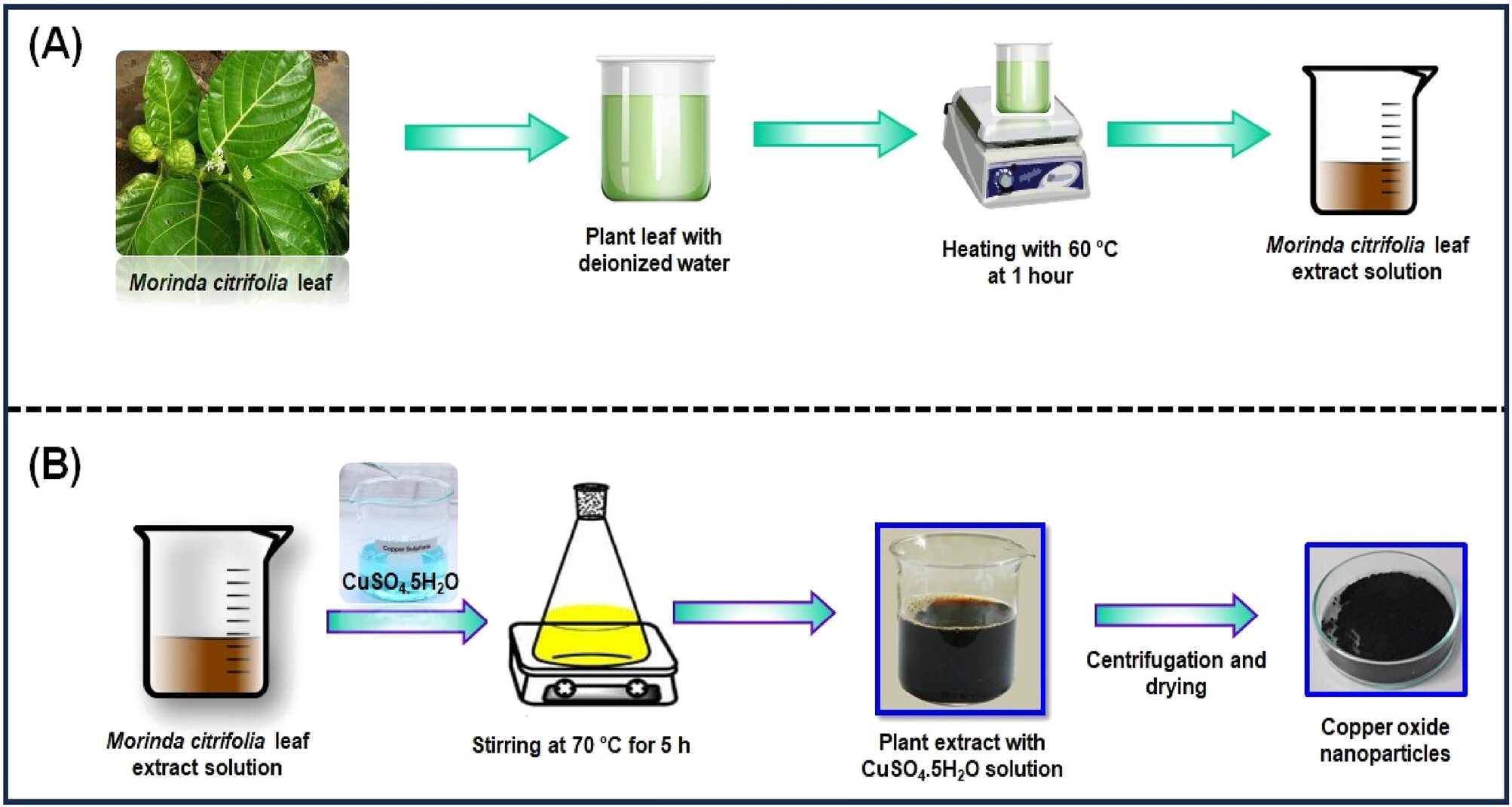
Scientists have developed a green method for producing bactericidal copper oxide nanoparticles from the noni plant, Morinda citrifolia, which is common in Asia. The nanoparticles were obtained through a biological process using noni leaf extract and exhibited antibacterial and antifungal properties. The resulting nanoparticles, ranging in size from 20 to 50 nanometers, showed activity against various bacteria and fungi and have potential applications in biomedicine, fuel cells, batteries, and food storage, although further research is needed to minimize toxicity while maintaining their biological effectiveness.
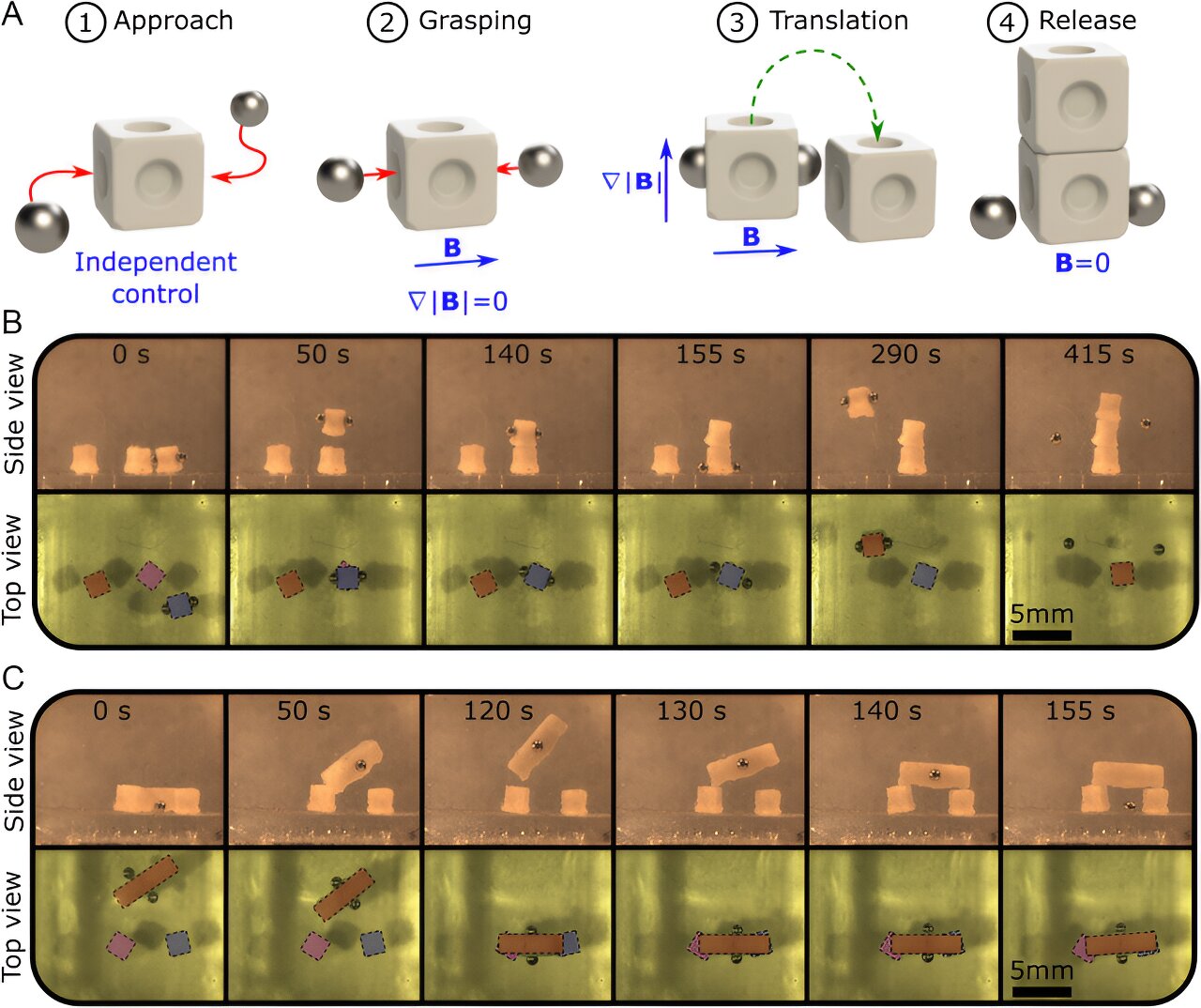
Researchers at the University of Twente have successfully demonstrated the collaboration of two magnetic microrobots in picking up, moving, and assembling passive objects in 3D environments. The achievement opens up possibilities for biomedical applications, allowing for remote manipulation of biomedical samples without contamination. The microrobots, controlled by a custom-made controller, are biocompatible and can operate in difficult-to-reach and enclosed spaces. The research was conducted as part of the European RĔGO project and published in the journal Advanced Intelligent Systems.
Researchers at the Indian Institute of Science have used a novel imaging technique called DNA-PAINT to study the strength of base-stacking interactions in DNA strands. Base-stacking, the interaction between bases in the same strand, is less understood compared to base-pairing. The study found that adding one more base-stacking interaction significantly increases the stability of a DNA strand. The researchers also designed a three-armed DNA nanostructure with potential biomedical applications. The findings could contribute to understanding DNA repair mechanisms and have broader implications in nanotechnology and imaging.
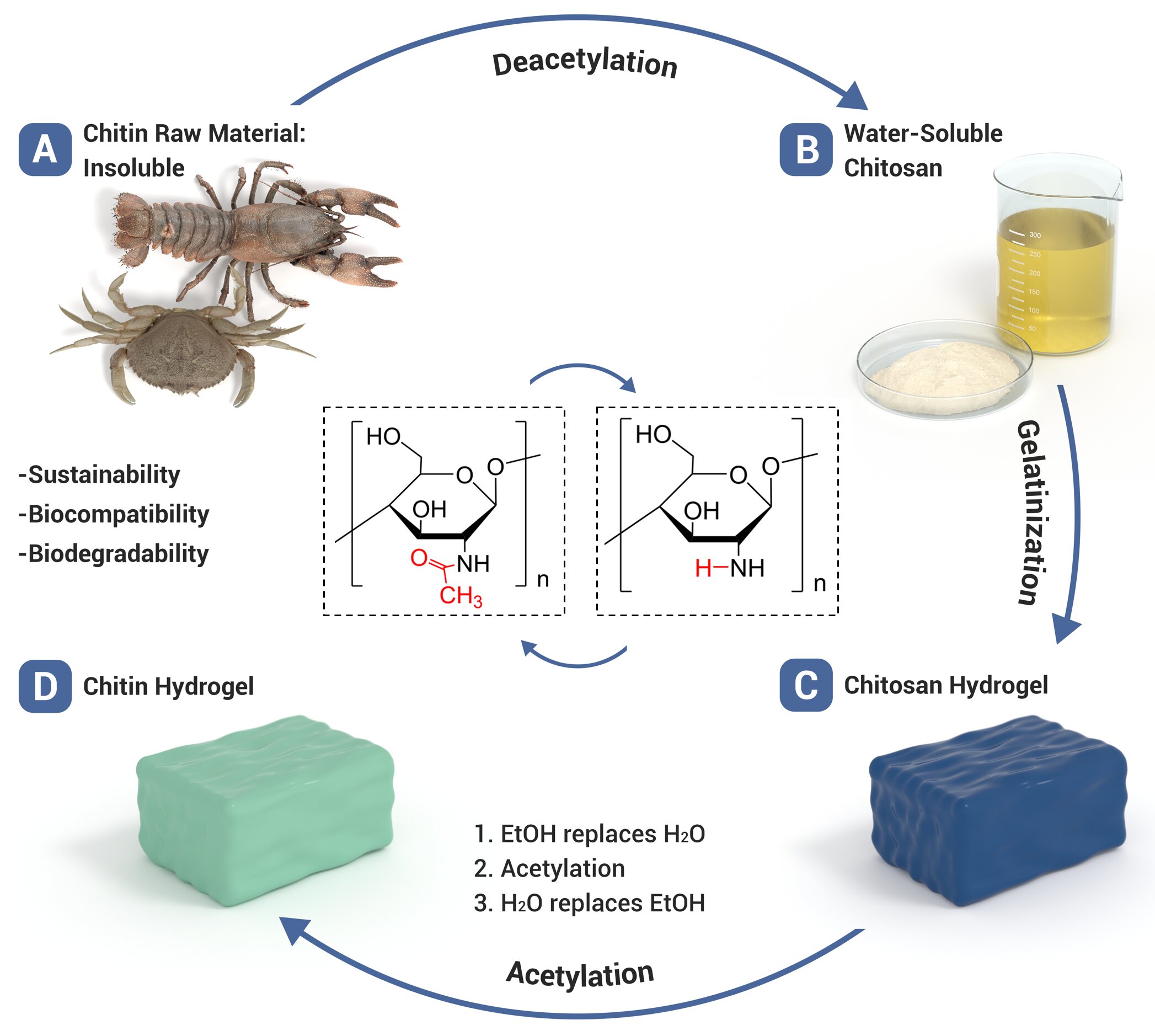
A team of researchers has developed a green, efficient, and scalable method for fabricating chitin hydrogels, which are recognized as promising materials for biomedical applications. By chemically transforming chitosan, a water-soluble derivative of chitin, the team successfully created a chemically stable and antifouling chitin hydrogel with excellent mechanical properties and resistance to degradation. The hydrogel can be processed into different shapes and structures, making it suitable for various clinical applications such as tissue engineering, wound healing, and artificial organs. The team's work provides a rational strategy for fabricating chitin hydrogels and opens up possibilities for their practical use in the biomedical field.
Scientists at MIT have developed tiny, soft-bodied robots that can be controlled with a weak magnet. These robots, made from rubbery magnetic spirals, can walk, crawl, and swim in response to a simple magnetic field. The robots are composed of soft polymers, requiring only a small magnetic field for activation. The technology has potential applications in transporting cargo through confined spaces and biomedical uses, such as delivering drugs through narrow blood vessels. The robots can be easily controlled and programmed with different movements using a single magnetic field.
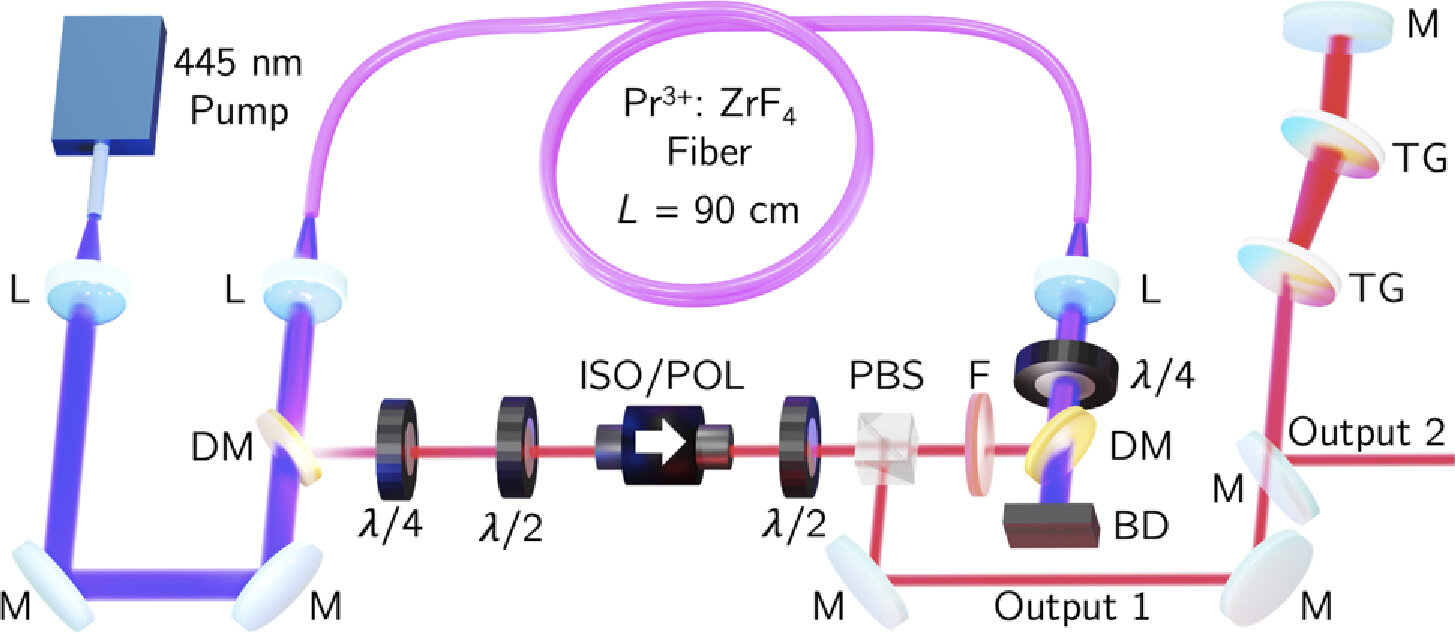
Researchers have developed the first fiber laser capable of producing femtosecond pulses in the visible range of the electromagnetic spectrum. The laser, based on a lanthanide-doped fluoride fiber, emits red light at 635 nm and achieves compressed pulses with a duration of 168 fs. This breakthrough paves the way for reliable, efficient, and compact ultrafast lasers that could have applications in biomedical fields such as high-precision tissue ablation and two-photon excitation microscopy, as well as in material processing.
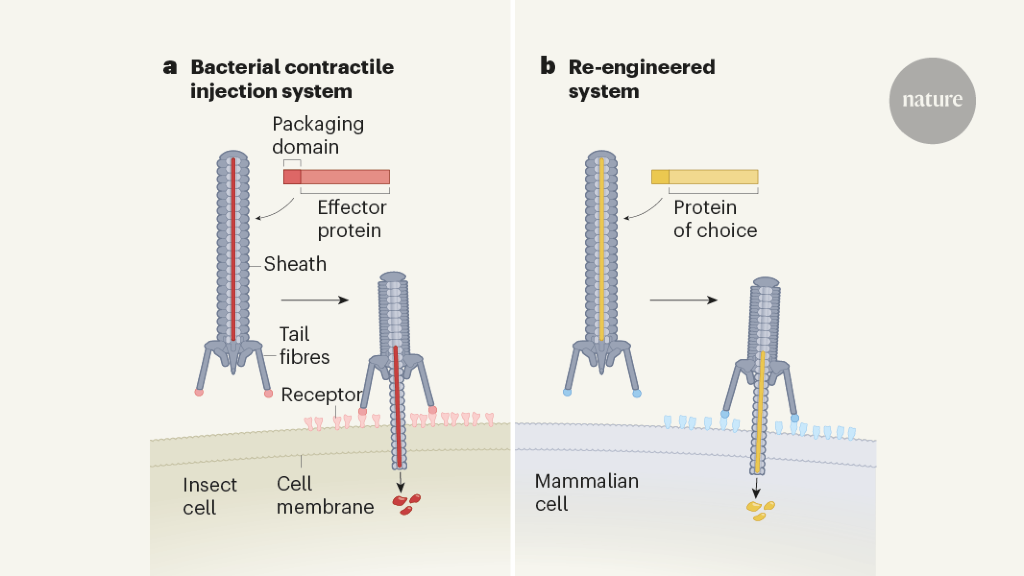
Scientists have developed a programmable system for protein delivery into cells by re-engineering an injection system found in bacteria. The system can be customized to target specific cells and deliver customized protein cargoes, offering potential for biomedical applications. The re-engineered injection complexes represent an exciting biotechnological toolbox that could have applications in various biological systems.