MIT engineers have developed a biodegradable ingestible capsule with a zinc-cellulose antenna and a micro-RFID chip that emits a real-time signal confirming a pill has been swallowed. The capsule dissolves in the stomach while the RFID component is excreted, enabling noninvasive adherence monitoring for critical therapies (e.g., transplant immunosuppression) and potential integration with health records. The SAFARI project uses safe, eco-friendly materials and aims for human trials, offering a pathway to real-time feedback without bulky wearables.
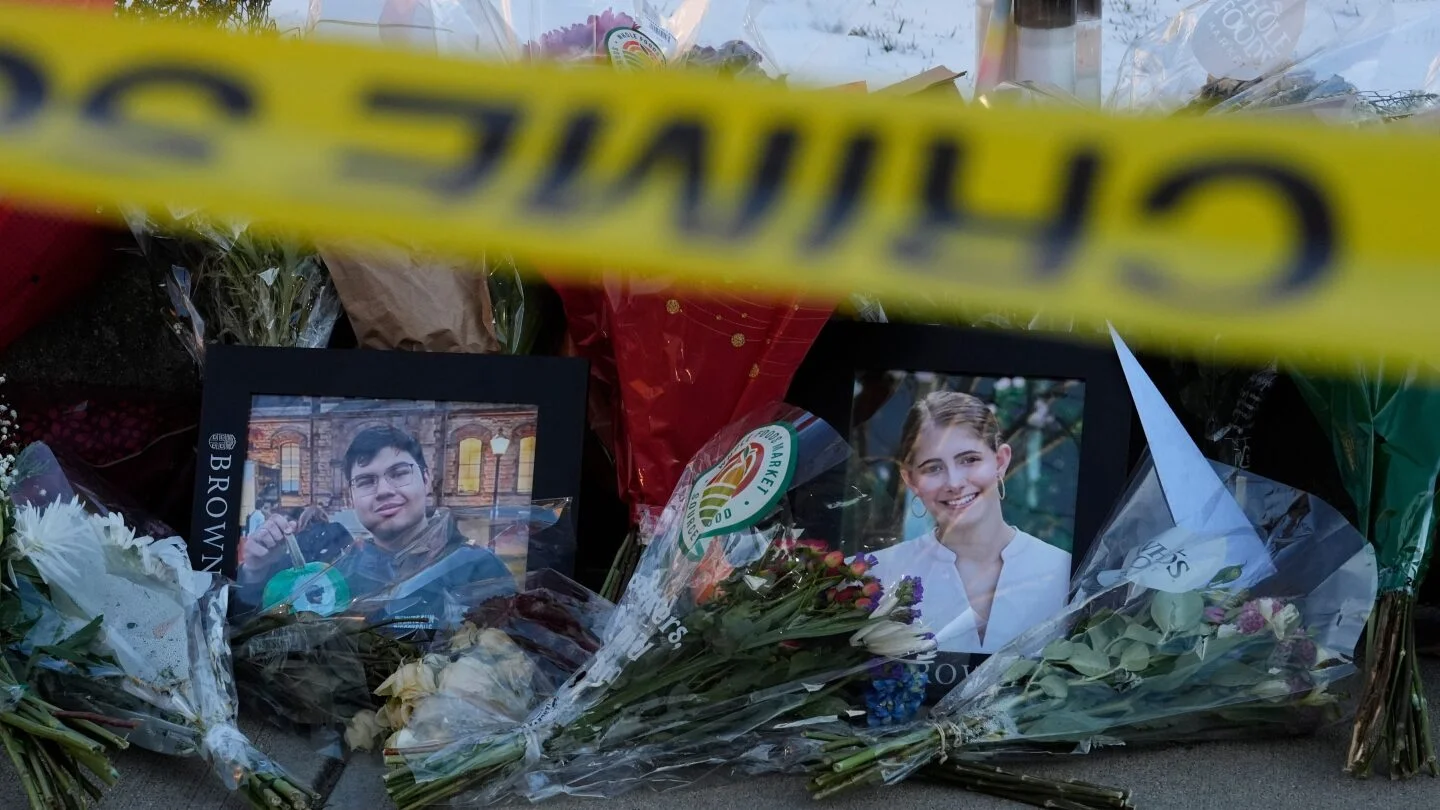
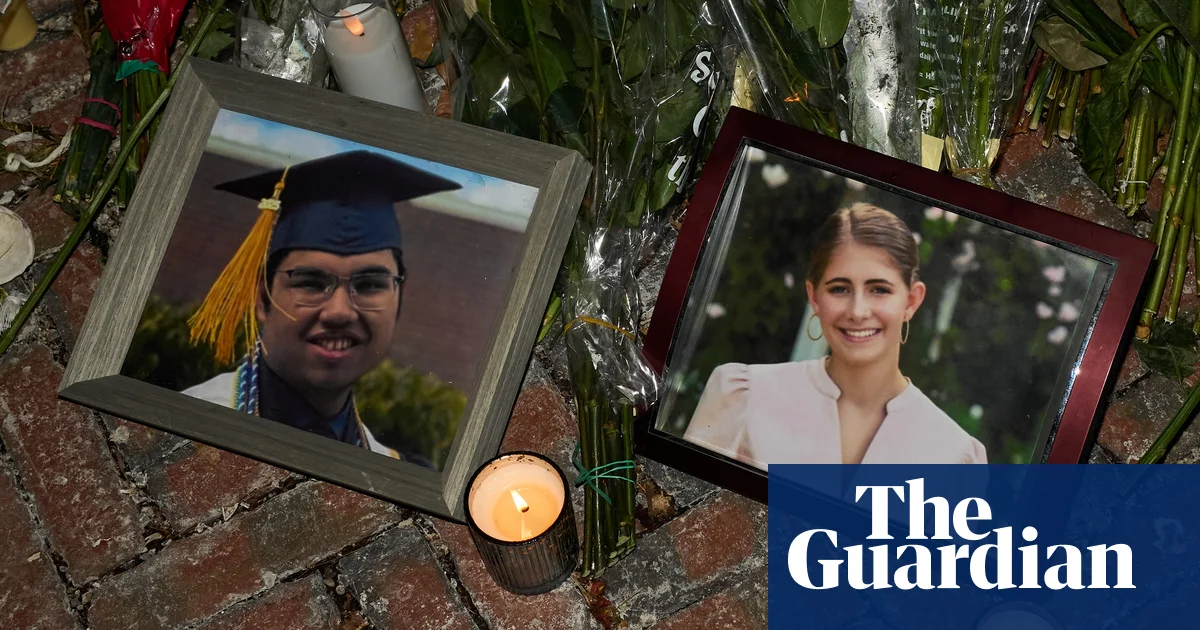
Claudio Neves Valente, a former Brown student, planned and carried out a shooting at Brown University and MIT, killing two students and an MIT professor, leaving behind videos that confessed to the murders but did not reveal a motive. He was found dead in a storage unit after the attack, and his videos addressed misinformation and expressed no remorse, with no clear motive provided.
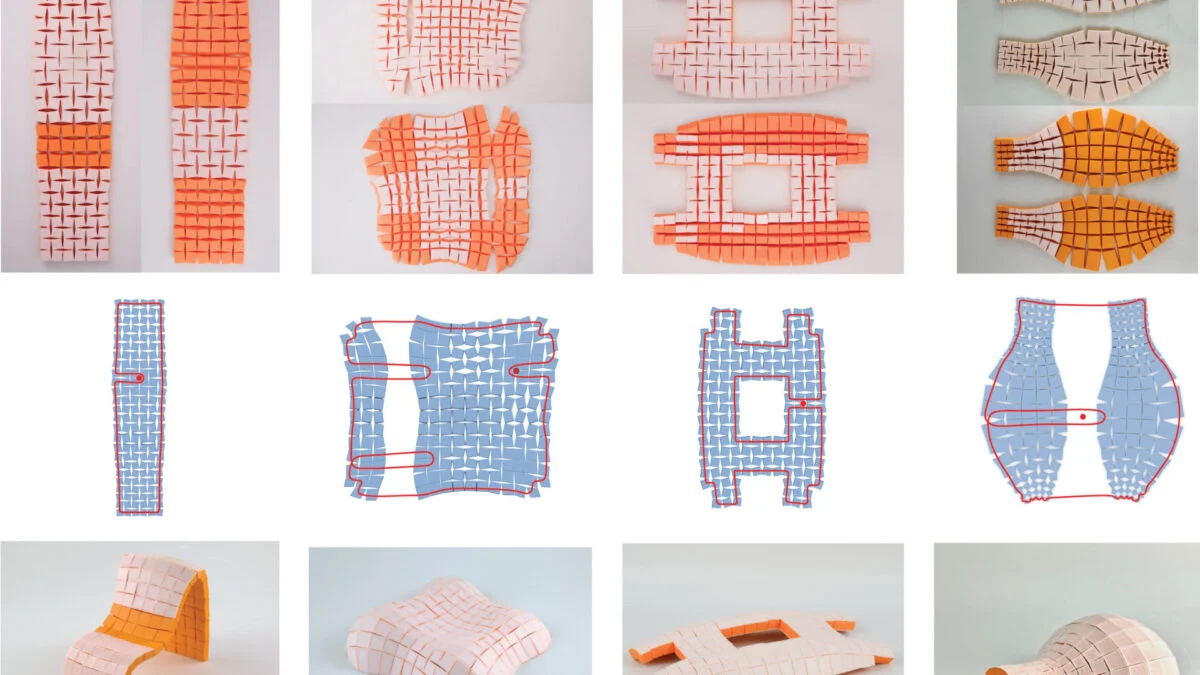
Researchers at MIT have developed a new kirigami-inspired material that can transform into various 3D structures with a simple pull of a string, enabling applications like medical devices, foldable robots, and space habitats. The process uses an algorithm to design flat grids that morph into complex shapes, demonstrating ease of use and potential for scalable deployment.
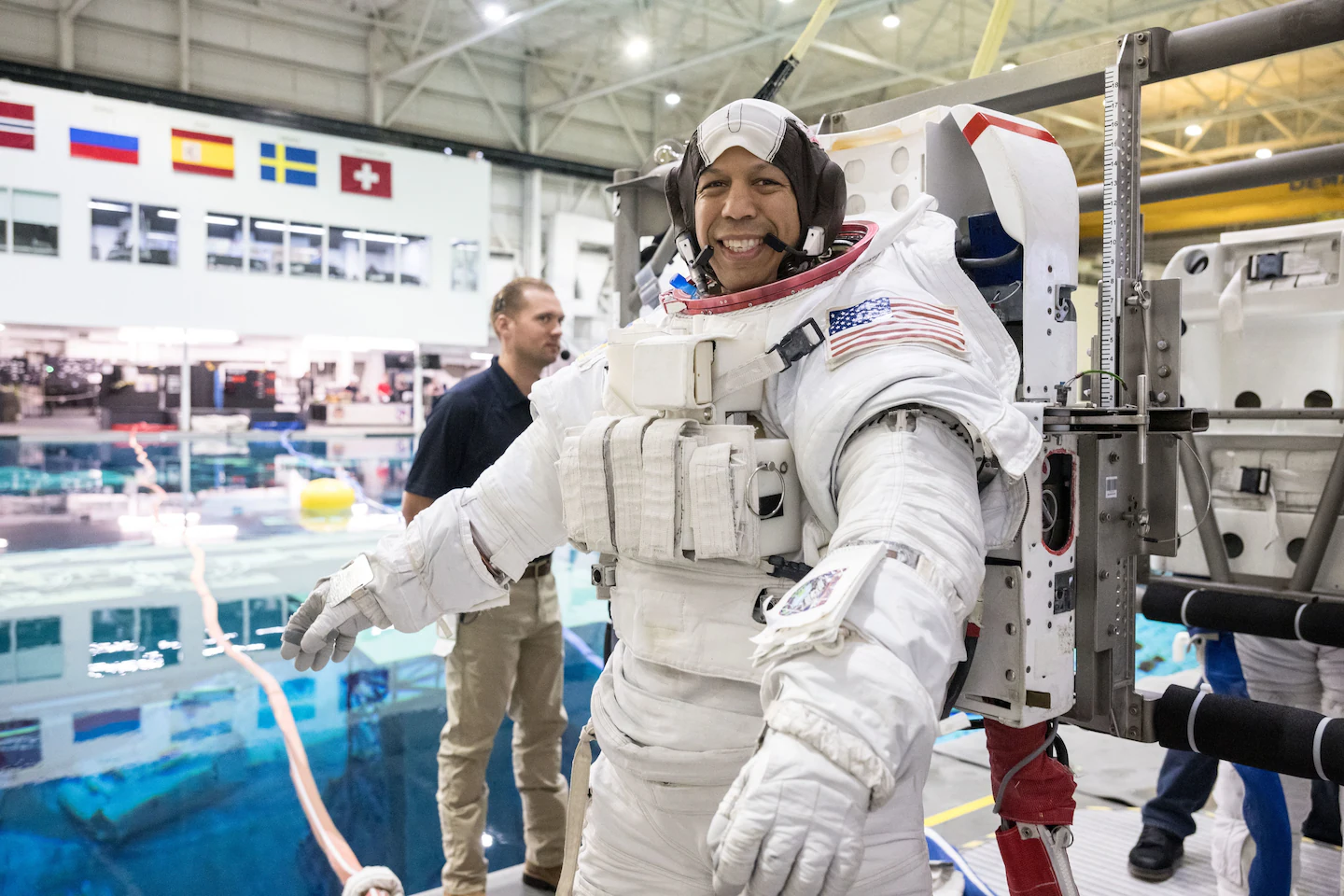
Chris Williams, a Maryland native and astrophysics researcher, fulfilled his childhood dream of traveling to space, having a background in astrophysics, medical physics, and volunteer emergency services.
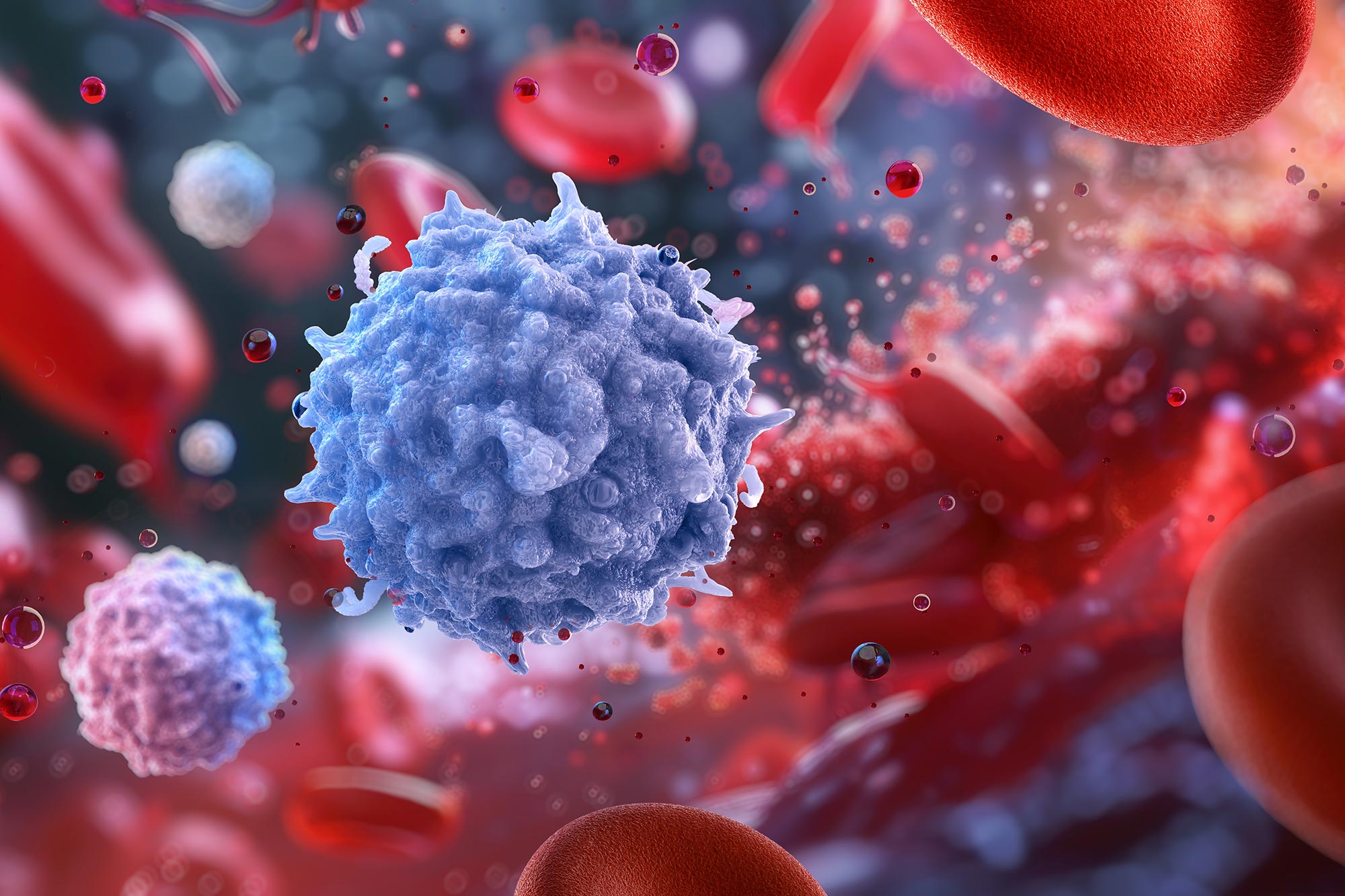
MIT researchers have developed a method to temporarily boost immune function in aging by reprogramming liver cells to produce T-cell supporting signals, improving immune responses and potentially helping older adults stay healthier longer.
MIT scientists have successfully imaged 'second sound,' a wave-like heat propagation in superfluid quantum gases, using a novel thermography technique, which could have implications for understanding high-temperature superconductors and neutron stars.
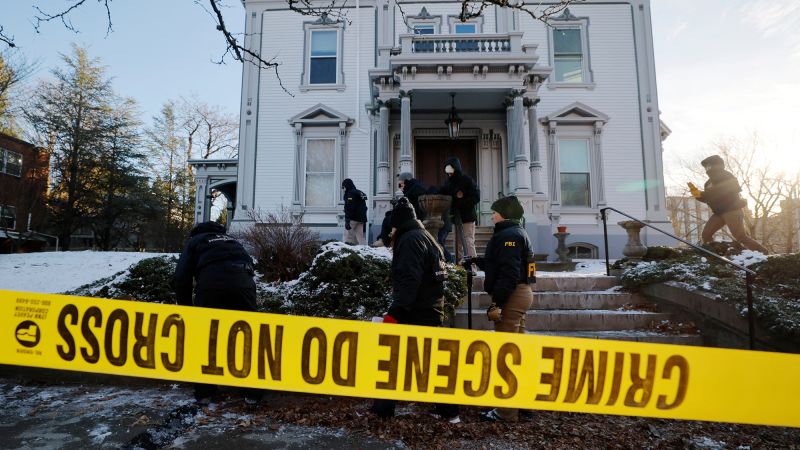
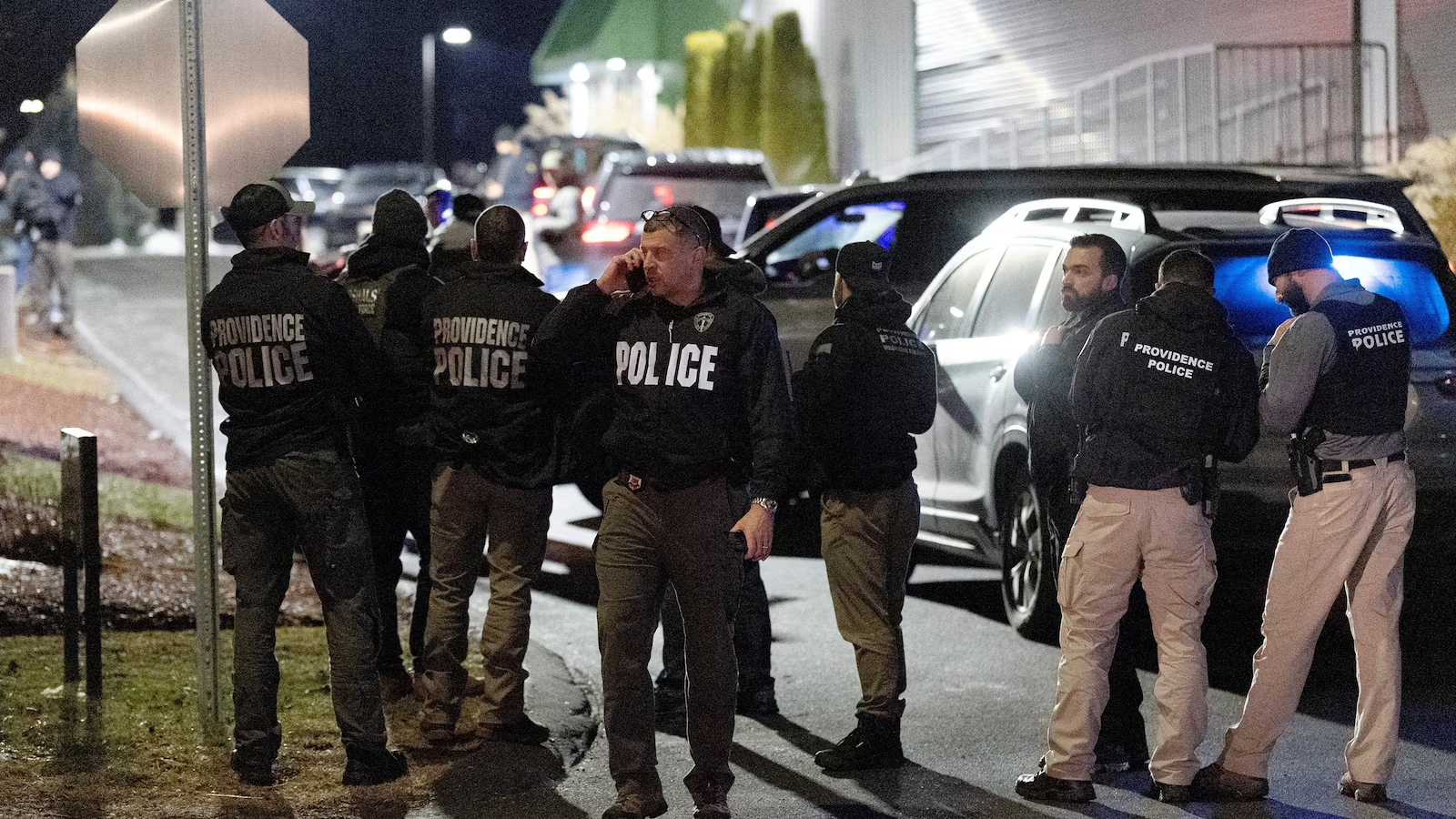
Law enforcement in New Hampshire apprehended and found dead Claudio Neves Valente, the suspect in shootings at Brown University and an MIT professor, with investigations revealing premeditation and strategic planning, but many questions about his motives and background remain unanswered.
A suspect, Claudio Neves Valente, who was found dead from a self-inflicted gunshot, opened fire at Brown University and MIT, raising fears of additional targets. He was heavily armed with firearms, laser sights, and body armor, and had a possible hit list. The investigation linked ballistics evidence to both shootings, and authorities are exploring potential motives and other targets.
Investigators are searching for a motive after Claudio Neves Valente, the prime suspect in shootings at Brown University and MIT, was found dead from a self-inflicted gunshot, ending a five-day manhunt. The shootings resulted in three deaths, including two students and a professor, with connections between the victims and suspect traced back to their shared academic background in Portugal. The case was complicated by initial misinformation and a tip from a Reddit user that helped locate Valente, whose motives remain unclear.
MIT issued a statement mourning Professor Nuno Loureiro, who was murdered in a mass shooting in Brookline, Massachusetts, expressing gratitude for the law enforcement efforts and emphasizing community support and remembrance.
President Trump ordered the suspension of the Diversity Immigrant Visa lottery program after the suspect in the Brown University and MIT shootings, a Portuguese national who gained a green card through the program, was identified. The move aims to prevent similar incidents, but it is likely to face legal challenges from advocacy groups.
MIT student Julianna Schneider, a double major in AI and mathematics, developed NerdXing to help students explore diverse course paths and discover interdisciplinary opportunities, reflecting her broader goal of using technology to solve community problems and enhance lives through robotics and innovative tools.
The suspect in the Brown University shooting, Claudio Manuel Neves Valente, was found dead in New Hampshire after a police chase linked to both the Brown attack and a murder at MIT. He was a former physics student from Portugal, and authorities confirmed he died by suicide, with no clear motive provided.
MIT professor Nuno Loureiro was fatally shot at his home in Brookline, Massachusetts, prompting an ongoing police investigation with no suspects in custody. Loureiro was a prominent fusion scientist and leader of MIT's Plasma Science and Fusion Center, and his death has shocked the academic community. The incident occurs amid other recent campus violence, with authorities indicating no connection between the cases.
Researchers at MIT and the Broad Institute have developed a method using mRNA to temporarily program liver cells, creating a 'factory' that produces T-cell survival factors, which rejuvenates the immune system in aged mice and enhances their response to vaccines and cancer treatments. This approach could potentially help maintain immune health in humans as they age.