A man initially thought to have terminal lung cancer was finally diagnosed with a rare immune condition called IgG4-RD after a year of misdiagnosis, leading to a groundbreaking treatment trial that significantly improved his health and inspired advocacy efforts.
Cindy O’Connor suffered from lifelong bladder control issues, experiencing frequent accidents from childhood, which remained undiagnosed for decades until doctors identified the underlying problem.
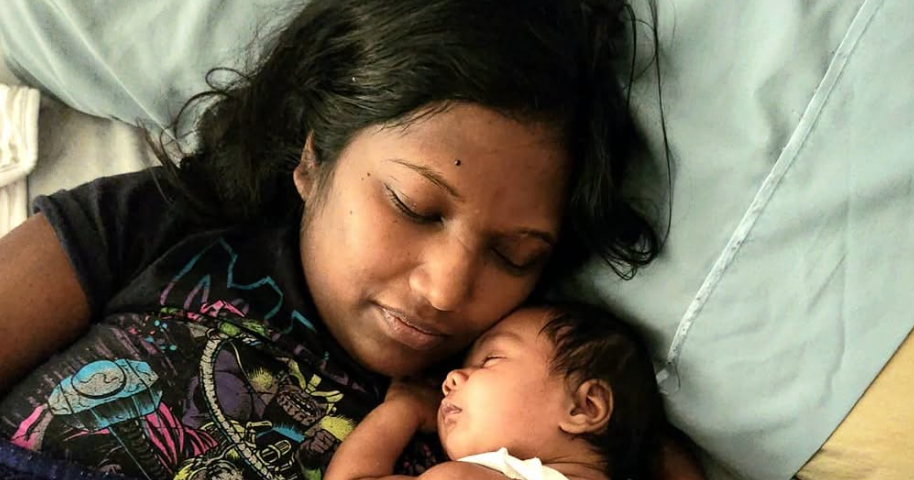
A new mother, Ameilia Gopie, who struggled with postpartum depression, was diagnosed with Stage III triple-positive breast cancer after skipping routine appointments, highlighting the importance of regular health screenings and early detection. Despite aggressive treatment and ongoing challenges, she focuses on her recovery and cherishes time with her daughter.
Delays in diagnosing dementia in Michigan lead to missed opportunities for treatment, planning, and support, with experts emphasizing the importance of early detection for access to new drugs, lifestyle changes, and better quality of life. Barriers include stigma, lack of awareness, and specialist shortages, but early diagnosis can significantly improve outcomes and allow families to plan for the future.
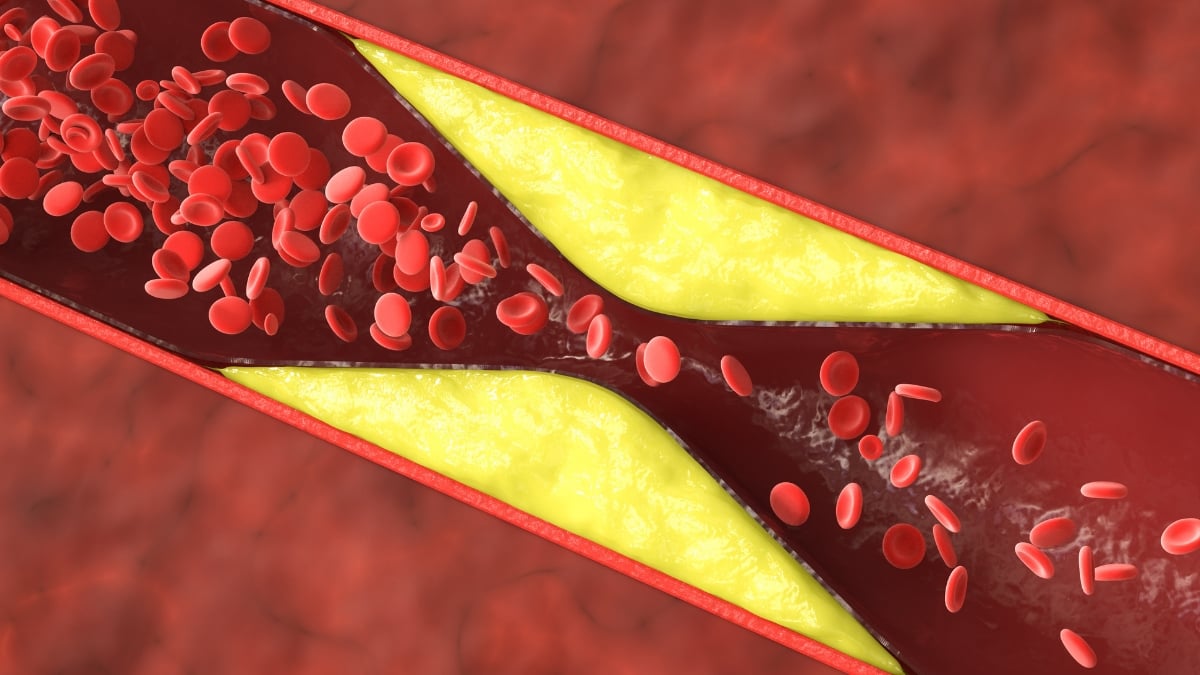
Research from the Mayo Clinic reveals that over 50% of heart attacks in women under 65 are caused by non-atherothrombotic factors like stress-related conditions and artery tears, highlighting the need for improved diagnosis and personalized treatment approaches.
Recent research identifies four distinct autism phenotypes based on genetic and behavioral differences, challenging the traditional view of autism as a single spectrum and suggesting varied developmental pathways and timelines, which could lead to more tailored diagnoses and treatments.
Scientists are now viewing autism as a complex condition with multiple forms, challenging traditional views and offering new insights into its origins, as exemplified by recent cases like Ellis Easton’s.
Former Senator Ben Sasse announced he has been diagnosed with advanced, stage-four pancreatic cancer, expressing acceptance and gratitude, and drawing hope from his Christian faith. The news has elicited support from colleagues and friends, highlighting his service and values.
The number of cancer diagnoses in people over 80 in the Netherlands is expected to rise sharply, driven by an aging population, with projections reaching 32,600 cases by 2032. Elderly patients often have limited access to new therapies, emphasizing the need for personalized treatment decisions that balance quality of life and longevity. This increase will also strain healthcare resources and highlight the importance of further research into tailored treatments.
Chronic fatigue syndrome (CFS), also known as myalgic encephalomyelitis, is a poorly understood condition affecting about 3.3 million Americans, characterized by severe fatigue, sleep issues, and cognitive problems, often triggered by infections or stressors. It is frequently misdiagnosed due to the lack of specific tests, but new AI research shows promise for better detection. Treatment involves managing symptoms through lifestyle changes, therapies, and medications, with ongoing research seeking more effective solutions.
A Nebraska mother of two, Megan Decker, was diagnosed with ALS after initially mistaking her symptoms for fatigue, leading her family to raise funds for an accessible home and focus on creating lasting memories as her condition progresses rapidly.
Parasites are more common than thought and can cause subtle symptoms like sugar cravings, night-time teeth grinding, itchy skin, bloating, and anemia. Diagnosis typically involves lab tests, and natural remedies may help, but professional medical advice is essential.
The article explores the complex and emotional journey of parents with children diagnosed with autism, highlighting the challenges in understanding the condition, the role of genetics, and the limited definitive answers available from medical professionals.
A new study published in The Lancet challenges the common belief that gluten itself causes sensitivity, revealing that most symptoms are due to gut-brain interactions, FODMAPs, or psychological factors, leading to potential changes in diagnosis, treatment, and public health messaging.
Autoimmune diseases, which can affect nearly every part of the body and are more common in women, occur when the immune system mistakenly attacks healthy tissues. There are over 100 such diseases, with symptoms ranging from mild to life-threatening, and diagnosis can be complex. Recent research offers hope for more targeted treatments and early interventions, with ongoing clinical trials showing promising results. The global market for autoimmune treatments is substantial, reflecting the widespread impact of these chronic conditions.