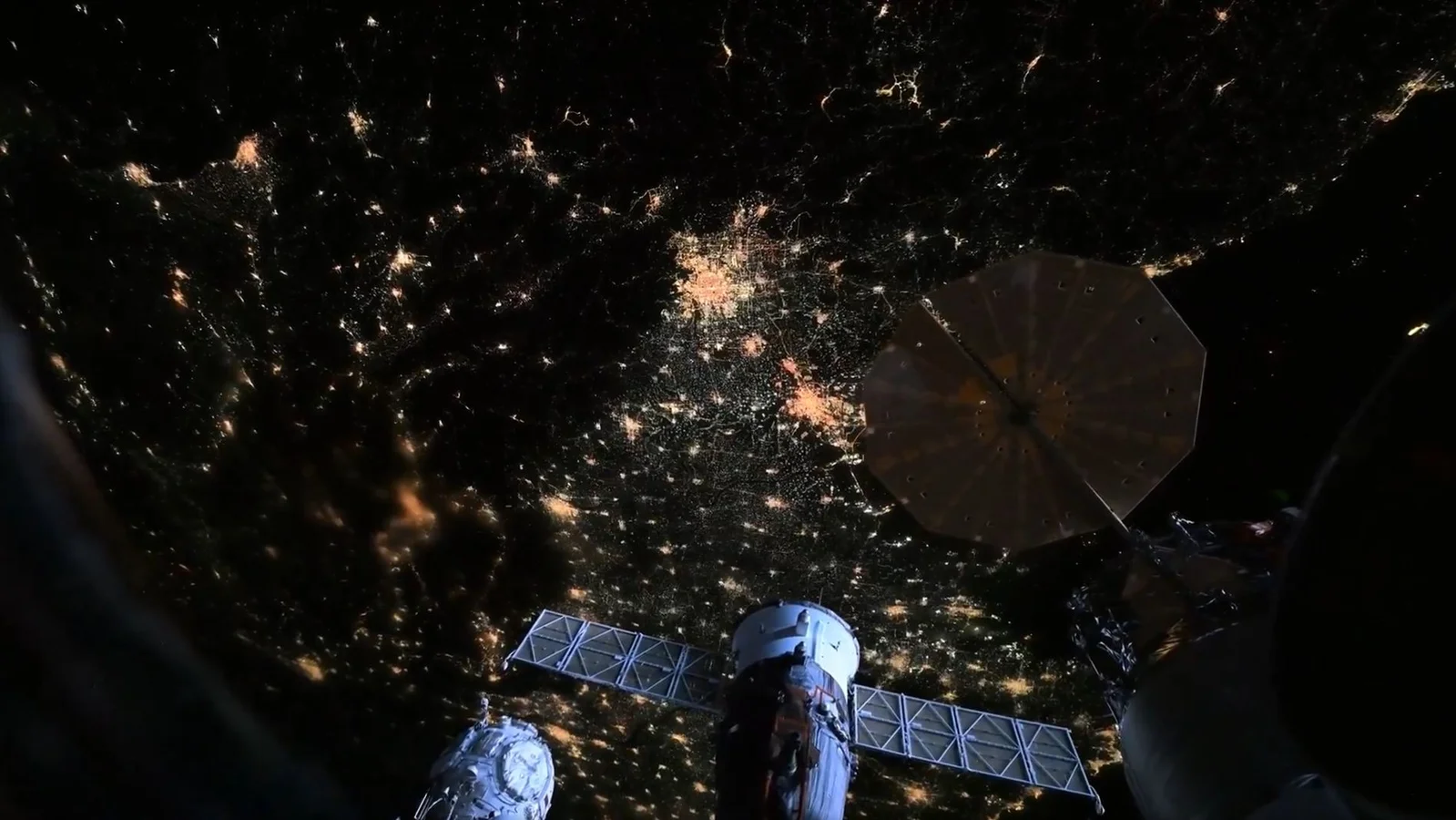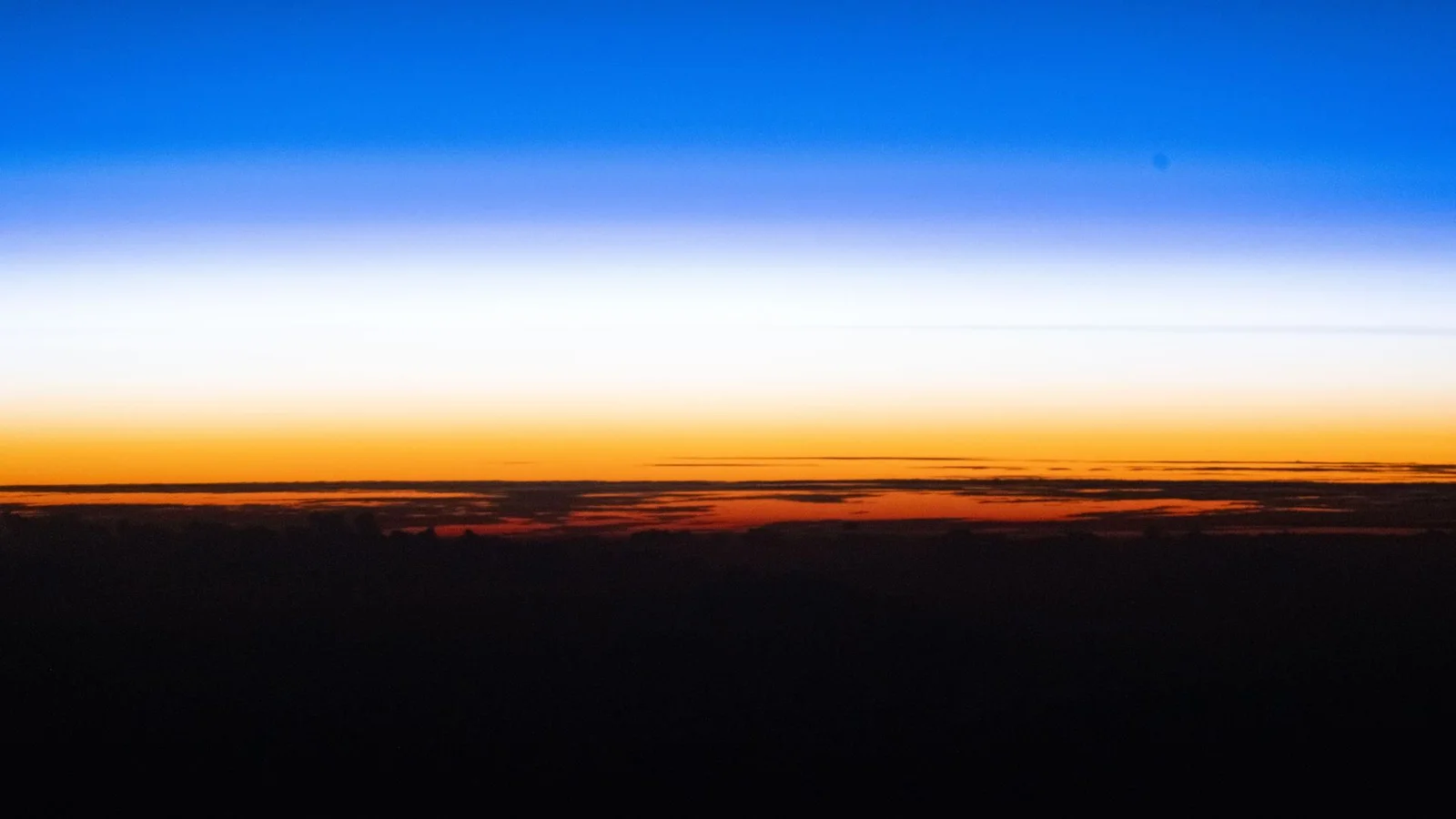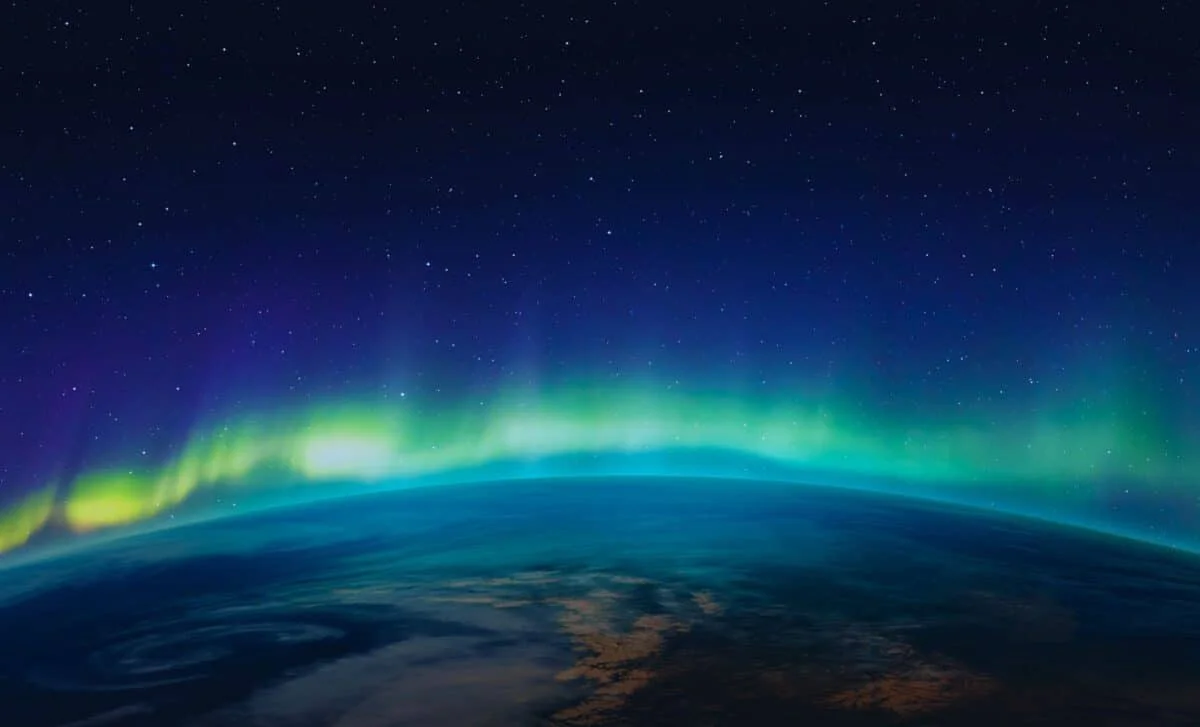
Astronaut Kimiya Yui captured a stunning timelapse video from the ISS showing zodiacal light, green auroras, and the Pleiades star cluster, highlighting the beauty of Earth's orbit and celestial phenomena.
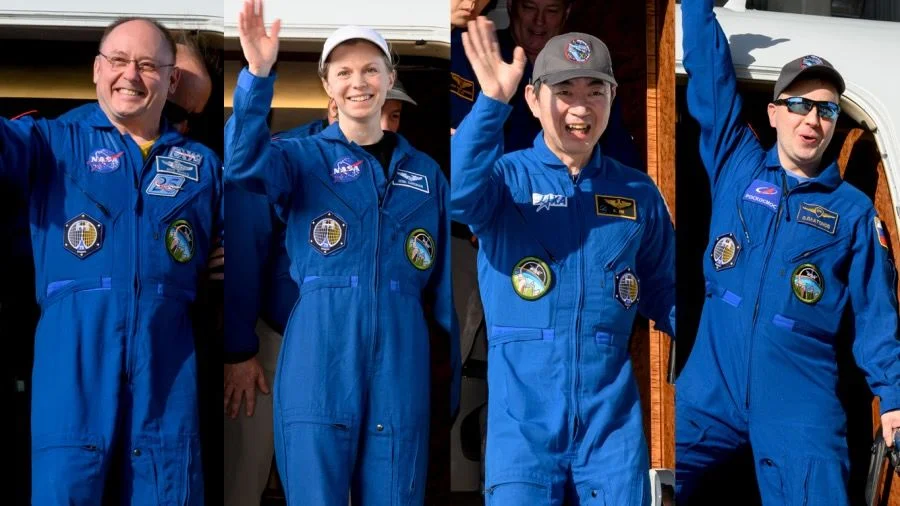
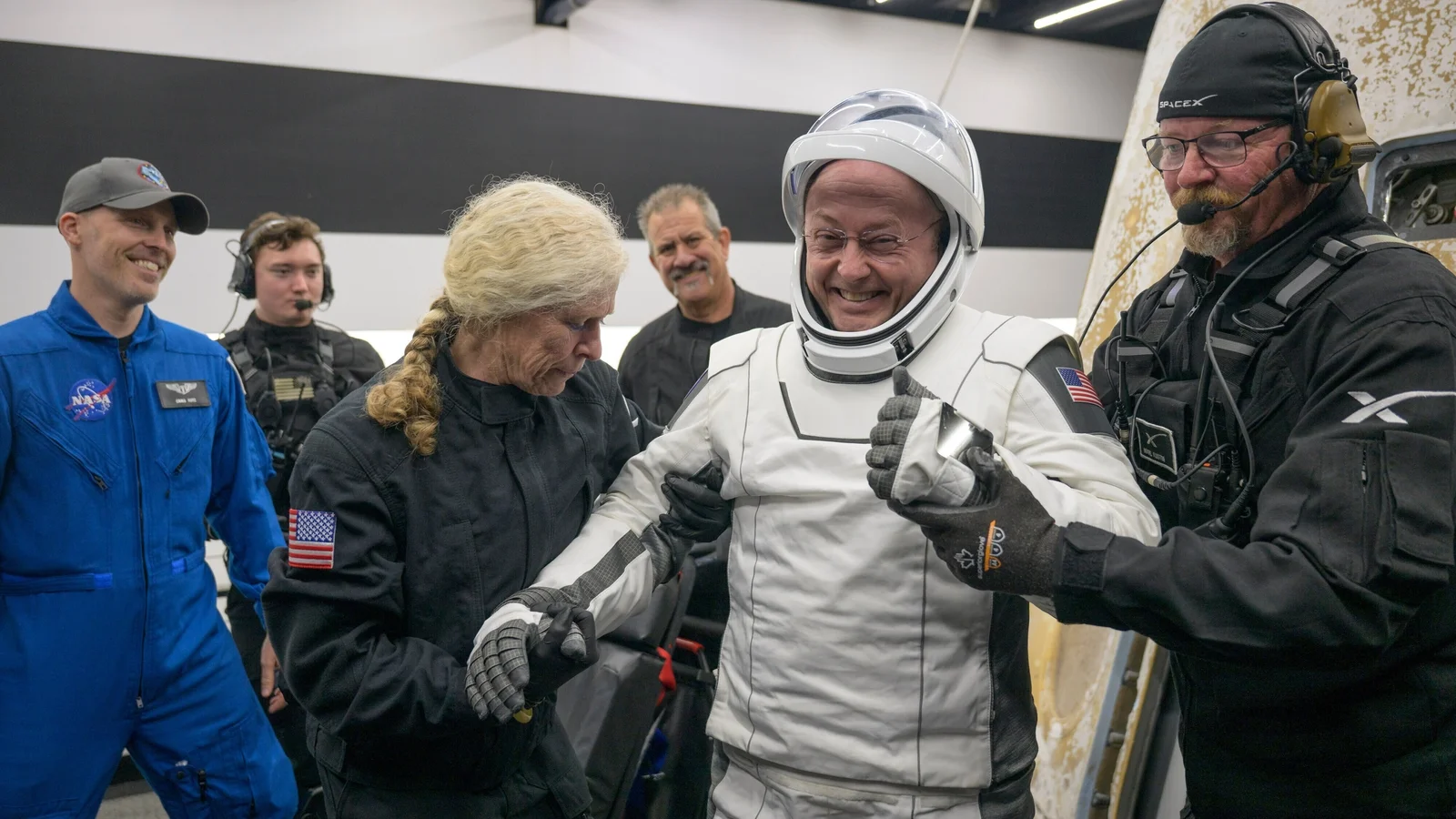
NASA announced an early evacuation of SpaceX's Crew-11 astronauts from the ISS on Jan. 14 due to a medical concern affecting one crew member, marking the first medical evacuation in the station's history. The crew, which arrived on Aug. 2, will be replaced by Crew-12 in mid-February, leaving only three astronauts aboard temporarily.
NASA's sensors on the International Space Station detected a previously unknown atmospheric phenomenon, called atmospheric waves, at 55 miles above Earth during Hurricane Helene, revealing new insights into how severe storms can influence the upper atmosphere and potentially impact satellite operations.
NASA has decided to end the Crew-11 mission early due to a medical emergency involving an astronaut aboard the International Space Station, marking the first time such a decision has been made in the station's history.
NASA's instruments on the International Space Station detected unknown atmospheric waves in the mesosphere, caused by Hurricane Helene, revealing new insights into how severe weather impacts Earth's upper atmosphere and potentially affecting satellite operations.
NASA will conduct two spacewalks outside the International Space Station on Jan. 8 and Jan. 15, with live coverage available on NASA+, Amazon Prime, and YouTube. The first spacewalk involves preparing the station for new solar arrays, while the second will focus on replacing a camera, installing a navigational aid, and relocating a fluid system jumper. These are the first spacewalks of 2026 and support station maintenance and upgrades.
NASA will conduct two spacewalks outside the International Space Station in January to install solar arrays and perform maintenance tasks, with a preview briefing scheduled for January 6 and the spacewalks occurring on January 8 and 15, supporting station upgrades and research.
Astronauts aboard the ISS celebrate Christmas with decorations and traditions, sharing holiday cheer despite being away from Earth, highlighting the unique experience of spending holidays in space while maintaining connections with loved ones and mission teams.
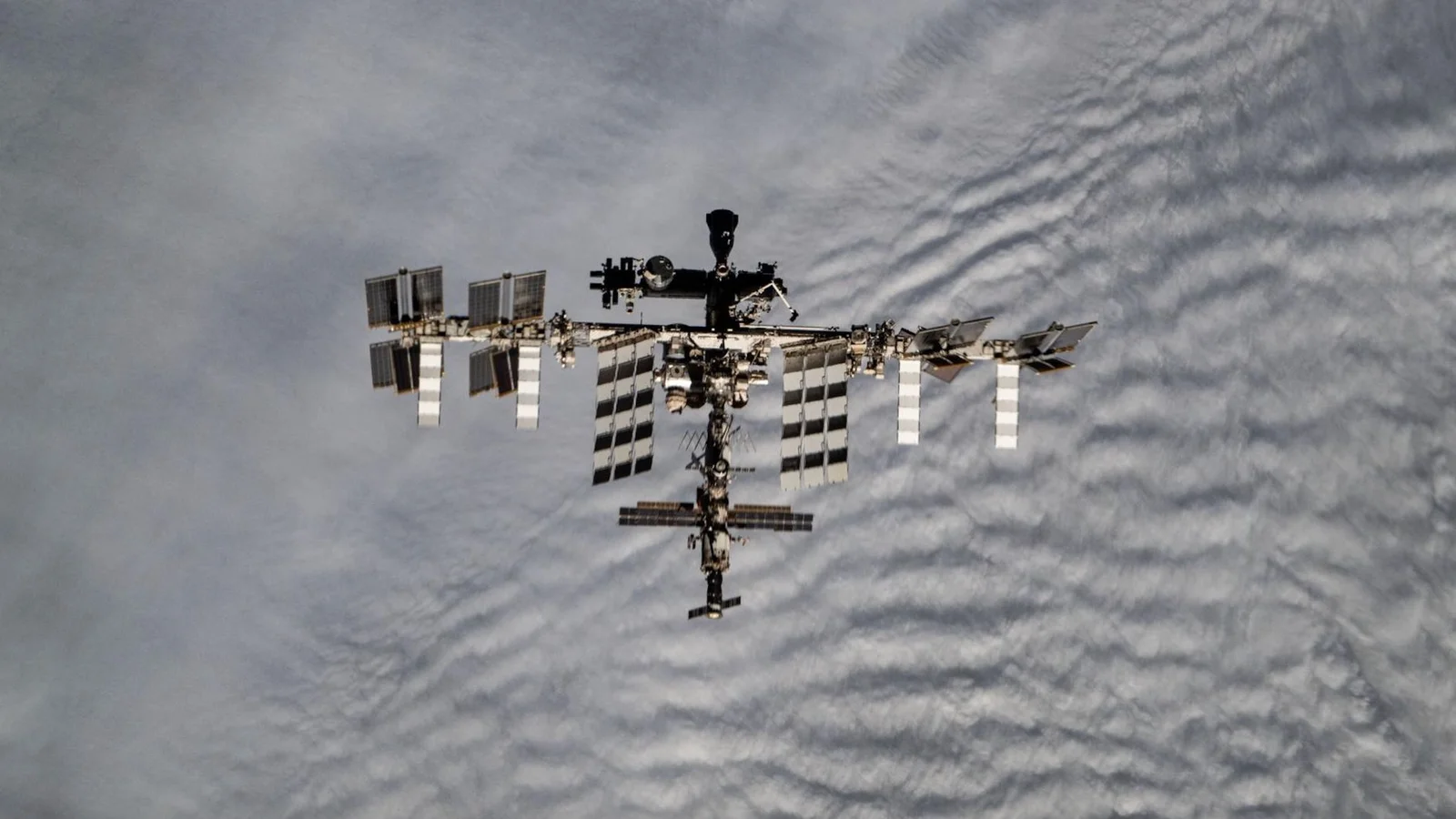
The article celebrates 25 years of the International Space Station, highlighting its history, construction, scientific achievements, crew, and challenges, emphasizing international cooperation and technological advancements in space exploration.
This Christmas, viewers in North America and Europe can spot a bright, silent flyby of the International Space Station in the early morning hours of Dec. 24 and 25, visible without equipment, as it reflects sunlight while orbiting Earth every 90 minutes.
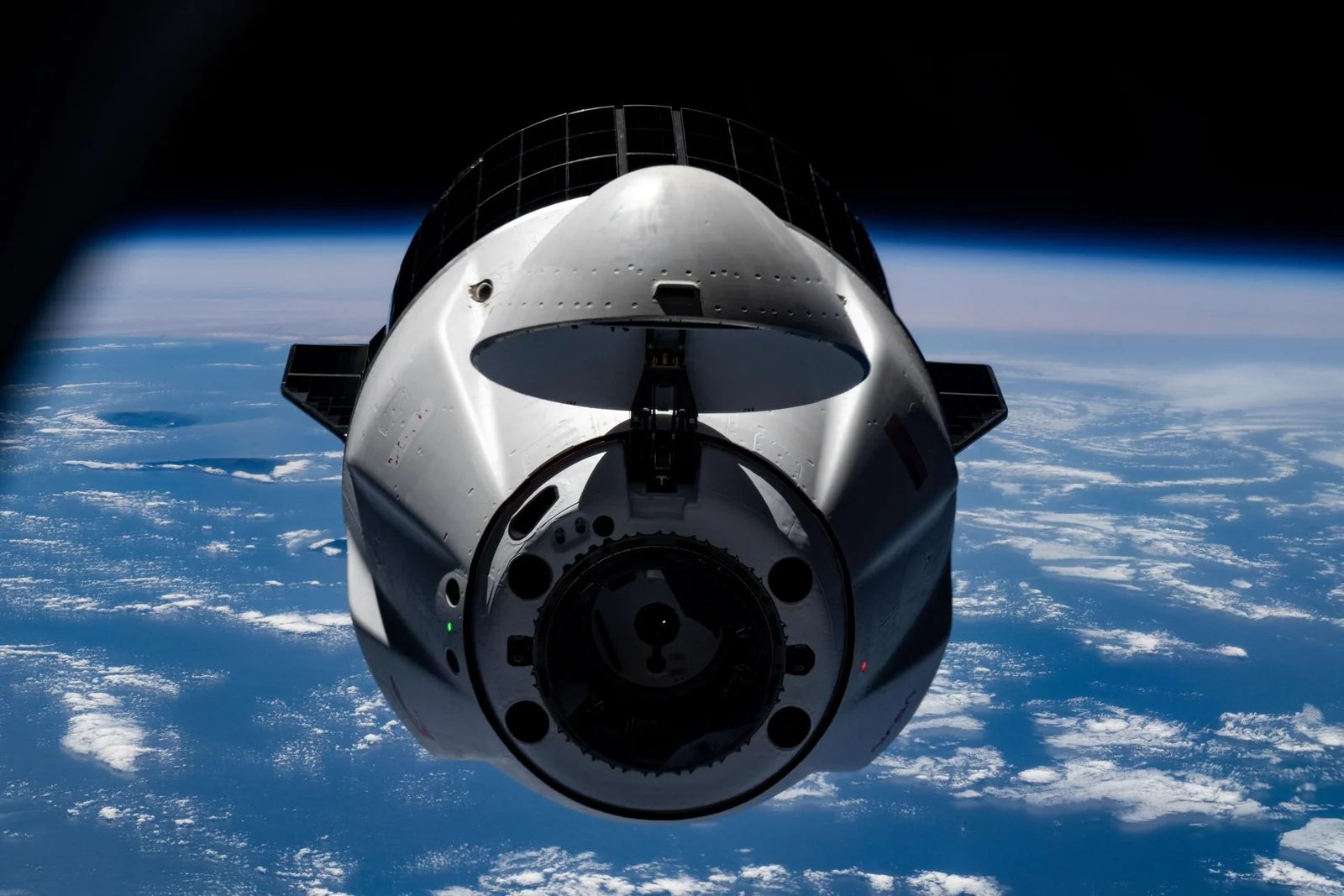
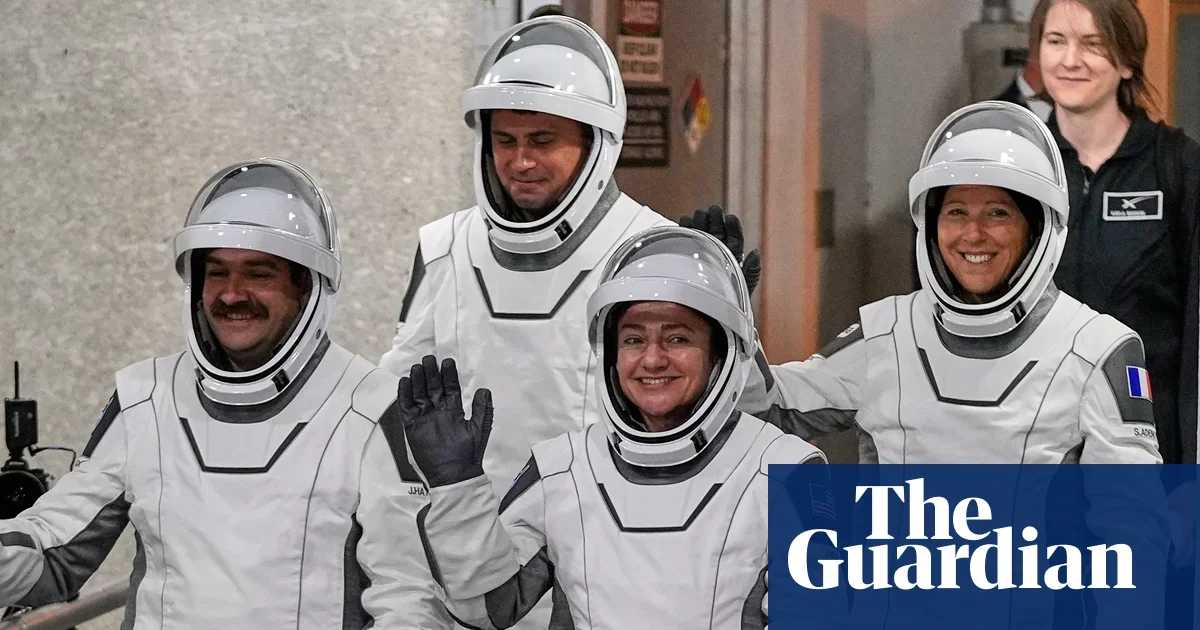
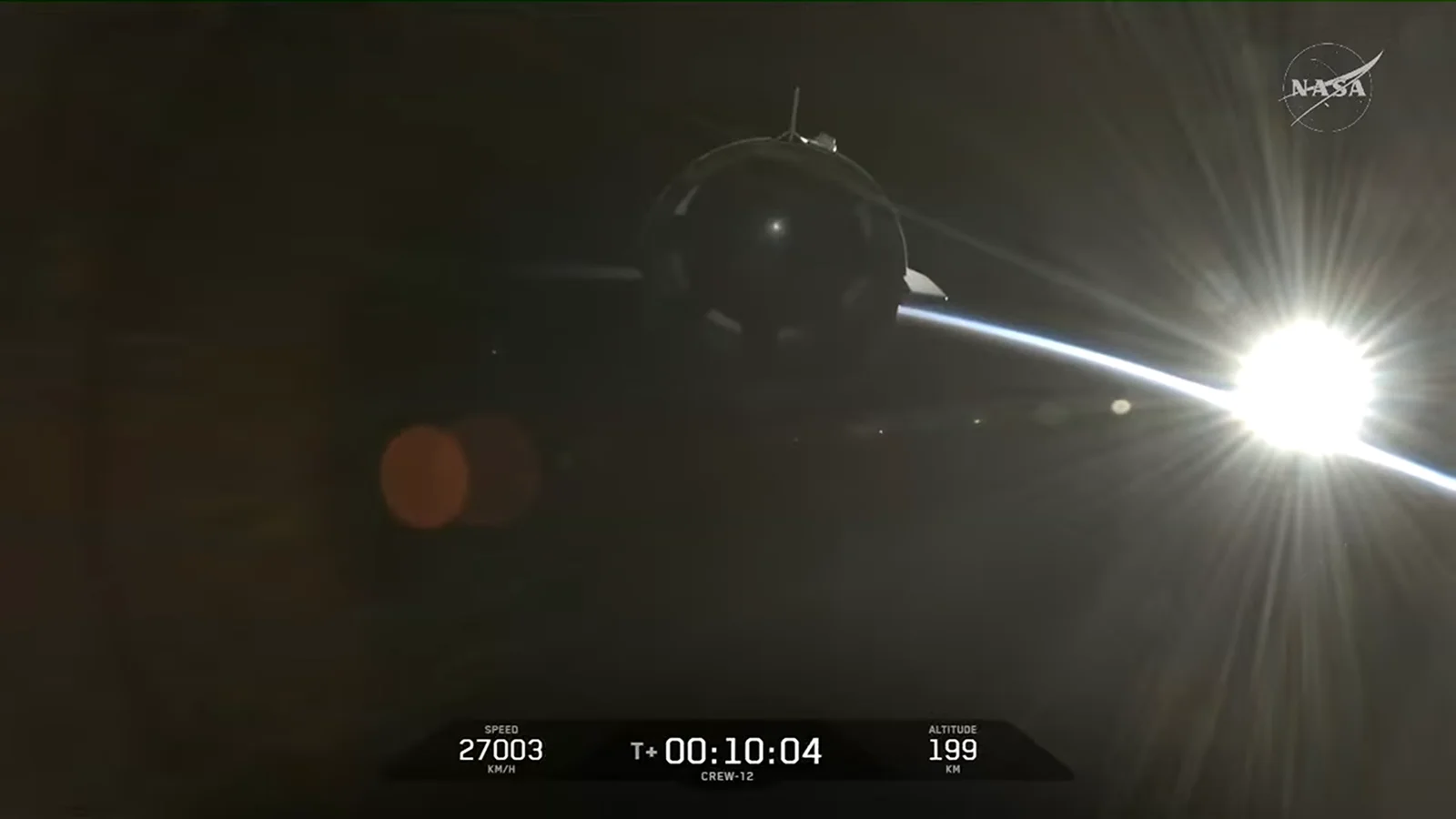
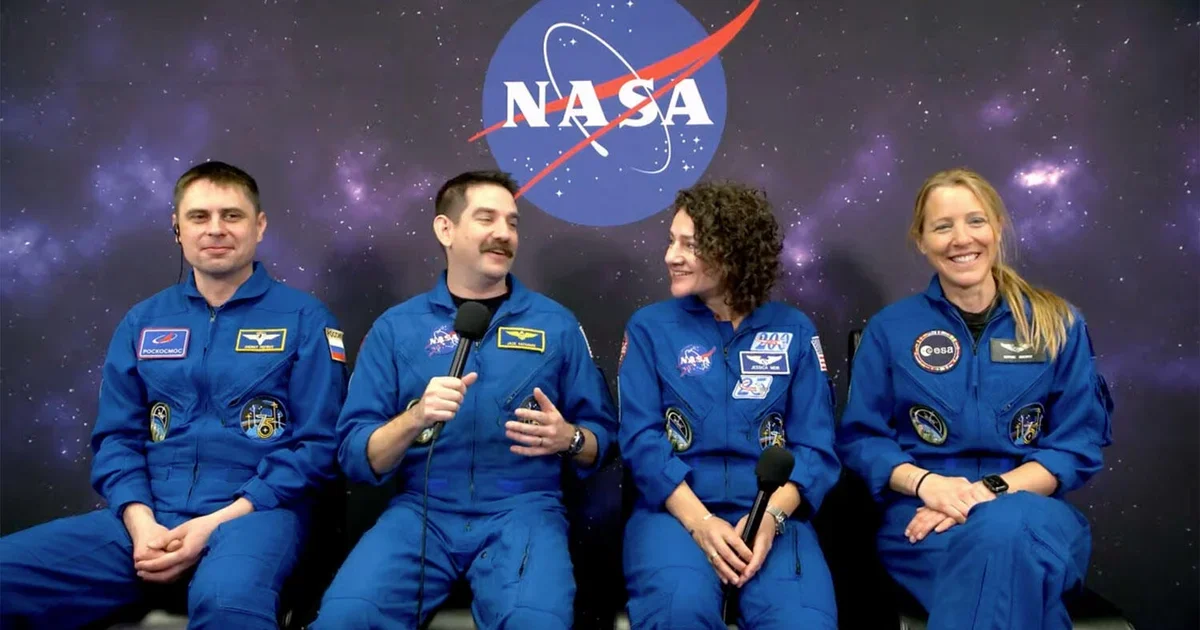
NASA's SpaceX Crew-12 mission, launching no earlier than Feb. 15, 2026, will send four astronauts from NASA, ESA, and Roscosmos to the International Space Station for a long-duration science expedition, focusing on research and technology demonstrations to support future lunar and Mars missions.
The Russian Soyuz MS-28 spacecraft successfully docked with the International Space Station on Nov. 27, 2025, carrying three crew members and marking a historic moment with all eight ISS docking ports occupied for the first time in its 25-year history, despite damage to Baikonur's launch pad.
For the first time in its history, all eight docking ports of the ISS are occupied by various spacecraft, including cargo and crew vehicles from NASA, Roscosmos, JAXA, and SpaceX, highlighting the station's busy operational status.
The article commemorates 25 years of continuous human presence on the ISS since its first crew in 2000, highlighting its early challenges, growth, and current decline, with plans to deorbit the station by the end of the decade and a shift towards commercial space stations, raising questions about the future of human space habitation.
The ISS will be decommissioned in 2030 after 30 years of operation, leaving a legacy of scientific and infrastructural knowledge that is crucial for future space exploration. While private companies are developing new space stations to fill the gap, concerns remain about transparency, international cooperation, and the transfer of scientific and operational expertise. The ISS has not only advanced science but also fostered international collaboration and trust, which may be difficult to replicate with commercial stations.