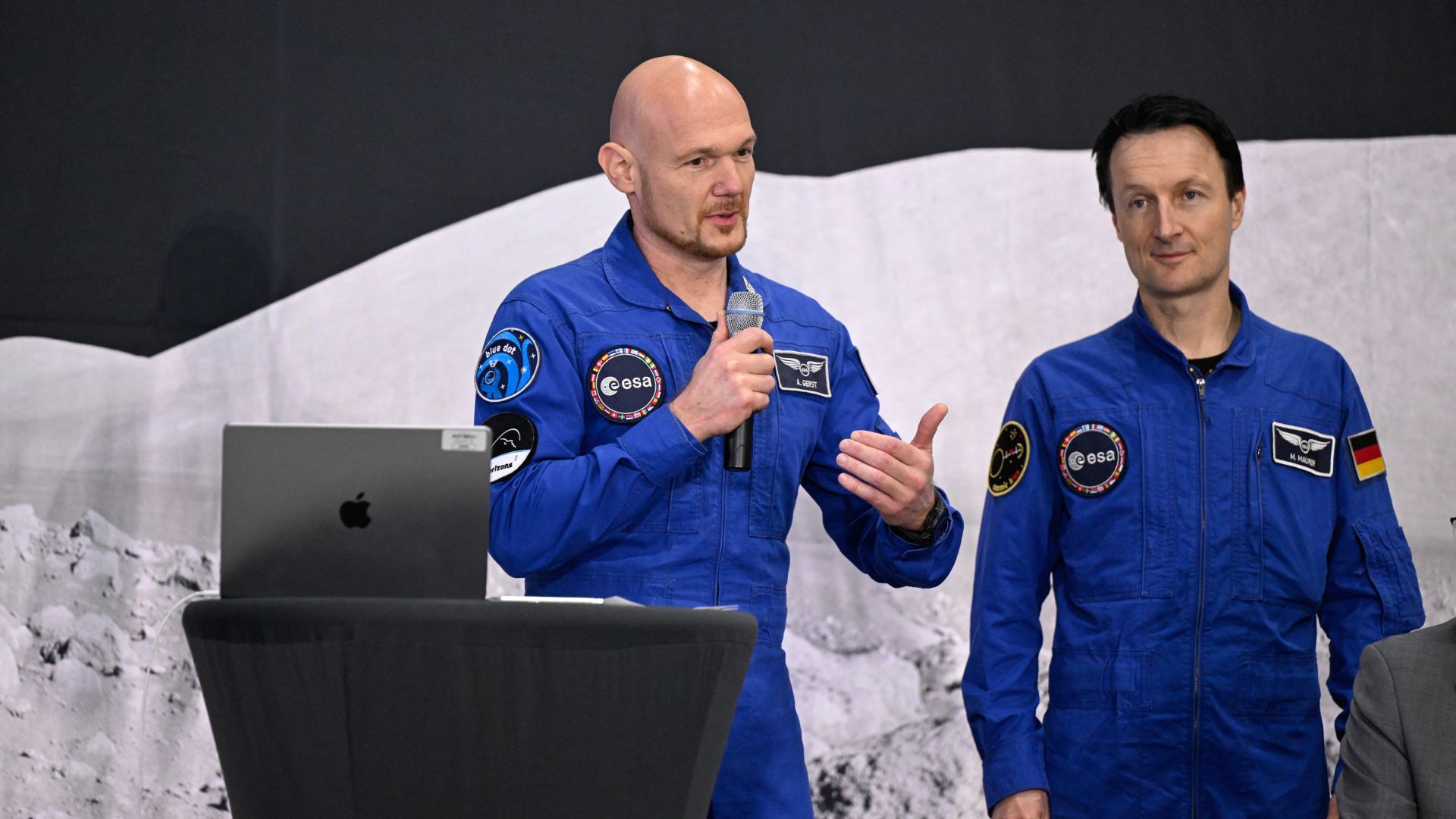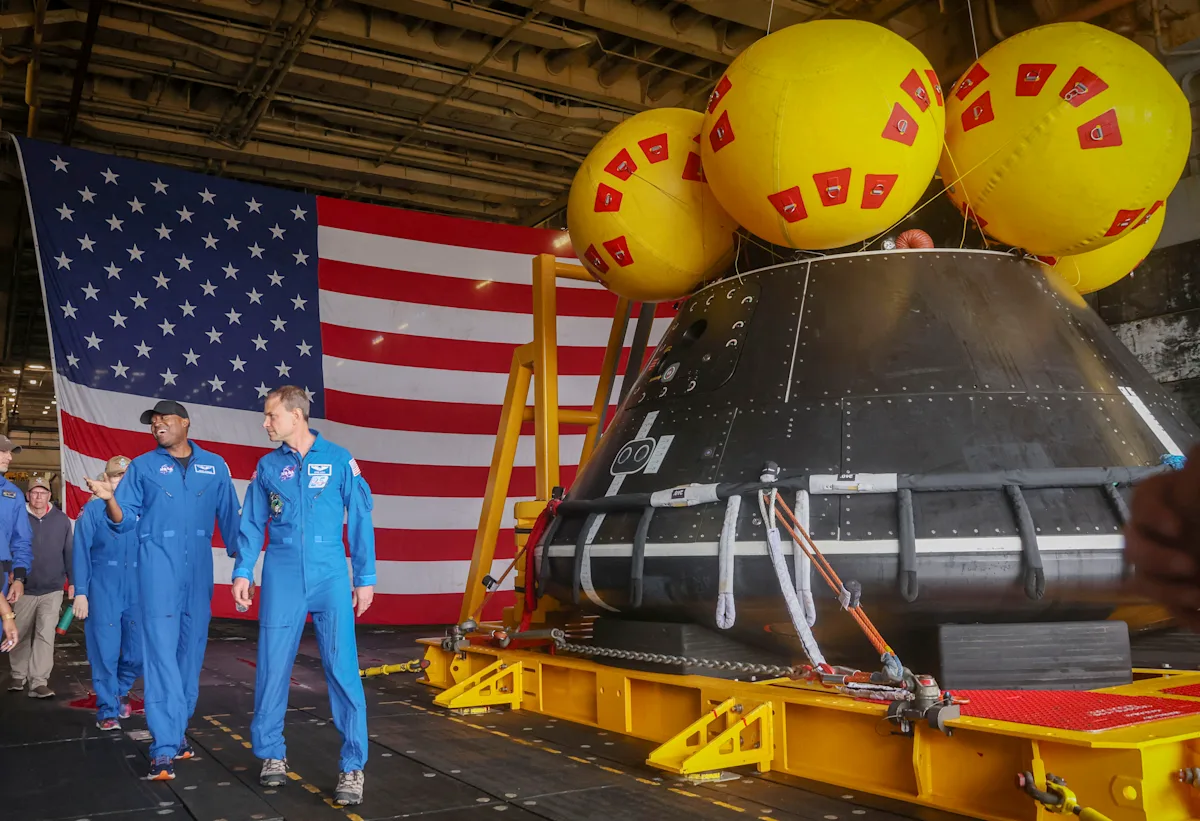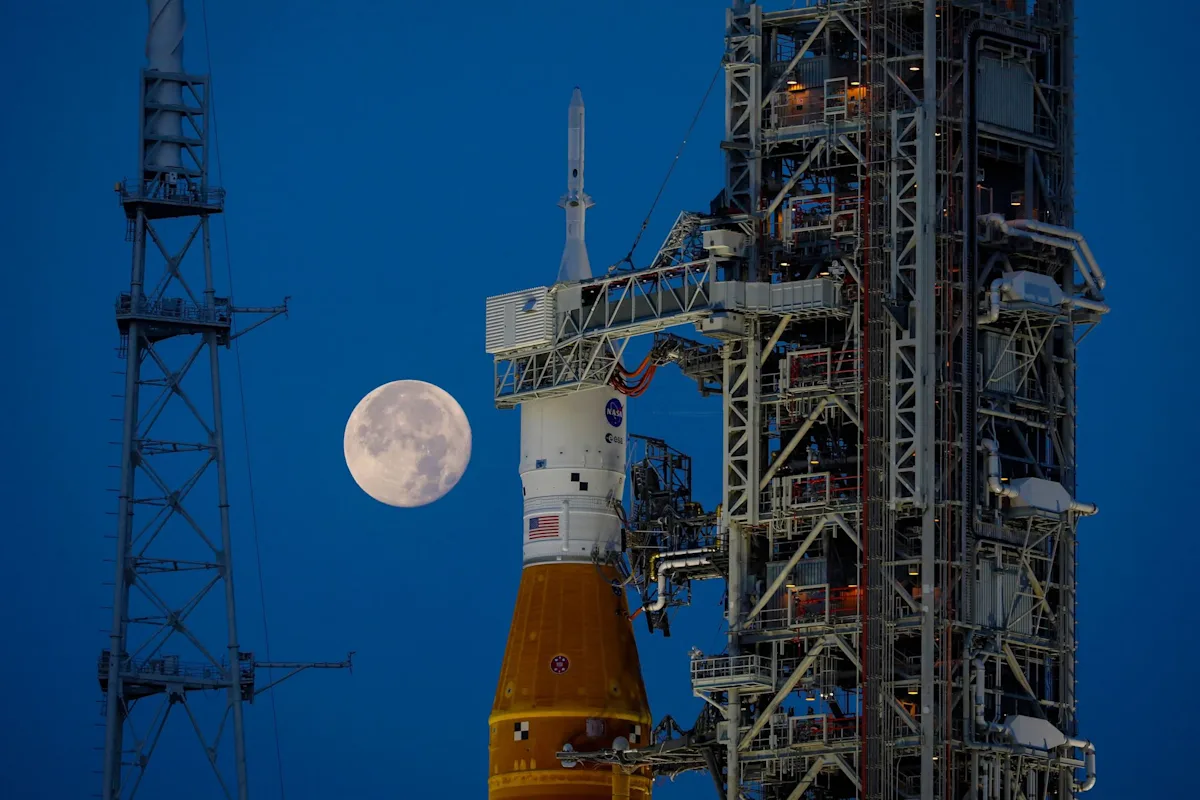
A German astronaut, likely Matthias Maurer or Alexander Gerst, will be the first European to fly to the moon on a NASA-led Artemis mission, marking a historic milestone for Europe in space exploration.
Despite the U.S. government shutdown, NASA astronauts aboard the ISS continue their work, focusing on research and maintenance, while critical projects like the Artemis moon mission proceed, though delays are possible due to resource constraints.
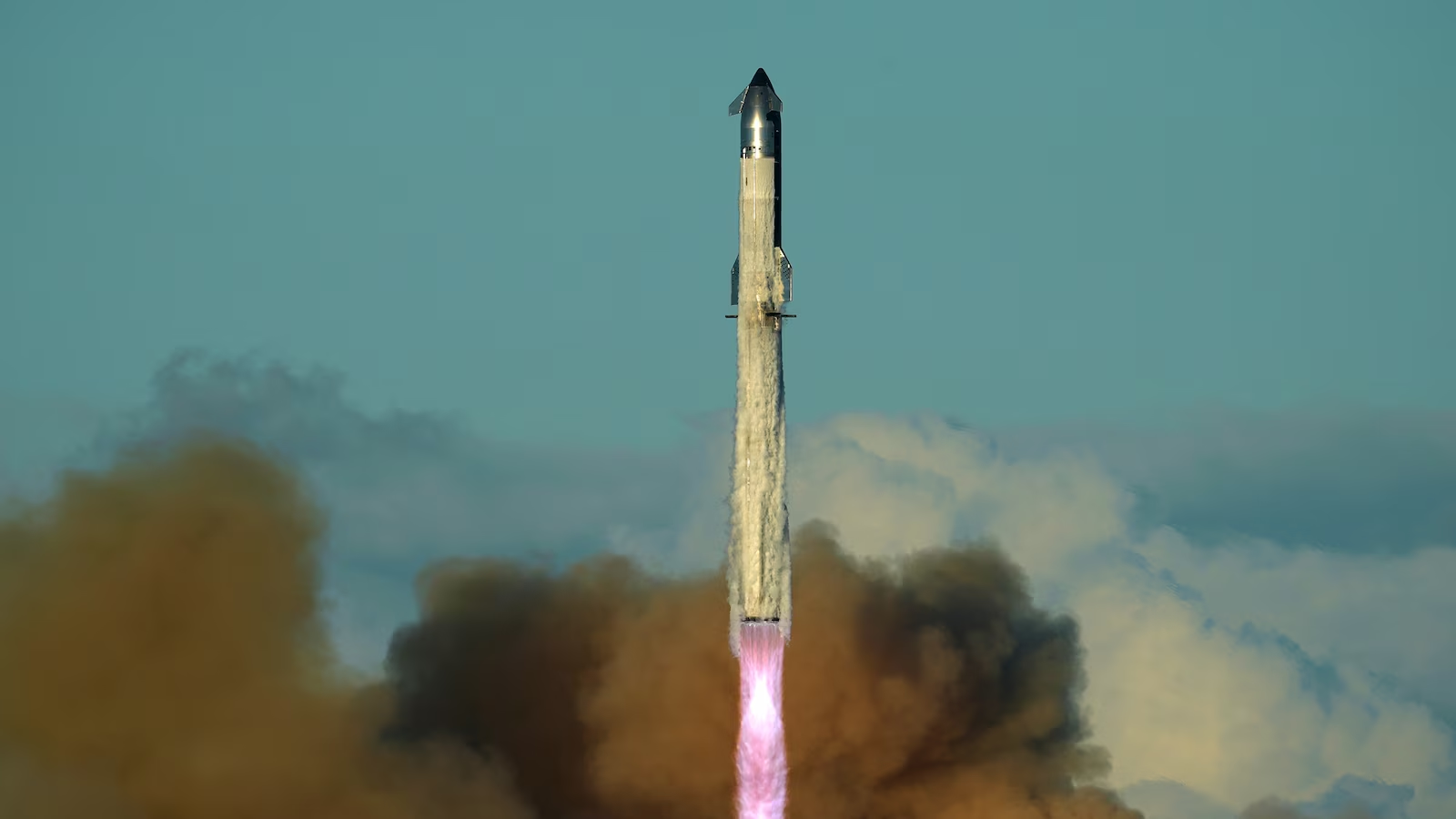
SpaceX advocates for leading the next lunar missions, emphasizing their Starship spacecraft's capabilities and progress, and highlighting their role in NASA's Artemis program to establish a permanent human presence on the Moon.
NASA is reopening the contract for a crewed Moon lander for the Artemis missions due to delays with SpaceX's Starship, which is behind schedule. The agency is considering other companies like Blue Origin and Lockheed Martin to meet the 2027 lunar landing goal amid international competition, especially from China, in a race to the Moon.
NASA's acting administrator Sean Duffy emphasizes the agency's commitment to beating China to the moon through the Artemis program, despite budget challenges and delays, highlighting national ambitions and the importance of swift, decisive action in space exploration.
Interim NASA head Sean Duffy emphasized the agency's commitment to beating China to the moon, advocating for balancing safety with progress amid budget cuts and international competition, particularly from China, in the renewed space race.
NASA's acting administrator Sean Duffy expressed strong determination to beat China to the Moon, countering recent claims that China is ahead in the space race, and emphasized NASA's commitment to returning humans to the Moon with the Artemis Program.
The article reflects on the legacy of the Apollo Moon landings, highlighting the remaining living astronauts, their stories, and the ongoing efforts by NASA, China, and private companies to return humans to the Moon, with a focus on the upcoming Artemis program and the dwindling number of Apollo veterans.
NASA plans to install a nuclear reactor on the Moon by 2030 to support the Artemis program's goal of establishing a sustained presence, driven by the need for reliable power in shadowed lunar regions and in response to China's and Russia's lunar ambitions. This marks NASA's first move from research to deployment of space nuclear fission technology, aiming to secure strategic lunar territory and advance human exploration beyond Earth.
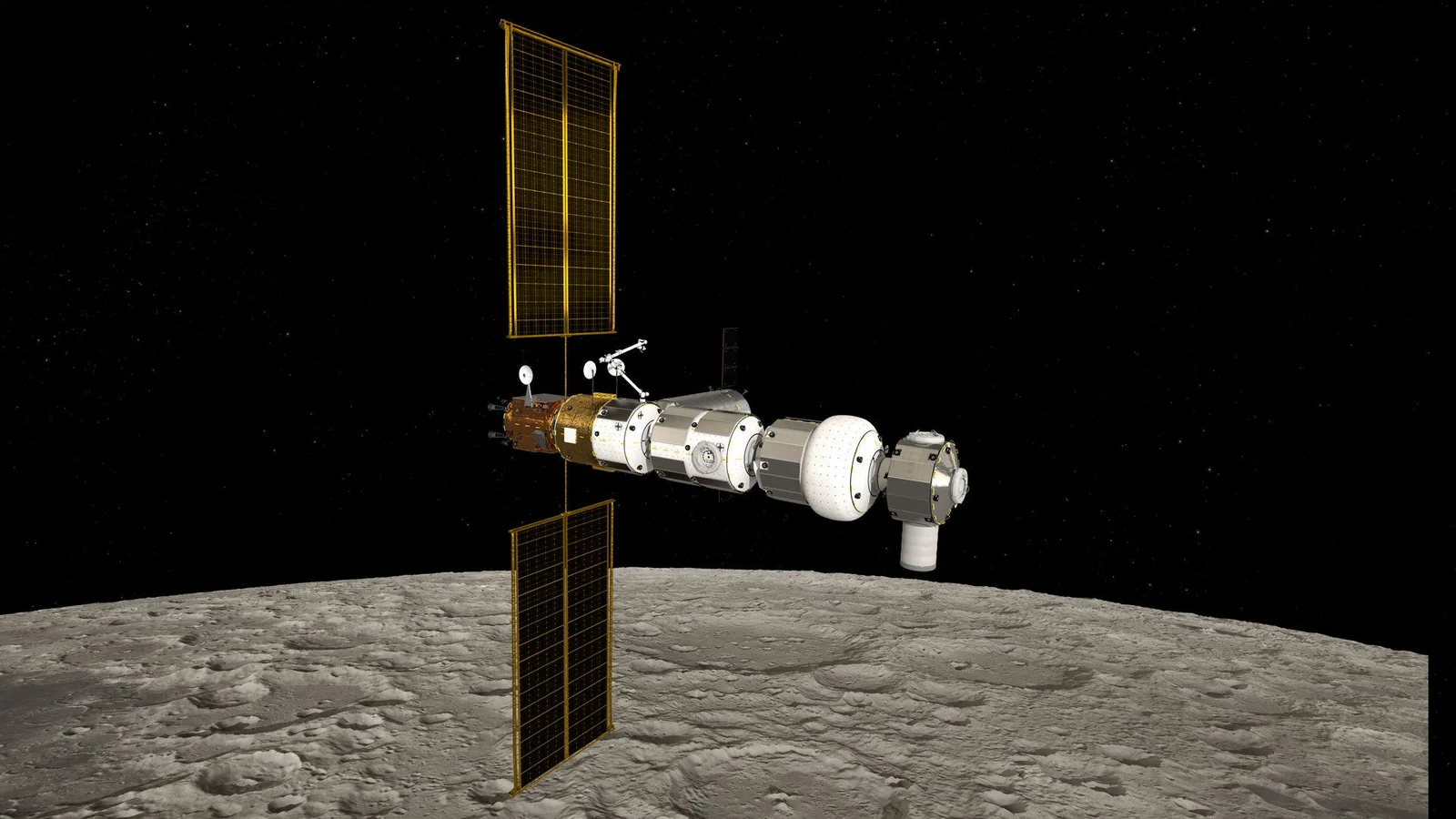
President Trump's proposed NASA budget for 2026 cuts science funding and ends key Artemis program components, but a Senate amendment, led by Senator Cruz, adds over $10 billion to support Artemis IV and V, including funding for the SLS rockets, Gateway lunar station, and moving the Space Shuttle Discovery to Texas, aiming to sustain lunar and Mars exploration efforts despite overall budget cuts.
The U.S. Senate approved a $10 billion increase in NASA's Artemis program funding, supporting the continued use of the expendable Space Launch System despite criticism from Elon Musk and Jared Isaacman, signaling a commitment to legacy aerospace contractors and a departure from earlier plans to phase out certain systems.
President Trump's 2025 budget proposal significantly cuts NASA's funding, phasing out the SLS and Orion programs managed from Huntsville, Alabama, in favor of private industry and Mars-focused technologies, raising concerns about future lunar missions and the local economy.
NASA's Nujoud Merancy discusses plans for permanent lunar infrastructure within the next few decades, focusing on both scientific research and potential commercial opportunities. As part of the Artemis program, astronauts are set to return to the moon in 2027, with initial habitats likely to be small, pressurized modules. Merancy draws parallels with Antarctic architecture, envisioning a gradual build-out similar to research stations there. Challenges include sustaining systems during long lunar nights, but future developments may include inflatable habitats and in-situ resource utilization for sustainability.
Billionaire entrepreneur Jared Isaacman has been nominated by President-elect Donald Trump to lead NASA, sparking discussions about the agency's future direction amid budget constraints and competition from private space companies. Isaacman, known for his commercial space missions with SpaceX, represents a shift from traditional NASA leadership, raising questions about the balance between public exploration goals and commercial interests. As NASA faces challenges with its Artemis Moon program and the costly Space Launch System, Isaacman's leadership could either revitalize the agency or further entangle it with commercial spaceflight demands.
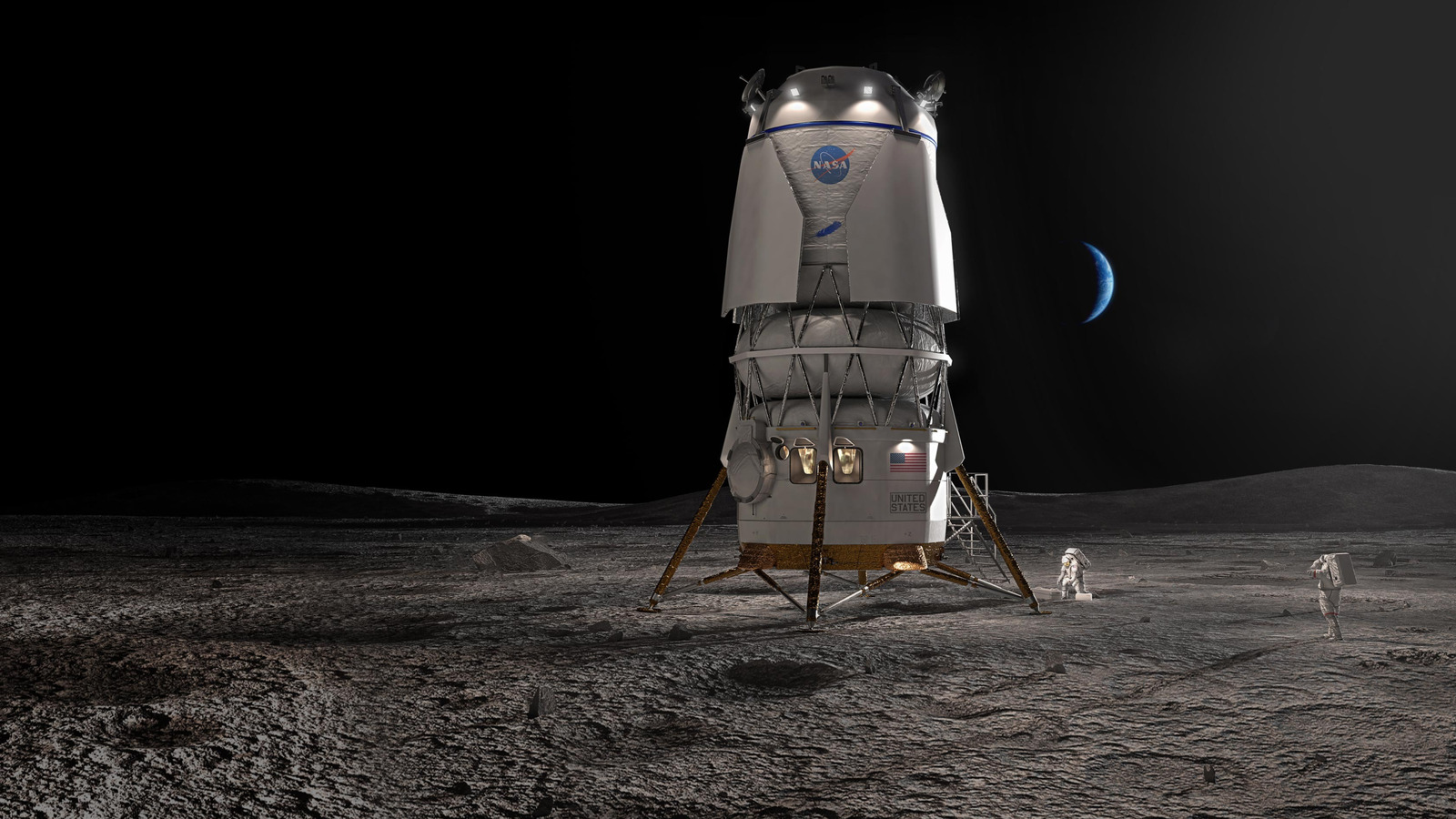
NASA is advancing its Artemis Program by awarding additional contracts to SpaceX and Blue Origin to develop cargo landers for lunar missions. These landers will deliver heavy payloads, including infrastructure and habitats, to the Moon, supporting a sustained human presence. SpaceX will use its Starship to deliver a pressurized rover by 2032, while Blue Origin will deliver a lunar habitat by 2033. These efforts are part of NASA's collaboration with industry and international partners to ensure regular Moon landings and scientific exploration.