Tag

Brain Networks

All articles tagged with #brain networks

New Research Shows ADHD Medications Mimic Sleep, Not Attention Control

Originally Published 18 days ago — by PsyPost

Featured image for New Research Shows ADHD Medications Mimic Sleep, Not Attention Control
Source: PsyPost

A new study reveals that ADHD medications like methylphenidate primarily act on brain networks related to wakefulness and reward, rather than attention control, by enhancing arousal and motivation, and can mask sleep deprivation effects, challenging traditional views of how these drugs work.

Neuroscientists uncover rhythmic pattern guiding brain networks

Originally Published 2 months ago — by PsyPost

Featured image for Neuroscientists uncover rhythmic pattern guiding brain networks
Source: PsyPost

Neuroscientists have discovered a repeating, clock-like rhythm in the brain that organizes large-scale network activity, cycling through different cognitive functions every 300 to 1,000 milliseconds. This structured cycle may help coordinate mental processes such as attention, memory, and sensory processing, and varies with age, genetics, and behavior, offering new insights into brain organization and potential implications for cognitive health and disorders.

Revolutionary Ultrasound Helmet Enables Non-Invasive Deep Brain Stimulation

Originally Published 3 months ago — by Neuroscience News

Featured image for Revolutionary Ultrasound Helmet Enables Non-Invasive Deep Brain Stimulation
Source: Neuroscience News

Researchers have developed a novel ultrasound device capable of simultaneously stimulating multiple precise points in the brain non-invasively, using low-intensity ultrasound to reduce risks and enable visualization of brain activity, with potential applications for treating neurological and psychiatric disorders.

Brain Network Differences Linked to Psychopathy and Antisocial Traits

Originally Published 6 months ago — by Phys.org

Featured image for Brain Network Differences Linked to Psychopathy and Antisocial Traits
Source: Phys.org

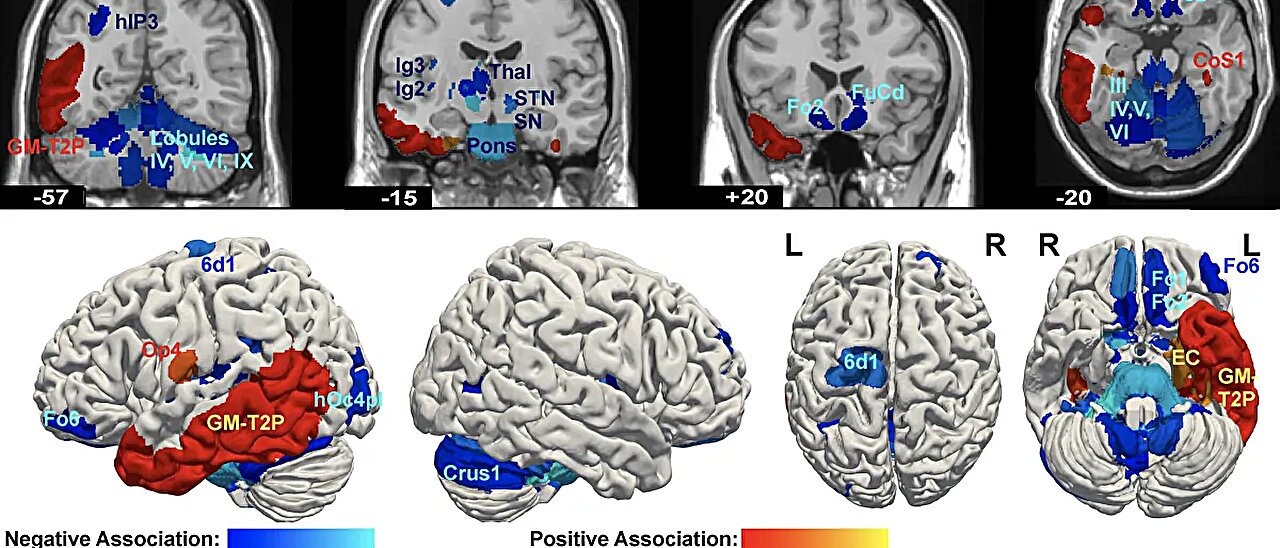
Recent studies reveal structural brain differences in individuals with psychopathic traits, a potential evolutionary trait in sharks related to tonic immobility, and a correlation between high IQ and more accurate life predictions, suggesting cognitive and biological factors influence behavior and decision-making.

Psilocybin Triggers Major Brain Network Changes, Revealing Psychedelic Insights

Originally Published 7 months ago — by PsyPost

Featured image for Psilocybin Triggers Major Brain Network Changes, Revealing Psychedelic Insights
Source: PsyPost

A study in rodents shows that psilocybin causes widespread reorganization of brain networks, disrupting normal communication patterns and creating a high-frequency connectivity state, with effects varying by dose and time, providing insights into the neural basis of the psychedelic experience.

"Psilocybin's Lasting Impact on Brain Networks"

Originally Published 1 year ago — by Neuroscience News

Featured image for "Psilocybin's Lasting Impact on Brain Networks"
Source: Neuroscience News

A study from Washington University School of Medicine reveals that psilocybin, the active compound in magic mushrooms, temporarily disrupts brain networks involved in introspective thinking, with effects lasting for weeks. This increased brain flexibility could aid in treating mental health conditions like depression and PTSD, highlighting the potential for psilocybin-based therapies under medical supervision.

Study Finds Internet Addiction Alters Teen Brain Development

Originally Published 1 year ago — by Neuroscience News

Featured image for Study Finds Internet Addiction Alters Teen Brain Development
Source: Neuroscience News

A review of neuroimaging studies reveals that internet addiction in adolescents disrupts brain networks responsible for attention, memory, coordination, and emotional processing, impacting mental health. The study highlights the need for more diverse research to fully understand these effects.

"Uncovering the Mechanisms of Sustained Attention in Brain Networks"

Originally Published 1 year ago — by Neuroscience News

Featured image for "Uncovering the Mechanisms of Sustained Attention in Brain Networks"
Source: Neuroscience News

A new study using fMRI investigates the brain's mechanisms behind deep focus, finding that certain brain networks synchronize and desynchronize, affecting an individual's ability to maintain attention. The research suggests that low-frequency fluctuations in brain networks play a key role in regulating sustained attention, providing potential insights for improving cognitive function. The study's findings could lead to better strategies for enhancing focus and attention in various cognitive tasks.

"The Neuroscience of Idle Minds: What Happens in Your Brain When You're Not Occupied"

Originally Published 1 year ago — by WIRED

Featured image for "The Neuroscience of Idle Minds: What Happens in Your Brain When You're Not Occupied"
Source: WIRED

Researchers have discovered the default mode network, a collection of brain areas that activate when the mind is at rest, offering insights into brain function outside of specific tasks. This network is involved in processes such as mind wandering, memory recall, envisioning the future, and processing language, and may contribute to constructing an internal narrative. Studies are exploring its interactions with other brain networks, such as the salience network, and its potential links to mental health disorders. The default mode network has prompted neuroscientists to consider the effects of interactions between brain networks and appreciate the brain's activity during inward-focused tasks.

Unveiling the Extensive Brain Effects of Alzheimer's

Originally Published 2 years ago — by Neuroscience News

Featured image for Unveiling the Extensive Brain Effects of Alzheimer's
Source: Neuroscience News

Researchers have discovered that Alzheimer's-related changes in brain networks extend beyond memory and attention, impacting sensory and motor circuits. These findings challenge previous assumptions about Alzheimer's effects and suggest that early-stage Alzheimer's may exhibit broader cognitive impairment detectable during mild cognitive impairment, potentially offering new treatment targets. The research indicates that brain network dysfunction could be a valuable marker for Alzheimer's diagnosis and disease risk assessment.

Injection vs. Oral Drug Use: Unveiling the Unique Brain Network Activation

Originally Published 2 years ago — by National Institutes of Health (.gov)

Featured image for Injection vs. Oral Drug Use: Unveiling the Unique Brain Network Activation
Source: National Institutes of Health (.gov)

A new study conducted by researchers at the National Institute on Drug Abuse (NIDA) and the National Institute on Alcohol Abuse and Alcoholism (NIAAA) suggests that a group of brain regions known as the "salience network" is uniquely activated when drugs are taken intravenously, but not when taken orally. The study found that drugs that enter the brain quickly, such as through injection or smoking, are more addictive than when taken orally, and this difference may be due to the activation of the salience network. Understanding the brain mechanisms underlying addiction is crucial for developing new therapies for substance use disorders and addressing the overdose crisis.

Unveiling the Role of Electric Fields in Memory Formation

Originally Published 2 years ago — by Medical Xpress

Featured image for Unveiling the Role of Electric Fields in Memory Formation
Source: Medical Xpress

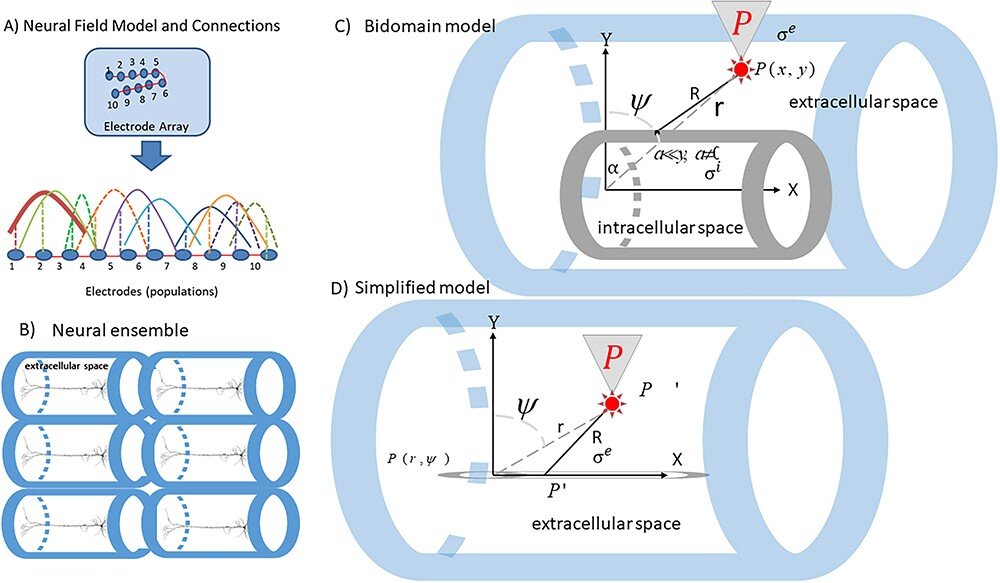
A new study published in Cerebral Cortex suggests that electric fields play a crucial role in coordinating brain circuits and networks involved in memory encoding. The study found that the electric field generated by the underlying electrical activity of neurons coordinated the information across key brain regions during working memory tasks. This electric field appeared to drive neural activity and influence the fluctuations of voltage across neurons' membranes. The findings could have implications for understanding brain-computer interfaces and developing treatments for mental health conditions by manipulating electrical fields to alter faulty circuits.

Unveiling the Mysteries of the Human Brain's Hidden Networks.

Originally Published 2 years ago — by Neuroscience News

Featured image for Unveiling the Mysteries of the Human Brain's Hidden Networks.
Source: Neuroscience News

Researchers have identified specific brain network connections associated with anosognosia, a condition where patients are unaware of their neurological or psychiatric deficits. Using a technique called lesion network mapping, they identified separate networks linked to visual and motor anosognosia and a shared network responsible for awareness of these deficits. The shared network converged on the hippocampus and precuneus, both associated with memory. This is the first systematic analysis to highlight the role of the hippocampus in visual anosognosia.