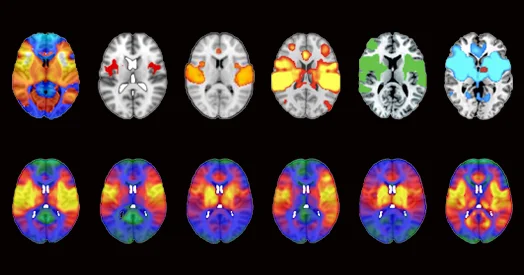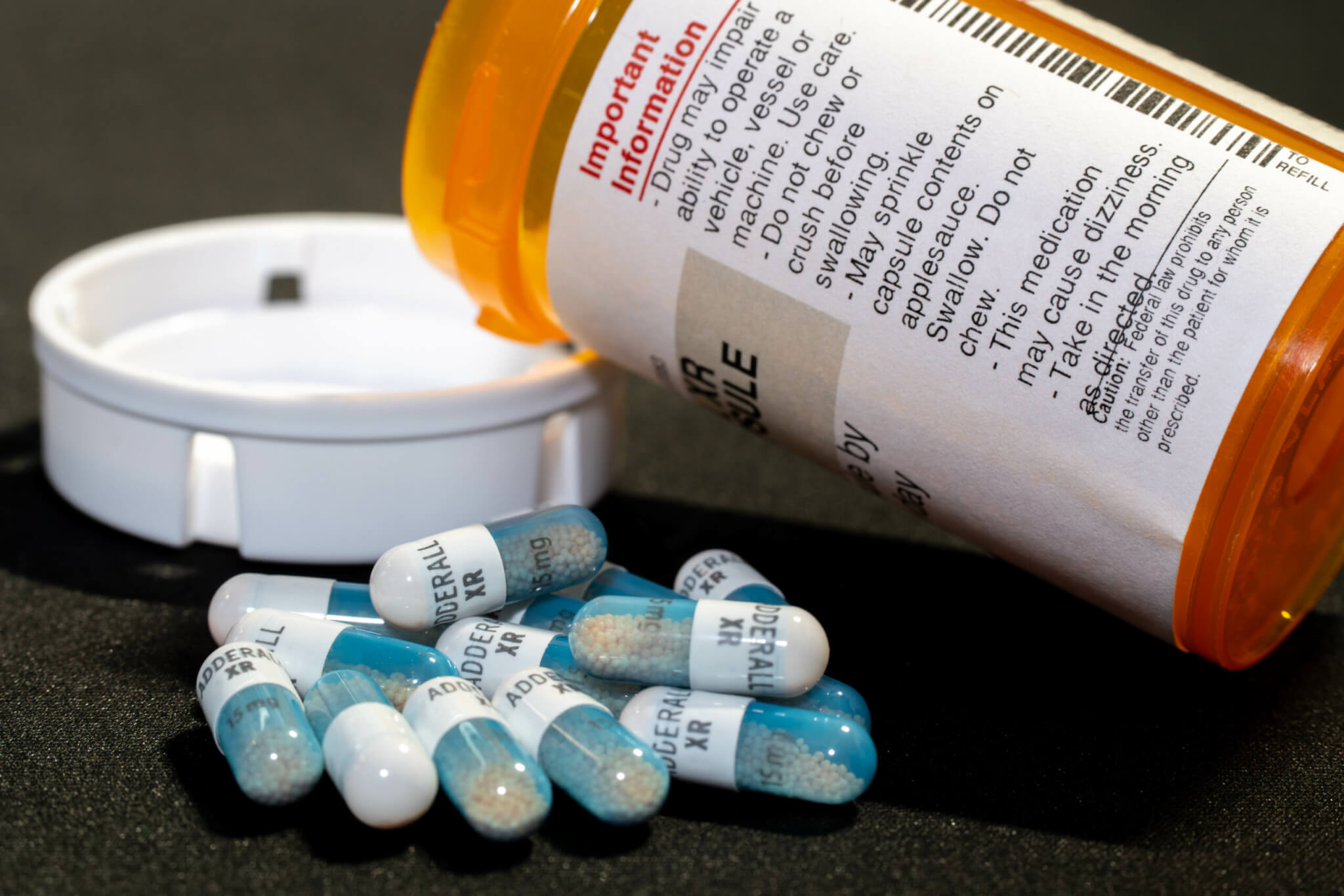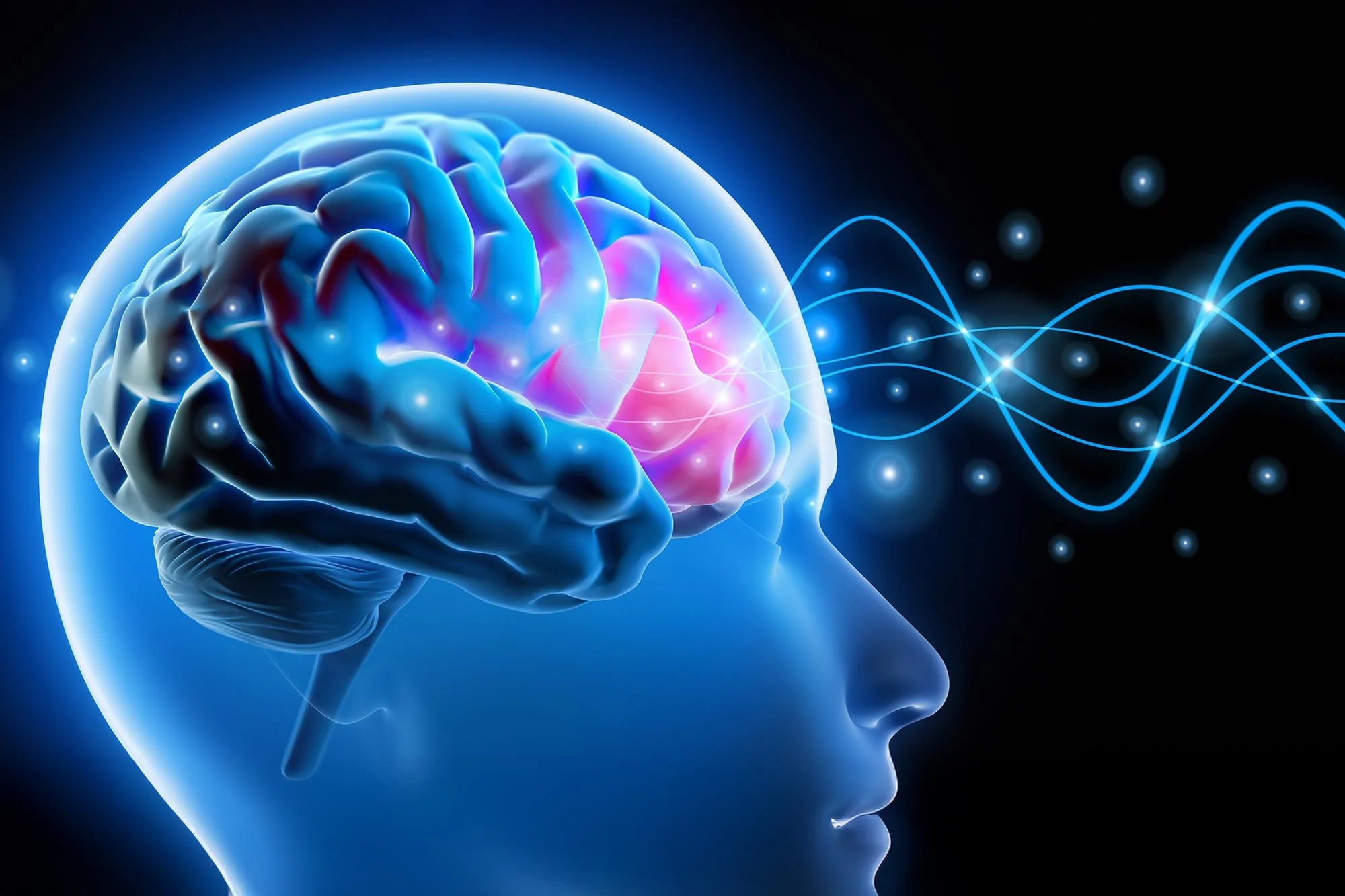
A large brain imaging study reveals that ADHD medications like Adderall and Ritalin primarily affect brain regions related to arousal and wakefulness, not attention networks as previously believed. These drugs mimic the brain patterns of good sleep, effectively rescuing sleep-deprived children temporarily, but do not enhance cognitive abilities in well-rested children. The findings suggest that sleep issues may underlie some ADHD symptoms and highlight the importance of addressing sleep health.
Researchers developed a new 'zap-and-freeze' technique to rapidly freeze and study brain cell activity, revealing ultrafast endocytosis processes in both mice and human brain tissues, which could provide insights into the mechanisms of Parkinson's disease and aid in developing targeted treatments.
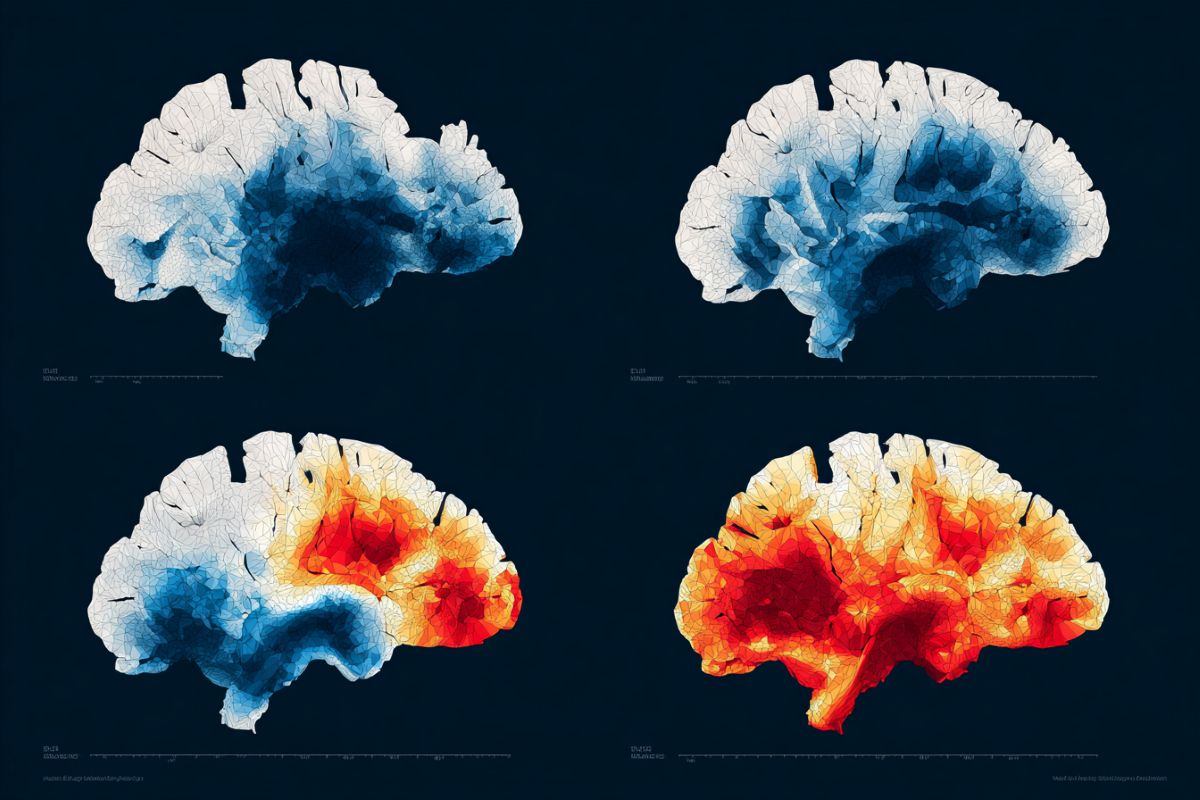
Recent research reveals that fMRI signals often misrepresent actual neural activity, with about 40% of cases showing increased signals where neural activity is reduced, due to regions extracting more oxygen without increased blood flow. This challenges long-standing assumptions in brain imaging and suggests a need for direct energy consumption measurements to better understand brain function and disorders.
New research shows that romantic partners synchronize their brain activity during storytelling, leading to a shared form of forgetting where they tend to forget related details, a phenomenon less observed among strangers. This neural alignment, especially in the prefrontal cortex, facilitates a shared reality but may cause loss of individual memories, highlighting how close relationships influence cognitive processes.
Scientists at USC have developed a new MRI technique to visualize the brain's microvascular pulsations, which become stronger with age and may contribute to Alzheimer's disease by disrupting waste clearance systems, offering potential for early diagnosis and treatment of neurodegenerative disorders.
A study shows that traditional Chinese medicine, specifically Yueju Pill, may predict and improve depression treatment outcomes by analyzing brain network patterns, offering a potential personalized approach to managing major depressive disorder.
Scientists have discovered a detailed 'pain map' in the human brainstem that activates differently depending on the body part experiencing pain, paving the way for targeted, opioid-free pain treatments.
Researchers have developed a new imaging technique that allows for the first time the direct visualization and measurement of protein clusters called alpha-synuclein oligomers in human brain tissue, which are believed to initiate Parkinson's disease. This breakthrough could lead to earlier diagnosis and targeted treatments by revealing how the disease develops and spreads in the brain.
Scientists have developed a new noninvasive imaging technique that maps tiny blood vessel pulses in the brain, revealing changes associated with aging and hypertension, which could help predict dementia and improve understanding of brain health.
Scientists at USC have developed a noninvasive MRI method to measure tiny blood vessel pulsations in the brain, which become stronger with age and may contribute to Alzheimer's disease, offering potential for early diagnosis and intervention.
Scientists have identified increased AMPA receptor levels as a biological basis for Long COVID brain fog, using advanced PET imaging to correlate receptor density with cognitive symptoms and inflammation, paving the way for new diagnostic and treatment options.
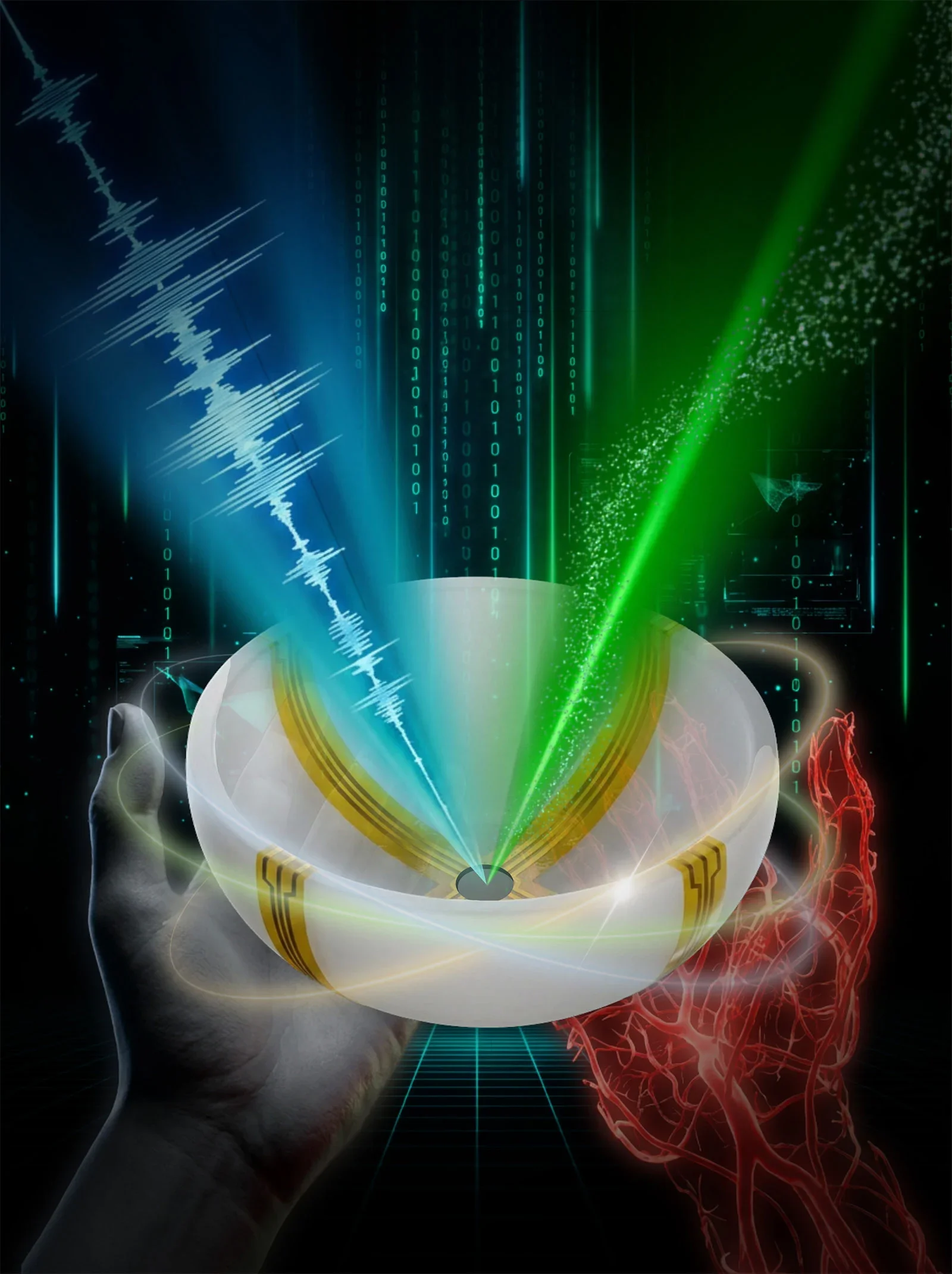
Researchers at UC Davis have developed a miniaturized, high-resolution 3D microscope called DeepInMiniscope that enables real-time, noninvasive imaging of brain activity in freely moving mice, advancing neuroscience research and potential human health applications.
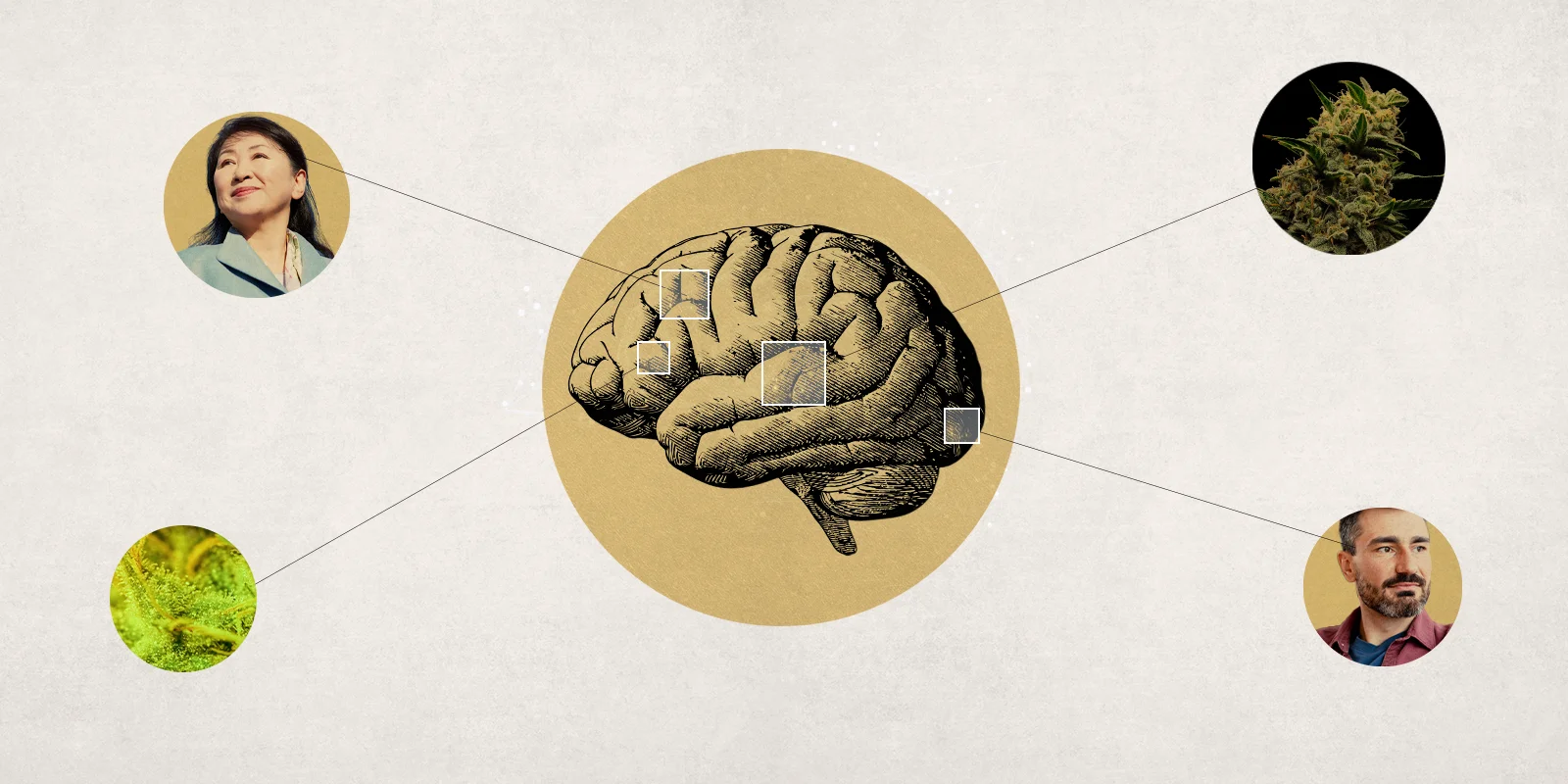
Research shows that high ventilation breathwork combined with music can induce psychedelic-like altered states of consciousness, activating brain regions linked to emotion and memory, and reducing negative emotions, suggesting potential therapeutic benefits.
A clinical trial found that the dopamine-enhancing drug tolcapone improves self-control and reduces alcohol consumption in people with alcohol use disorder by increasing activity in brain regions involved in inhibitory control, suggesting targeted dopamine modulation as a promising treatment approach.
Chinese scientists have developed a new method to make organs like the brain and heart transparent, enabling highly detailed 3D imaging of their internal structures without damage, which could significantly advance biological and medical research.