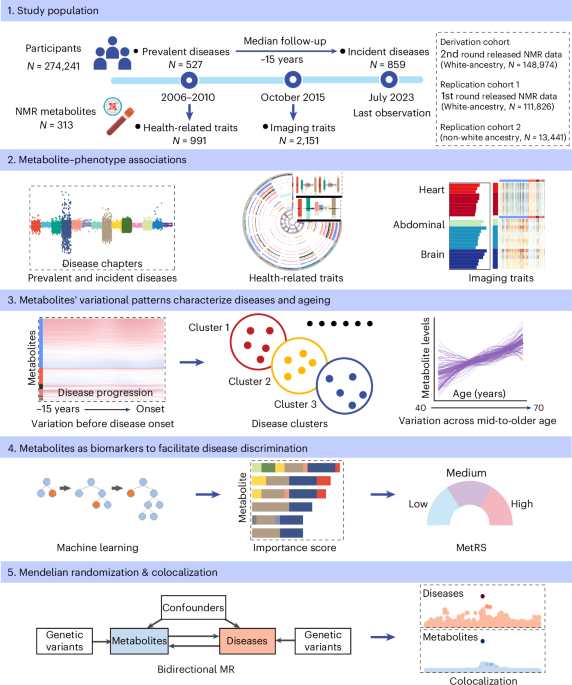
This study mapped over 1.4 million associations between plasma metabolites and a wide range of human phenotypes in 274,241 UK Biobank participants, revealing metabolic signatures linked to diseases, traits, and aging, and identifying potential causal relationships and biomarkers for personalized risk assessment and intervention.
A UK Biobank study found that certain food additives, including flavors, colorings, sweeteners, and sugars, are associated with increased mortality risk, while gelling agents may offer protective effects, highlighting the varying health impacts of ultra-processed food components.
UK Biobank's extensive imaging and health data from 100,000 participants provide unprecedented insights into how diseases develop silently over time, enabling earlier detection and better understanding of health risks through advanced imaging and AI analysis.
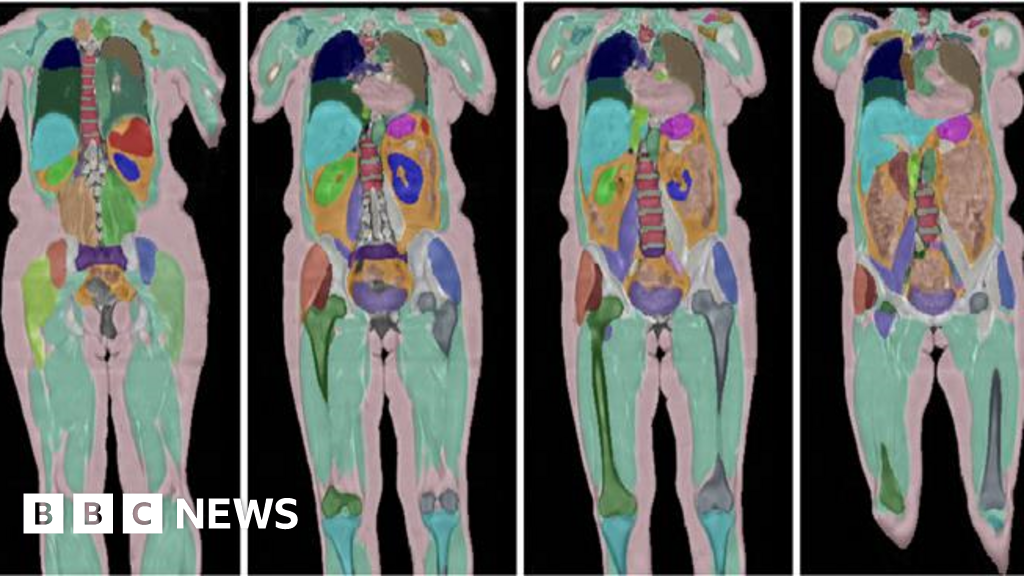
The UK Biobank completed the world's largest whole-body imaging project, scanning 100,000 volunteers over 15 years, creating an extensive dataset that is revolutionizing disease research, diagnostics, and AI development for early detection and understanding of health and aging.
The UK Biobank has completed its goal of scanning 100,000 volunteers' brains, hearts, and organs over an 11-year project, providing valuable data for early disease detection and research, with the use of AI to analyze the vast amount of imaging data.
A large study found that brighter night-time light exposure is associated with increased risks of five major cardiovascular diseases, suggesting that circadian disruption from artificial light may contribute to heart health issues. The research emphasizes the importance of managing night light exposure to reduce cardiovascular risk, especially during sleep.
A new study published in the Journal of Epidemiology and Community Health highlights the importance of consistent sleep patterns for cardiovascular health. Researchers found that individuals with irregular sleep schedules were 26% more likely to experience cardiovascular issues, such as strokes and heart attacks, compared to those with regular sleep patterns. The study, which analyzed data from over 70,000 UK residents, suggests that maintaining a consistent sleep and wake time is crucial, potentially even more so than sleep duration, for reducing cardiovascular risk.
A study using data from the UK Biobank suggests that exercising in the early morning or late evening can significantly reduce the risk of developing bowel cancer. Researchers found that physical activity peaks at around 8am and 6pm were associated with an 11% lower risk of colorectal cancer compared to other times of the day. This finding could lead to targeted cancer prevention strategies focusing on the timing of exercise. Bowel cancer is the fourth most common cancer in the UK, with increasing incidence among younger adults.
Researchers have identified a specific genetic trigger for obesity linked to the SMIM1 gene, which affects thyroid function and energy expenditure. This mutation, found in about 1 in 5,000 people, leads to significant weight gain. The study suggests potential treatment with thyroid medication, pending further research and clinical trials.
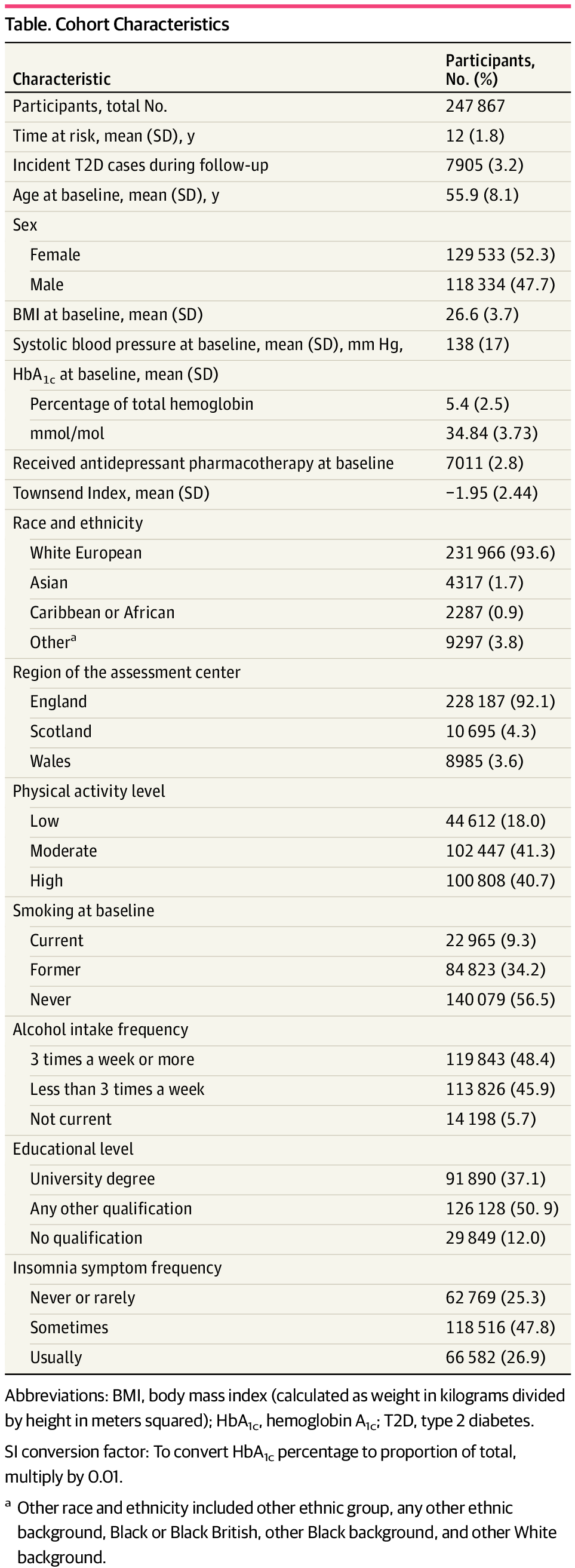
A cohort study of 247,867 adults from the UK Biobank found that habitual short sleep duration, particularly less than 6 hours daily, was associated with a higher risk of developing type 2 diabetes (T2D) even among those with healthy dietary habits. While adherence to a healthy diet was linked to reduced T2D risk, the increased risk associated with short sleep duration persisted. The study highlights the importance of understanding the interplay between sleep duration, dietary habits, and T2D risk for public health and diabetes prevention strategies.
Researchers have identified biological markers in blood samples from over 50,000 healthy volunteers that can predict the onset of dementia, including Alzheimer's disease and vascular dementia, nearly 15 years before clinical diagnosis. The discovery of four proteins in the blood, when combined with conventional risk factors, allowed for an estimated 90% accuracy in predicting dementia. This development could lead to the creation of a screening kit for use in the NHS, potentially aiding in the early diagnosis and treatment of dementia, particularly with the emergence of new Alzheimer's drugs. However, further studies and regulatory approval are needed before such blood tests can be used in healthcare settings.
Individuals who spend more time in daylight have a lower risk of mental health disorders such as major depressive disorder, post-traumatic stress disorder (PTSD), psychosis, and self-harm behavior, according to an analysis of UK Biobank data. Conversely, greater light exposure during nighttime is associated with increased risks of major depressive disorder, generalized anxiety disorder, PTSD, psychosis, bipolar disorder, and self-harm behavior. The study highlights the importance of circadian rhythms and suggests that interventions to enhance mental health could involve optimizing light exposure patterns. However, the study's design does not establish causation, leaving open the possibility that mental health conditions may influence behavior and light exposure patterns.
A study using data from the UK Biobank has found that genetic variants associated with increased reproductive behaviors, such as early sexual activity and younger age at first childbirth, are also linked to shorter life spans. These genetic factors, which occur in non-coding regions of genes, demonstrate antagonistic pleiotropy, where genes that enhance reproductive fitness in youth have negative effects on health in old age. The findings suggest that there is a trade-off between reproductive success and longevity, shedding light on the evolutionary balance between reproduction and aging.
A study based on data from the UK Biobank suggests that adults in the UK could add nearly 9 years to their life expectancy by switching to a healthier diet outlined in the UK's Eatwell Guide. The study found that even those who already follow a partially healthy diet could gain around 3 years in life expectancy by making the full switch. The World Health Organization (WHO) considers poor diet and lack of physical activity as leading global risks to health. The study authors call for long-term action to enable more adults to eat healthily and reduce the burden of disease from poor diet.
UK Biobank has released the largest ever set of patients' genetic data, consisting of whole genome sequencing data for half a million people. This landmark release provides researchers with an unprecedented level of detail about human health, enabling them to make new discoveries about disease development and potentially drive advancements in personalized medicine. The data could lead to the development of more effective drugs for diseases such as heart disease, type 2 diabetes, rare genetic diseases, and cancers. It may also facilitate targeted healthcare and interventions for individuals at high genetic risk of disease. The release of this data is expected to have transformative results for diagnoses, treatments, and cures worldwide.