Most people do not consume enough dietary fiber, which is essential for health and weight management. The article highlights five natural, fiber-rich foods—oats, beans, lentils, broccoli, and apples—that can help curb appetite and support weight loss efforts, along with tips on hydration and meal timing for better appetite control.

Eating garlic regularly, staying hydrated, and following a healthy diet can help heal a sluggish liver within 60 days by boosting liver enzymes, reducing oxidative stress, and preventing fatty liver disease, especially when combined with lifestyle improvements.
A dietitian explains that while vegetable oils like soybean and olive oil are often considered healthy, their high omega-6 content can disrupt the omega-3 and omega-6 balance in the body, potentially leading to health issues. To optimize health, it is recommended to reduce intake of these oils and incorporate omega-3 rich foods such as fatty fish, chia seeds, and walnuts into the diet.
Incorporating vegetables like spinach, broccoli, bell peppers, green beans, and cauliflower into your diet can help manage blood sugar levels and support diabetes control due to their high fiber content, low glycemic index, and rich nutrient profile.
A Chennai-based nutritionist emphasizes the importance of incorporating nutrient-rich foods like spinach, beans, seeds, lean meats, and whole grains into the diets of obese children to help reduce weight, alongside promoting physical activity. The article highlights the rising concern of childhood obesity globally and in India, and provides dietary recommendations to manage and prevent obesity in children.
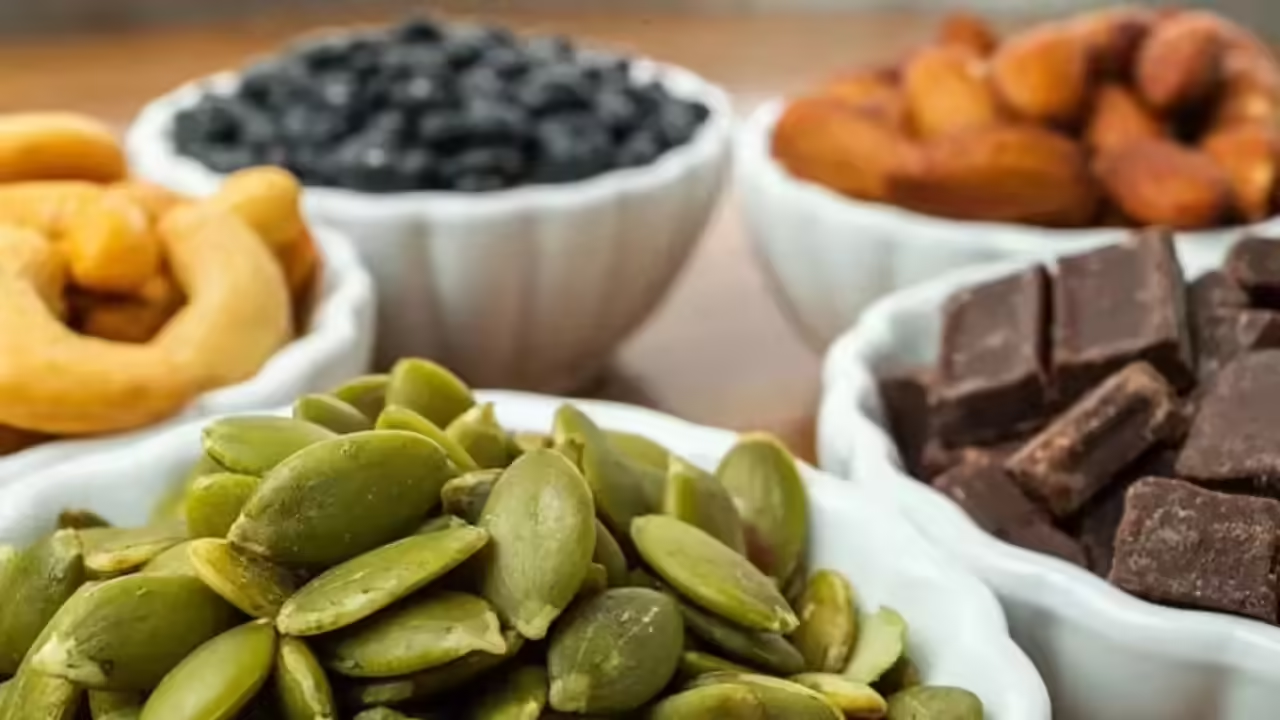
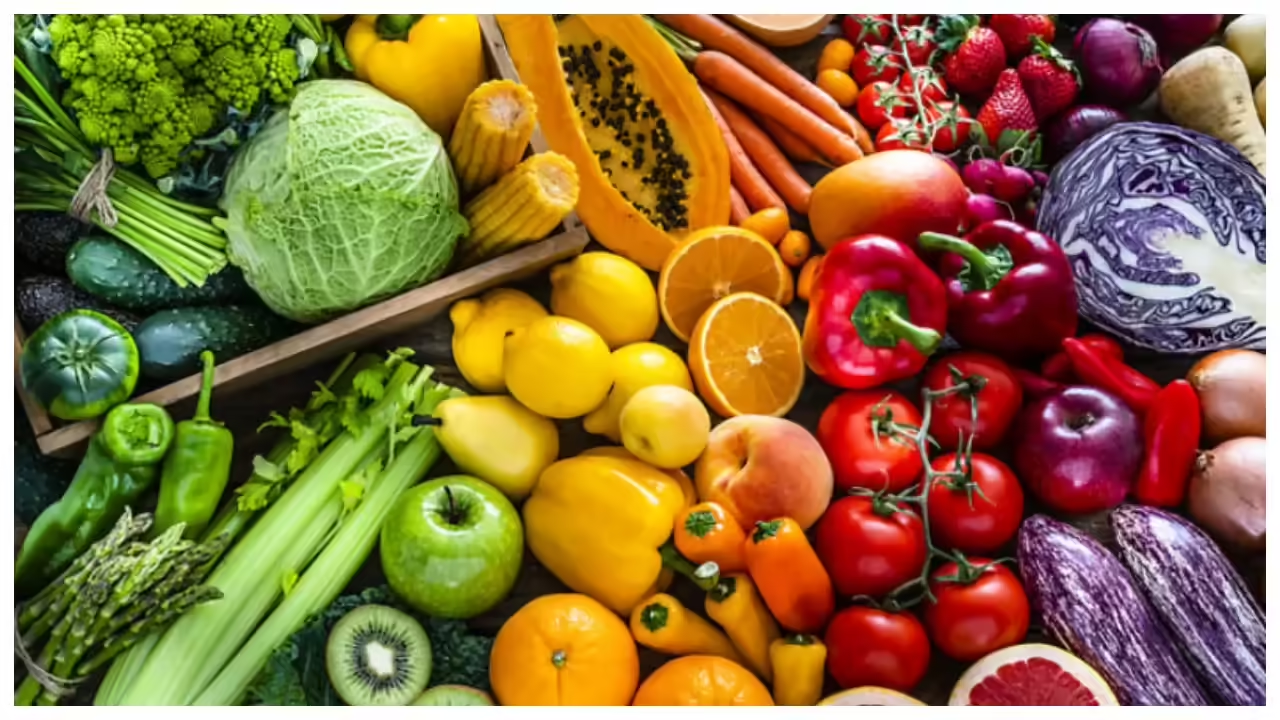
Research indicates that consuming a diverse range of flavonoid-rich plant foods like fruits, vegetables, tea, and chocolate can significantly reduce the risk of chronic diseases and potentially extend healthy lifespan, emphasizing the importance of dietary variety for longevity.
Magnesium is an essential mineral vital for various bodily functions, yet many people lack sufficient intake due to processed foods. This article reveals 10 surprising natural food sources of magnesium beyond common options like spinach and almonds, offering practical ways to boost magnesium intake naturally.
Certain everyday foods like gluten, low-quality dairy, processed meats, refined sugars, and fried foods can promote chronic inflammation, which is linked to various health issues. Choosing whole, unprocessed foods and quality ingredients can help reduce inflammation.
Eating specific fruits like apples, avocados, berries, grapefruit, grapes, kiwi, mango, papaya, pomegranate, and watermelon can naturally support liver detoxification and improve liver health by reducing inflammation, oxidative stress, and fat deposition.
A 15-year study from Karolinska Institutet shows that healthy diets rich in vegetables, fruits, whole grains, and unsaturated fats can slow the development of chronic diseases like dementia and cardiovascular issues in older adults, while pro-inflammatory diets increase these risks.
The article discusses the negative health impacts of ultra-processed foods, identifies five common UPFs to avoid, and offers healthier alternatives, emphasizing moderation and informed choices for a better diet.
The article highlights five vegetables—broccoli, spinach, carrots, asparagus, and cabbage—that can help manage diabetes by regulating blood sugar levels, reducing inflammation, and supporting overall health through their fiber, vitamins, and antioxidants. Incorporating these vegetables into a balanced diet can improve insulin sensitivity and reduce the risk of complications associated with diabetes.
A Harvard study links eating three servings of French fries weekly to a 20% increased risk of developing diabetes, while healthier potato preparations like baked or boiled potatoes do not pose this risk. Replacing potatoes with whole grains can reduce diabetes risk, emphasizing the importance of preparation methods and dietary choices for health.
A Harvard study found that eating French fries is linked to a 20% increased risk of developing type 2 diabetes, unlike other potato preparations like baking or boiling. The study emphasizes that how food is prepared is as important as what is eaten, with deep-frying being particularly harmful. Replacing French fries with whole grains can reduce diabetes risk by 19%, highlighting the importance of cooking methods and food choices in health outcomes.
A recent study finds that consuming ultra-processed foods can hinder weight loss efforts even when following a healthy diet, highlighting the impact of food processing on weight management.