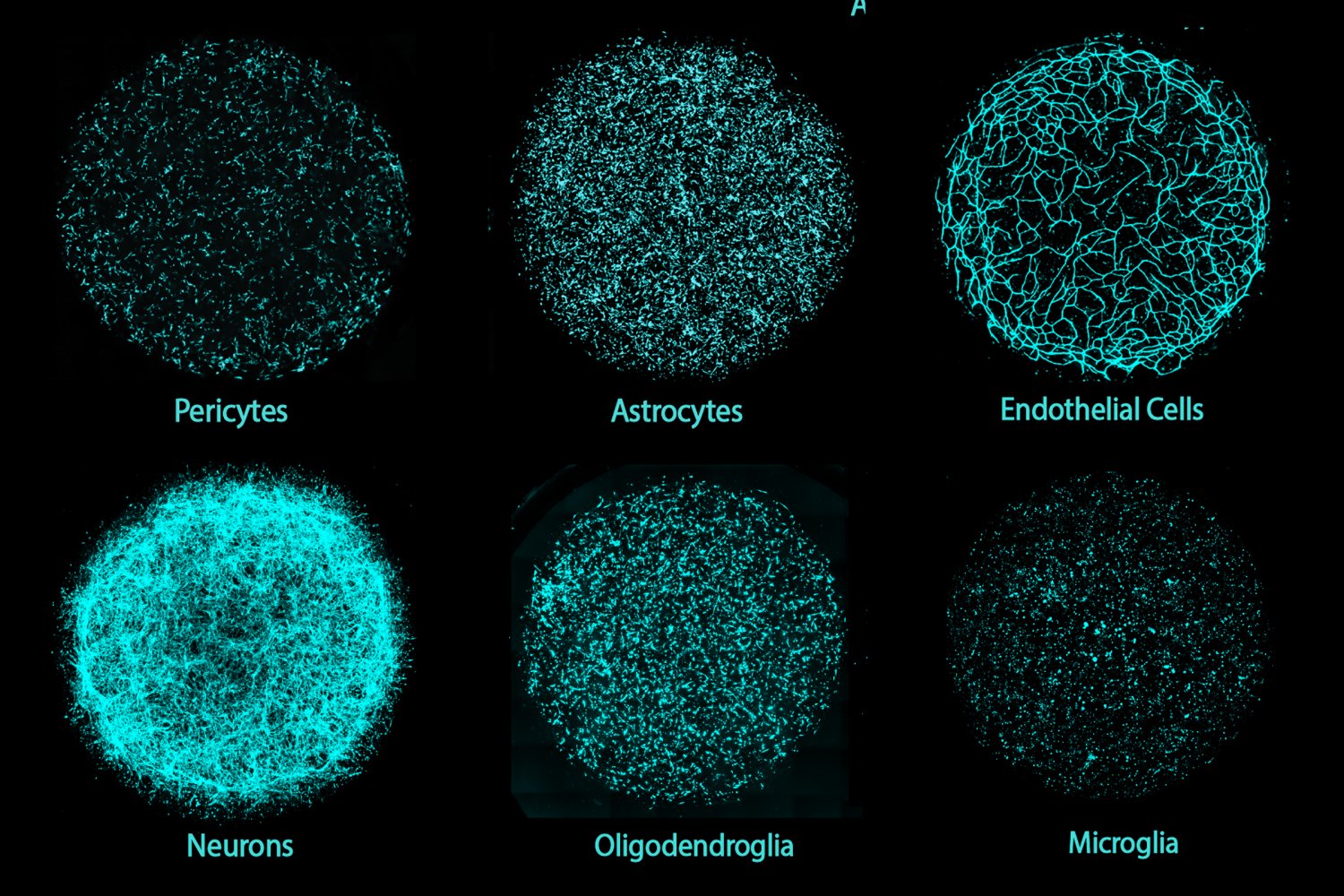
MIT researchers have developed a groundbreaking 3D human brain model called miBrains that integrates all major brain cell types, enabling more accurate disease research and drug testing, with potential for personalized medicine and Alzheimer’s disease insights.
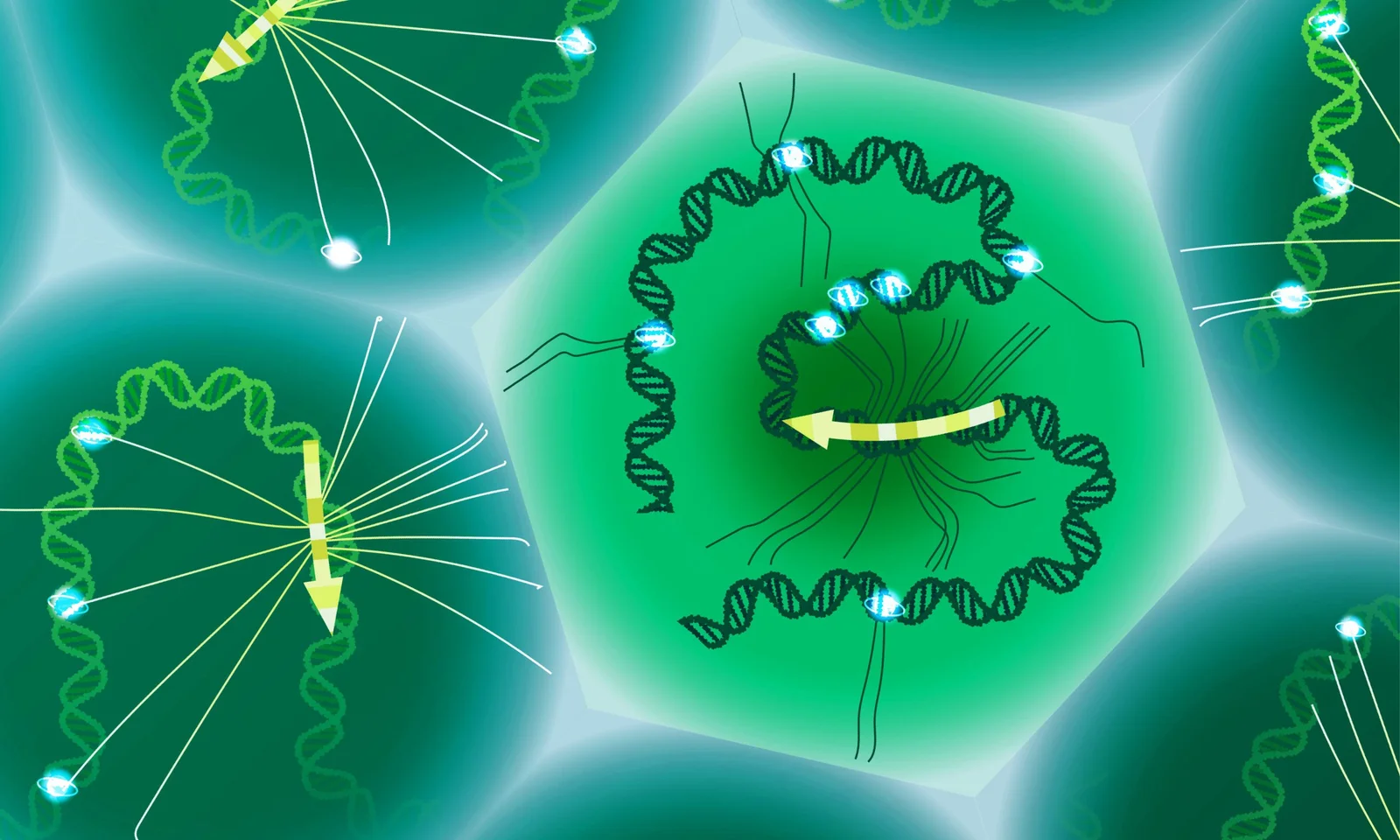
EMBL scientists developed SDR-seq, a new single-cell DNA-RNA sequencing tool that simultaneously studies both genetic variations and gene expression, especially in non-coding regions linked to diseases, enabling faster and more accurate disease connection discoveries.
Scientists have identified the bacterium Vibrio pectenicida as the cause of the devastating sea star wasting disease that has wiped out billions of sea stars along the Pacific Coast, opening new avenues for conservation and recovery efforts.
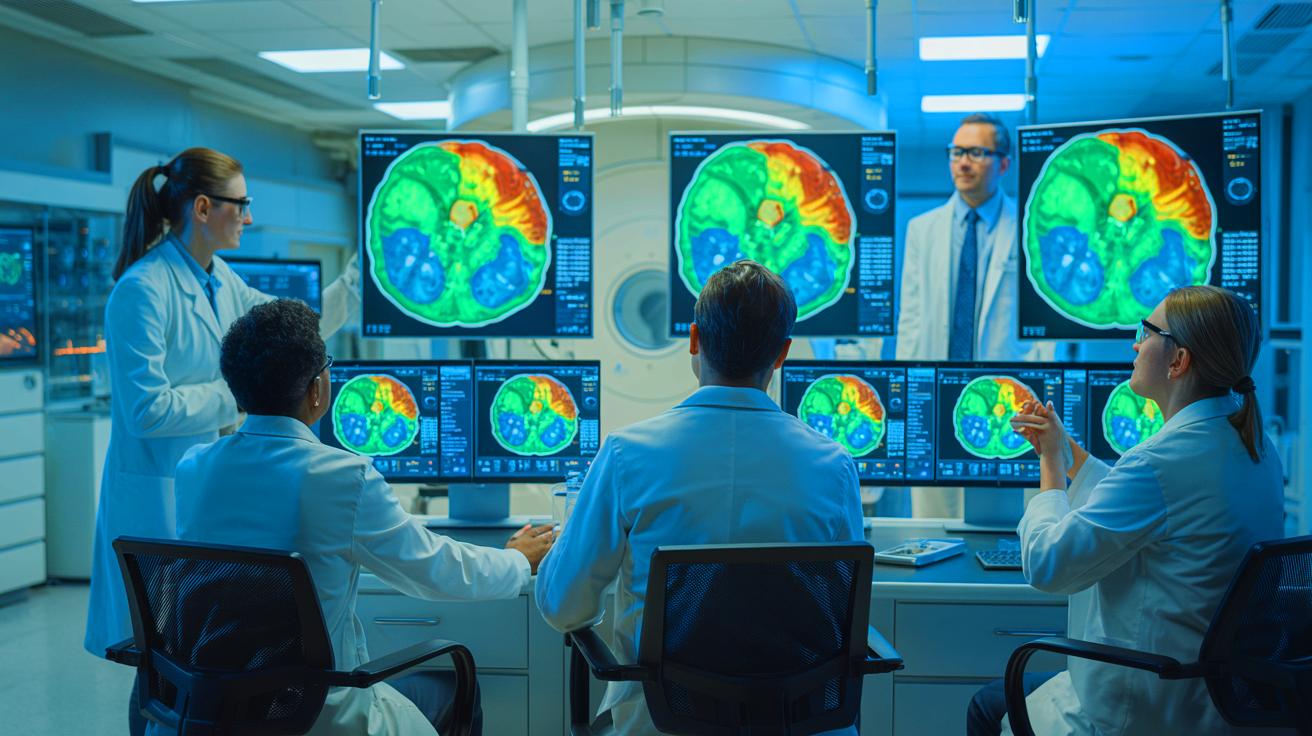
The UK Biobank completed the world's largest whole-body imaging project, scanning 100,000 volunteers over 15 years, creating an extensive dataset that is revolutionizing disease research, diagnostics, and AI development for early detection and understanding of health and aging.
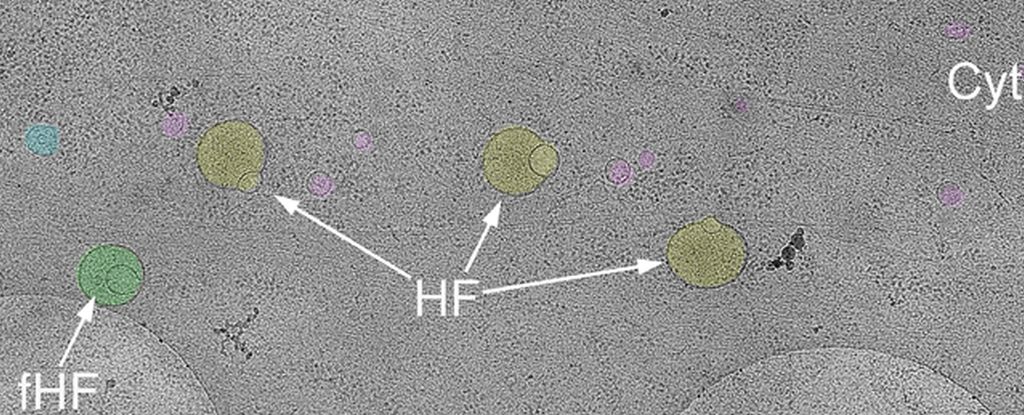
Scientists have discovered a new cellular structure called the hemifusome, which plays a key role in sorting and recycling cell contents, potentially impacting our understanding of diseases and cellular health, using advanced imaging techniques like cryoET.
Recent research highlights the importance of the oral microbiome, a diverse colony of bacteria in the mouth, in preventing diseases like cancer, Alzheimer's, and heart disease. While maintaining oral hygiene is crucial, overly aggressive cleaning might disrupt beneficial bacteria, potentially increasing disease risk. Studies suggest that a balanced oral microbiome can protect against systemic inflammatory diseases and influence gut health. Experts recommend maintaining good oral health practices, such as regular brushing and flossing, while being cautious with antibacterial mouthwashes.
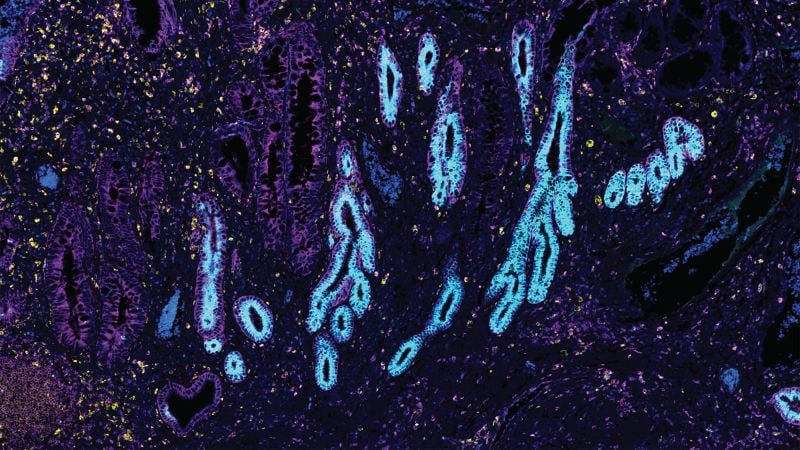
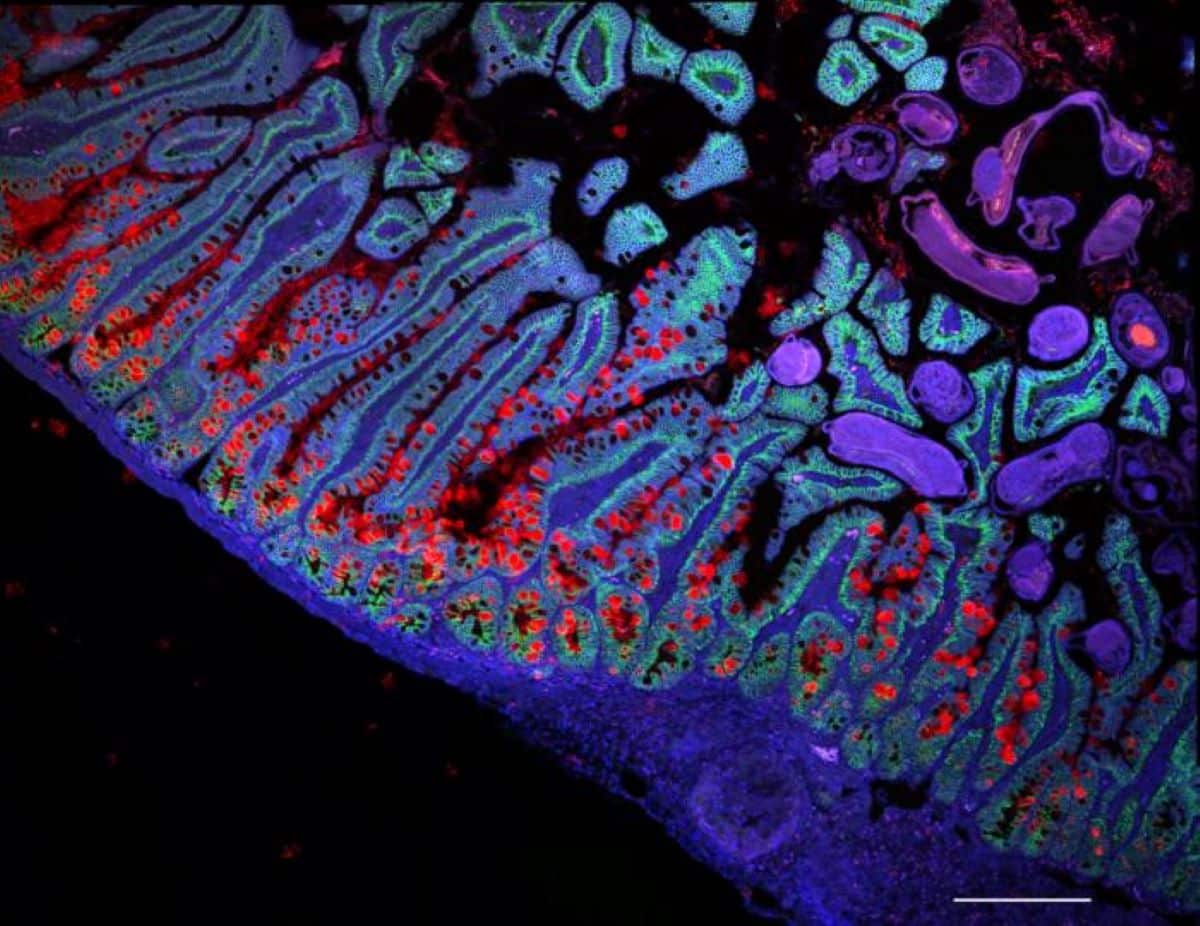
The Human Cell Atlas project, involving over 3,600 researchers from more than 100 countries, has made significant progress in mapping the human body's cells, akin to the Human Genome Project. This initiative has analyzed over 100 million cells from 10,000 people, revealing thousands of cell types and offering new insights into diseases and potential treatments. Recent findings include mapping the gut's cells, understanding the skeleton's formation, and identifying a new cell type in the respiratory tract. The project aims to complete its first draft by 2026, providing a comprehensive cellular map to enhance understanding of health and disease.
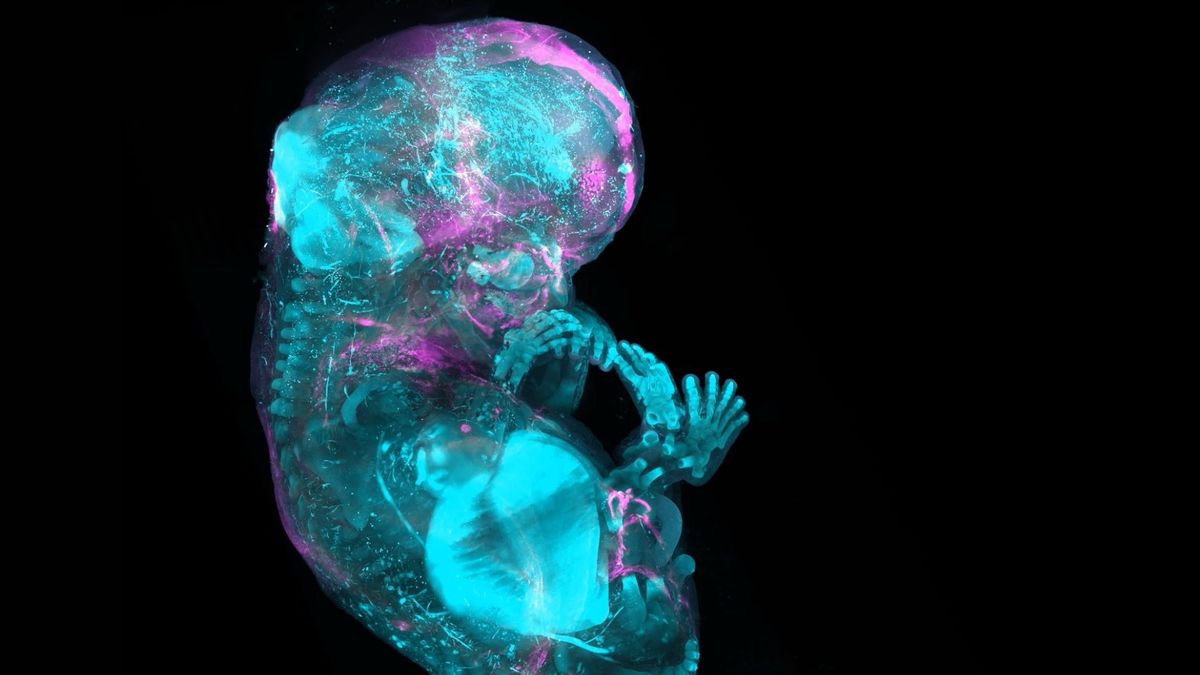
Scientists with the Human Cell Atlas project have made significant progress in mapping the 37 trillion cells in the human body, releasing over 40 papers detailing cell profiles from various organs and systems. This research aims to create a comprehensive atlas of human cells, highlighting differences across demographics and genetic backgrounds. The findings include insights into gastrointestinal diseases, early human development, and the creation of organoids, which are lab-grown mini-organs that mimic real organs. This work could lead to breakthroughs in understanding diseases and developing treatments.
The Human Cell Atlas (HCA) consortium has published over 40 studies that provide groundbreaking insights into human biology by mapping over 100 million cells from 10,000 individuals. These studies, which cover areas like brain development and COVID-19 lung responses, highlight the use of AI in understanding cellular mechanisms. The HCA aims to create a comprehensive "Google Maps" for cell biology to enhance diagnostics, drug discovery, and regenerative medicine, emphasizing diversity to ensure a globally inclusive understanding of health and disease.
Scientists have made significant progress in the Human Cell Atlas project, unveiling a blueprint of human skeletal development and mapping various cell types to better understand human health and disease. This global initiative, started in 2016, aims to create a comprehensive atlas of all human cell types. Recent findings include insights into bone growth, congenital conditions, and potential links between early bone cell genes and adult hip arthritis. The research, published in Nature, also explores the gastrointestinal tract and thymus, contributing to understanding diseases like cancer and Crohn's disease.
The Human Cell Atlas project, likened to a 'Google Maps' for cell biology, has made significant strides in understanding the role of cells in diseases such as chronic gut conditions and arthritis. By mapping 100 million cells from over 10,000 people, the project aims to create comprehensive reference maps of all human cells, enhancing insights into health and disease. This initiative, involving thousands of researchers globally, has already published over 40 papers, highlighting discoveries like a cell type linked to inflammation and insights into skeletal formation. The project emphasizes diversity in its data to ensure comprehensive health insights.
A study published in Cell reveals that variations in gut microbial load, influenced by factors like diet and antibiotics, are more significant in determining the presence of bacteria linked to diseases such as inflammatory bowel disease than the diseases themselves. Using a machine learning model, researchers found that microbial load changes, rather than direct disease causation, explain bacterial signatures in patients' microbiomes. This challenges previous assumptions and highlights microbial load as a crucial factor in gut health, with implications for future biomarker research and microbiome-targeted therapies.
The Allen Institute is embarking on a "moonshot" project to map the 86 billion neurons in the human brain, aiming to better understand brain function and potentially find cures for diseases like Alzheimer's and Parkinson's. This ambitious endeavor, likened to sequencing the genome, could provide a comprehensive reference for studying normal brain function and disease. By identifying vulnerable cell types, the research may lead to targeted therapies and a deeper understanding of brain diseases, ultimately contributing to humanity's quest to comprehend the complexities of the brain.
The winners of the 2023 Nikon Small World Photomicrography Competition have been announced, showcasing awe-inspiring and beautiful images of the hidden world revealed through microscopic magnification. The top award went to a microscopic image of a rodent optic nerve head, which could aid in the early detection and reversal of diabetic retinopathy. Other winning images include the ignition of a match and a deceptively lovely photo of breast cancer cells. The competition received 1,900 submissions from 72 countries, highlighting the intricate details of nature, cells, minerals, and more.
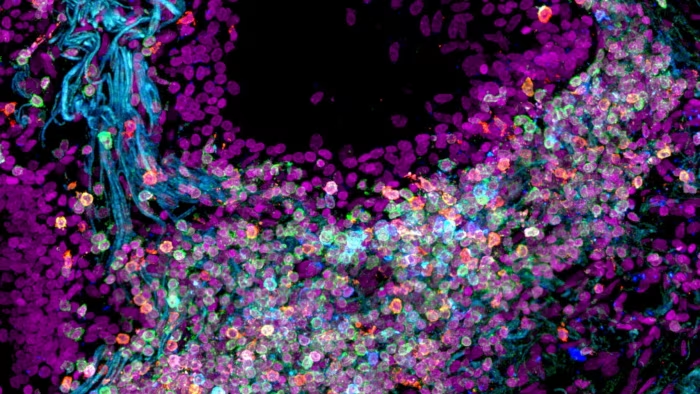
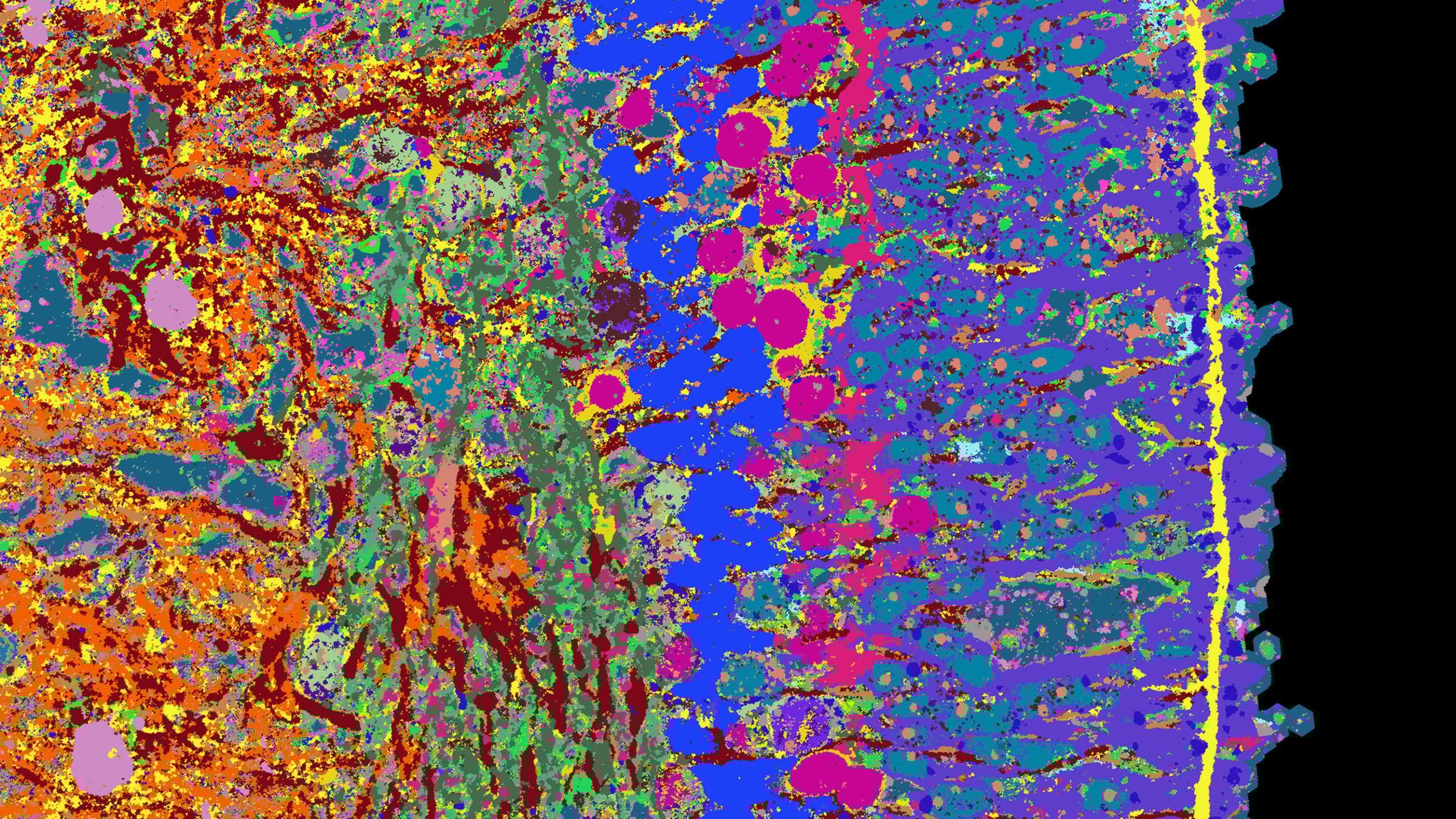
Researchers are developing a specialized atlas to unravel the mysteries of human tissue, including the types of cells, gene activity, and protein identification within various tissues. The atlas will focus on both human tissues and organoids, three-dimensional tissue aggregates grown in the lab. Using a new imaging technique called 4i technology, researchers visualized 53 different proteins in retinal organoids, providing insights into retinal development. The researchers plan to expand their mapping approach to other tissue types, such as the human brain and tumor tissues, to create a comprehensive atlas that sheds light on organoid and tissue development and aids in disease research.