A UK Biobank study found that certain food additives, including flavors, colorings, sweeteners, and sugars, are associated with increased mortality risk, while gelling agents may offer protective effects, highlighting the varying health impacts of ultra-processed food components.
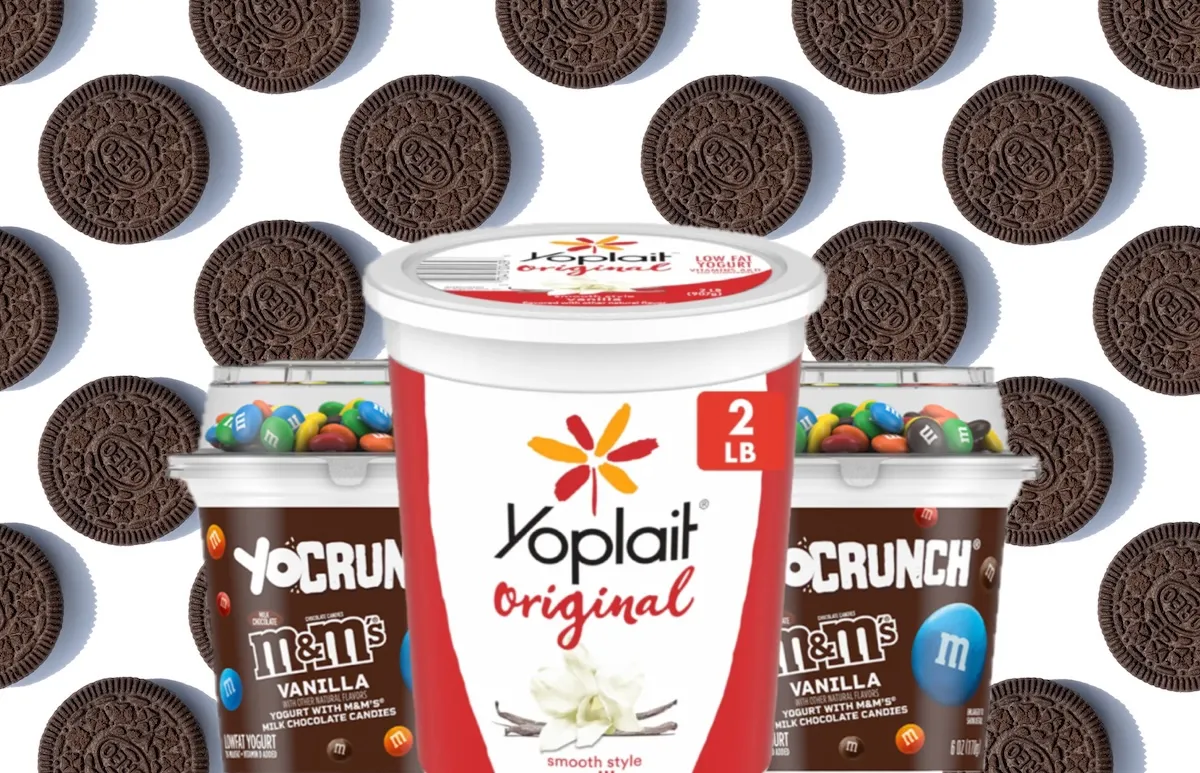
Many popular yogurts contain high levels of sugar and additives, turning a healthy food into a potential health risk, especially for children and those watching their sugar intake.
A study by Florida Atlantic University's physicians highlights the health risks associated with ultra-processed foods, linking their consumption to an increase in non-communicable diseases. The study calls for healthcare professionals to promote whole foods consumption and for public health initiatives to address the accessibility and affordability of healthier food options. Ultra-processed foods, containing numerous additives, are found in a significant portion of the average American diet and are associated with obesity, diabetes, and heart disease. The authors emphasize the need for healthcare providers to discuss the benefits of increasing whole foods consumption and reducing ultra-processed foods intake with their patients, while also calling for broader public health responses to address the challenges of affordability and availability of healthier options.
A commentary by physicians from Florida Atlantic University’s Schmidt College of Medicine suggests that the unprecedented consumption of ultra-processed foods in the standard American diet may be a new "silent" killer, contributing to rising rates of non-communicable diseases. These foods, containing numerous additives and novel ingredients, are linked to obesity, diabetes, heart disease, and gastrointestinal diseases. The authors urge health care providers to discuss the benefits of increasing consumption of whole foods and reducing consumption of ultra-processed foods with their patients, while also highlighting the need for broader public health responses to promote healthier options and discourage the consumption of ultra-processed foods.
Sausage brands with low-quality ingredients can pose health risks due to additives, high sodium, added sugars, and mechanically separated meats. Examples include Johnsonville, Instacart, Hillshire Farms, Eckrich, and Bob Evans. These brands contain ingredients like corn syrup, artificial preservatives, mechanically separated meats, and high levels of sodium. Consuming sausages with low-quality ingredients may increase the risk of heart disease and colon cancer. It is recommended to choose sausages with higher quality ingredients to minimize health risks.
Ultra-processed food (UPF), characterized by a cocktail of additives and preservatives, poses health risks such as obesity and negative effects on the gut microbiome. UPF, which is often calorie-rich but nutrient-poor, contributes to overconsumption due to its palatability and soft texture. The affordability and availability of UPF also displace healthier alternatives, particularly for lower-income individuals. The harmful effects of UPF are not always clear, as additives that may be safe in isolation can be harmful in combination or when consumed regularly. While considering the impact of UPF is essential, the article notes that the author's case for clean food is sometimes accompanied by anti-capitalist sentiments.
Flavored waters may contain caffeine, even if not explicitly mentioned on the label. Words like boost, energize, or power, as well as flavors like green tea or coffee infusion, are indicators of caffeine content. Caffeine can have a diuretic effect and consuming large amounts of flavored water with added caffeine may be counterintuitive for hydration. It's important to read the label for other additives like sugar, artificial sweeteners, citric acid, and food dyes. Flavored water with caffeine should be a conscious consumer choice, and reading the label helps in making informed decisions.
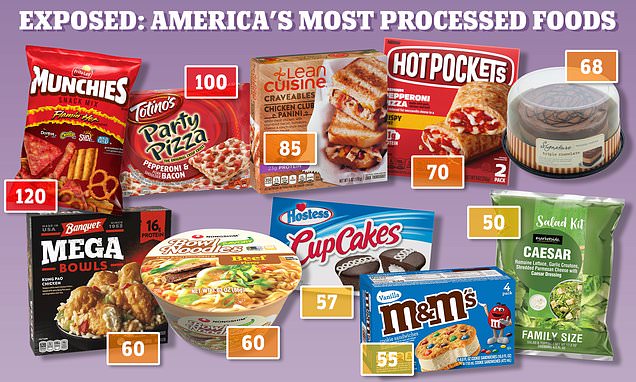
Many popular processed foods, including chips, snack mixes, frozen pizza, and microwave meals, contain up to 120 hard-to-pronounce ingredients, including preservatives and added flavors. Studies show that consuming too much ultra-processed food can increase the risk of chronic health conditions such as heart disease, dementia, and cancer. Experts recommend aiming to eat foods with no more than five ingredients to lower these risks.