Tag

Cognition

All articles tagged with #cognition

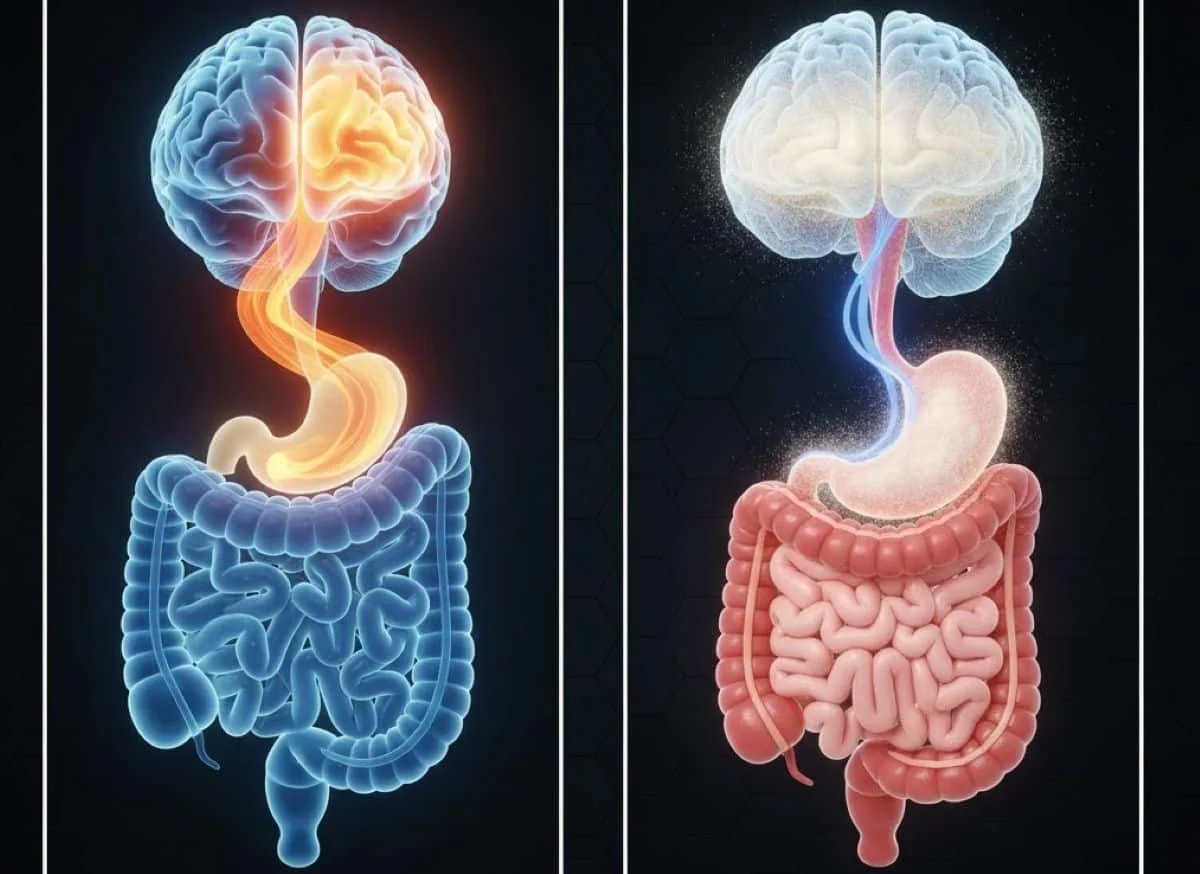
Probiotic delivery matters: capsules boost memory, powder supports mood in older adults
science10 days ago

Probiotic delivery matters: capsules boost memory, powder supports mood in older adults

A randomized trial in adults aged 60–80 shows that how probiotics are prepared alters their brain effects: encapsulated bacteria survive digestion longer and enhance memory, attention, and orientation, while non-encapsulated powder more strongly improves mood and reduces anxiety/depression. MRI-based brain connectivity differences between the two forms suggest the delivery method can personalize brain health strategies for aging, targeting cognition or emotional well-being.
Moderate cannabis use linked to preserved brain health in older adults
neuroscience11 days ago

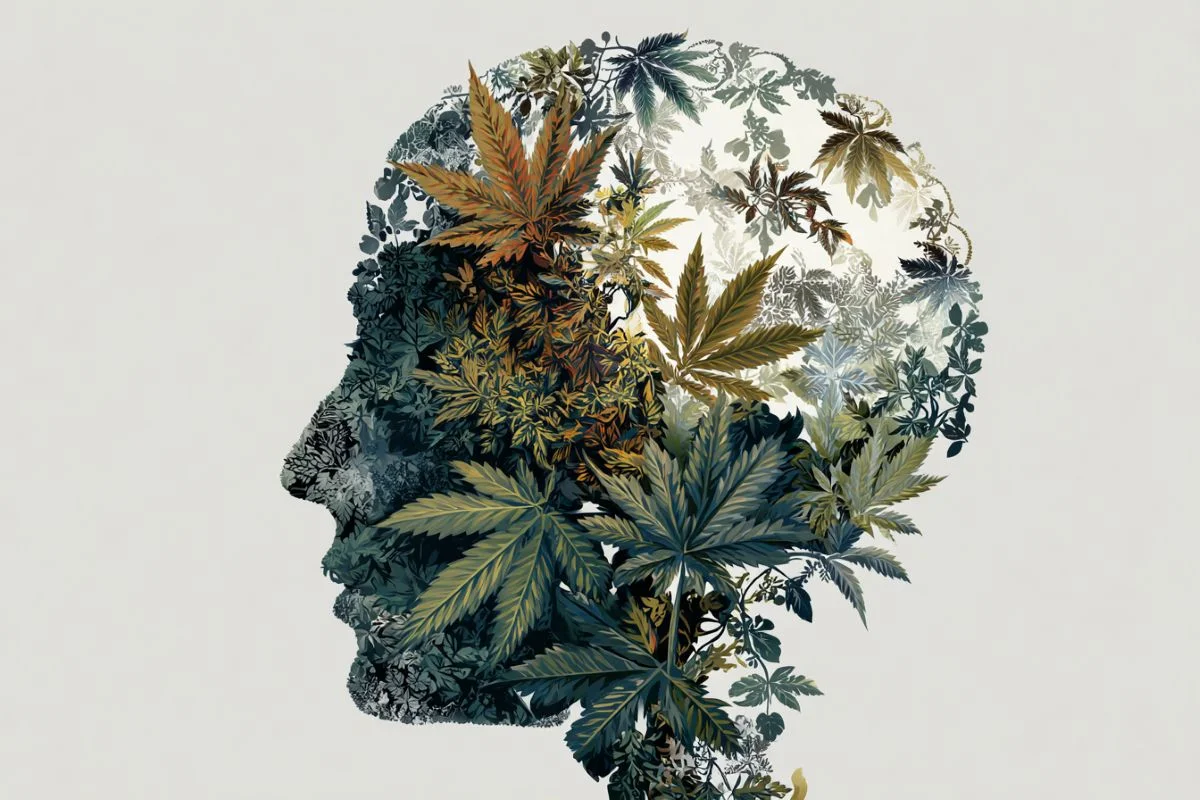
Moderate cannabis use linked to preserved brain health in older adults

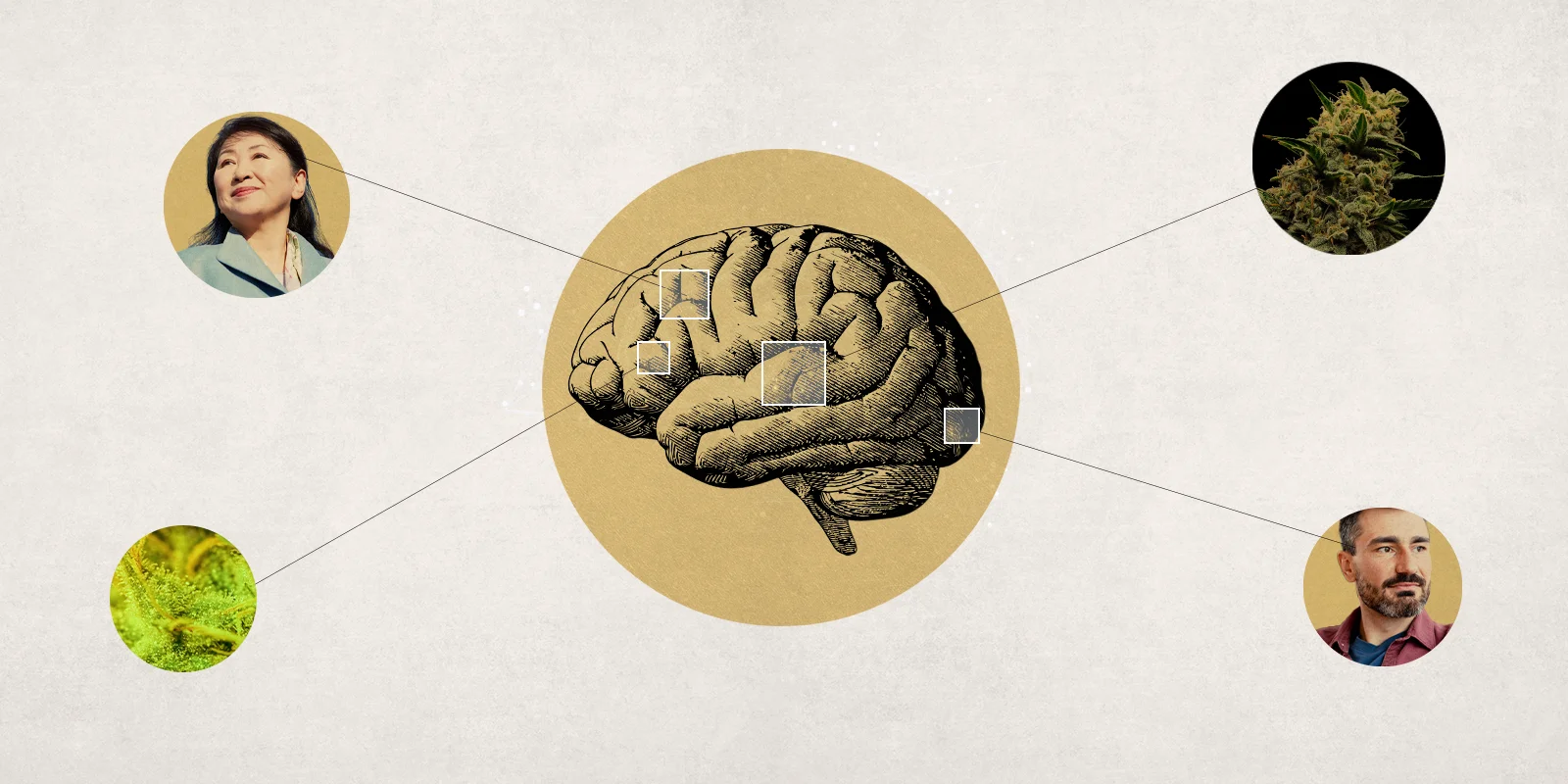
A UK Biobank study of 26,000+ adults aged 40–77 found lifetime cannabis use generally associates with larger volumes in CB1-rich brain regions (notably the hippocampus) and better cognitive performance, with the strongest benefits in moderate users; however, some regions showed different effects (posterior cingulate volume lower), and researchers caution that potency, usage patterns, and aging context matter, so this is not a clinical recommendation.

Moderate cannabis use may improve decision-making in bipolar disorder, study finds
mental-health11 days ago

Moderate cannabis use may improve decision-making in bipolar disorder, study finds

A cross-sectional study of 87 participants, including healthy controls and individuals with bipolar disorder, found that bipolar patients who used cannabis moderately (about 4–24 times per week) showed better decision-making and functional skills—comparable to healthy non-users—whereas bipolar non-users tended to have deficits. In healthy adults, cannabis use impaired decision-making. Heavy use (25+ times/week) was linked to worse performance. The authors caution that the study shows association, not causation, and call for larger randomized trials to explore potential mechanisms (dopamine-related) and the balance of risks and benefits before clinical recommendations.

Bonobo Demonstrates Imaginary Thinking, Blurring Lines Between Ape and Human Minds
science11 days ago

Bonobo Demonstrates Imaginary Thinking, Blurring Lines Between Ape and Human Minds

Johns Hopkins researchers conducted three tea-party–style experiments with Kanzi the bonobo to test pretend play. In the tasks, he identified pretend juice and grapes in imaginary scenarios, often selecting the cup or jar corresponding to the pretend object; he also favored real juice when both were present. The results, consistently above chance, show that an ape can imagine objects that aren’t present, challenging the idea that imagination is uniquely human and suggesting deep evolutionary roots that may extend to a common ancestor 6–9 million years ago.

Moderate caffeine linked to lower dementia risk in large study
health18 days ago

Moderate caffeine linked to lower dementia risk in large study

A large study of 131,821 participants from the Nurses’ Health Study and the Health Professionals Follow-Up Study found that consuming two to three cups of caffeinated coffee daily or one to two cups of caffeinated tea is associated with an ~18% lower risk of dementia and slower cognitive decline, with no similar benefit seen from decaf coffee. The researchers caution that the study shows association, not causation, and lifestyle factors could contribute. Benefits plateau at the noted intake levels, and further work is needed to understand metabolism and timing, while caffeine and polyphenols in coffee/tea are thought to contribute to cognitive health.

Lifetime cannabis use linked to younger-looking brains in a 25k-participant study
science18 days ago

Lifetime cannabis use linked to younger-looking brains in a 25k-participant study

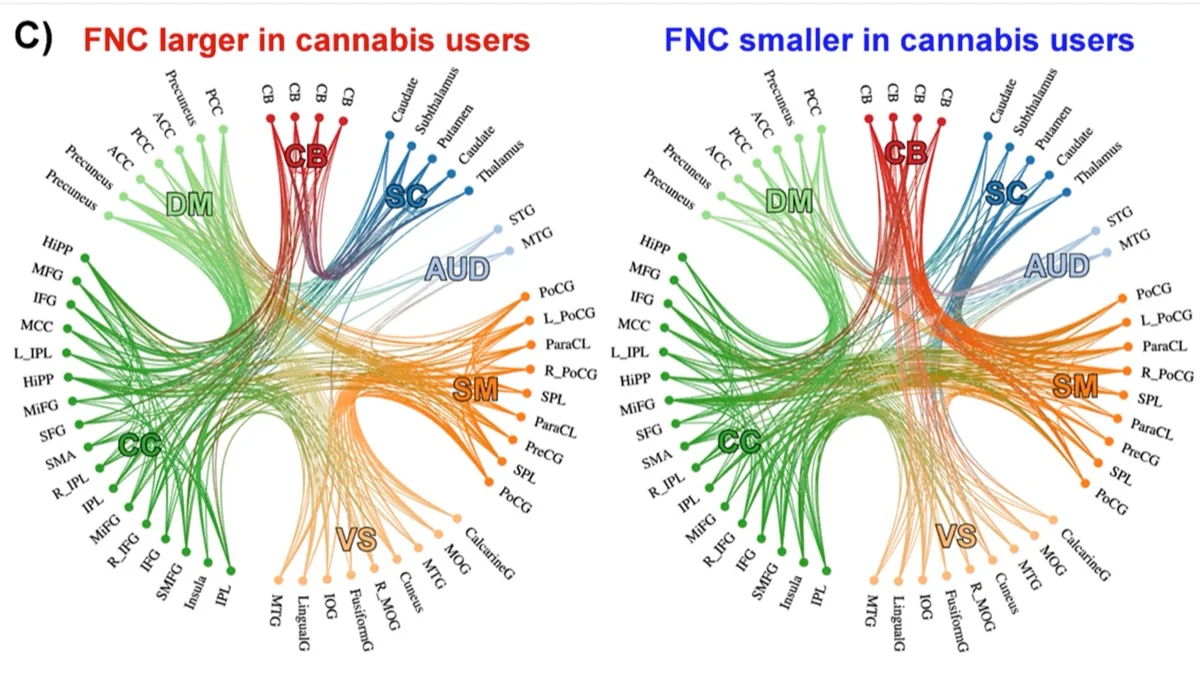
A large UK Biobank imaging study of over 25,000 participants aged 44–81 found that lifetime cannabis users have brain connectivity patterns that resemble younger brains and outperformed non-users on several cognitive tests, with aging-related networks showing opposite changes; however, being cross-sectional and based on lifetime use, the study cannot establish causation and the effects are modest.

Bonobo's imaginary tea party hints apes may imagine beyond the present
science21 days ago

Bonobo's imaginary tea party hints apes may imagine beyond the present

In a Science-published study, Kanzi the bonobo was tested with an imaginary juice party and other pretend tasks to see if apes can imagine nonreal events. He chose the pretend-juice cup 68% of the time and real juice about 80% of the time, with a similar pattern for fake grapes, suggesting a basic capacity for imagined scenarios that may extend beyond humans but not necessarily equate to human-style pretence; some researchers urge caution and call for more evidence. Kanzi died last year at 44.

Moderate cannabis use linked to larger brain regions and better cognition in middle-aged and older adults
health22 days ago

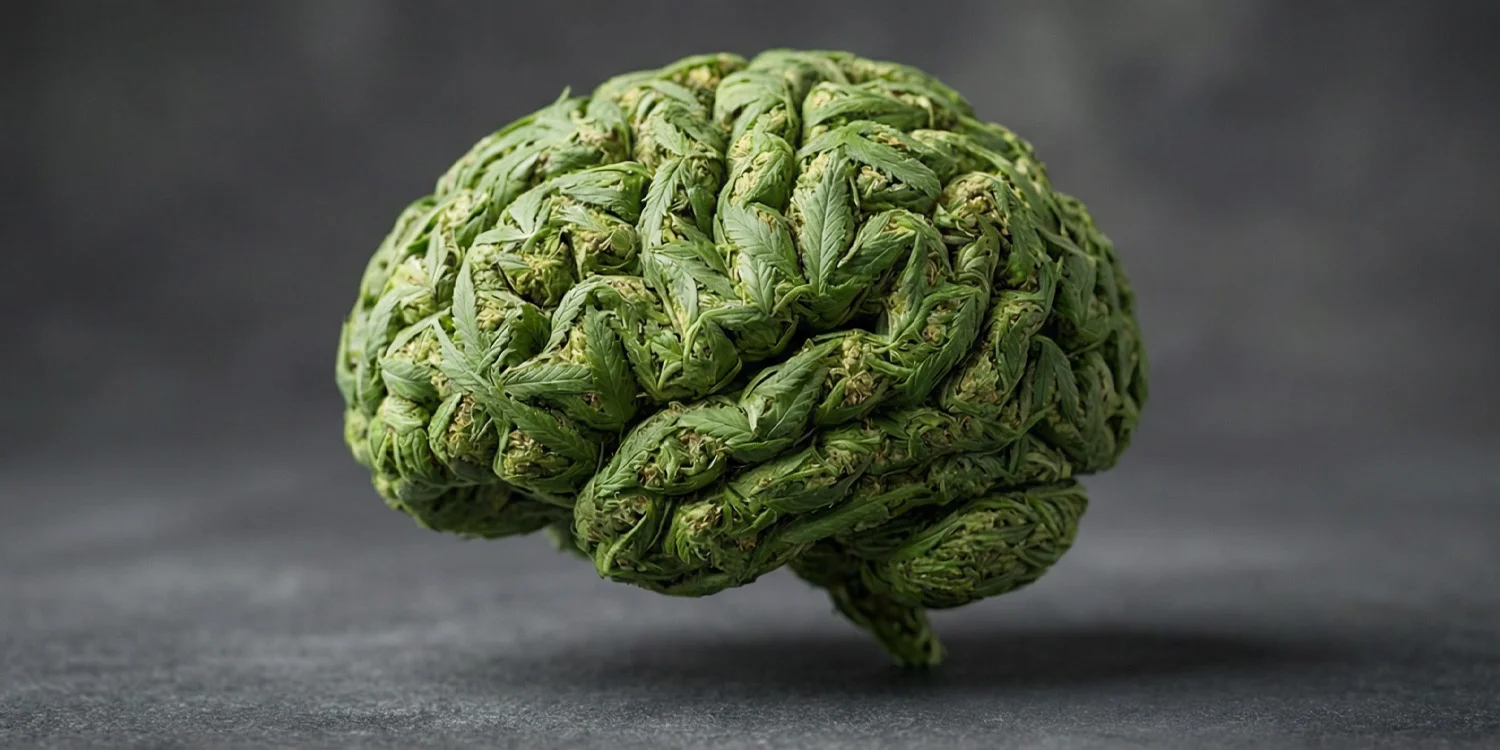
Moderate cannabis use linked to larger brain regions and better cognition in middle-aged and older adults

A UK Biobank analysis of 26,362 adults aged 40–77 finds that greater lifetime cannabis use is generally associated with larger regional brain volumes and better cognitive performance, especially with moderate use; some measures peak at high use, but one region (posterior cingulate) shows lower volume with more use, and sex differences appear but are not consistent. The study emphasizes nuance, cautions against causal conclusions, and notes context (patterns, products, timing) matters, with future work on brain connectivity and other substances like psilocybin.

A Month of Creatine: More Reps, Clearer Focus, and the Hydration Myth Debunked
vitamins-and-supplements27 days ago

A Month of Creatine: More Reps, Clearer Focus, and the Hydration Myth Debunked

Over 30 days, taking 4g of creatine daily reportedly boosted training capacity (HYROX prep and heavy kettlebell work) and left the author feeling mentally sharper, even with limited sleep, while debunking the dehydration myth. The article cites evidence that creatine increases phosphocreatine stores by about 20–40%, extending ATP energy and potentially adding 1–2 reps per set. Benefits may include cognitive support, especially for vegetarians and older adults. Hydration should be maintained with extra fluids, and sleep remains essential; creatine serves as a helpful, not magical, boost to performance and brain energy.

Gut fuel for sharper thinking: how fibre protects the brain
health1 month ago

Gut fuel for sharper thinking: how fibre protects the brain

A BBC health feature explains that dietary fibre boosts gut bacteria and their production of butyrate, which supports brain health and may reduce dementia risk. Reaching about 25–30g of fibre daily from wholegrains, fruits, pulses, nuts and seeds is associated with lower mortality and better cognitive outcomes, though some studies show correlations rather than proven causation. Practical tips include swapping white for wholegrain foods, adding legumes and vegetables to meals, snacking on nuts and seeds, and considering supplements if needed; fibre remains a key, often under-consumed, nutrient with potential brain benefits.

Hearing Aids Tied to Lower Dementia Risk Despite Limited Cognitive Gains
health1 month ago

Hearing Aids Tied to Lower Dementia Risk Despite Limited Cognitive Gains

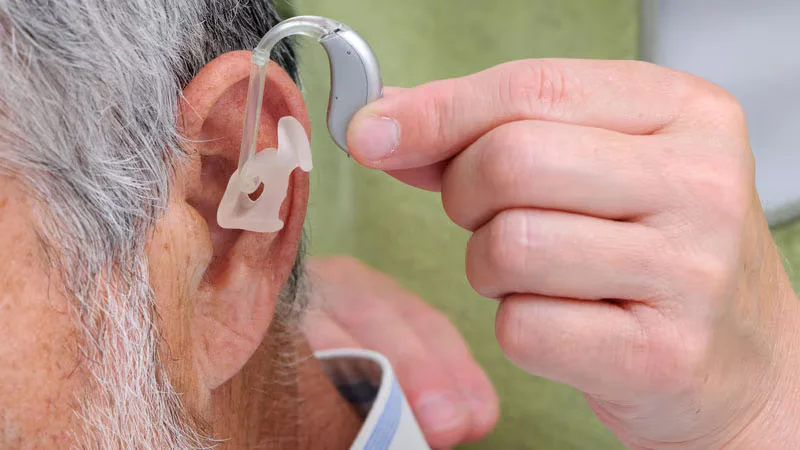
In a 7-year analysis of 2,777 Australians aged 70+ with moderate hearing loss, prescription of hearing aids did not meaningfully improve overall cognition scores, yet those with prescriptions had a lower risk of dementia (about 5% vs 7.5%) and cognitive impairment (roughly 36% vs 42%), with greater use linked to larger risk reductions. The authors caution that residual confounding could explain the results and call for longer-term randomized studies to clarify potential brain-health benefits of hearing aid use.

Is Your Smartphone a Brain Extension? The Dilemma of Going Dumb
technology1 month ago

Is Your Smartphone a Brain Extension? The Dilemma of Going Dumb

WIRED writer Elana Klein explores the idea that smartphones have become a cognitive extension of our brains, detailing how some Gen Z peers opt for dumbphones to regain attention and privacy while acknowledging the social and practical costs. Klein herself struggles with the fear of disorientation and loss of social fluency if she ditched the device, arguing that going “dumb” challenges not just habits but the very way we think and remember, given that our external tech increasingly acts as part of our mind.

Large Review Finds Menopause Hormone Therapy Does Not Alter Dementia Risk
health1 month ago

Large Review Finds Menopause Hormone Therapy Does Not Alter Dementia Risk

A WHO-commissioned meta-analysis of data on more than a million women finds no strong evidence that menopause hormone therapy (MHT/HRT) increases or decreases dementia risk. Most studies are observational with inconsistent, low-certainty results; one randomized trial suggested a possible risk with estrogen-only MHT after age 65, but certainty is low. The findings align with the 2024 Lancet Commission and FDA reassessment, and researchers call for more high-quality studies—especially in premature menopause—to clarify MHT’s role in cognitive health.