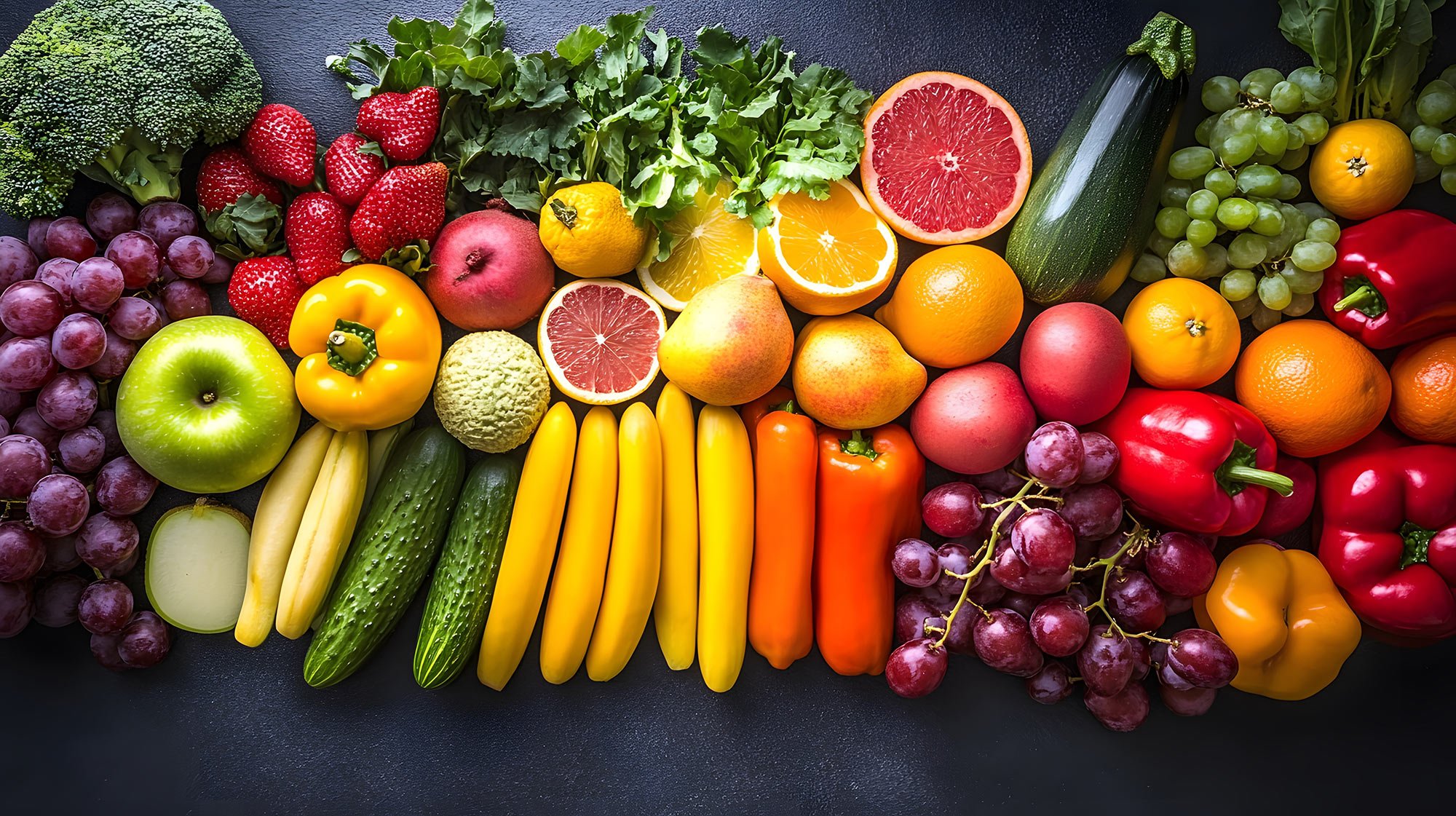
U.S. Secretaries of Agriculture and Health and Human Services announced new Dietary Guidelines for Americans 2025-2030, emphasizing the importance of eating real foods like protein, dairy, vegetables, and fruits, while reducing processed foods to combat chronic diseases and improve national health.
The article discusses the widespread focus on inflammation as a cause of many health issues and the push to reduce it, highlighting that the reality is more complex and inflammation is often overgeneralized as the root of all ailments.
Recent studies suggest that moderate coffee consumption (3-4 cups daily) may promote longevity, reduce the risk of chronic diseases, and support healthy aging by protecting cellular health and potentially extending lifespan, especially in women and individuals with psychiatric disorders.
The article discusses the challenges and potential impacts of Kennedy's MAHA initiative in 2026, focusing on issues like drug pricing for GLP-1 medications, dietary guideline reforms, and rural health programs, highlighting both opportunities and concerns for public health improvements.
The World Health Organization has issued new guidelines recommending GLP-1 drugs for long-term obesity treatment in adults, emphasizing their role as a scientific breakthrough and a new chapter in understanding obesity as a treatable chronic disease, while highlighting the need for equitable access and comprehensive care.
Dr. Frank Dumont emphasizes that simple dietary swaps, such as choosing whole fruits over fruit juice and opting for grilled chicken instead of fried, can significantly reduce the risk of chronic diseases by improving metabolic health and inflammation. He advocates for personalized nutrition and lifestyle changes over medication alone, highlighting the power of informed dietary choices in disease prevention.
The President emphasizes the importance of addressing the rising rates of diabetes and obesity, especially among children, during National Diabetes Month, highlighting efforts to improve research, innovation, and access to affordable medication, with a call for Americans to take charge of their health.
A study finds that increasing happiness levels above a certain threshold (2.7 on a 10-point scale) is associated with a significant reduction in premature deaths from chronic diseases globally, suggesting happiness as a potential public health resource.
Cambridge researchers have developed a pH-sensitive gel that can detect inflammation in joints and release anti-inflammatory drugs precisely where needed, potentially revolutionizing arthritis treatment by reducing side effects and improving efficacy, though clinical trials are still required.
Research shows that while the traditional five-a-day fruit and vegetable guideline was a practical public health target, consuming around ten portions daily offers significantly greater health benefits, including reduced risks of chronic diseases and early death. Experts suggest aiming higher than five portions, with diverse and colorful diets, to maximize health outcomes.
A study links the Mediterranean diet, rich in plant-based foods and healthy fats, to reduced gum disease and inflammation, which are associated with lower risks of chronic diseases like cardiovascular issues, diabetes, and dementia. The research emphasizes the importance of a true Mediterranean diet and good oral hygiene for overall health.
A study links adherence to the Mediterranean diet with reduced gum disease and inflammation, which are connected to lower risks of chronic diseases like cardiovascular issues, diabetes, and dementia. The diet emphasizes plant-based foods, healthy fats like olive oil, and limited red meat, promoting overall health and reducing inflammatory markers.
A study shows that following a true Mediterranean diet, which emphasizes plant-based foods and healthy fats like olive oil, reduces the risk of gum disease and systemic inflammation, thereby potentially lowering the risk of chronic diseases such as cardiovascular issues, diabetes, and dementia. The diet's focus on vegetables, fruits, whole grains, and healthy fats, along with social and lifestyle factors, contributes to better overall health and oral health.
A study published in The Lancet shows that from 2010 to 2019, the risk of dying from non-communicable diseases like heart disease, cancer, and diabetes decreased in most countries, driven by better treatments, vaccines, and policies restricting tobacco and alcohol, although progress has slowed in recent years.
The US government, led by Health Secretary Robert F. Kennedy Jr., released a broad strategy with 128 recommendations to combat childhood chronic diseases, focusing on diet, physical activity, chemical exposure, and vaccine policies, but faces criticism for lacking concrete action plans and conflicting with other administration policies that may undermine public health efforts.