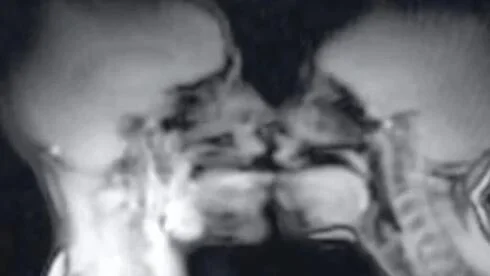
In 1991, a groundbreaking experiment used MRI technology to observe sexual intercourse in real time, challenging long-held assumptions about human anatomy and revealing new insights into the body's functioning during intimacy, with lasting influence on medical understanding and public curiosity.
In 1991, a couple had sex inside an MRI machine to study body responses, leading to important insights about vaginal shape and challenging long-held beliefs, and their images became influential in medical research.
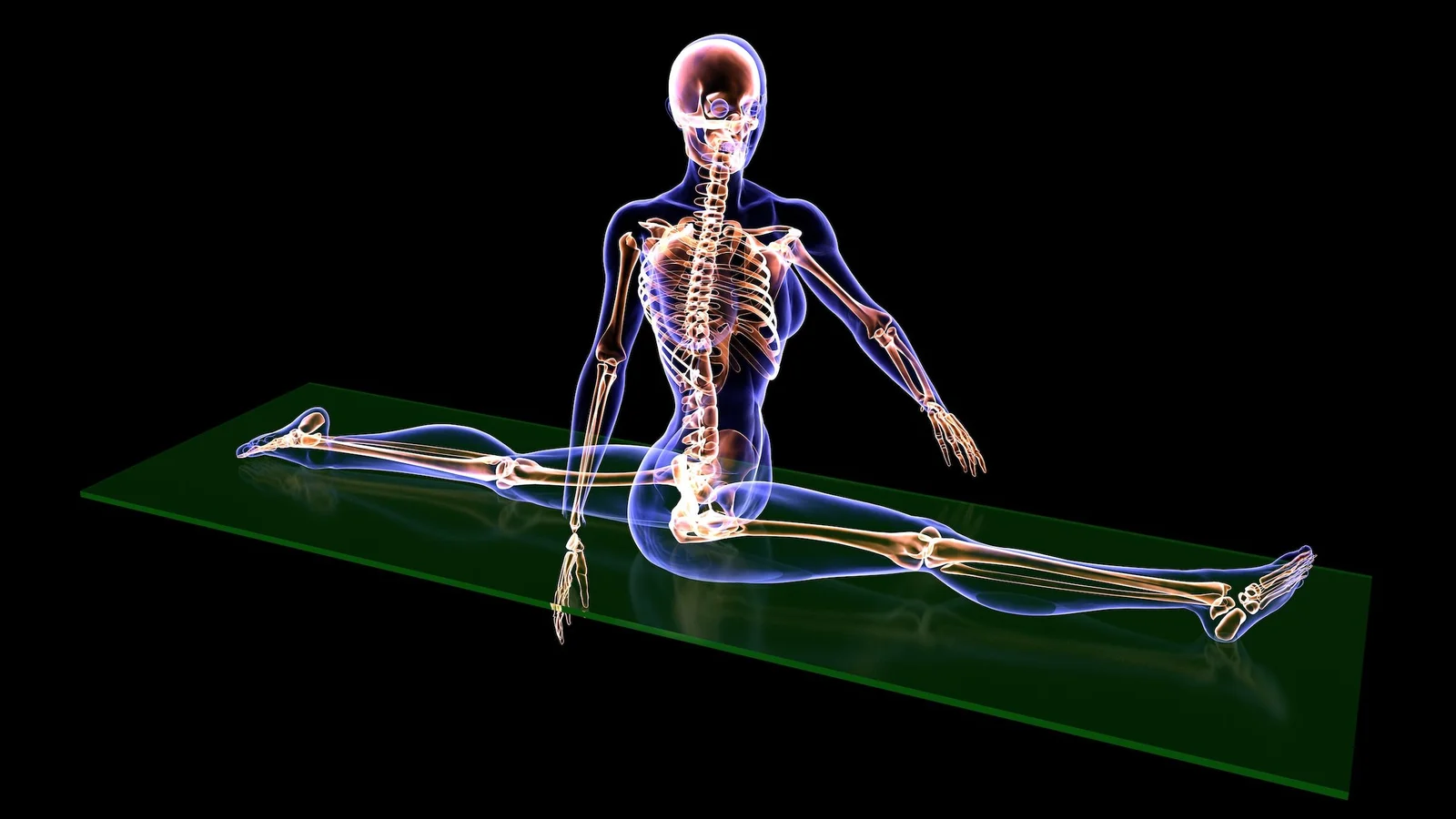
Most adults have 206 bones, but accessory bones are common and often go unnoticed, occurring in roughly 10-30% of the population, especially in the foot and ankle, with some rare bones found in the hip and neck. These extra bones usually cause no symptoms and are often discovered incidentally during X-rays.
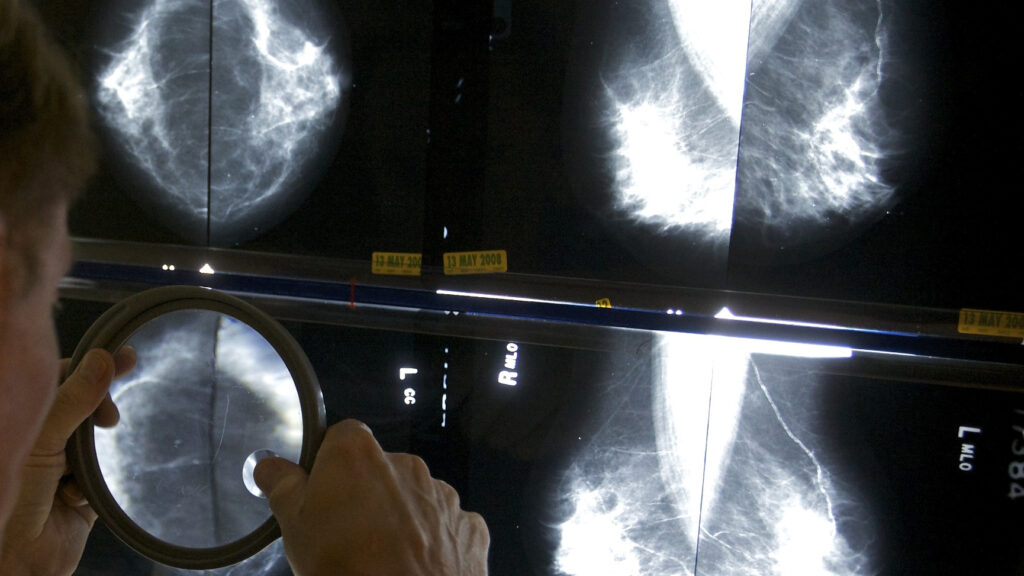
AI is increasingly being integrated into mammograms, initially as an add-on for detecting suspicious spots, but by 2026, it is expected to evolve into a multitool capable of predicting risks for breast cancer and cardiovascular disease, transforming preventive healthcare.
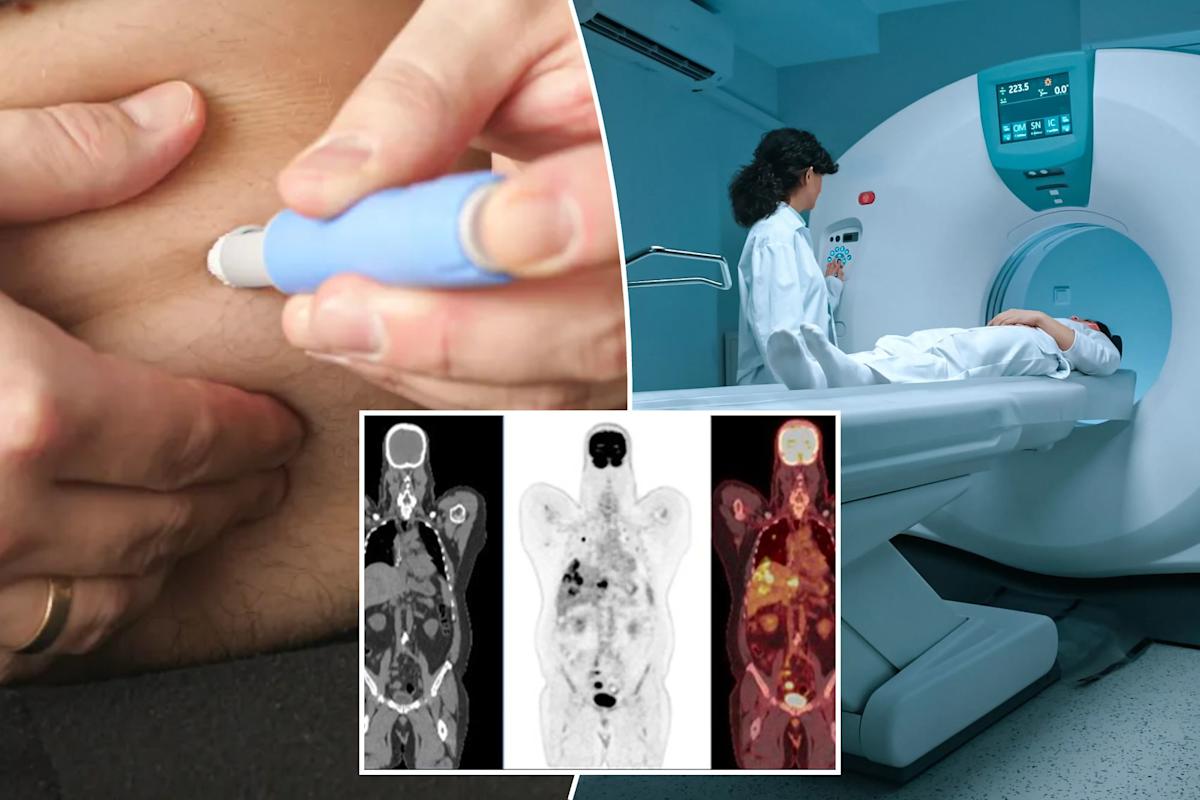
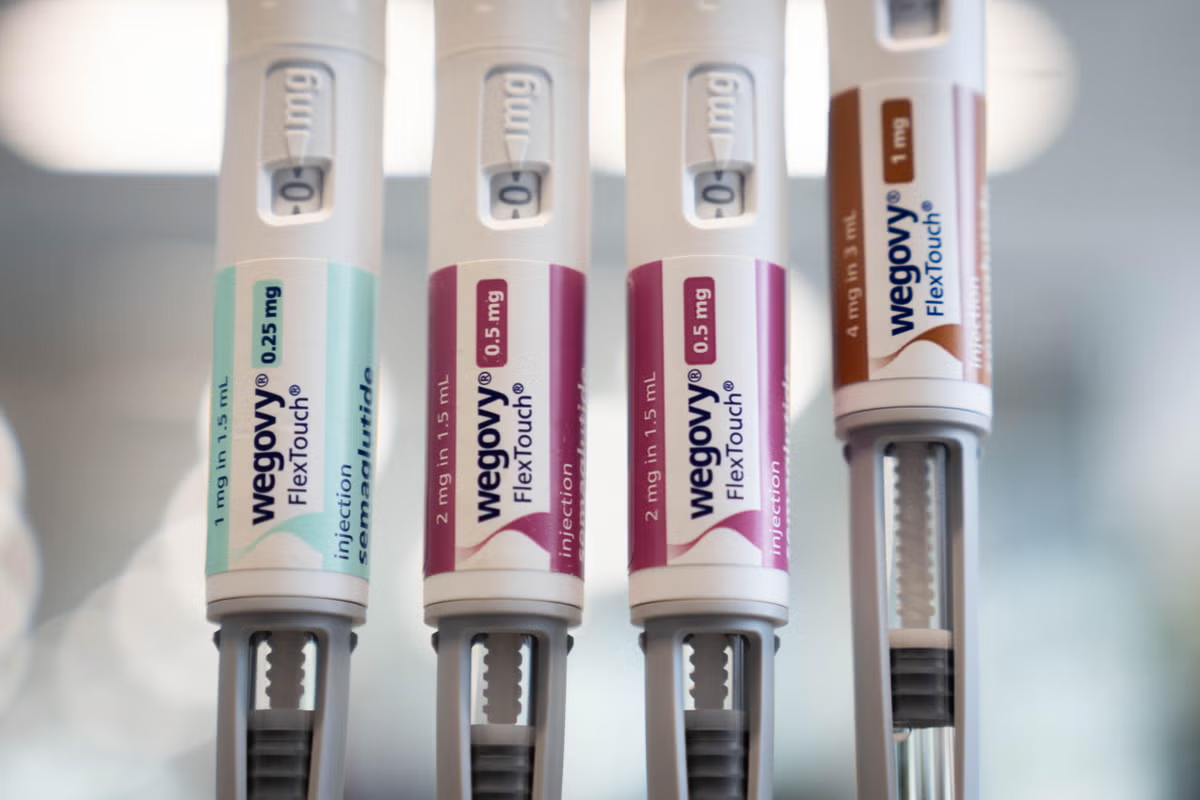
New research indicates that GLP-1 weight-loss drugs like Ozempic may interfere with PET-CT scans by causing unusual FDG uptake patterns, potentially leading to misdiagnoses, unnecessary tests, or delayed treatment. Experts recommend documenting medication use during scans and developing guidelines to address this emerging issue.
An 'unusual' side effect of weight-loss drugs like Ozempic and Mounjaro is emerging, where these medications may interfere with PET-CT scans by causing abnormal FDG uptake patterns, potentially leading to misdiagnoses or unnecessary procedures. Experts recommend careful documentation of medication history to prevent diagnostic errors, as current guidelines do not address this issue.
Research indicates that GLP-1 weight-loss drugs like Ozempic and Wegovy may interfere with PET-CT scans, causing abnormal FDG uptake patterns that could lead to misdiagnosis, unnecessary tests, and treatment delays. Medical professionals are advised to carefully document patients' medication histories to avoid errors.
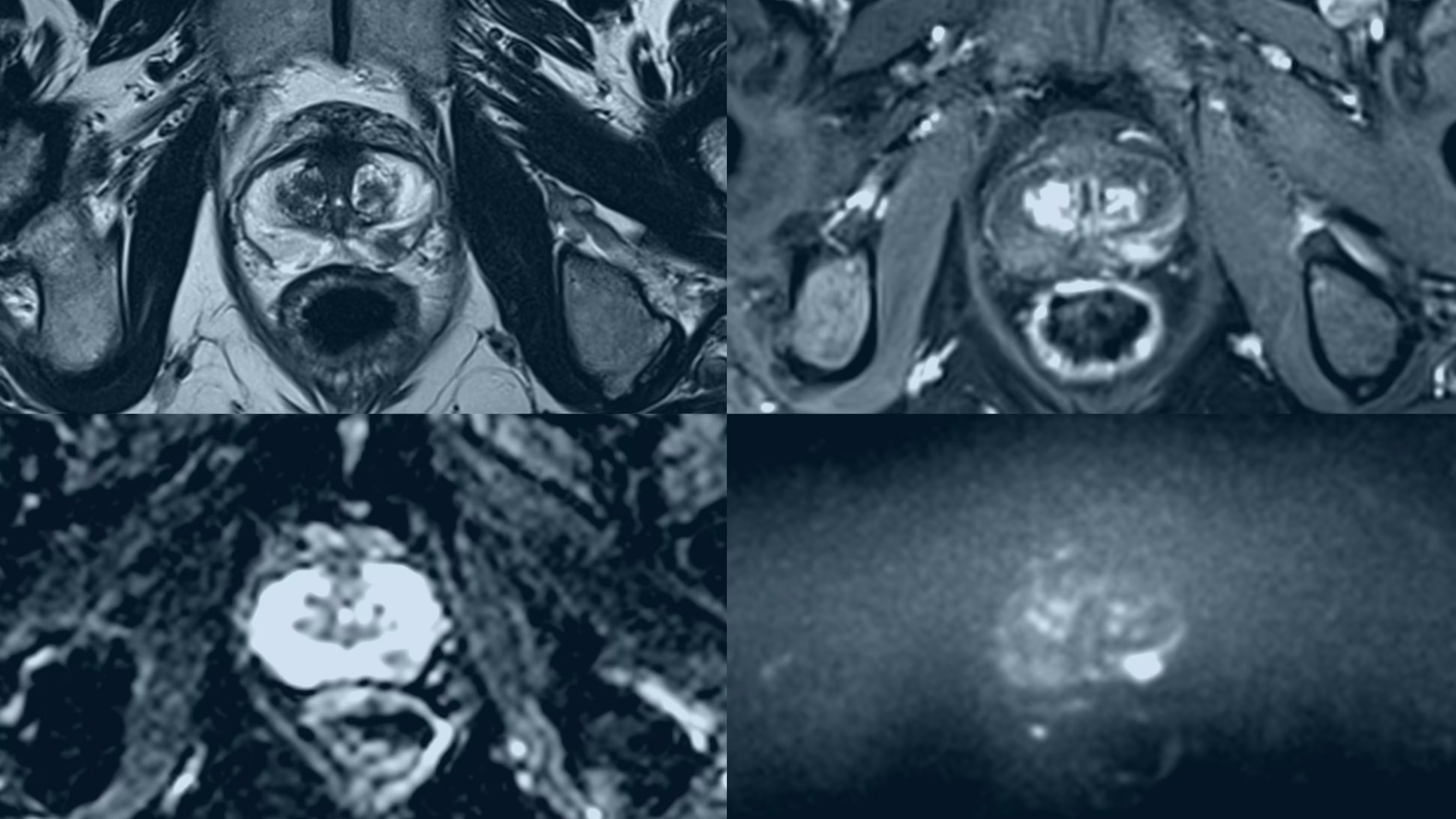
A recent study shows that prostate cancers can be detected using shorter, more affordable scans, potentially improving early diagnosis and reducing healthcare costs.
A large Canadian study suggests that preconception CT scans may slightly increase the risk of pregnancy loss and birth defects, but the overall risk increase is small and may be influenced by underlying health conditions; the benefits of necessary scans generally outweigh the risks.
A study estimates that the widespread use of CT scans in the US in 2023 could lead to approximately 103,000 new cancer cases over the lifetime of those exposed, highlighting the need to balance the diagnostic benefits of CT imaging with its potential long-term cancer risks, especially in children and frequent users.
A recent study predicts that the increased use of CT scans in the US could lead to approximately 103,000 future cancer cases due to low-dose radiation exposure, highlighting a potential public health concern while emphasizing the importance of balancing diagnostic benefits against long-term risks.
Researchers at Kyushu University developed CzTRZCN, a metal-free, low-toxicity molecule that acts as a switch for both brighter, more efficient OLED displays and precise deep-tissue medical imaging, potentially revolutionizing consumer electronics and healthcare technologies.
The UK Biobank completed the world's largest whole-body imaging project, scanning 100,000 volunteers over 15 years, creating an extensive dataset that is revolutionizing disease research, diagnostics, and AI development for early detection and understanding of health and aging.
Scientists have developed a groundbreaking laser amplifier that increases data transmission speeds by ten times, utilizing spiral-shaped waveguides and expanded bandwidth, which could revolutionize internet speeds, telecommunications, and various light-based technologies like medical imaging.
The UK Biobank has completed its goal of scanning 100,000 volunteers' brains, hearts, and organs over an 11-year project, providing valuable data for early disease detection and research, with the use of AI to analyze the vast amount of imaging data.