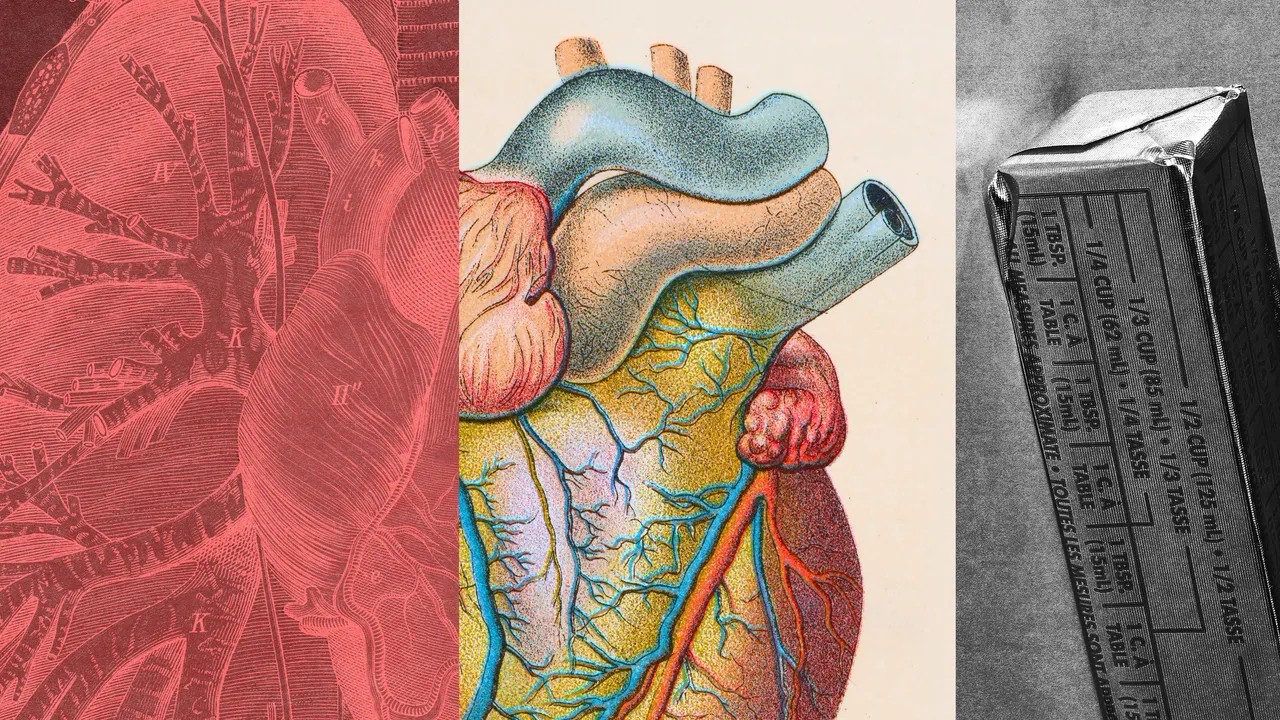
LDL cholesterol, often called 'bad' cholesterol, can build up silently in arteries, increasing the risk of heart disease and stroke. It is essential to have regular blood tests to monitor levels, ideally keeping LDL below 100 mg/dL, and to understand that genetics and aging also influence cholesterol levels. Managing diet, lifestyle, and regular check-ups are key to controlling LDL cholesterol and maintaining heart health.
Scientists are developing a blood test measuring NT-Pro-BNP levels to predict the risk of complications in people with hypertrophic cardiomyopathy, potentially enabling targeted treatment and better management of the inherited heart condition.
A Norwegian study involving over 11,000 individuals found that nearly 10% of those over 70 have Alzheimer's disease dementia, with surprising higher rates in those over 85 and variations in preclinical AD prevalence, highlighting the potential and limitations of blood-based diagnostic tools.
A recent study suggests that analyzing specific blood protein patterns can help predict an individual's risk of dying within the next five to ten years, potentially enabling earlier intervention and personalized healthcare, although the predictive power remains modest and requires further validation.
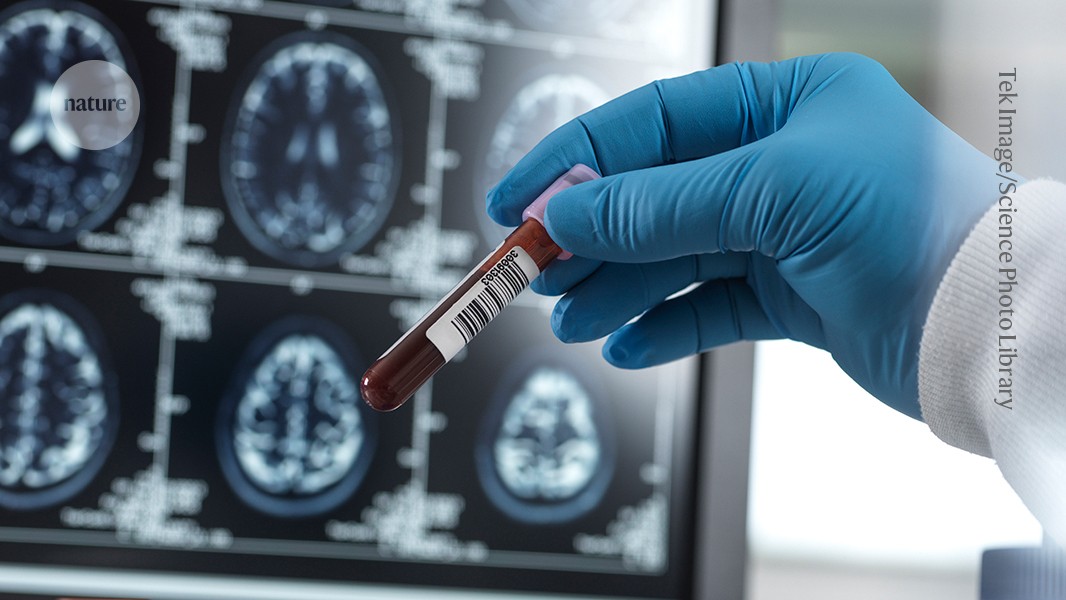
A study in the European Heart Journal found that higher levels of cardiac troponin, a heart damage marker, in midlife are associated with an increased risk of dementia and brain shrinkage up to 25 years later, suggesting that blood tests could help identify individuals at risk for cognitive decline early on.
The article discusses the Galleri multi-cancer early detection blood test, which studies DNA fragments to detect 50 types of cancer, highlighting its potential, limitations, and the author's personal experience with a negative result, emphasizing that it is not a replacement for existing screenings but a promising supplement.
Scientists have developed a highly accurate (96%) blood test for diagnosing Chronic Fatigue Syndrome (ME/CFS) using DNA folding technology, which could improve diagnosis and treatment, and may also aid in diagnosing long Covid.
Scientists have developed a highly accurate blood test using 3D genomic technology that can diagnose Chronic Fatigue Syndrome (ME/CFS) with 96% accuracy, potentially transforming diagnosis and paving the way for similar tests for Long COVID.
Scientists have identified blood protein signals that can predict multiple sclerosis up to seven years before symptoms appear, potentially enabling earlier diagnosis and treatment, and providing new insights into the disease's development.
A San Diego startup will launch myLuma, a blood test with over 80% accuracy, to predict postpartum depression risk by analyzing biomarkers and gene methylation patterns, potentially enabling early intervention and reducing stigma around mental health.
Researchers have identified early signs of multiple sclerosis (MS) by analyzing blood proteins, revealing that immune attacks on the brain begin up to seven years before symptoms appear, paving the way for early diagnosis and potential prevention.
Grail's Galleri blood test detected seven times more cancers than standard methods in a large study, with over half being early-stage and in hard-to-screen areas, showing promising accuracy and potential for routine screening pending FDA approval.
A new blood test called Galleri, capable of detecting over 50 types of cancer, shows promising results in early detection, especially for cancers without existing screening programs, potentially transforming cancer diagnosis and treatment. However, further research is needed to confirm its impact on mortality and avoid overdiagnosis.
The FDA has approved Roche's Elecsys pTau181 blood test to help primary care physicians rule out Alzheimer's in adults over 55 showing symptoms, marking a significant step in early diagnosis and understanding of the disease, though further testing remains necessary for confirmation.
Researchers have developed a blood test using 200 biomarkers that can diagnose severe CFS/ME with 96% accuracy, offering hope for better diagnosis, but experts remain cautious about its current validation and applicability to all patient stages and conditions.