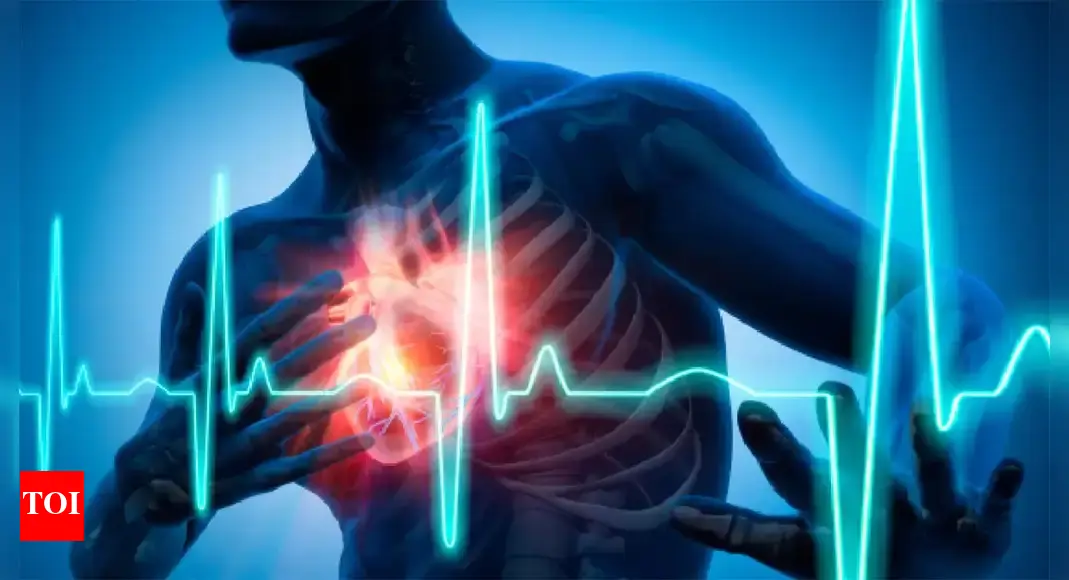
A study reveals that nearly 99% of heart attacks, strokes, or major cardiovascular events are preceded by four warning signs that often go unnoticed, indicating that most such incidents are preventable with early detection and intervention.
A large study found that brighter night-time light exposure is associated with increased risks of five major cardiovascular diseases, suggesting that circadian disruption from artificial light may contribute to heart health issues. The research emphasizes the importance of managing night light exposure to reduce cardiovascular risk, especially during sleep.
Researchers from the University of Illinois at Chicago have identified the protein Nucleoporin93 (Nup93) as crucial for maintaining endothelial cell health and preventing vascular aging. The study, published in the journal Aging, suggests that restoring Nup93 levels can reverse damage in blood vessels, offering potential new therapies for cardiovascular diseases. The research highlights the role of Nup93 in regulating molecular exchanges within cells and preventing harmful protein build-ups, which could lead to innovative treatments for age-related vascular conditions.
A new statement from the American Heart Association highlights that heart failure, atrial fibrillation, and coronary heart disease significantly increase the risk of developing dementia. These cardiovascular conditions can impair blood flow to the brain, leading to cognitive decline. Experts emphasize that managing heart health through lifestyle changes, such as maintaining healthy blood pressure and cholesterol levels, can reduce the risk of both heart disease and dementia. Regular health checks and lifestyle modifications like a balanced diet and exercise are crucial for prevention.
New research suggests that standing desks may not be as beneficial as once thought, as prolonged standing can lead to circulatory issues like blood pooling in the legs. While sitting for over 10 hours a day is linked to increased risks of heart disease and stroke, simply standing isn't a solution. Instead, incorporating regular movement, such as short walks or stretches every 30 minutes, is recommended. The study, involving over 83,000 participants with an average age of 61, highlights the importance of movement over static positions.
Data from the National Center for Health Statistics reveals that cardiovascular diseases, cancer, and accidental deaths were the top three leading causes of death in Florida in 2022. COVID-19 ranked fifth in the state, but provisional data for 2023 shows a significant decrease in COVID-19 deaths. Nationally, COVID-19 deaths also saw a substantial drop in 2023. Additionally, a CDC report indicates a rise in life expectancy but also an increase in infant mortality in 2022.
A study by researchers at DZNE has found that per- and polyfluorinated alkyl compounds (PFAS) in human blood are associated with unfavorable lipid profiles and an increased risk of cardiovascular diseases. The study, based on data from over 2,500 adults, revealed that PFAS were detectable in nearly all participants' blood, with younger individuals showing more pronounced negative effects. The findings highlight the need for stricter regulation of PFAS to protect cardiovascular health. The study, published in Exposure and Health, used advanced technology to analyze blood samples and is the most detailed on this topic to date.
A population-based cohort study estimated exposure-response associations between chronic exposure to fine particulate matter (PM2.5) and risks of hospital admission for major cardiovascular diseases (CVD) in Medicare fee-for-service beneficiaries aged 65 years and older in the contiguous US from 2000 to 2016. The study found that chronic exposure to PM2.5 was associated with increased relative risks of first hospital admissions for various CVD subtypes, with no safe threshold identified. The findings suggest substantial benefits could be attained through adherence to the World Health Organization air quality guideline.
Heart failure is a prevalent and challenging condition among older adults, with its incidence increasing significantly with age. The condition impacts various bodily functions and can be exacerbated by factors such as anemia, non-adherence to medication, excessive sodium intake, lifestyle choices, and side effects of other medications. Treatment options for older adults include left ventricular assist devices, monitoring fluid/sodium intake, psychological support, and regular check-ups. Understanding the causes, symptoms, diagnosis, and treatment options for heart failure is crucial, especially for elderly patients, as age-related issues can complicate the diagnosis and treatment process.
The World Health Organisation (WHO) has highlighted the detrimental effects of excessive salt consumption, linking it to raised blood pressure and various health issues, including cardiovascular diseases and obesity. WHO recommends limiting salt intake to less than 5 grams per day and suggests consuming fresh, minimally processed foods and using herbs, spices, and other flavorful alternatives to reduce sodium intake. Excessive sodium intake can lead to increased blood pressure, posing a significant risk for heart disease and stroke, and is associated with 1.89 million deaths annually.
A study conducted in France involving over 100,000 participants found that eating dinner after 9pm was associated with a 28% higher risk of experiencing a stroke or mini-stroke compared to those who dined before 8pm. The research emphasized the importance of meal timing, suggesting that our evolutionary patterns favor earlier eating. Each hour delay in dinner was linked to an 8% increased risk of strokes or mini-strokes, while every hour delay in breakfast was associated with a 6% higher risk of various cardiovascular diseases, particularly for women. The study highlights the potential health risks of late-night dining and the benefits of consuming dinner early and having prolonged overnight fasting.
The European Medicines Agency (EMA) has confirmed that atrial fibrillation (AF) will now be listed as a common side effect of medicinal products containing omega-3-acid ethyl esters. The EMA's safety committee found a dose-dependent increase in the risk of AF in patients with cardiovascular diseases or risk factors who were treated with omega-3-acid ethyl esters. The highest risk was observed at a dose of 4 g/d. Physicians, pharmacists, and patients will be informed of this risk through an update to the product characteristics and a notification to healthcare professionals.
High cholesterol is a significant risk factor for cardiovascular diseases, and while it is usually asymptomatic, there are subtle signs on the face that can indicate high cholesterol levels. These signs include xanthelasmas (yellowish orange patches or bumps on the eyelids), corneal arcus (a thin white line around the cornea), lichen planus (itchy rash on the face or inside the mouth), and psoriasis (thick scaly patches on the skin). It is important to be aware of these signs and regularly check cholesterol levels to reduce the risk of future cardiovascular events.
A study conducted by researchers from the Karolinska Institute, the University of Bristol, and Imperial College London has found that the levels of caffeine in the blood can impact body fat and the risk of developing type 2 diabetes and cardiovascular diseases. The study used genetic markers to establish a link between caffeine levels, BMI, and diabetes risk. The researchers suggest that calorie-free caffeinated drinks could potentially help reduce body fat levels. However, more research is needed to confirm cause and effect, as well as to understand the long-term effects of caffeine intake.
Researchers have developed an intelligent model system to understand the complex functioning of ion channels, focusing on the inwardly rectifying potassium channel Kir2. The model allowed scientists to track conductance changes and visualize the gating of individual subunits, offering insights into these essential cellular pathways. The findings have significant implications for the development of treatments for cardiovascular diseases.