Tag

Alzheimers Disease

All articles tagged with #alzheimers disease

Neck Lymphatic Bypass Aims to Flush Alzheimer’s Brain Toxins
health1 day ago

Neck Lymphatic Bypass Aims to Flush Alzheimer’s Brain Toxins

A small study suggests that a neck lymphatic bypass (lymphovenous anastomosis, LVA) could enhance the brain's waste clearance and reduce neurotoxic proteins linked to Alzheimer's disease. While LVA is a standard treatment for lymphedema, using it to aid the glymphatic system in the brain is new; early results reported cognitive and functional improvements, but far more research is needed on standard surgical methods, safety, and long-term outcomes before this approach could be used routinely.

Nose injuries may let bacteria reach the brain, hinting at Alzheimer’s link in mice
science3 days ago

Nose injuries may let bacteria reach the brain, hinting at Alzheimer’s link in mice

Australian researchers in Griffith University show, in mice, that Chlamydia pneumoniae can travel from the nasal cavity to the brain via the olfactory and trigeminal nerves, with amyloid-beta deposits forming within days. Nasal epithelial injury increased bacterial load and brain involvement, but there are no human data yet and the causal role for Alzheimer's remains unproven; a human study is planned.

Aloe Vera Compound Beta Sitosterol Emerges as Potential Alzheimer's Target in Silico
science4 days ago

Aloe Vera Compound Beta Sitosterol Emerges as Potential Alzheimer's Target in Silico

A Moroccan study used computer models to screen 11 aloe vera compounds for binding to the Alzheimer's-related enzymes acetylcholinesterase (AChE) and butyrylcholinesterase (BChE). Beta sitosterol showed the strongest predicted binding to both enzymes and favorable ADMET properties, suggesting it could help preserve acetylcholine levels. Succinic acid also showed promise. All results are computational with no lab or human trials yet, so further research is needed before any treatment conclusions. The study appears in Current Pharmaceutical Analysis (2025).

China bets big on Alzheimer's with a national research push
science5 days ago

China bets big on Alzheimer's with a national research push

China is launching a sweeping, government-backed effort to prepare for a coming wave of dementia by expanding screening, diagnosis, and treatment, recruiting returning researchers, and funding diverse avenues—from new drugs (including BrAD-R13 and DI-3-n-butylphthalide) to traditional Chinese medicine and novel glymphatic-clearing surgeries. With dementia prevalence expected to rise dramatically, the country aims to reach 2030 targets, accelerate clinical trials (already rising from 9 in 2021 to 107 in 2024), and become a leading global hub—though regulatory safeguards and safety concerns accompany rapid growth.

Eye-dwelling bacteria linked to Alzheimer's risk could aid early detection
science5 days ago

Eye-dwelling bacteria linked to Alzheimer's risk could aid early detection

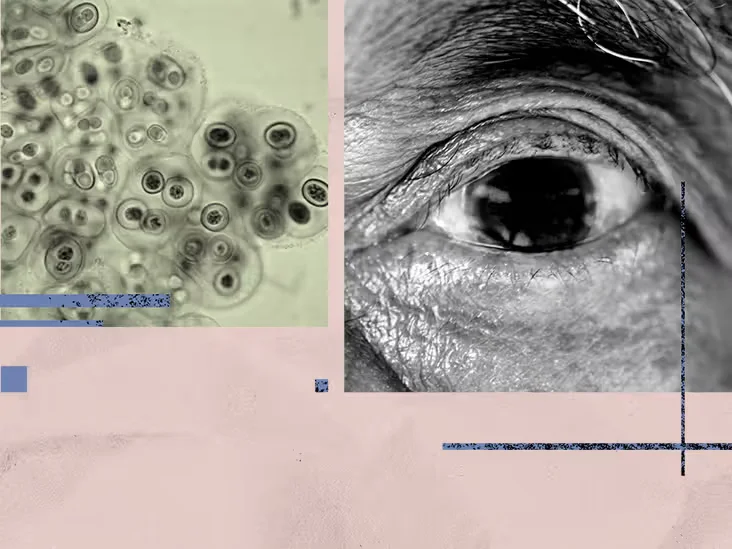
A Nature Communications study found higher levels of the bacterium Chlamydia pneumoniae in retinal tissue of people with Alzheimer's disease, with greater bacterial burden associated with more severe cognitive decline. The findings, supported by lab and mouse models, suggest retinal infection and inflammation may reflect brain pathology and that APOE4 carriers had higher retinal bacterial levels, pointing to retinal imaging as a potential noninvasive biomarker and possible infection-targeted therapies.

Caregiver's Leap: Bucks County Dream Home Hits Market as Alzheimer's Changes Their Future
lifestyle5 days ago

Caregiver's Leap: Bucks County Dream Home Hits Market as Alzheimer's Changes Their Future

Karen Sandone puts their Bucks County dream home on the market after her husband Anthony, diagnosed with early-onset Alzheimer's at 55, can no longer be left alone. She plans to downsize to a maintenance-free 55-plus community in 2026 to ease finances and caregiving duties while preserving their life and memories together.

Muscle Protein Cathepsin B May Help Shield the Brain From Alzheimer’s
science6 days ago

Muscle Protein Cathepsin B May Help Shield the Brain From Alzheimer’s

A Florida Atlantic University study shows boosting the muscle-derived protein Cathepsin B in mice with Alzheimer’s preserves memory and brain cell growth, even without reducing amyloid plaques, suggesting muscle signaling to the brain could be a new avenue for neurodegenerative therapies—though benefits did not extend to healthy mice and human relevance remains to be proven.

Eye-Window to Alzheimer's: Pneumonia Bacterium Linked to Neurodegeneration
health-and-medicine8 days ago

Eye-Window to Alzheimer's: Pneumonia Bacterium Linked to Neurodegeneration

A Cedars-Sinai study shows Chlamydia pneumoniae can invade the retina and brain, triggering inflammation, nerve cell loss, and amyloid-beta buildup linked to Alzheimer's; higher bacterial levels correlate with worse cognition, especially in APOE4 carriers. The research suggests chronic infection and inflammation could drive Alzheimer's, and the retina might serve as a noninvasive window for early detection and new treatments targeting infection and inflammation.

Blood tau clock could forecast when Alzheimer’s symptoms begin
health10 days ago

Blood tau clock could forecast when Alzheimer’s symptoms begin

A Nature Medicine study describes a blood test that detects an abnormal form of tau in the blood, which may serve as a molecular clock to predict not only if someone will develop Alzheimer’s but also when symptoms could start. If validated in larger trials, it could enable earlier interventions and streamline clinical testing for therapies, though experts caution that it’s not yet recommended for cognitively unimpaired individuals to use this biomarker outside of research.

Brain Cells with a Built-In Defense Against Dementia Found
science10 days ago

Brain Cells with a Built-In Defense Against Dementia Found

A CRISPR-based screen in human neurons with disease-causing tau mutations identified the CRL5SOCS4 protein complex as a key driver of tau protein degradation, helping some brain cells resist toxic tau clumps and dementia. Findings align with brain atlas data showing higher CRL5SOCS4 expression correlates with cell survival, and researchers note mitochondrial dysfunction can increase pathogenic tau fragments. Potential therapies include boosting CRL5SOCS4 activity or protecting proteasomes to enhance tau clearance.

health-and-medicine10 days ago

Massive US Study Links Air Pollution to Alzheimer’s Risk in Seniors

A nationwide analysis of 27.8 million Americans aged 65+ shows long-term PM2.5 exposure is associated with higher Alzheimer's risk, mainly through direct brain effects rather than via hypertension, stroke or depression; greater risk among those with prior stroke and in disadvantaged communities with higher pollution exposure underscores environmental justice concerns and a push for stricter air-quality standards. The study relies on ZIP-code level outdoor exposure estimates and notes that indoor/work exposure was not included, indicating a need for mechanistic follow-up research.