Google Search has introduced a new plus button that allows users in the US to upload images and documents for AI-powered analysis via Google AI Mode, enhancing its capabilities amid intense competition in the AI space, particularly against OpenAI.
A study reveals that climate misinformation increasingly uses scientific-looking visuals and aesthetics to appear credible, leveraging AI tools to analyze how these deceptive images and formats spread on social media, emphasizing that combating misinformation requires addressing not just facts but also presentation and emotional appeal.
TipRanks’ AI forecast is bullish on Palantir (PLTR), projecting a potential rise to $168, while Wall Street remains cautious with an average target of $109.50, indicating over 30% downside from current levels. The company shows strong revenue growth but faces valuation concerns and European market headwinds.
A study using AI and historical footage reveals that pedestrians in three northeastern U.S. cities walk 15% faster and spend less time in public spaces since 1980, likely due to digital communication and the rise of indoor venues like coffee shops, indicating a shift in urban social dynamics.
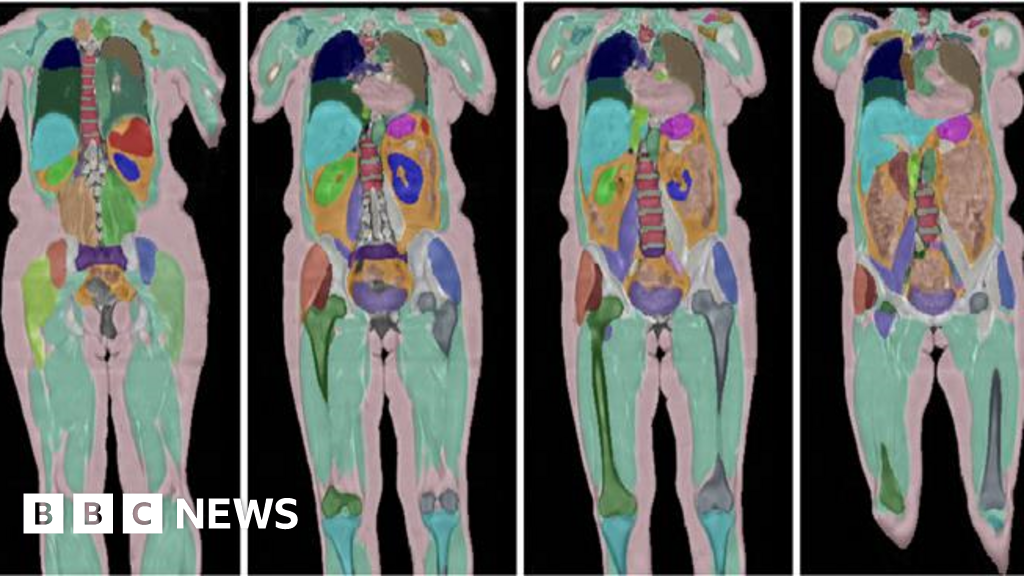
The UK Biobank has completed its goal of scanning 100,000 volunteers' brains, hearts, and organs over an 11-year project, providing valuable data for early disease detection and research, with the use of AI to analyze the vast amount of imaging data.
UC Berkeley researchers developed a highly sensitive, smartphone-based biosensor that uses the coffee-ring effect and AI to detect disease proteins in minutes, with potential for early diagnosis of conditions like COVID-19, sepsis, and cancer, though it currently remains in laboratory testing stages.
A leaked letter from Donald Trump to Japan's Prime Minister, threatening tariffs, was analyzed by AI, revealing numerous grammatical errors, manipulative language, factual distortions, and a lack of diplomatic nuance, leading to a low evaluation of Trump's communication skills.
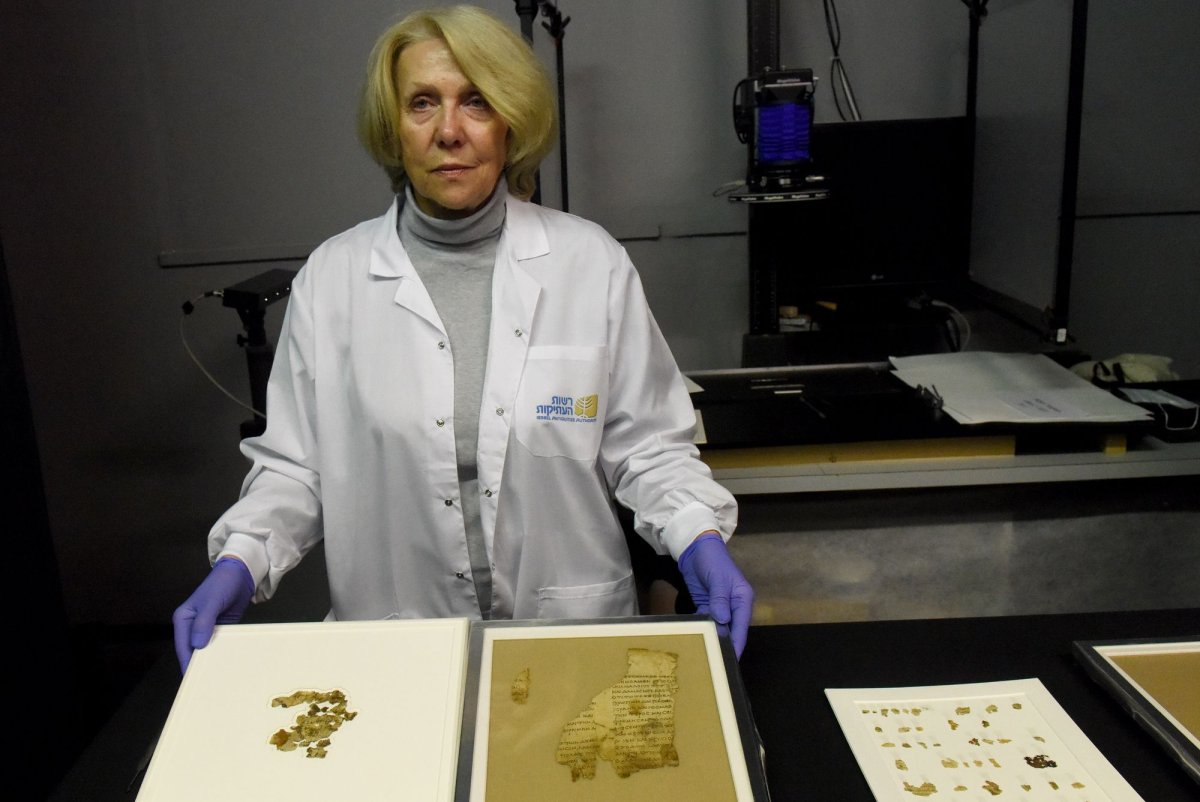
A new study combining radiocarbon dating and AI analysis suggests that the Dead Sea Scrolls are significantly older than previously believed, dating from the 3rd century B.C. to the 1st century A.D., which could reshape understanding of ancient Judaism and early Christianity.
AI analysis suggests the Dead Sea Scrolls may be older than previously thought, using handwriting pattern recognition to date manuscripts, though some experts remain skeptical about the significance of these findings and the capabilities of AI in this context.
New AI analysis suggests that the dark streaks on Mars, previously thought to be caused by water, are likely formed by wind and dust, which could influence future exploration and search for signs of life.
New AI analysis suggests that the dark streaks on Mars, previously thought to be caused by flowing water, are more likely formed by wind and dust, which could influence future exploration and the search for signs of ancient life.
A study by Baycrest and the University of Toronto suggests that talking speed is a more important indicator of brain health than difficulty finding words, which appears to be a normal part of aging. The research, involving 125 healthy volunteers aged 18 to 90, utilized AI software to analyze language performance, focusing on speech rate and word-finding pauses. Slower talking speed was associated with weaker executive functions, suggesting that speech rate could be a crucial marker for detecting cognitive changes early on. This research supports the inclusion of speech speed tests in cognitive assessments to identify early signs of cognitive decline.
A study led by Dr. Megan Klabunde from the University of Essex utilized AI to re-analyze brain scans of over 580 children, revealing disruptions in neural networks crucial for self-awareness and problem-solving in those who have experienced childhood trauma. The research suggests that trauma rewires pathways associated with emotions, empathy, and bodily understanding, potentially leading to difficulties in learning and decision-making. The findings advocate for holistic treatment approaches addressing the comprehensive effects of trauma on the brain, aiming to improve mental health and relational outcomes for affected children.