Cannabinoid hyperemesis syndrome (CHS), also known as 'scromiting,' is a rare but increasingly recognized condition among long-term high-potency cannabis users, characterized by severe vomiting and abdominal pain. Its prevalence has risen significantly with increased legalization and potency of cannabis, especially among young adults. Experts suggest moderation and further research into the condition's causes and mechanisms, as abstinence remains the only confirmed treatment.
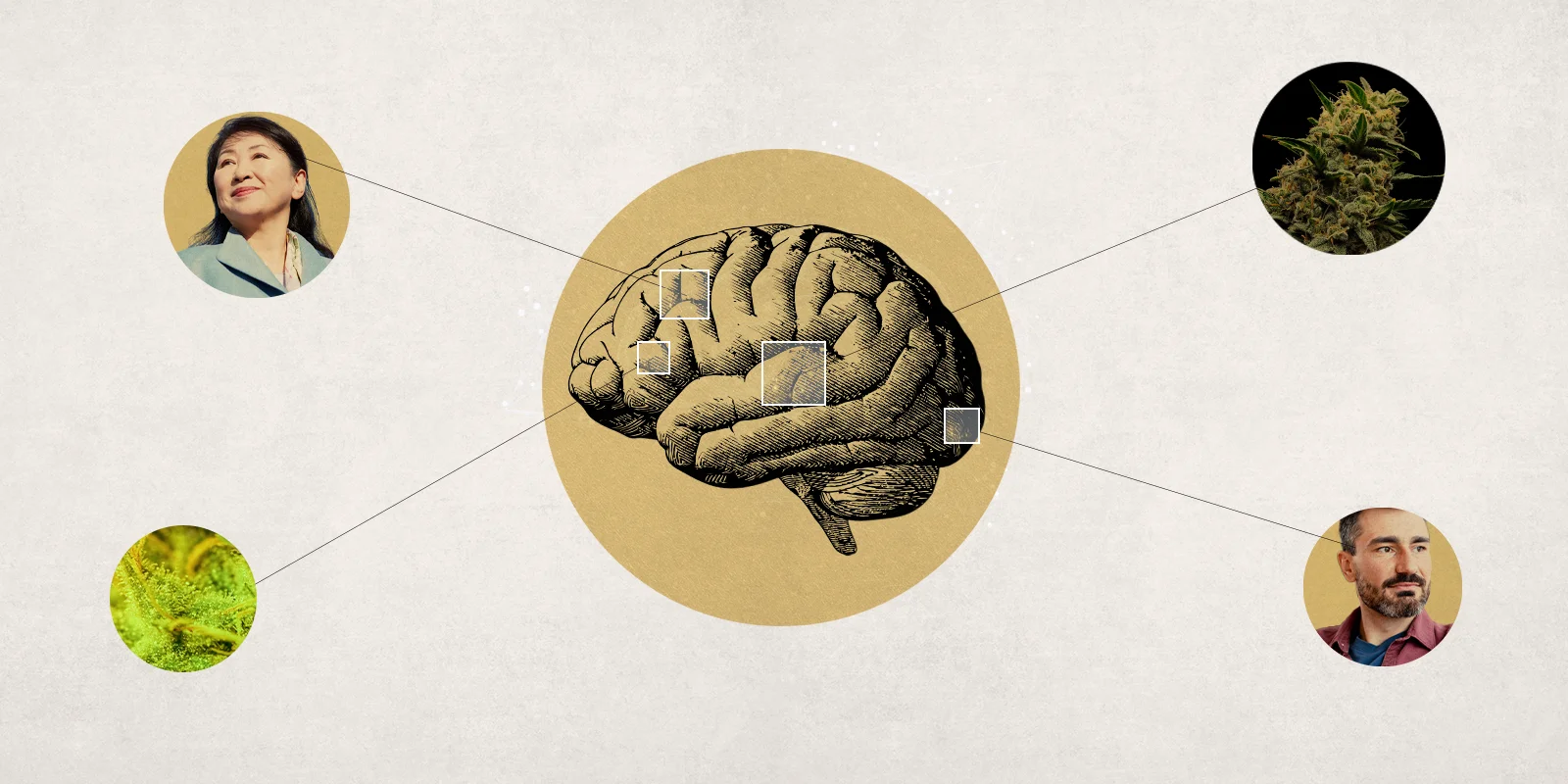
Research from Washington State University shows that rats with higher baseline stress hormone levels are more likely to self-administer cannabis, suggesting that long-term stress biology may influence cannabis-seeking behavior, similar to patterns observed in humans.
A review led by OHSU found that some cannabis products, particularly those containing THC, can slightly reduce chronic pain, similar to traditional painkillers like ibuprofen, but the effect is small and may come with side effects. CBD alone showed little to no impact on pain, and the findings suggest caution in using cannabis for pain management, emphasizing the need for further research and personalized medical advice.
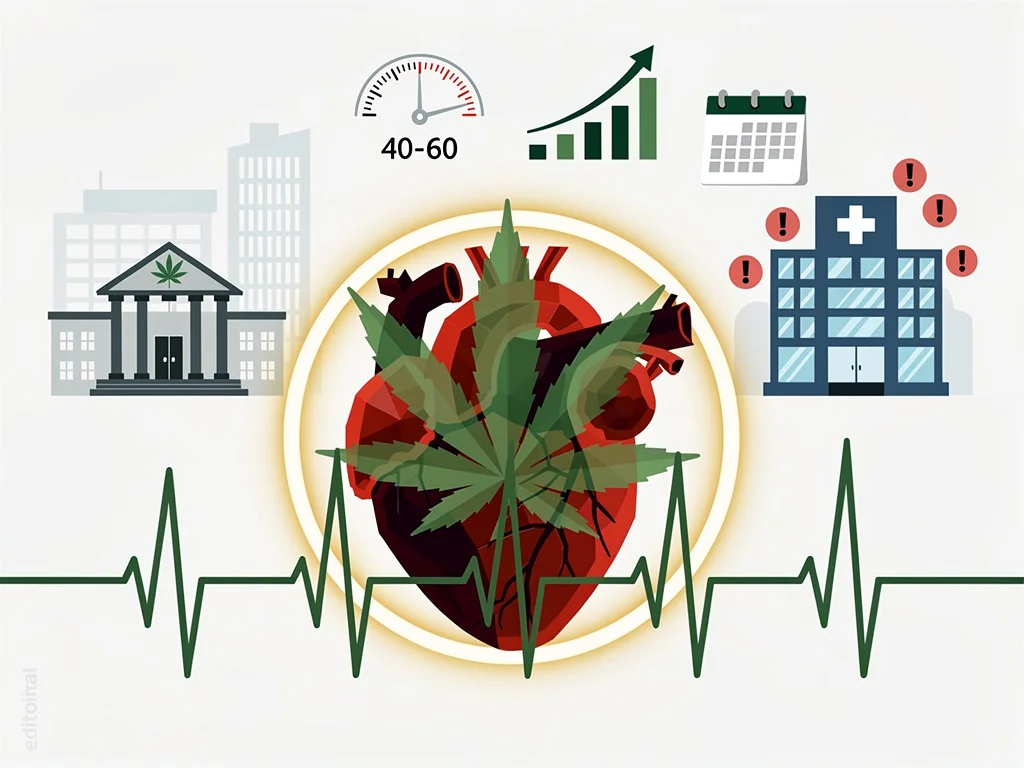
The potential reclassification of cannabis from Schedule I to Schedule III by the federal government could significantly improve access to banking, loans, and payment processing for dispensaries, helping to legitimize the industry, reduce security risks, and foster growth and research. This change aims to address longstanding legal, financial, and tax challenges faced by cannabis businesses, which have been limited by federal restrictions despite growing state-level acceptance and revenue.
A review of clinical trials indicates that high-THC cannabis products may offer modest short-term relief for chronic pain, especially nerve pain, but they also increase the risk of side effects. CBD-only products do not appear to provide significant pain relief. The findings highlight the need for more research on long-term effects and safety.
Italian police arrested 384 people and seized 1.4 tons of drugs in a nationwide crackdown, including cannabis and firearms, and closed several cannabis shops following inspections.
President Trump signed an executive order to reclassify cannabis from Schedule I to Schedule III, potentially easing regulations and benefiting Colorado's marijuana industry by allowing tax deductions and recognizing medical legitimacy, though recreational use remains illegal federally. Reactions are mixed, with some officials and industry leaders optimistic about economic and research opportunities, while health experts caution about public health risks and the need for more research. The move marks a significant symbolic step towards broader acceptance of marijuana in the U.S.
Wiz Khalifa was sentenced to nine months in Romanian prison for smoking cannabis on stage during a festival, with the court citing his act as encouraging drug use among youth. The rapper, who was not present at the sentencing, has not been extradited and the likelihood of serving time in Romania is low due to legal and diplomatic factors.
President Trump signed an executive order to reclassify marijuana from Schedule I to Schedule III, easing restrictions and potentially expanding medical access, while emphasizing it does not legalize recreational use. The move is seen as a significant shift in U.S. cannabis policy, opening doors for industry growth, research, and medical applications, with some stock impacts and industry implications.
President Trump signed an executive order to reclassify cannabis from Schedule I to Schedule III, aiming to expand research and access, while maintaining federal illegality; the move has received mixed reactions from lawmakers and the public.
Laboratory studies suggest that a combination of cannabis-derived compounds THC and CBD can inhibit the growth and spread of ovarian cancer cells with minimal effects on healthy cells, offering potential for new, less toxic treatments, though further research is needed to confirm efficacy and safety in vivo.
President Trump is expected to announce an executive order to reclassify marijuana from Schedule I to Schedule III, potentially easing federal restrictions, boosting the cannabis industry, and facilitating research and banking access. The move could mark a significant shift in U.S. drug policy, with industry stakeholders optimistic about the implications.
A study in the Journal of Psychopharmacology found that frequent cannabis use in older adults causes specific temporary cognitive declines, especially in processing speed and executive function, despite strong subjective intoxication feelings. The research highlights nuanced effects, with some cognitive functions unaffected or even improved, and emphasizes the need for further research on age-related differences and long-term impacts.
President Trump is expected to sign an executive order reclassifying cannabis as a Schedule III drug, which could expand access to CBD products, include Medicare coverage for seniors, and significantly impact the cannabis industry, research, and investments, despite ongoing scientific and regulatory debates.
A review indicates that psychedelics, especially psilocybin, show promise for treating OCD, while cannabis does not, due to differences in how they interact with the brain. Clinical trials with psilocybin have shown positive results, but research faces legal and methodological challenges.