Tag

Health Data

All articles tagged with #health data

technology4 months ago

Fitbit Launches AI-Powered Personal Health Coach

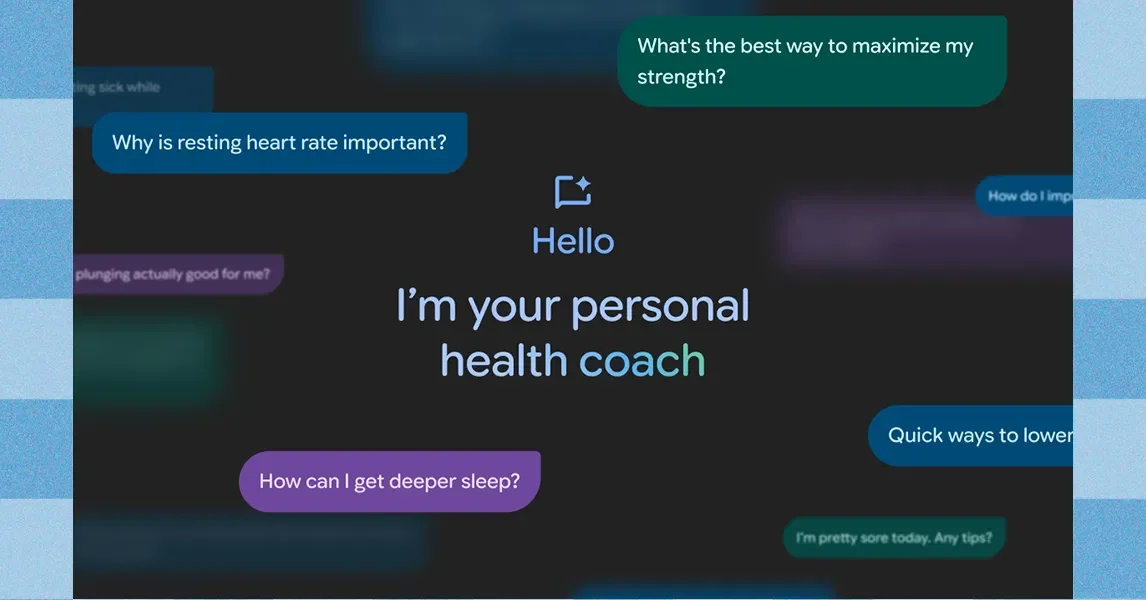
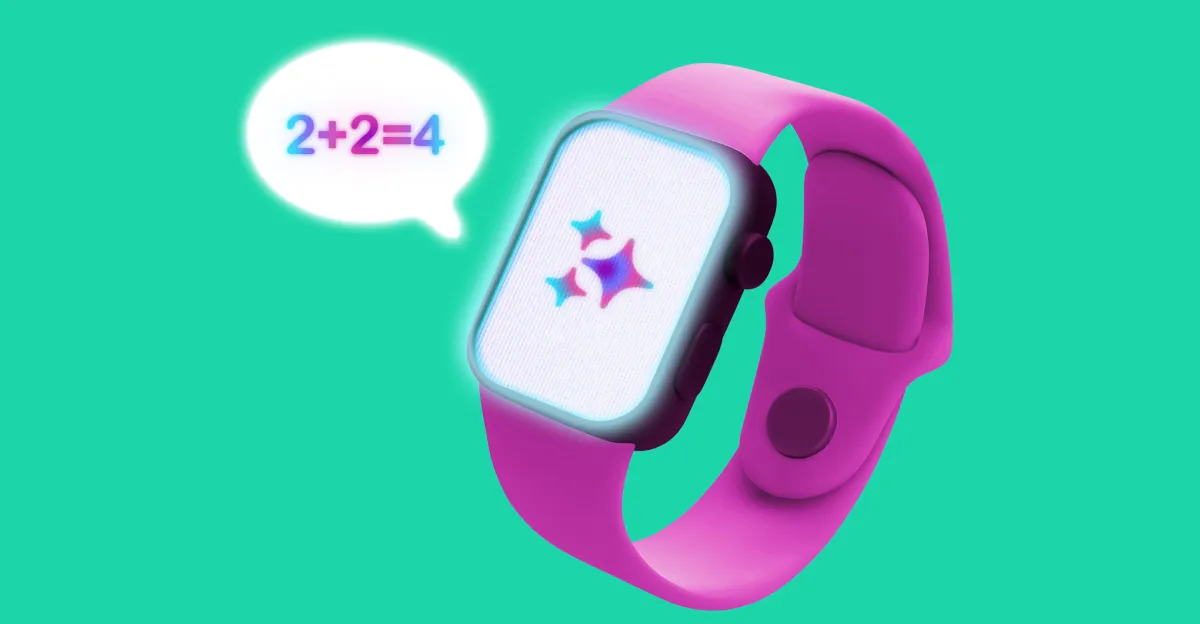
Fitbit's app is being redesigned with a new AI-powered Personal Health Coach, built with Google's Gemini, offering personalized health and fitness guidance, better data visualization, and customization features, available in an open beta for Fitbit Premium subscribers, with a focus on scientific research and partnerships to ensure reliable health advice.

technology6 months ago

The Clear Limitations of AI Fitness Summaries

The article criticizes the current state of AI-generated fitness summaries from wearables, highlighting their superficiality, lack of context, and limited usefulness, especially in complex scenarios like injuries. Despite widespread adoption and positive user feedback, the summaries often fail to provide meaningful insights or actionable advice, revealing the limitations of AI in understanding nuanced health data. The author suggests that these features are more about marketing than delivering real value, and hopes for more personalized, insightful AI in the future.

business7 months ago

23andMe's Revival: Fortune 500 Backing Sparks New Auction

The article reflects on the collapse of 23andMe, emphasizing lessons for the future of consumer genomics, including the importance of clinician partnerships, the limitations of HIPAA compliance, and the need for better governance and transparency of health data. It highlights the company's strategic missteps and the broader implications for health data ownership, trust, and regulation in the evolving digital health landscape.

health-and-fitness1 year ago

"The Impact of Fitness Tracker Data on Health: Unveiling the Truth About Wearables"

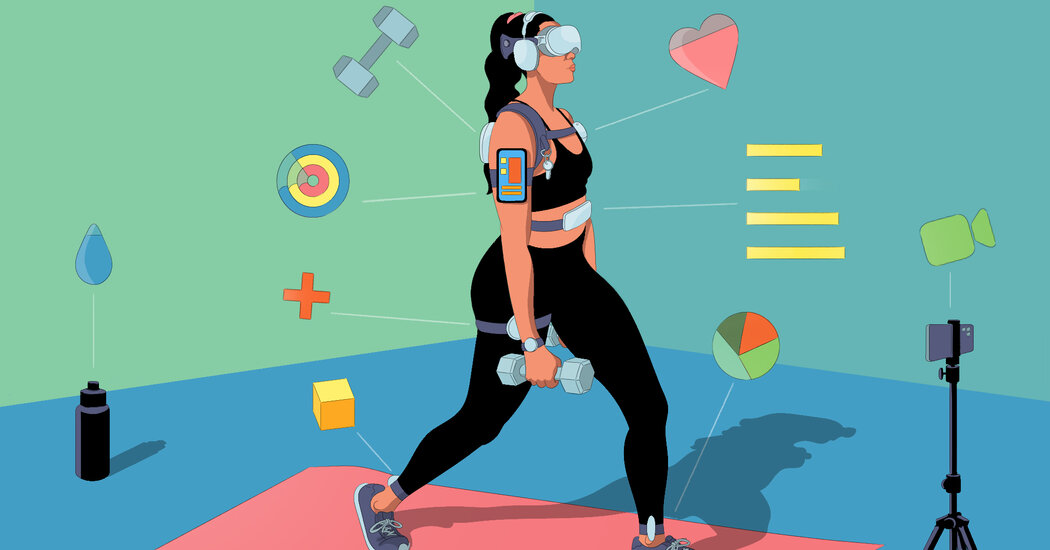
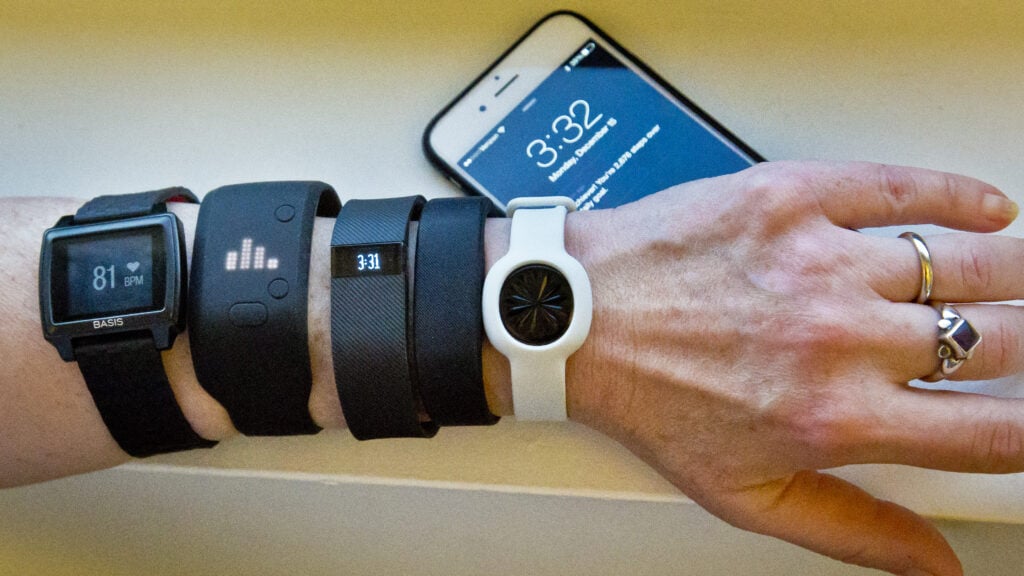
The increasing availability of fitness trackers and wearables has provided users with an overwhelming amount of health data, but experts caution that more data does not necessarily lead to better health outcomes. While these devices offer a range of measurements from heart rate to sleep time, not all data is considered helpful, and the real impact depends on the individual wearer. Additionally, many of these devices are not regulated by the FDA, and some claims about their capabilities have been cautioned against.

healthtech2 years ago

"AI Death Predictor: Can It Really Forecast Your Demise?"

Researchers in Denmark have developed an AI "death calculator" called life2vec, which analyzes personal and medical data to predict a person's mortality timeline with 79% accuracy. Using a Danish public health registry dataset, the algorithm outperformed other tools at predicting early mortality, suggesting it could be a valuable tool for identifying key factors that affect life outcomes and enabling earlier interventions.

health-research2 years ago

"Missed Covid Vaccines Tied to Severe Disease Risk in UK Study"

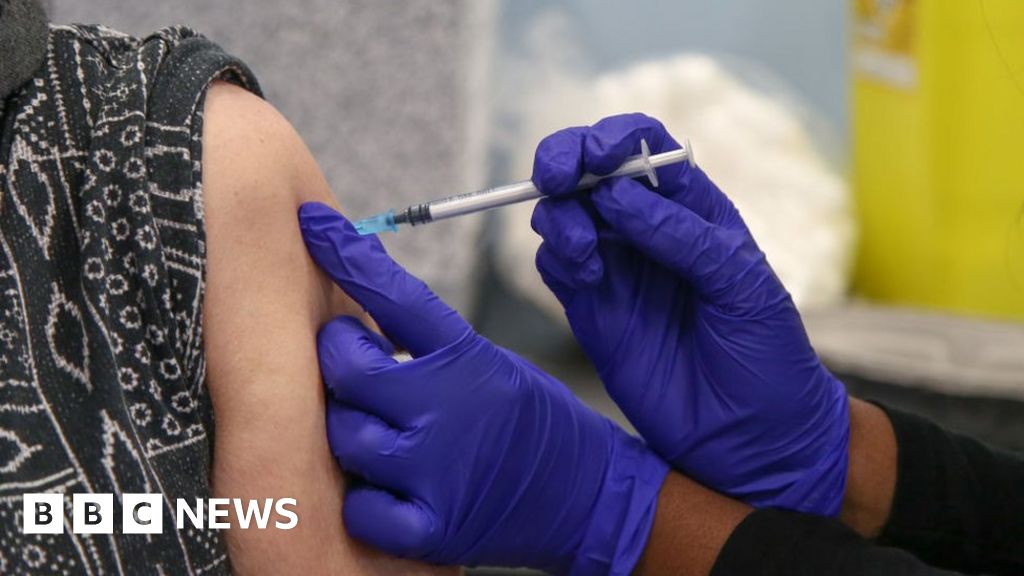
A study published in The Lancet suggests that over 7,000 Covid-related hospital admissions and deaths in the UK during the summer of 2022 could have been prevented if the population had received the recommended number of vaccine doses. The research, which analyzed anonymized electronic health data for the entire UK population over the age of five, found that 44% of the population was under-vaccinated, with younger people being among the most likely to skip doses. The study highlights the importance of vaccine uptake in preventing severe Covid illness and suggests that similar health data analysis could be used to understand and address other diseases.

health-and-wellness2 years ago

"Reassessing Health and Fitness Tracker Metrics for Accuracy"

Despite the booming fitness tracking industry and the widespread use of health data, the accuracy and relevance of the data are questionable, leading to ineffective outcomes in improving health. The author suggests that a more mindful approach to health data is necessary, emphasizing the need for accurate, relevant, and actionable data. While acknowledging the potential benefits of certain health technologies, the author advocates for a "data diet," where individuals use data as a means to an end rather than a source of validation, and prioritize listening to their bodies and focusing on holistic well-being.

health-and-fitness2 years ago

Whoop's AI Coach Revolutionizes Fitness Training

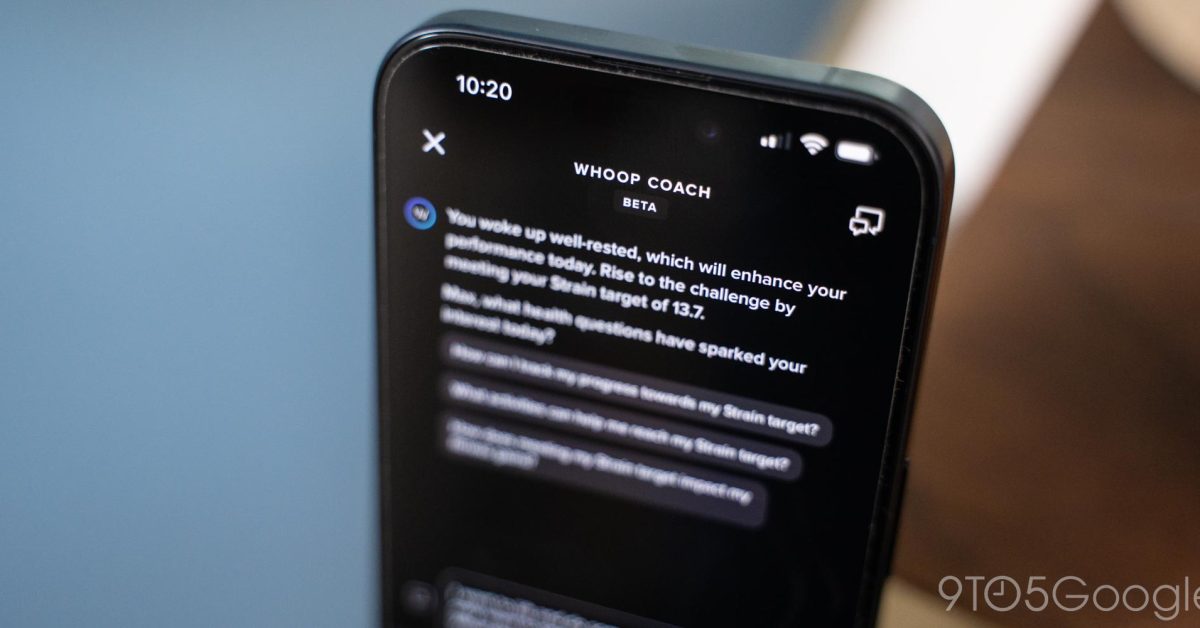
Whoop has introduced an AI Coach powered by OpenAI's GPT-4 model, offering personalized recommendations based on users' biometric data and fitness goals. The AI Coach provides individualized responses to health and fitness questions within seconds, utilizing historical metrics to generate exercise recommendations. Users can ask a wide range of questions, from activity suggestions to training program building. The AI Coach is included in the Whoop subscription and has the potential to improve over time.

technology2 years ago

The Controversial Journey of Your Health Data: Unraveling the Google and Fitbit Scandal

Fitbit and Google are facing scrutiny over the handling of users' health data, with concerns raised about how the data is being used, particularly in relation to Google's targeted advertising operations. The combination of Fitbit's health data with Google's other data has raised concerns about discrimination and exploitation in healthcare and other sensitive areas. The lack of transparency from Google and Fitbit has led to questions about where the data is going and who has access to it. Users are urged to review privacy policies and consider the potential implications of sharing their health data with smartwatch and fitness tracker manufacturers.

fitness2 years ago

"Oura Ring introduces social sleep tracking and health progress sharing"

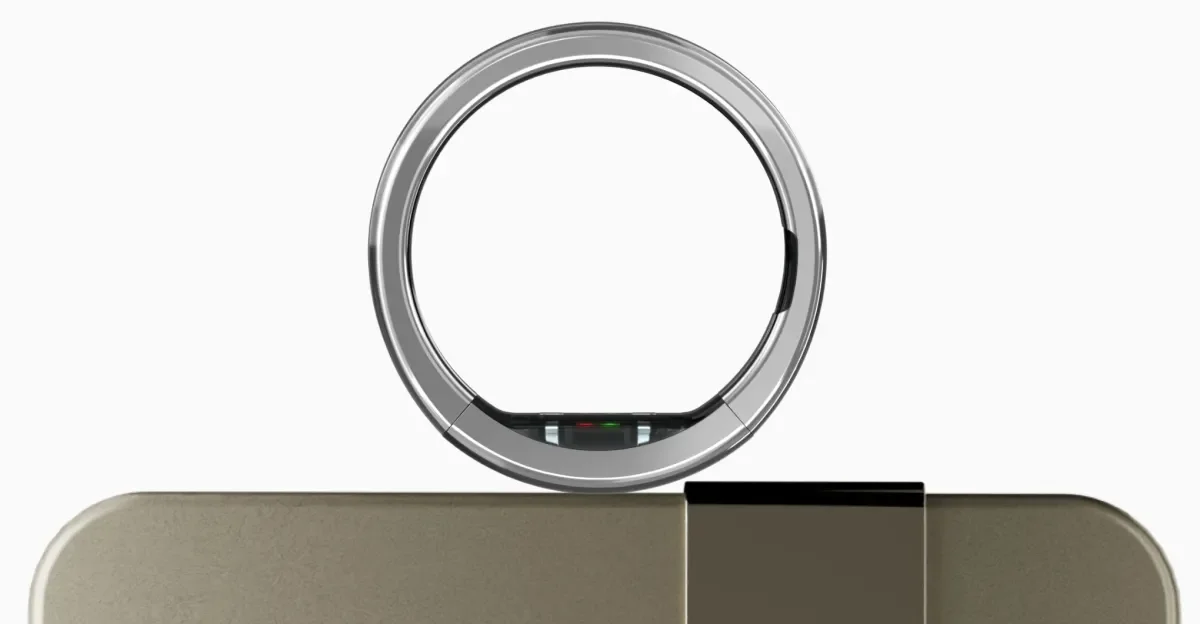
The Oura Ring has introduced a new social feature called Oura Circles that allows users to share their sleep, readiness, and activity scores with up to 20 other Oura members. Users can customize what they share and react to data shared by others with emojis. The feature is designed to provide social connection and combat post-pandemic loneliness issues. However, it is also about creating mini clubs for competitive sharing and making the Oura ring more attractive to people outside those clubs.

health-tech2 years ago

Oura Ring introduces social sleep features for health tracking.

Oura, the company behind the smart ring that tracks biometric data, has launched a new community-sharing feature called Circles, which allows users to share readiness, sleep, and activity scores with private groups. The feature is aimed at creating a small, intimate group of empathy and support, rather than competition. Oura has also rolled out a new sleep staging algorithm that provides a variety of scores and areas for improvement. The company has looked to get its rings onto more hands through added features and partnerships, including a deal with Best Buy to be its first U.S.-based large-scale retail partnership.