
health-research4.055 min read
The Long-Term Impact of Junk Food on Adolescent Memory
1 year ago•Source: SciTechDaily

The latest health research stories, summarized by AI

A study in Singapore has revealed a potential link between junk food consumption and cancer risk, suggesting that a compound called methylglyoxal, produced when the body breaks down sugary and fatty foods, can temporarily inhibit the cancer-protecting function of the BRCA2 gene. This finding challenges the long-held "two-hit" paradigm and may help explain the rising prevalence of cancers, particularly in young, seemingly healthy individuals. The study also highlights the potential impact of diet on cancer risk, particularly colorectal cancer, and suggests that repeated exposure to methylglyoxal, commonly found in processed foods and red meat, could increase the risk of cancer development, especially in individuals with inherited faulty copies of the BRCA2 gene.
Medical News Today•1 year ago
Daily Mail•1 year ago

Research shows that a combination of B vitamins and omega-3 can reduce brain shrinkage by over 70%, potentially lowering the risk of dementia and cognitive decline. The discovery has been confirmed by research groups in several countries and has been hailed as a major step towards Alzheimer's prevention. The combination of these nutrients benefits cognition in older adults, with the B vitamins breaking down homocysteine, a toxic amino acid that accelerates brain shrinkage. The combined effect of omega-3 and B vitamins is greater than either nutrient on its own, offering a promising new approach to combating cognitive decline.

Storing chemicals, such as gasoline, weed killer, pesticides, paint, and woodworking supplies, in a garage connected to the home may be linked to an increased risk of developing amyotrophic lateral sclerosis (ALS), a muscle-wasting condition. A study by the University of Michigan found that the more chemicals stored in the garage, the higher the risk of ALS. Gasoline, kerosene, gasoline-powered equipment, and lawn care products were identified as top risk factors. ALS, also known as motor neuron disease, has no known cause and affects thousands of people in the US and UK. The study suggests that the flow of air and airborne pollutants from attached garages to living spaces may contribute to the increased risk.
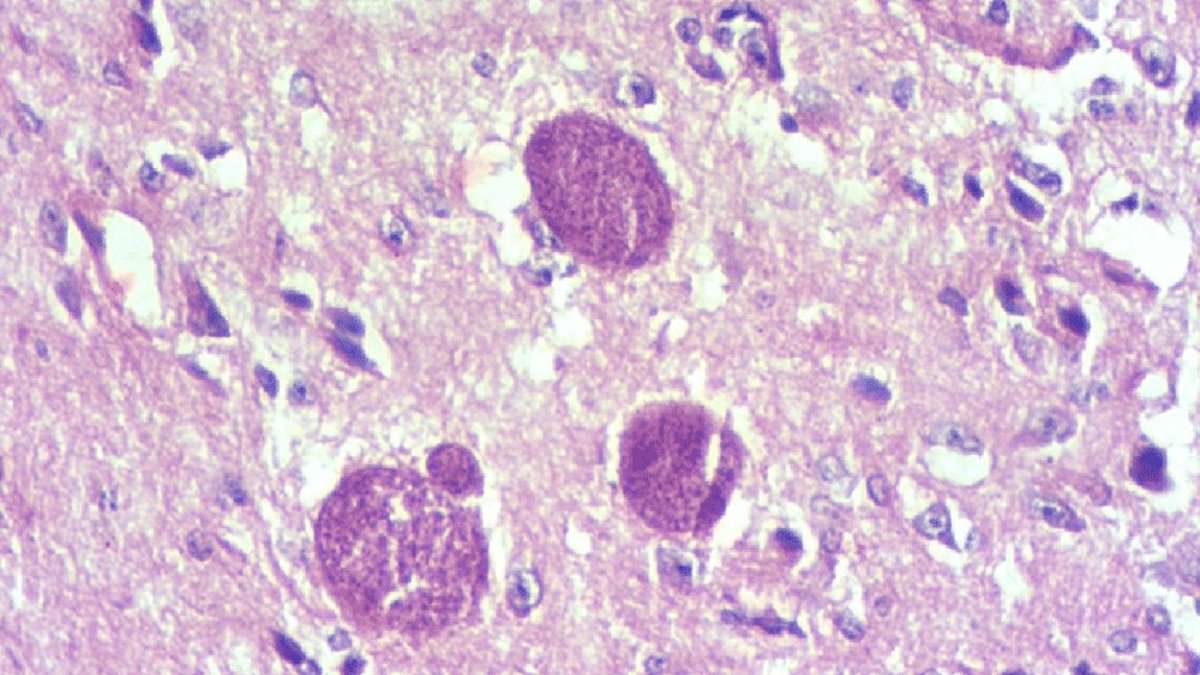
A study from Charles University in the Czech Republic suggests that food poisoning caused by parasites like Toxoplasma gondii and Borrelia spp can lead to long-term effects on memory and learning, as well as an increased risk of developing conditions like schizophrenia and dementia. The research found that individuals who had experienced food poisoning from these parasites showed slower reaction times and poorer cognitive abilities, even after their physical symptoms had resolved. The study indicates a potential link between these infections and chronic neurological issues, although the exact mechanisms behind these effects are not yet fully understood.

Researchers at Nagoya University have discovered a link between aldehydes, metabolic byproducts found in alcohol, pollution, and smoke, and premature aging and DNA damage. Their findings suggest potential strategies to mitigate aging effects by controlling exposure to aldehyde-inducing substances. The study sheds light on the impact of environmental factors on health and aging, offering insights into premature aging diseases and potential targets for therapeutic intervention.

A study from the University of Georgia suggests that certain teas can deactivate the SARS-CoV-2 virus in saliva by up to 99.9%, potentially reducing the introduction of the virus to the lower respiratory system. The research found that teas like raspberry zinger, eucalyptus mint, mint medley, green tea, and black tea significantly reduced the virus in saliva, with black tea showing the greatest reduction. While clinical trials are needed to understand the full effect on COVID-19 patients, the findings offer a promising additional layer of intervention to supplement medical care.

A study led by Imperial College London has identified five different subtypes of Long Covid, shedding light on the causes of ongoing symptoms such as fatigue and brain fog. The research suggests that existing drugs for conditions like arthritis could potentially be effective against Long Covid, and new human trials will focus on this. The study indicates that Long Covid is caused by post-viral inflammation and reveals the complexity of the condition, emphasizing the need for specific tests and treatments tailored to the different subtypes. This discovery offers hope for the estimated 65 million people worldwide suffering from Long Covid and could lead to a better understanding and management of the condition.
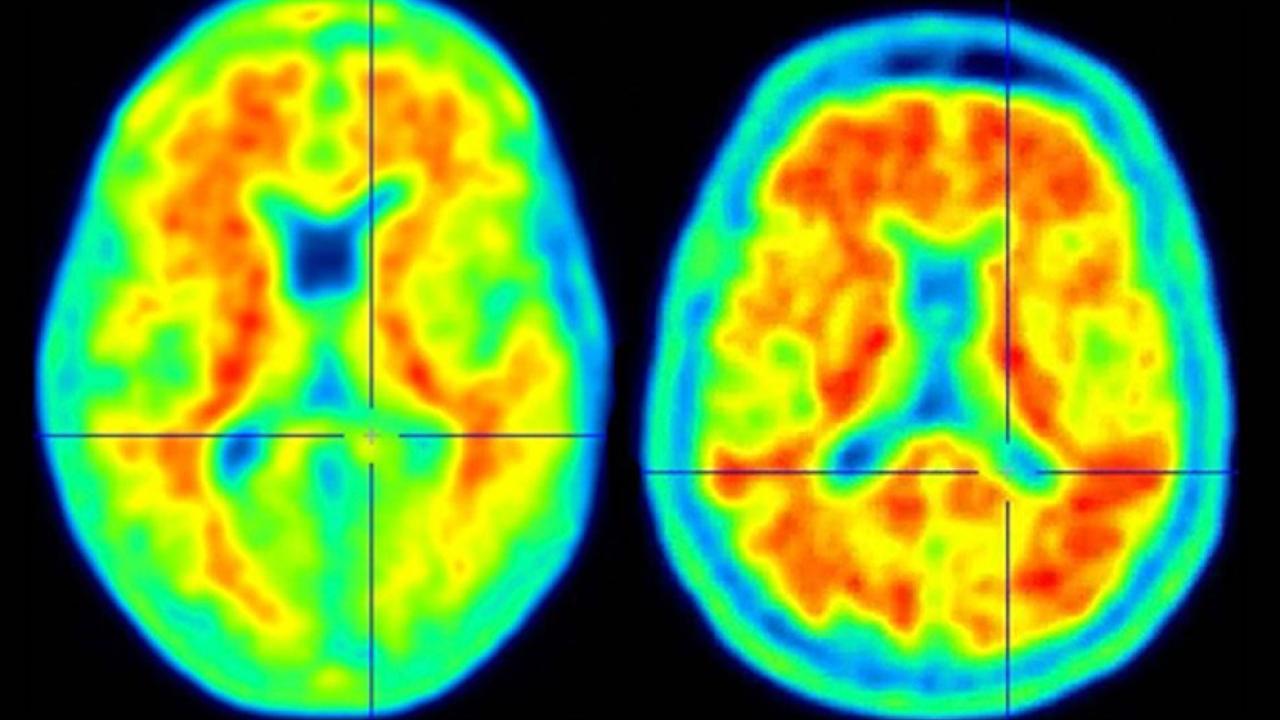
Researchers at Columbia University have identified a genetic variant that reduces the risk of developing Alzheimer's disease by up to 70% and delays its onset by about four years. The variant occurs in a gene that regulates fibronectin, a component of the blood-brain barrier, and appears to facilitate the clearance of toxic amyloid from the brain. This discovery suggests a new direction for therapeutic development, targeting the blood-brain barrier to prevent or treat Alzheimer's disease. The protective gene was found in individuals resilient to Alzheimer's and may have wide therapeutic potential beyond APOEe4 carriers, offering hope for future treatments.

New research suggests that high levels of three gut bacteria—fusobacterium, clostridium, and shewanella—are linked to aggressive colon cancer in young people, possibly due to diets high in processed foods and low in fiber, fruit, and vegetables. Testing for these bacteria could aid in diagnosing those at risk. Colon cancer diagnoses among under-50s have reached epidemic levels, with poor diets also linked to a rise in digestive tract cancers. The study also found that certain probiotic bacteria may reduce the risk of developing aggressive colon cancer. Other factors such as antibiotics, obesity, and changes in the gut microbiome are being investigated as potential causes for the increasing incidence of early-onset colon cancer.

A study by the University of Illinois Chicago has identified a mechanism behind cognitive impairments in mice with COVID-19 and tested a gene therapy that improves symptoms by enhancing blood-brain barrier integrity. The research offers hope for preventing post-COVID-19 cognitive issues in humans and suggests that improving blood-brain barrier integrity could have benefits in preventing complications of COVID-19.

New research identifies diabetes, alcohol consumption, and traffic-related pollution as key factors accelerating brain aging and dementia risk, particularly affecting a vulnerable brain region associated with dementia. The study also explores genetic influences, including mutations on the X chromosome and the XG antigen system, which may impact susceptibility to environmental factors. The findings emphasize the importance of understanding both modifiable and genetic risk factors in preserving brain health and potentially intervening early to slow disease progression.