science-and-health6.42 min read
Post-Seizure Sleep May Strengthen Epileptic Networks
1 day ago•Source: Neuroscience News

The latest science and health stories, summarized by AI
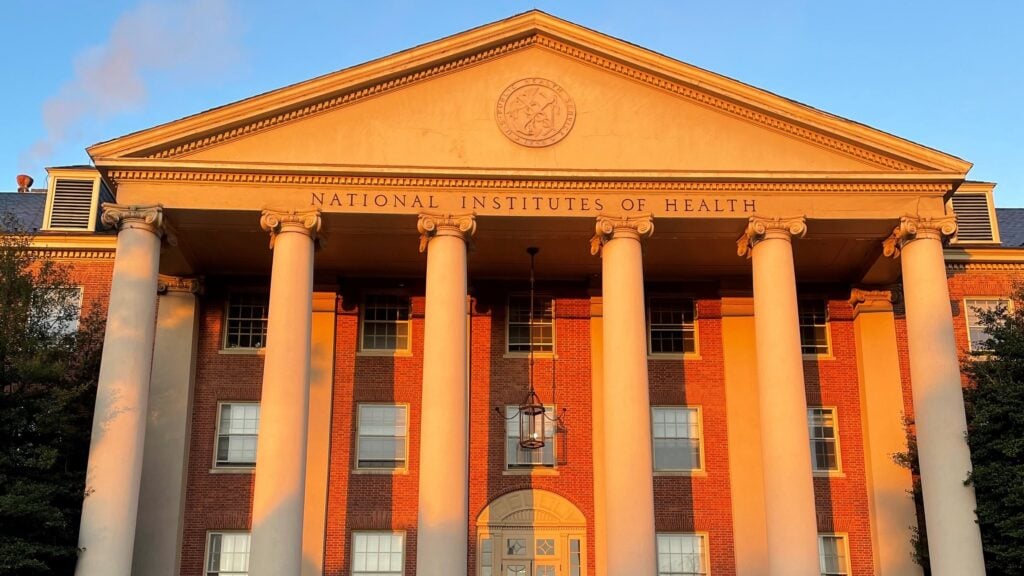
The Trump administration's move to cut NIH grants related to diversity, equity, and inclusion is being reconsidered after a legal settlement, allowing the agency to review previously frozen or denied applications without the influence of political directives, though future projects may face increased scrutiny.
BuzzFeed•3 months ago
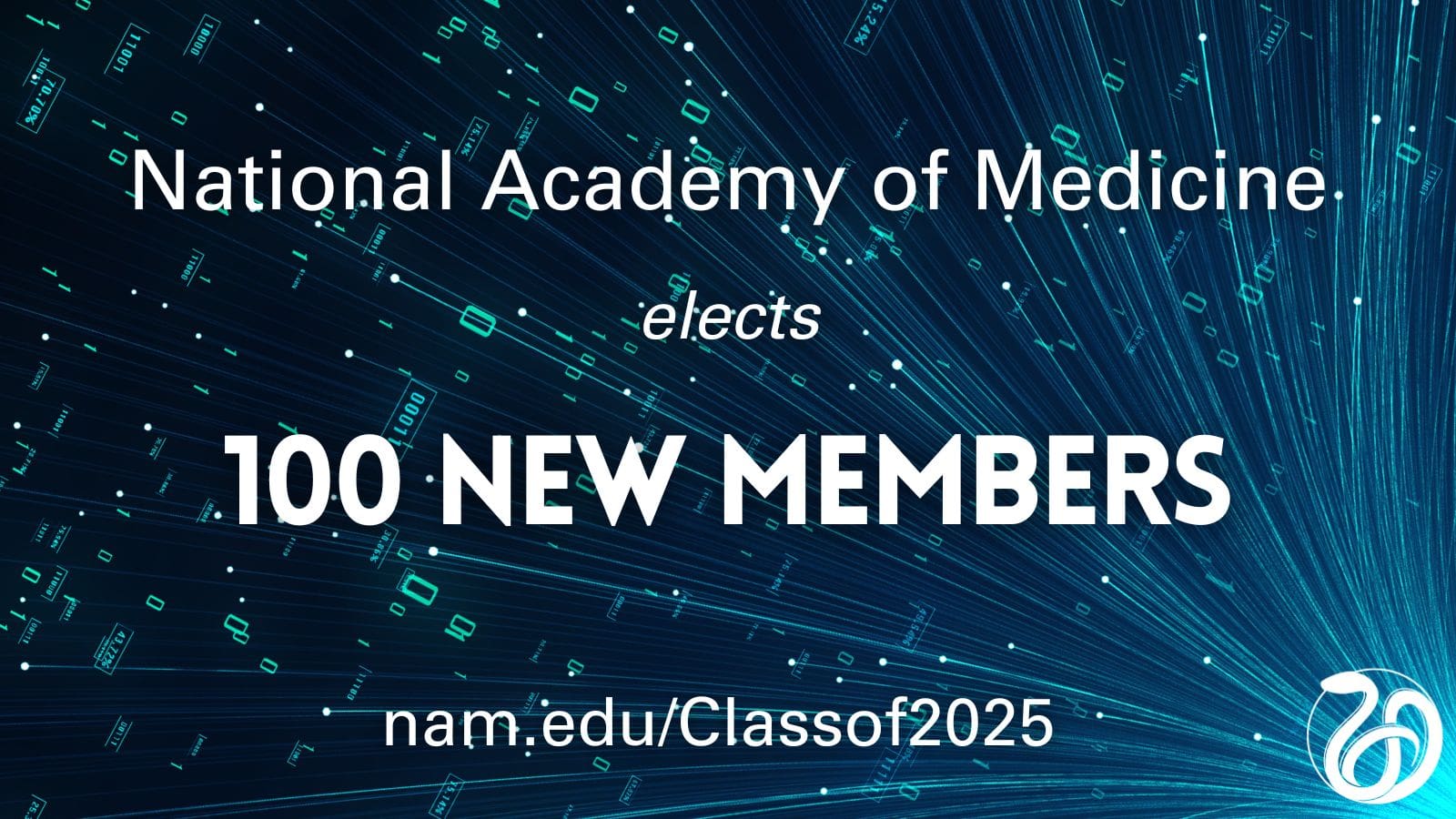
The National Academy of Medicine elected 100 new members, including 90 regular and 10 international members, recognizing outstanding contributions in health, medicine, and public health to address pressing health challenges and advance medical sciences.
Scientists may have discovered a method to eliminate the chromosome linked to Down syndrome, raising hopes for potential prevention but also sparking ethical debates about eugenics and genetic modification.
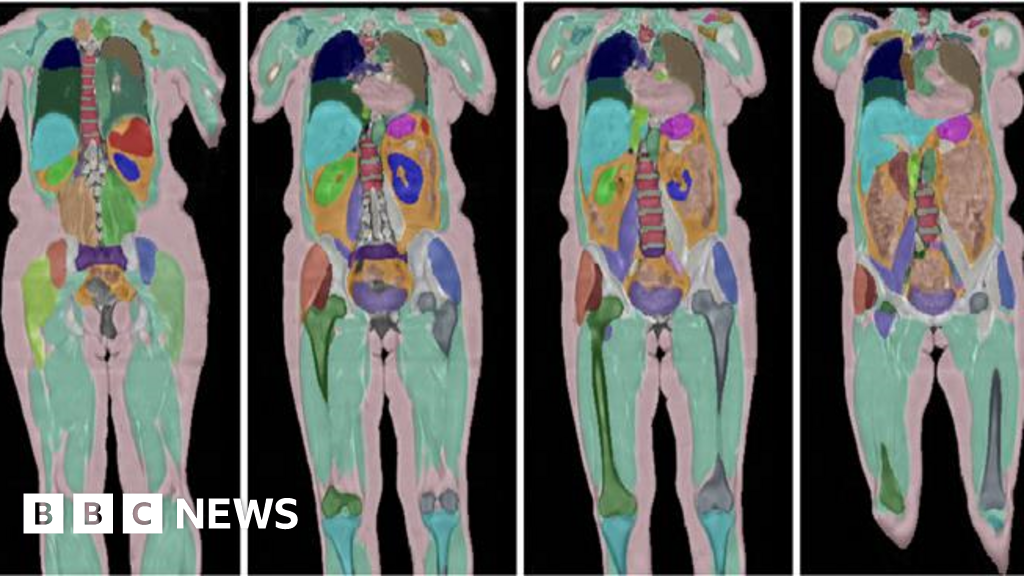
The UK Biobank has completed its goal of scanning 100,000 volunteers' brains, hearts, and organs over an 11-year project, providing valuable data for early disease detection and research, with the use of AI to analyze the vast amount of imaging data.

Research shows that CBD derived from hemp effectively kills mosquito larvae, including resistant strains, offering a promising natural alternative to chemical insecticides for controlling disease-carrying mosquitoes while potentially reducing environmental impact.
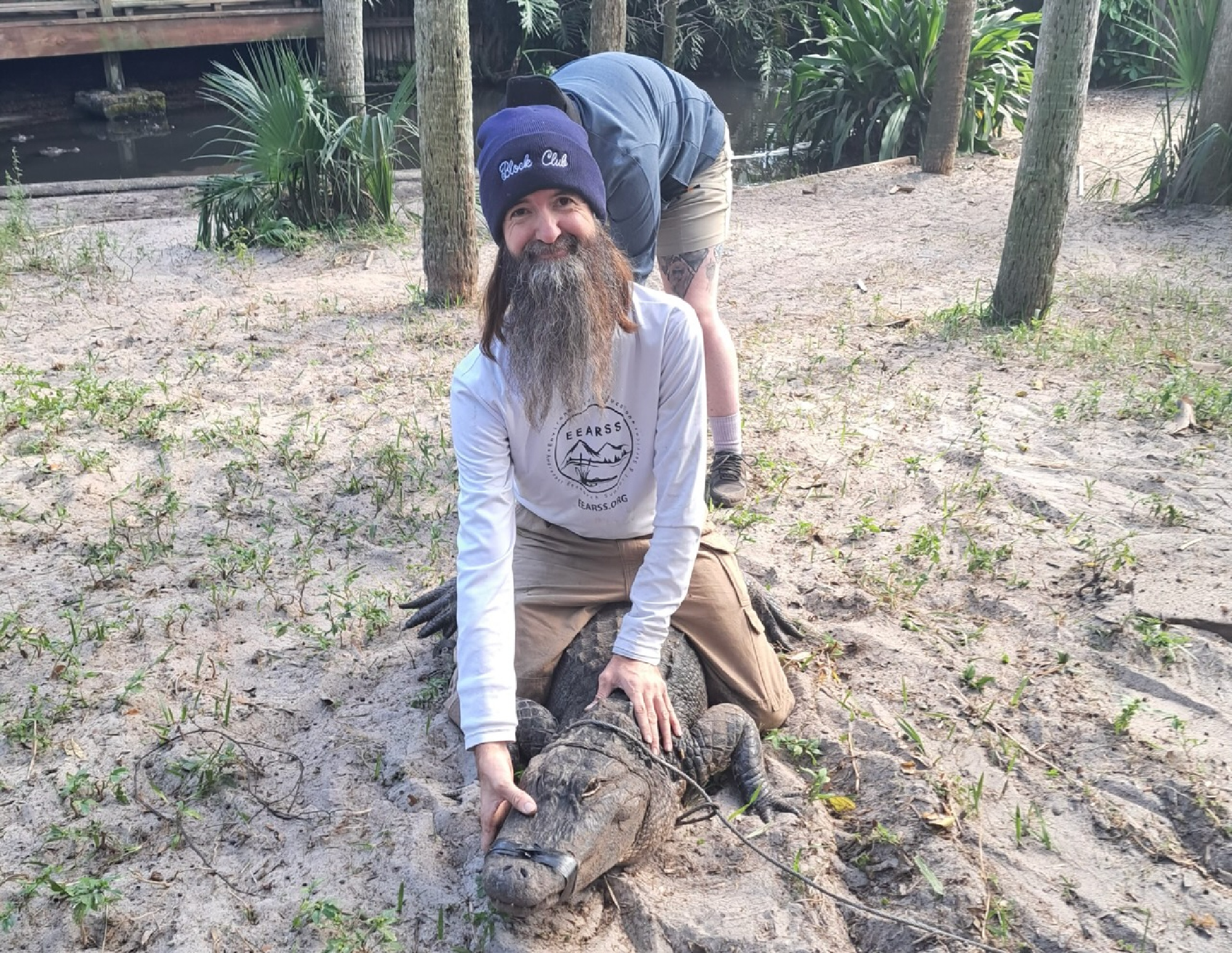
Chance the Snapper, the alligator famously captured in Chicago in 2019, is now part of a scientific study on cancer led by Frank Robb and the Wise Laboratory of Environmental and Genetic Toxicology. The research aims to understand how alligators, despite exposure to environmental chemicals, have lower cancer rates compared to humans. This study could lead to breakthroughs in cancer treatment and prevention. Chance, now residing at the St. Augustine Alligator Farm, is contributing to this vital research, which requires ongoing support and resources.

Researchers at McMaster University have discovered that the protein MANF aids in cellular cleanup by managing toxic protein clumps, which could lead to new treatments for age-related diseases like Alzheimer's and Parkinson's. The study, published in the Proceedings of the National Academy of Sciences, highlights MANF's role in maintaining cellular homeostasis and suggests its potential as a therapeutic target to promote healthier aging by enhancing the natural cellular clean-up system.
A study published in Nature Aging suggests that human lifespan may be nearing its biological limit, with a maximum achievable age between 115 and 120 years. While life expectancy has increased due to healthcare advancements, its growth is slowing, and immortality remains unlikely. Countries like Hong Kong and South Korea have seen life expectancy rise due to effective public health policies, while the U.S. faces declines due to issues like the opioid crisis. The focus of medical research may need to shift from extending lifespan to improving the quality of life for the elderly.
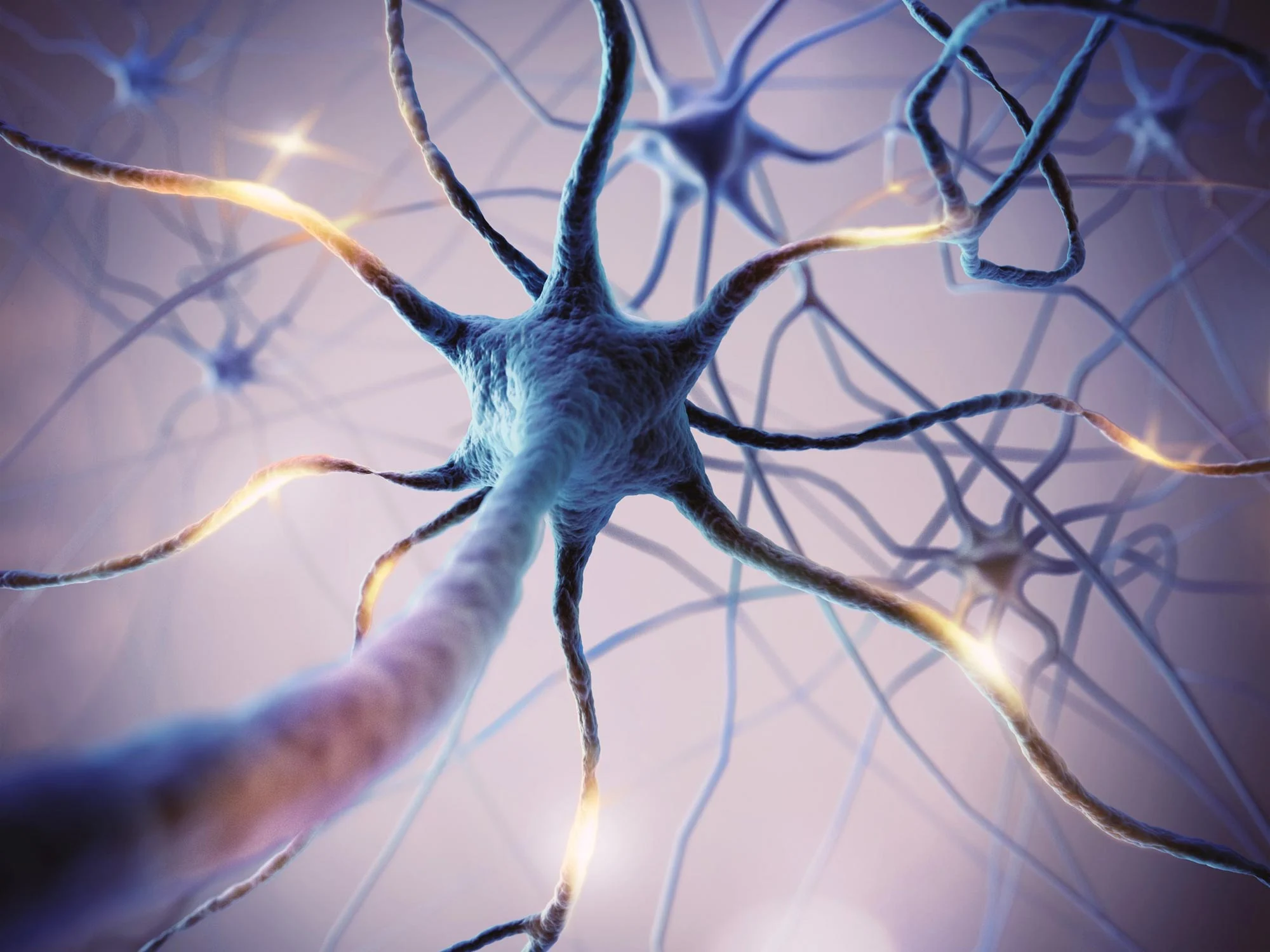
Scientists have discovered a new type of neuron, BNC2, that rapidly inhibits hunger signals in the brain, offering a fast-acting mechanism for satiety. This finding, published in Nature, could lead to new treatments for obesity and metabolic disorders by expanding the understanding of appetite regulation and providing new therapeutic targets. BNC2 neurons, activated by leptin, quickly suppress appetite and alleviate hunger-related negative feelings, potentially redefining how feeding is regulated.

Neuroscientists at the Salk Institute have discovered a brain circuit that regulates voluntary breathing, potentially leading to new anxiety treatments. This breakthrough, published in Nature Neuroscience, could pave the way for drugs that mimic the calming effects of practices like yoga and meditation by targeting specific brain pathways. Such medications might offer more precise anxiety relief with fewer side effects compared to current treatments. The research is a significant step towards understanding how controlled breathing can alleviate anxiety, though practical applications may take years to develop.
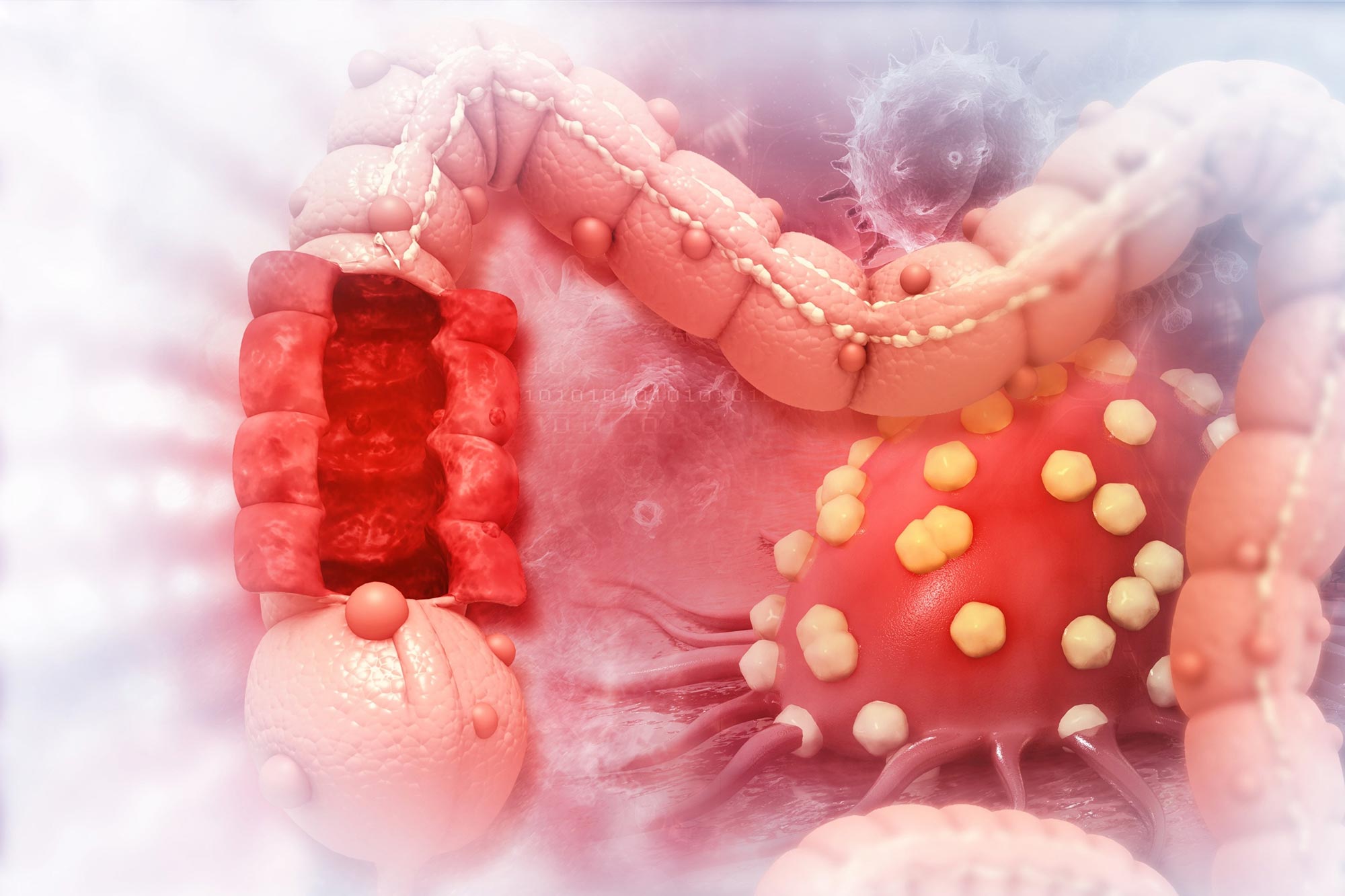
Researchers at Karolinska Institutet have discovered a molecule that promotes intestinal healing and suppresses colorectal cancer growth by activating the Liver X receptor. This finding, published in Nature, could lead to new treatments for inflammatory bowel disease (IBD) and cancer, addressing the need for alternatives to current therapies that often fail to help patients. The study highlights the potential of this molecule to treat chronic bowel disorders resulting from cancer therapies.